
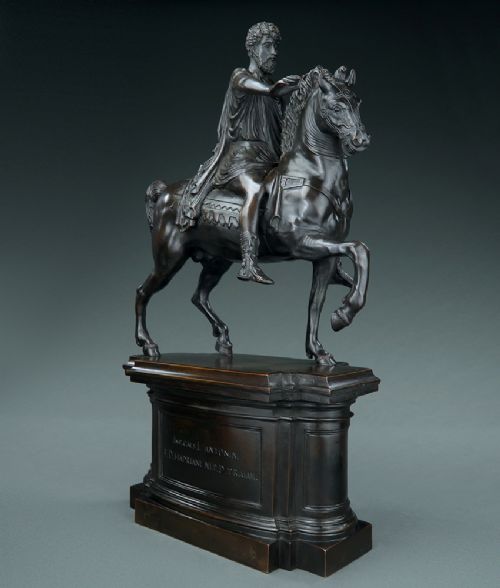
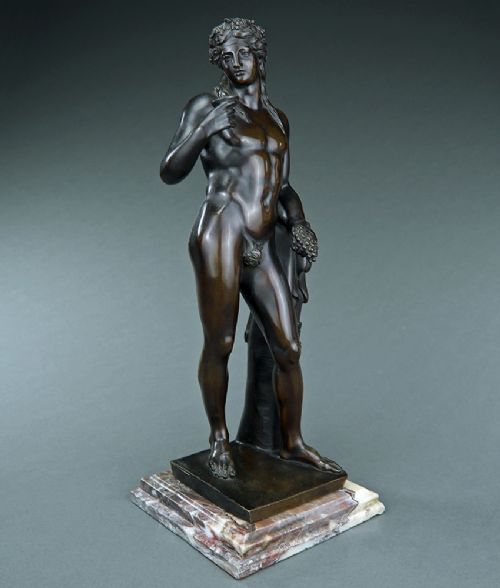
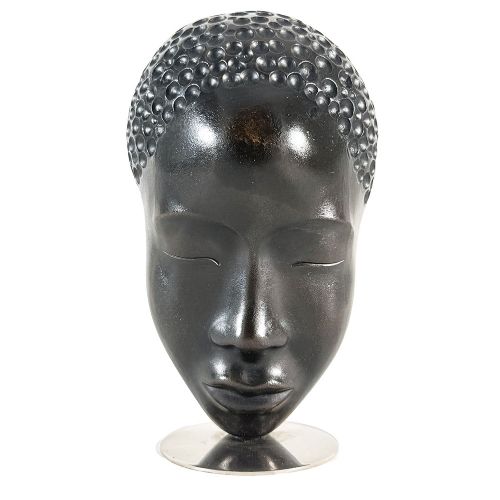
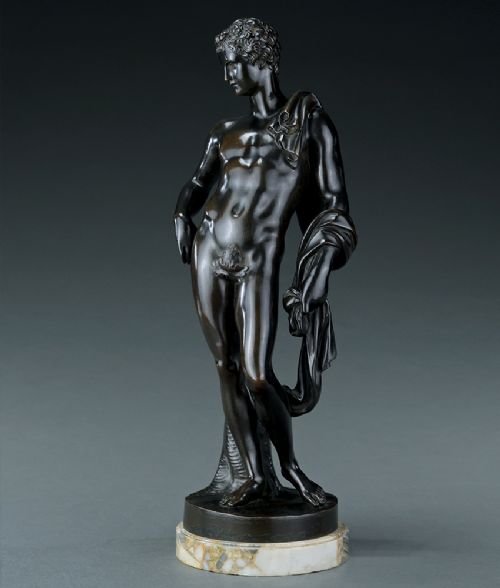

Dark Patinated Bronze Statue
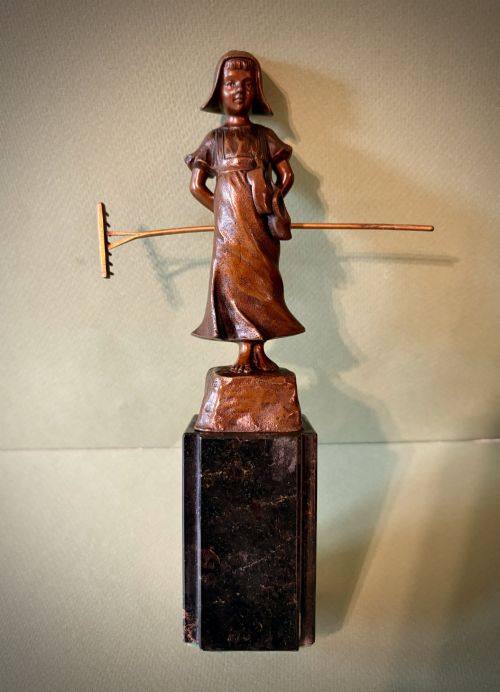
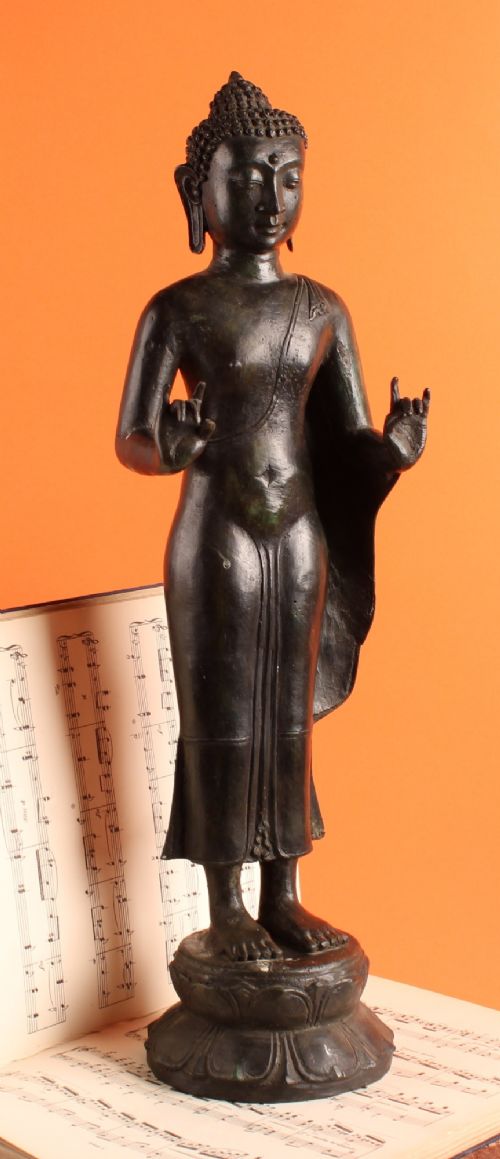
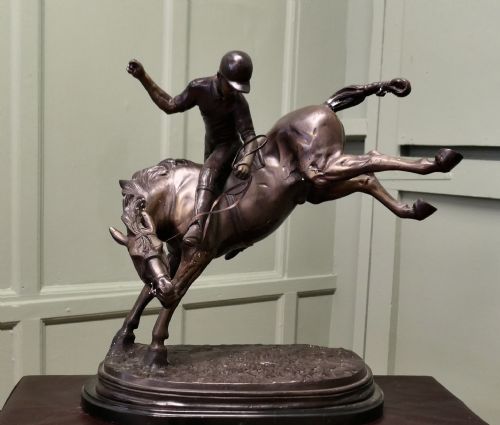
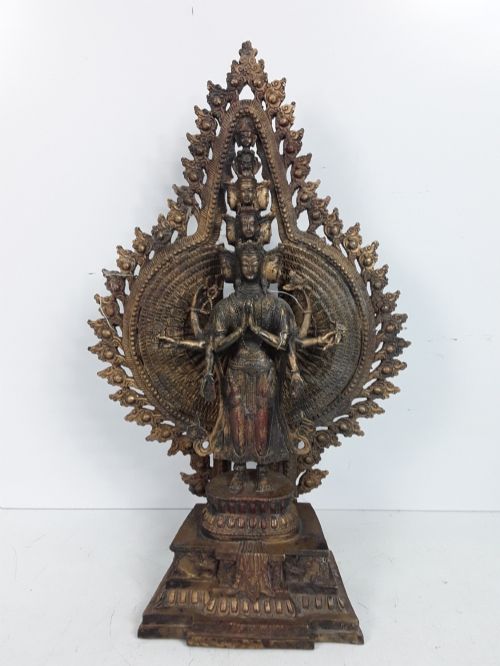
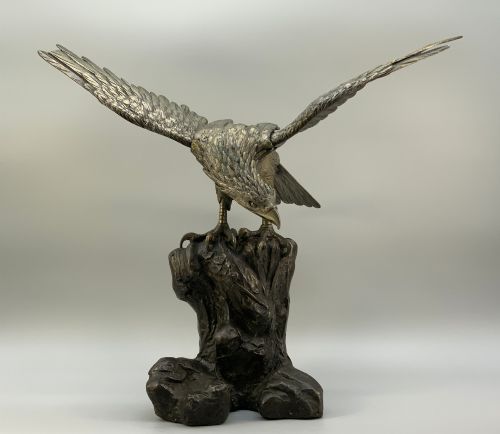
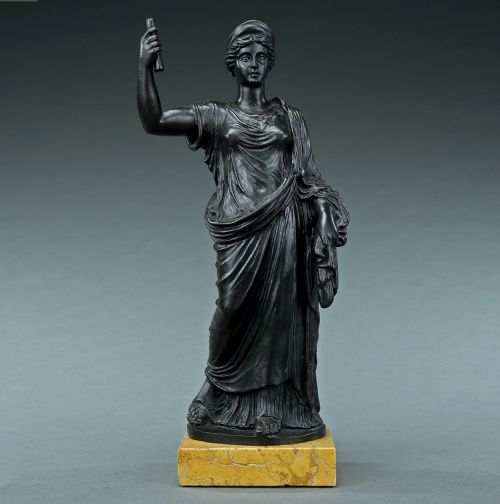
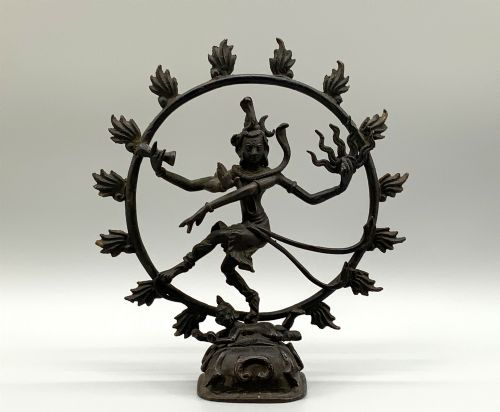
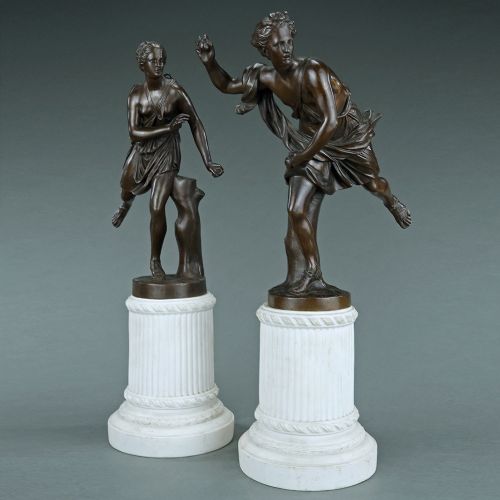
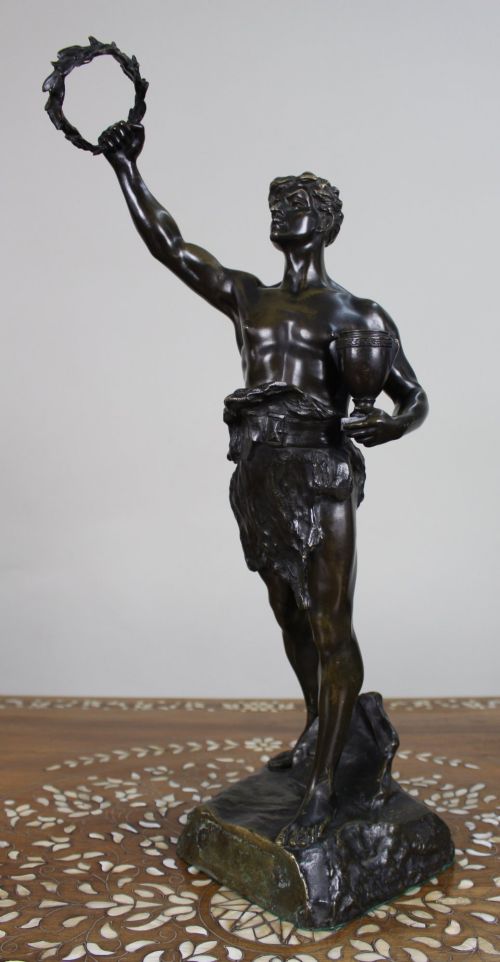
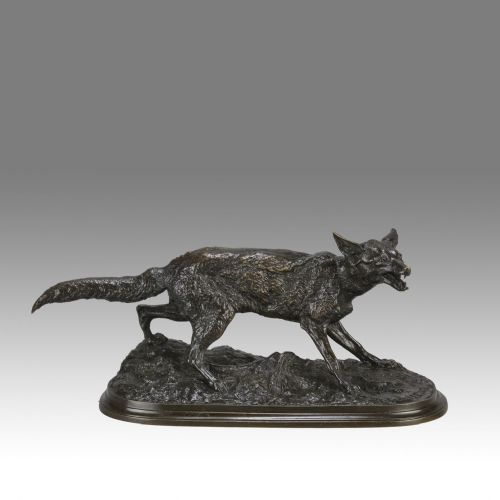
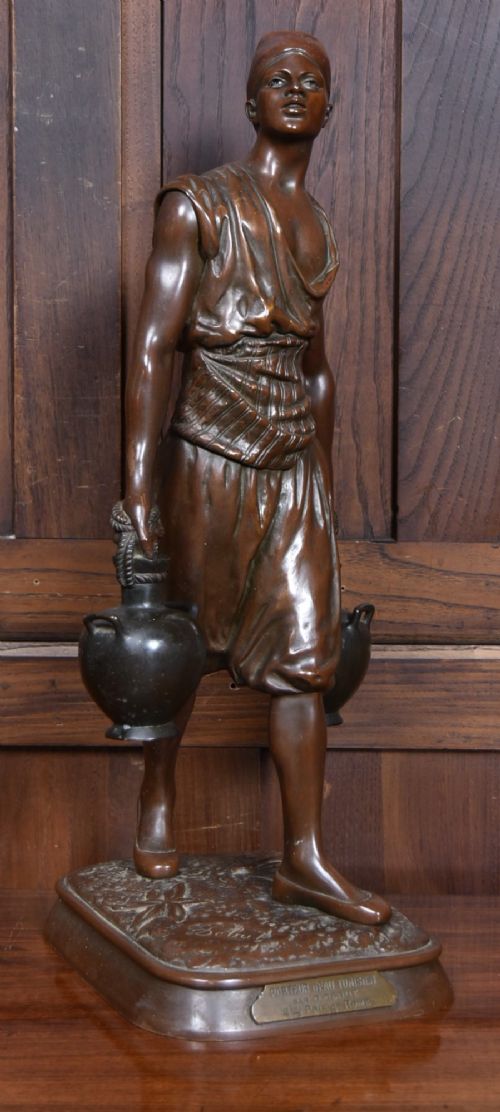
These pieces combine deep-toned metal with sculptural form, offering a dark patinated bronze statue that brings classical and animalier presence into a room.
Dark Patinated Bronze Statue
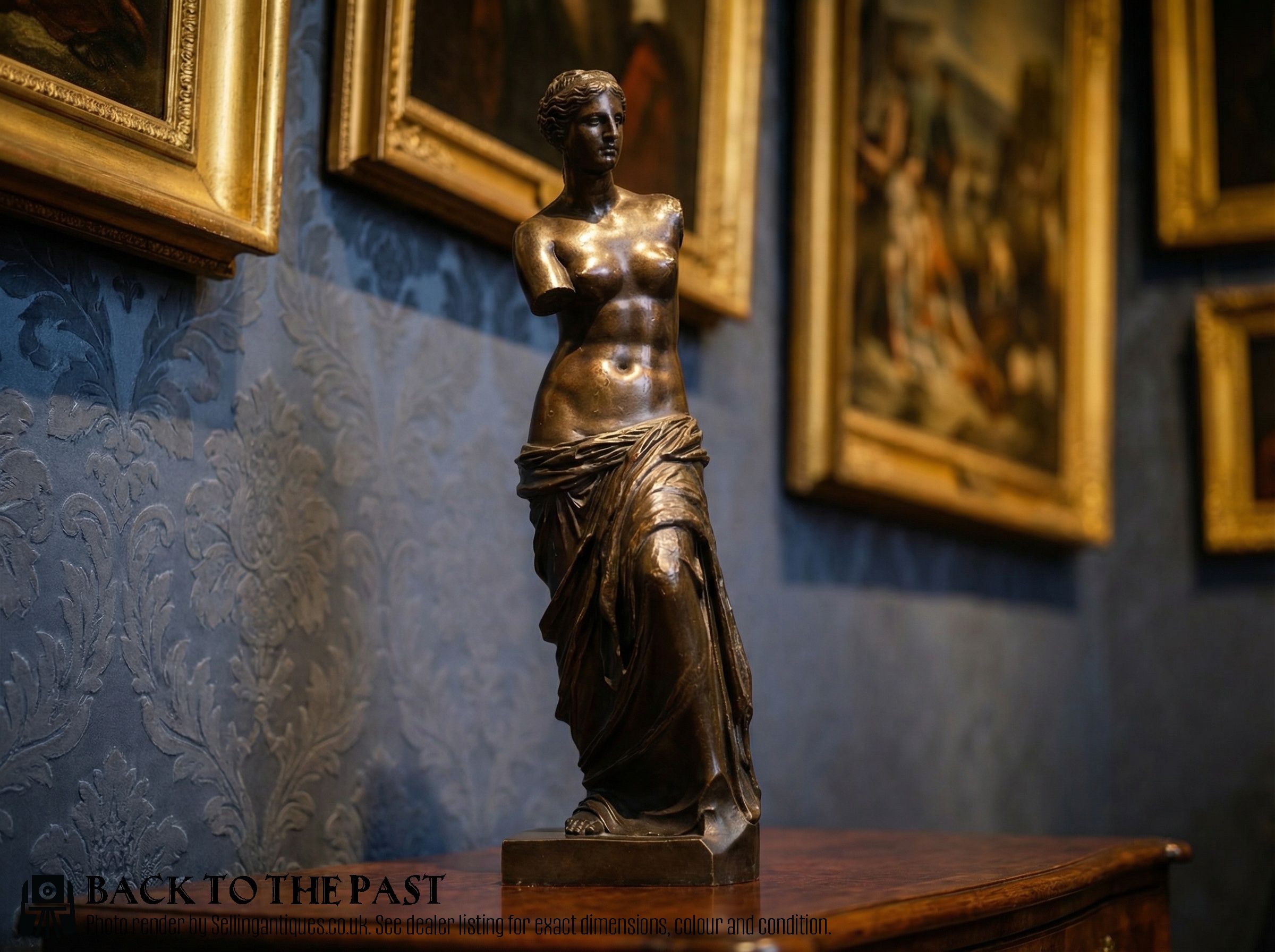
A dark patinated bronze statue represents a diverse grouping of cast metal figures, spanning mythological deities, historical personages, animals, and genre subjects. When exploring a dark patinated bronze statue, a buyer encounters forms ranging from grand classical reductions to Meiji period okimono and French animalier compositions.
The material vocabulary frequently incorporates bronze alongside complementary elements like marble bases, wood mounts, and slate plinths. Originating across nineteenth-century Europe and Asia, these sculptures document a widespread enthusiasm for classical antiquity, naturalism, and exoticism.
How they were made
The creation of these works relies upon metal casting techniques, primarily utilising bronze to achieve durable, highly detailed results. Chemical or thermal treatments are applied to the metal surface to produce the distinctive dark patina.
Many sculptures incorporate supplementary materials such as marble or black slate for their bases, providing stability and visual contrast to the dark metal.
A solitary bronze pig from nineteenth-century China stands among the classical heroes, ready to grunt its way through art history.
What varies in quality
The standard of a casting is visible in the crispness of detail, where finer examples retain subtle facial expressions, plumage, and musculature without softness or blurring. The depth and consistency of the chemical patination also contribute to the visual success of the surface.
The quality of the mount, whether a fitted marble base or an integrated plinth, demonstrates the care taken in the final presentation of the sculpture.
Ferdinand Barbedienne·P J Mêne·Émile Louis Picault·Christophe Fratin·Hamo Thornycroft
The Dark Patinated Bronze Statue Glossary
- Animalier
- A nineteenth-century artistic movement focused on the realistic depiction of animals, particularly predators, horses, and domestic beasts. Sculptors in this tradition studied anatomy closely.
- Patina
- The surface coloration and texture developed on metal through age or chemical application. In these pieces, dark patination is intentionally induced to enhance sculptural depth.
- Grand Tour
- A traditional trip through Europe undertaken by upper-class young men in the eighteenth and nineteenth centuries. Travellers frequently collected small bronze replicas of classical antiquities.
- Okimono
- A Japanese decorative figurine designed for display on a shelf or in a traditional alcove. These pieces often depict animals, figures, and scenes from daily life.
- Neoclassical
- A style inspired by the art and culture of classical antiquity, emphasising heroic subjects, symmetry, and restrained dignity.
Dark Patinated Bronze Statue: Frequently Asked Questions
Where should I display a bronze statue?
These sculptures suit stable, level surfaces away from direct moisture and extreme temperature fluctuations. Placing them on sturdy wooden or marble furniture allows the dark metal tones to stand out.
Ensuring adequate lighting helps reveal the fine surface details and the depth of the dark patination without exposing the piece to harsh direct sunlight.
How do I clean patinated bronze?
Dusting gently with a soft, dry cloth is usually sufficient for routine maintenance. Avoid using commercial metal polishes, abrasive cleaners, or water, as these can strip or damage the applied dark patina.
For stubborn dust in recessed areas, a soft-bristled artist brush can be used very lightly to clear the crevices without scratching the metal surface.
What periods do these bronzes come from?
The listings span from the seventeenth century through the nineteenth century and into the mid-twentieth century. Nineteenth-century production represents a significant portion of the available inventory.
Victorian, Edwardian, and Meiji period examples frequently appear alongside Grand Tour pieces and later twentieth-century interpretations.