


Bronze Equestrian Figure
These bronze equestrian figure pieces capture horse and rider or animal form with metalwork skill, offering tangible history for collectors.
Bronze Equestrian Figure
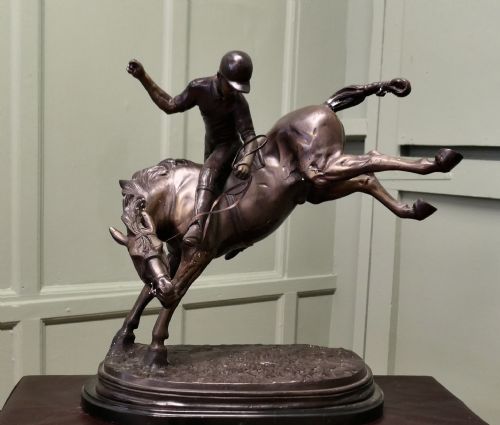
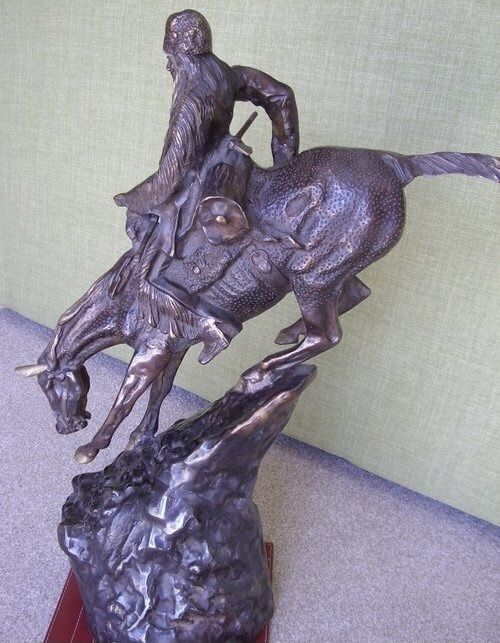
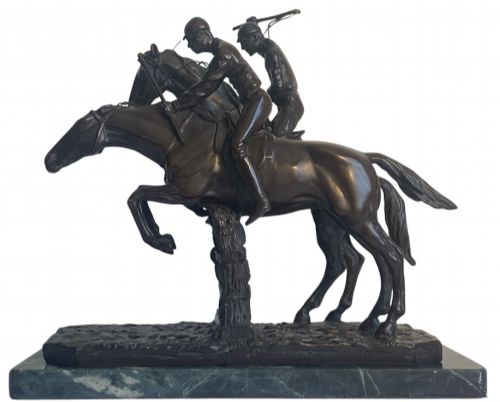
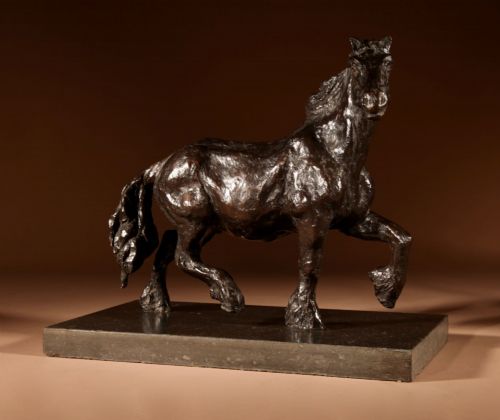
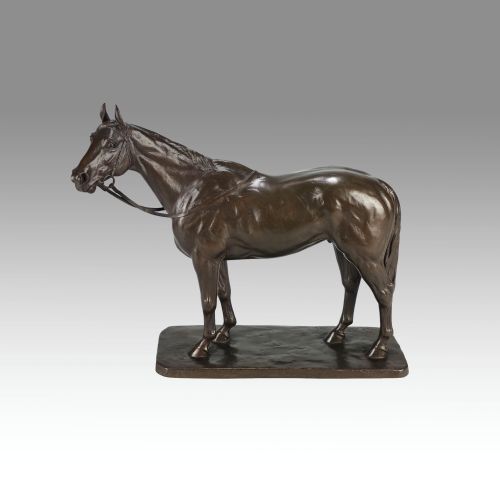
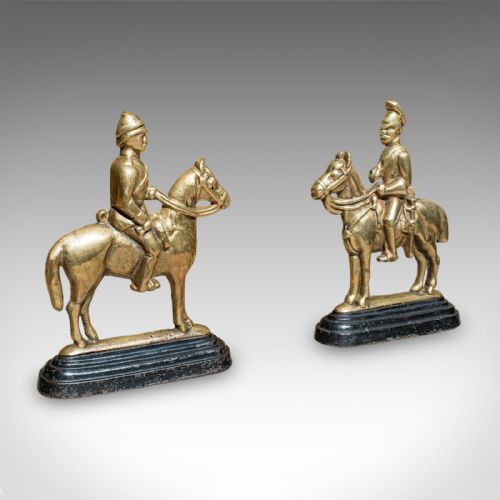
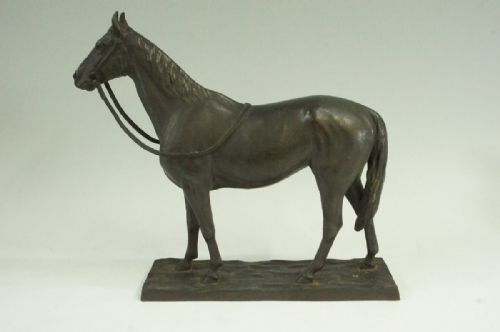
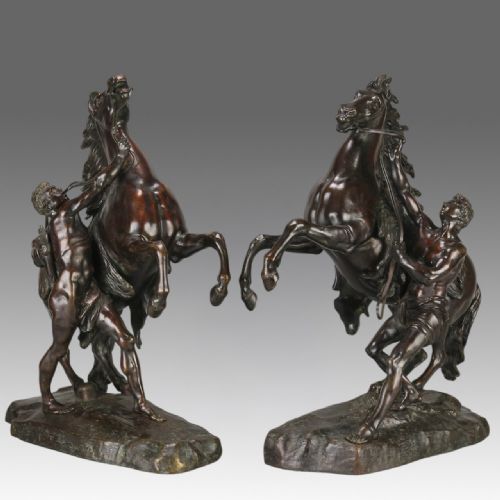
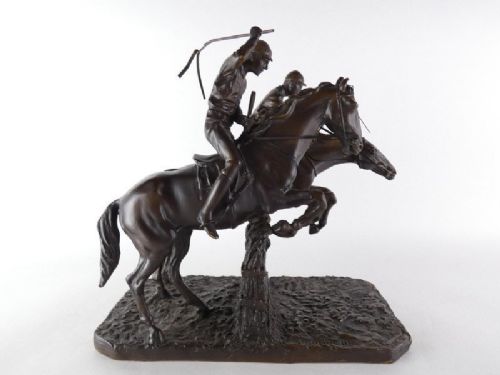
A bronze equestrian figure captures horses, riders, and historical scenes in cast metal, ranging from single stallions to complex hunting and racing groups. Buyers seek these pieces for their sculptural presence and detailed depiction of animal anatomy and human figures on horseback.
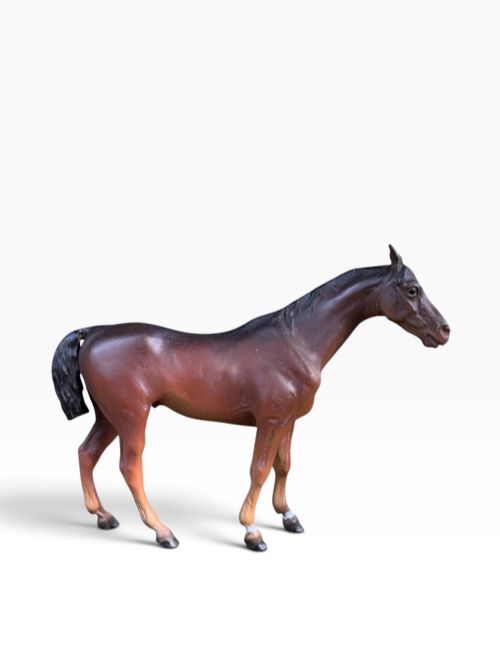
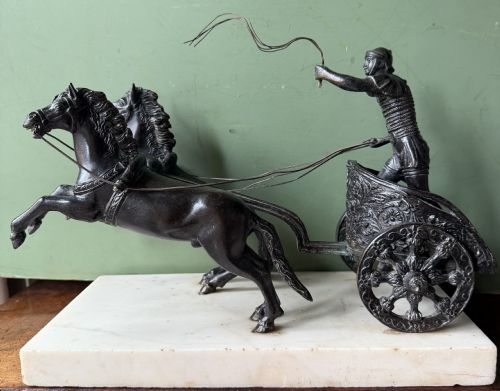
The selections available here span from nineteenth-century Animalier studies and Grand Tour souvenirs to early twentieth-century cold-painted Austrian works and Japanese foundry casts. These sculptures appear as standalone statues, bookends, and desk accessories mounted upon marble, stone, and wood bases.
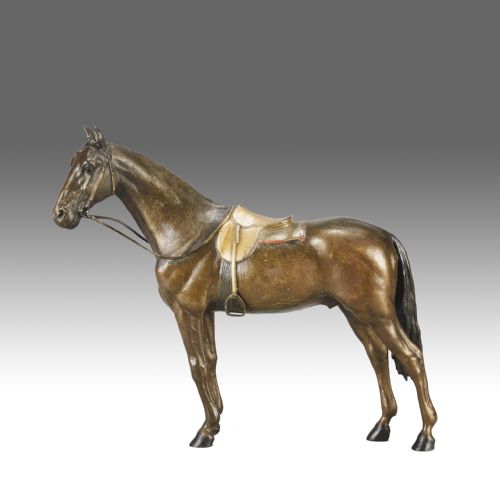
Originating across European and Asian workshops, the forms reflect periods such as the Victorian era, Art Deco, and neoclassical revivals. Collectors encounter subjects from French steeplechasers and Western cowboys to Japanese standing horses and classical charioteers.
Materials and casting methods
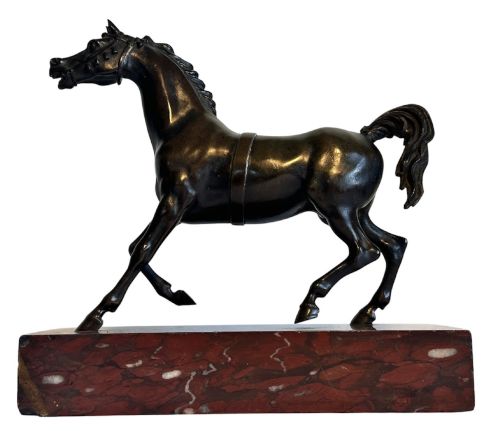
Foundries utilised bronze, patinated bronze, and gilt bronze ormolu, frequently pairing the cast metal with marble, brass, stone, paint, and wood plinths. Artisans applied cold-painting techniques to specific Austrian pieces to add surface colour directly onto the metal.
Sculptors worked through traditional casting methods to capture fine textures in manes, saddles, and musculature before finishing the surfaces with patination or gilding. Many works bear the signatures or style marks of notable artists and foundries from European and Japanese traditions.
Listings feature works in bronze, patinated bronze, and gilt bronze, frequently mounted on marble, stone, and wood bases across nineteenth and twentieth-century periods.
Markers of distinction
The refinement of the casting separates standard production from exceptional works, visible in the crispness of anatomical detail and the subtlety of the patina. Finer examples display meticulous chiselling after the cast, ensuring musculature, tack, and facial expressions remain sharp and defined.
The quality of the base material and the integrity of the mount contribute significantly to the piece. Heavy, well-fitted marble, stone, or wood plinths that securely anchor the metal sculpture indicate superior workshop production.
Franz Bergman·Kunio Itō·Isidore Jules Bonheur·John Willis Good·Pierre Jules Mêne·Bruno Zach
The Bronze Equestrian Figure Glossary
- Animalier
- A nineteenth-century artistic movement focused on the realistic depiction of animals. Sculptors in this style studied subjects in motion to capture accurate anatomical forms.
- Cold-Painted Bronze
- A technique where paint is applied to a bronze object without subsequent high-temperature firing. This method was widely used in Austrian workshops to create colourful surface decoration.
- Grand Tour
- A traditional trip through Europe undertaken by upper-class individuals in the eighteenth and nineteenth centuries. Souvenirs purchased on these journeys frequently included small bronze sculptures of classical monuments and horses.
- Ormolu
- Gilt bronze ornamentation mounted onto furniture or used for decorative statuettes. The technique involves applying a finely ground gold-mercury amalgam to bronze.
- Patination
- The chemical treatment or natural ageing process that colours the surface of bronze. Artisans control this process to produce brown, green, or near-black tones on sculpture.
Bronze Equestrian Figure: Frequently Asked Questions
What is an equestrian bronze?
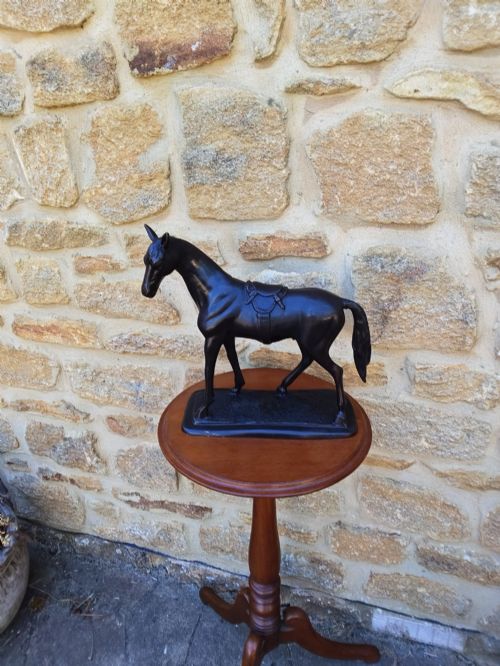
An equestrian bronze is a sculpture depicting a horse, often with a rider, cast in bronze metal. These pieces range from realistic animal studies to historical figures on horseback.
They function primarily as decorative art objects, desk accessories, or bookends. Collectors prize them for their artistic depiction of movement and anatomy.
How are Austrian cold-painted bronzes different?
Austrian cold-painted bronzes feature hand-applied paint directly onto the metal surface rather than fired enamels. This technique allowed workshops to create vivid, lifelike coloration on horses and figures.
These pieces require careful handling to preserve the delicate paint layers. Collectors value them for their charming detail and distinctive aesthetic.
What is a Grand Tour bronze?
Grand Tour bronzes were portable sculptures purchased by travellers touring European cultural sites during the nineteenth century. They often replicated famous monuments or classical sculptures like ancient horse statues.
These souvenirs served as educational keepsakes and decorative ornaments for home libraries. Their modest scale made them practical for transport.
How do I identify Animalier sculptures?
Animalier sculptures focus specifically on the realistic portrayal of animals in natural poses or action. This nineteenth-century French style emphasised accurate muscle structure and dynamic movement.
Artists observed animals in motion to ensure lifelike proportions in the final bronze cast. Signature marks on the base often point to prominent French sculptors of this movement.