




French Bronze Horse Sculpture
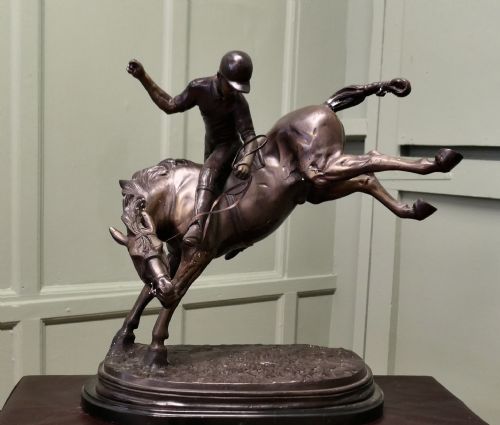
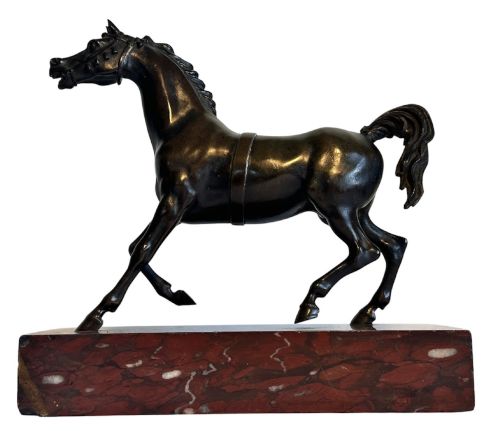
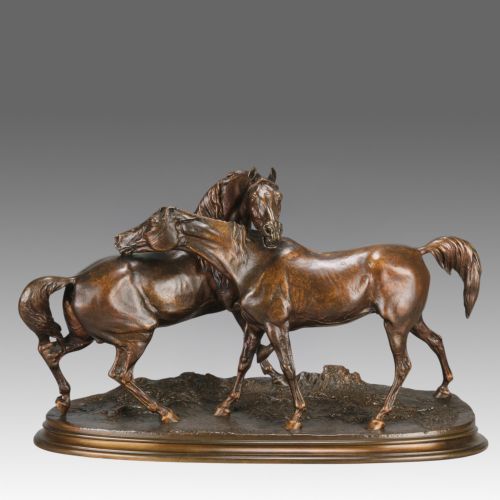
A French bronze horse sculpture captures the vigour and muscle of the animal through the skilled hands of nineteenth-century animalier masters.
French Bronze Horse Sculpture
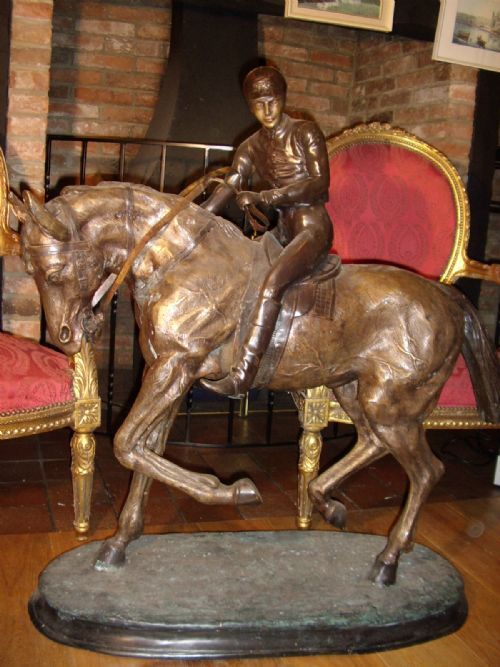
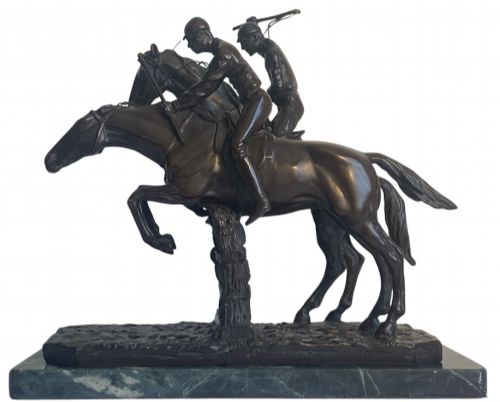
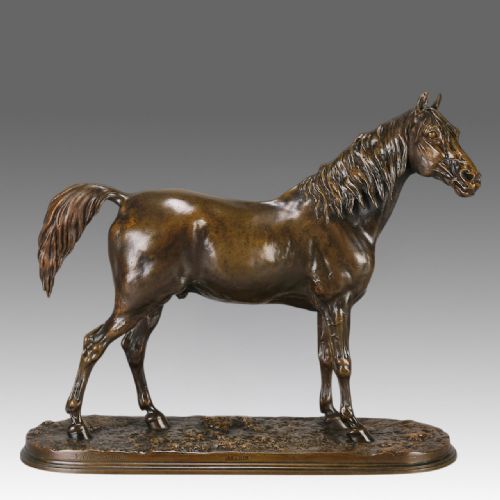
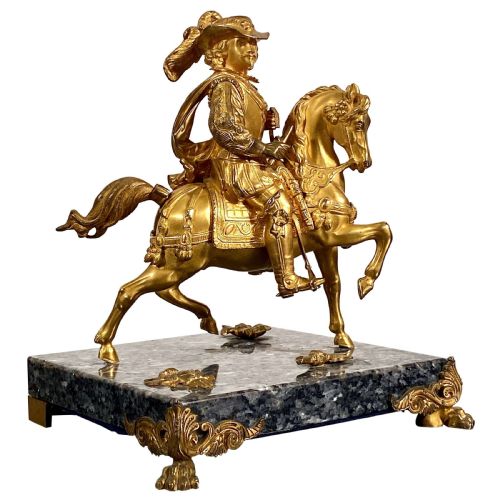
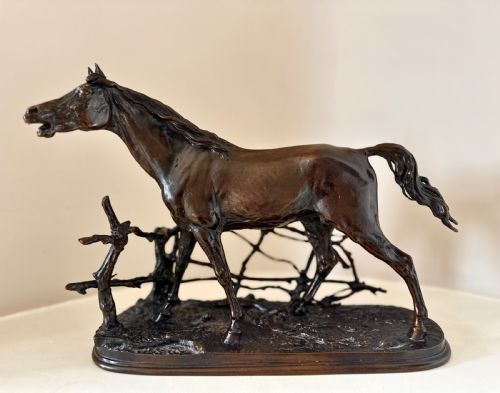
A French bronze horse sculpture brings nineteenth-century animalier art into domestic spaces, capturing stallions, mares, and racing subjects with anatomical precision. You will encounter many pieces mounted upon solid marble bases, reflecting the formal presentation typical of the period.
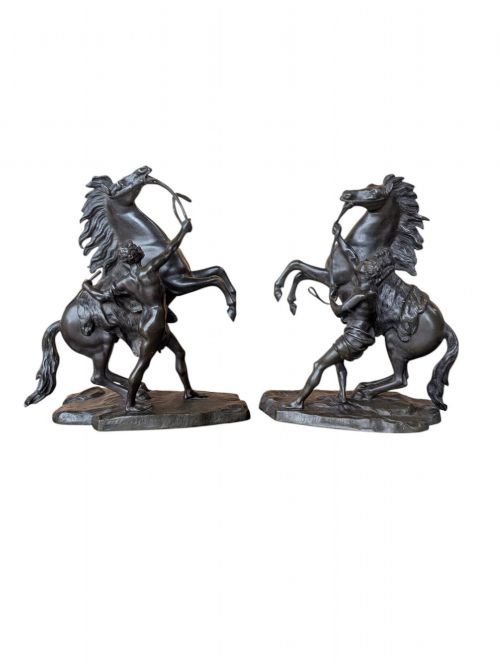
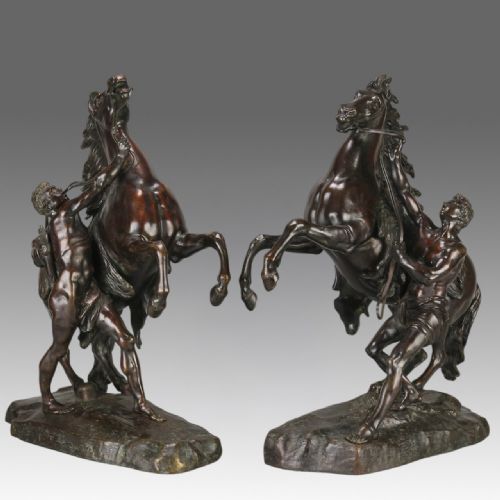
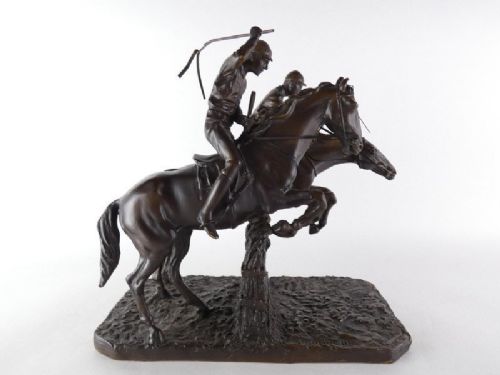
The subjects range from racing figures and steeplechase scenes to classical Marly horses after Coustou and historical figures on horseback. These works span from the mid-nineteenth century through to later twentieth-century iterations, preserving the dynamic movement of horses in foundry work.
Materials and Casting
Foundries utilised traditional bronze casting methods to capture fine details in mane, muscle, and harness, applying patinated, gilt, or ormolu finishes to the metal surface. Sculptures frequently paired cast bronze figures with contrasting green or black marble bases.
Makers achieved varied surface tones through chemical patination on the bronze, whilst some works incorporated silver plating or painted highlights to define uniforms and tack.
Evaluating the Cast
Signatures and foundry marks contribute to the standing of a piece, with named works by known sculptors demonstrating greater fidelity to original models than unsigned or later cast copies.
Pierre Jules Mêne·Jules Bonheur·Coustou·Charles Crozatier·E Drouot·Pierre Lenordez·Xavier Raphanel·Paul Joseph Gayrard·Barye·Guillemin·C H Valton
The French Bronze Horse Sculpture Glossary
- Animalier
- A nineteenth-century artistic movement focused on the realistic depiction of animals, particularly horses and hounds in action. Sculptors in this tradition studied anatomy closely.
- Patinated Bronze
- Bronze treated with chemical solutions to produce a specific surface colour, ranging from deep brown to near black. This finish protects the metal and defines sculptural details.
- Ormolu
- Gilded bronze produced by applying a mercury and gold amalgam to the metal base and heating it. The technique creates a rich, lasting golden sheen common on decorative clock mounts.
- Marly Horses
- Monumental marble sculptures of horse handlers commissioned for Louis XV, frequently reduced in bronze for nineteenth-century domestic display. They depict rearing horses restrained by grooms.
- Spelter
- A zinc alloy utilised as a less expensive alternative to bronze, often given a bronzed surface coating. It is softer and lighter than genuine bronze.
French Bronze Horse Sculpture: Frequently Asked Questions
What is an animalier bronze horse?
An animalier bronze horse is a nineteenth-century sculpture dedicated to capturing the realistic anatomy and dynamic movement of the animal. These works were created by specialised sculptors working primarily in France.
Subjects range from wild stallions and racing thoroughbreds to historical chargers and working farm horses. The focus remained entirely upon accurate observation of equine behaviour.
How do I identify a Marly horse sculpture?
Marly horse sculptures depict a rearing horse being restrained by an attendant or groom, derived from the famous monumental marble groups created for the French royal residence. They appear frequently in pairs.
These bronzes capture the struggle between man and beast, showing exaggerated muscle tension and expressive rearing postures. They were popular Grand Tour souvenirs and mantel ornaments.
What is the difference between bronze and spelter?
Bronze is a durable copper and tin alloy capable of holding exceptionally sharp chisel work and deep chemical patination. It represents the primary material used by leading nineteenth-century animalier sculptors.
Spelter is a softer zinc-based alternative that was often given a bronzed coating to imitate genuine metal. It is lighter in weight and more susceptible to surface wear over time.
How should I display a bronze horse on marble?
These sculptures suit placement on sturdy mantelpieces, desks, or low bookcases where the patinated surface catches the light. The heavy marble base provides natural stability for the sculpture.
Keep them away from direct heat sources and moisture to protect both the metal patination and the stone base. Dust gently with a soft cloth without using commercial polishes.