




Bronze Stallion Statue
A bronze stallion statue captures raw equine power in metal, offering a commanding sculptural presence for any room.
Bronze Stallion Statue
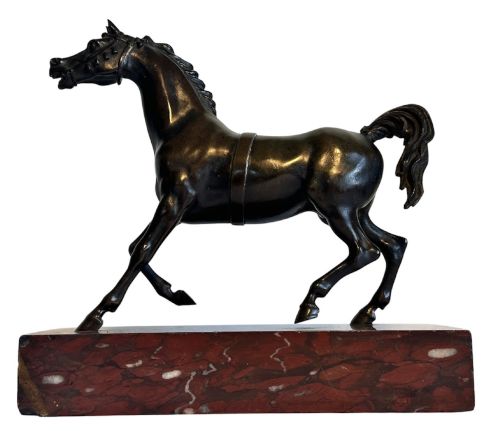
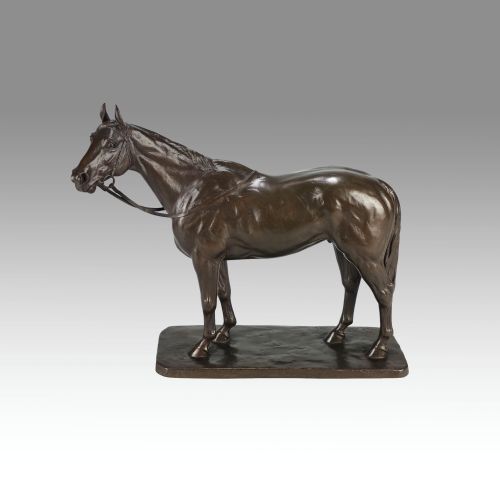
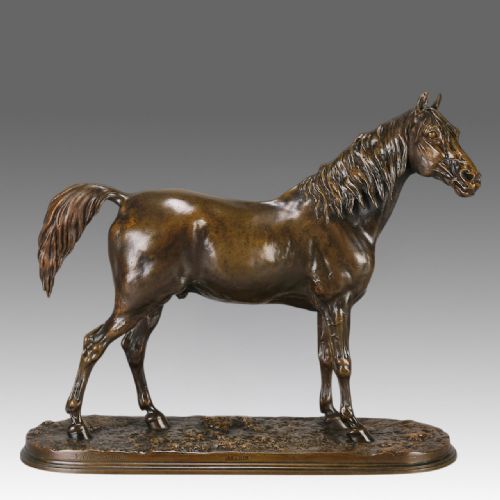
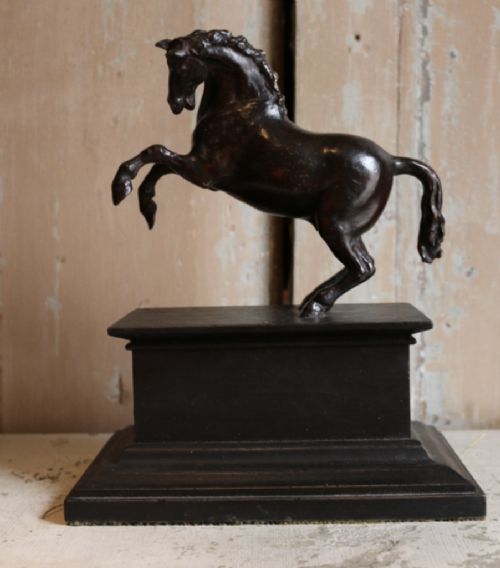
When you search for a bronze stallion statue, you encounter sculptures, mantel clocks, and desk figures spanning from the seventeenth century to the twentieth century. These works depict horses standing, rearing, or trotting, often mounted on heavy stone bases.
The nineteenth century provides the largest share of these pieces, heavily influenced by the French Animalier School and realism. You also find early twentieth century Japanese interpretations and later vintage works.
Forms range from compact cabinet bronzes to life size garden statues and functional clock cases incorporating equine figures. Each piece reflects the sculptor's study of muscle, movement, and anatomy.
How they were made
These works rely on traditional metal casting methods, utilising bronze that is frequently given a dark or nuanced patina. Artisans often mounted the finished metal figures onto bases of sienna marble, onyx, or wood to provide stability and contrast.
Sculptors shaped the metal to emphasise musculature and texture, capturing the coat and stance of the animal. Details such as reins, manes, and ground elements were hand-finished after the primary casting process.
Bronze Stallion Statue Retail Price Guide 2026
Typical asking prices for bronze stallion statue among the pieces listed under this phrase on Sellingantiques today, from the lower quarter to the upper quarter. They describe what is for sale here now, not the wider market.
Listings feature works from the seventeenth century through the mid twentieth century, rendered in patinated bronze, cast bronze, stone, and sienna marble.
What varies in quality
Quality rests in the fidelity of the casting and the sensitivity of the chisel work applied to the surface after metal leaves the mould. Superior examples display precise anatomical articulation in the muscles and tendons, whereas lesser pieces lose definition in the legs and head.
The choice of mounting material also distinguishes the tier of the piece, with richly variegated sienna marble or custom carved wooden bases indicating higher ambition than plain supports. The depth of the patina and the clarity of artist signatures or foundry marks further separate standard production from master works.
Kunio Itô·P J Mêne·Luigi Secchi & Muñoz·Philip Blacker·Pierre Jules·Charles Crozatier
The Bronze Stallion Statue Glossary
- Animalier
- A nineteenth century artistic movement focused on the realistic depiction of animals. Sculptors in this tradition observed wildlife and domestic beasts with rigorous anatomical precision.
- Patina
- The surface coloration and sheen developed on bronze through age or chemical treatment. This layer protects the metal and adds visual depth to the sculpture.
- Sienna marble
- A yellow and brown decorative stone quarried in Italy. It frequently forms the plinth or base for nineteenth century desk sculptures and mantel clocks.
- Cast bronze
- Metal poured into a mould to create a solid or hollow sculptural form. This process allows for intricate surface detail and durable construction.
Bronze Stallion Statue: Frequently Asked Questions
How do I clean a bronze sculpture?
Dust the surface gently with a soft, dry brush to remove particles without disturbing the underlying patina.
Avoid using water, chemical solvents, or metal polishes, as these substances can strip the historic finish from the bronze.
Where should I place a heavy marble base?
Support the piece on sturdy furniture such as a sideboard, desk, or mantelpiece that can bear the substantial weight of stone and metal.
Keep the sculpture away from direct heat sources and strong sunlight to protect both the metal patina and the stone mount.
How can I tell the age of the bronze?
Examine the casting method, the style of the signature, and the wear patterns on the base and metal surface. Nineteenth century pieces often show specific Animalier foundry practises and rich, stable patination.
Compare the artistic style, such as Art Deco or seventeenth century Baroque, with documented periods of production to narrow down the decade.
What is an Animalier bronze?
An Animalier bronze is a nineteenth century sculpture created by an artist specialising in realistic animal studies. These works focus on the natural movement and physical power of creatures like horses and lions.
French ateliers popularised this genre, producing numerous tabletop bronzes that captured animals in dynamic or resting poses.