



Classical Equestrian Bronze
A classical equestrian bronze captures the power of the horse and rider through enduring metal, offering a sophisticated focal point for any mantel or desk.
Classical Equestrian Bronze
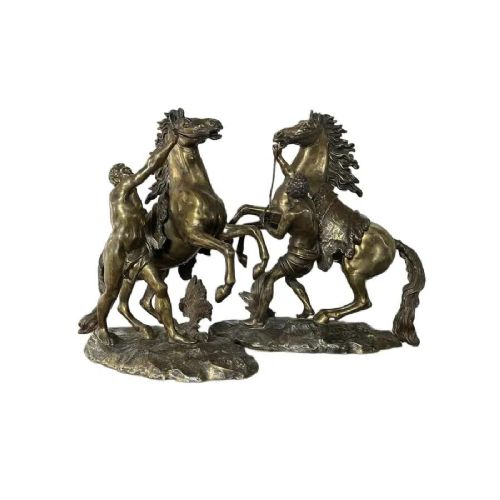
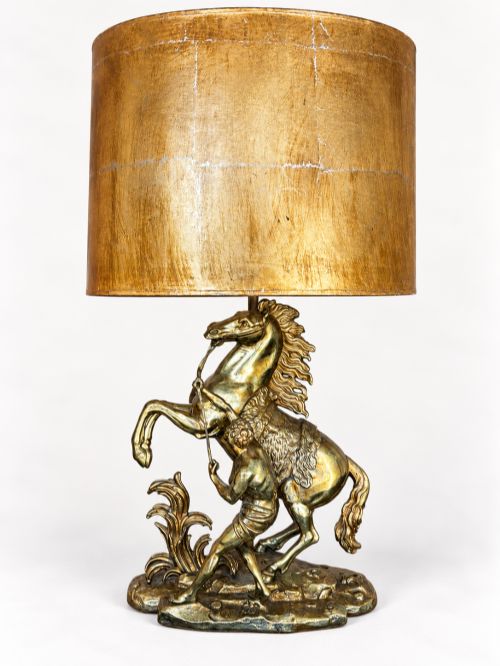
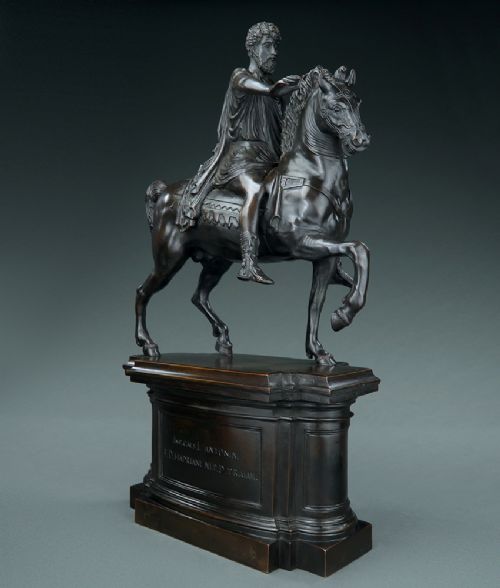
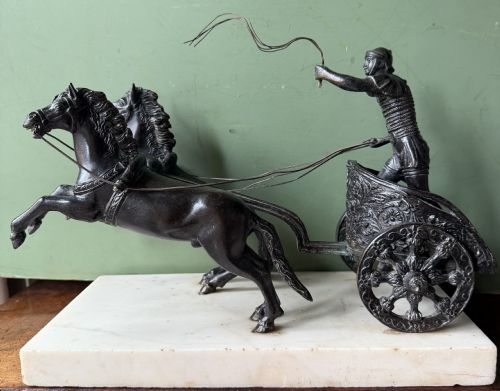
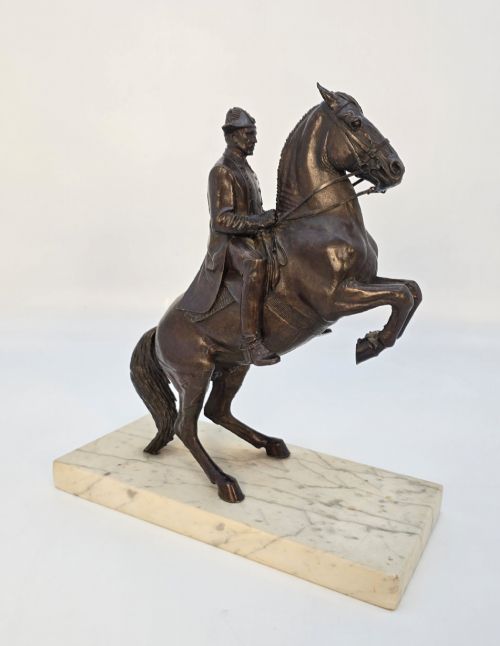
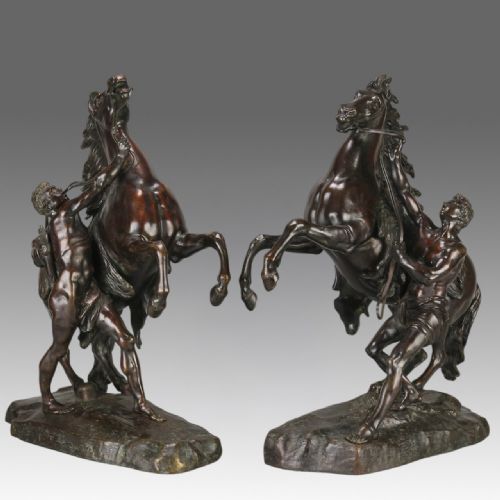
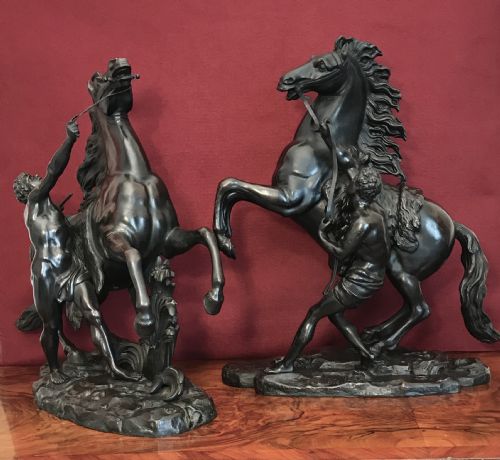
A classical equestrian bronze represents horse and rider figures or sculptural animal studies created during periods such as the Victorian era, the nineteenth century, and the mid twentieth century. These works frequently draw upon historical motifs, including the famous Marly Horses after Coustou, Italian Grand Tour souvenirs of charioteers, and Renaissance subjects like Colleoni after Verrocchio.
Buyers encountering this selection will discover various forms, ranging from standalone animal sculptures and matched pairs to functional items like sienna marble mantel clocks and unusual sculptural fragments such as a bronze nostril. Materials extend beyond metal alone, incorporating combinations of bronze, marble, and wood bases alongside patinated and gilded finishes.
The aesthetic leans heavily towards French Neoclassical, Academic Realism, and Grand Tour traditions, reflecting both classical antiquity and later nineteenth-century revival movements. Each piece demonstrates the enduring appeal of equine subject matter rendered in cast metal.
How they were made
Foundries produced these classical equestrian bronze sculptures using traditional metal-casting techniques, applying patination or gilding to achieve the desired surface colour and finish. The resulting bronze figures were often mounted upon heavy plinths or bases made from white marble or sienna marble to provide stability and visual contrast.
Makers integrated mixed media where appropriate, combining cast metal with stone or wooden components, particularly in architectural or decorative objects such as mantel clocks. Surface details were refined by hand after casting to accentuate the musculature of the horse and the posture of the rider.
Classical Equestrian Bronze Retail Price Guide 2026
Typical asking prices for classical equestrian bronze among the pieces listed under this phrase on Sellingantiques today, from the lower quarter to the upper quarter. They describe what is for sale here now, not the wider market.
One standalone offering is simply a bronze nostril salvaged from a larger equine statue.
What varies in quality
The integration of the sculpture with its mounting also dictates overall merit, as works paired with substantial sienna or white marble plinths demonstrate greater material ambition. The depth and stability of the patination or the richness of the gilded bronze finish further distinguish the hierarchy of these works.
Charles Crozatier·Coustou·Verrocchio
The Classical Equestrian Bronze Glossary
- Patinated bronze
- Bronze that has been treated chemically or thermally to produce a specific surface coloration, often ranging from deep brown to dark green. This treatment protects the metal and enhances sculptural depth.
- Grand Tour
- A traditional trip through Europe undertaken by upper-class young men in the eighteenth and nineteenth centuries to study classical art. Souvenirs from these journeys included small-scale bronzes of famous monuments and sculptures.
- Sienna marble
- A yellow-gold decorative marble variety featuring dark purple or grey veining, frequently quarried in Italy. It provides a luxurious contrasting base for nineteenth-century mantel clocks and bronze sculptures.
- Gilded bronze
- Metal coated with a thin layer of gold or gold leaf through fire-gilding or electroplating methods. This technique imparts a brilliant metallic sheen that resists tarnishing.
- Marly Horses
- A famous pair of monumental marble sculptures created by Guillaume Coustou for Louis XV at the Château de Marly. Reduced bronze copies of these rearing horses became popular decorative subjects during the nineteenth century.
Classical Equestrian Bronze: Frequently Asked Questions
What is a Grand Tour bronze?
A Grand Tour bronze is a small-scale nineteenth-century souvenir purchased by travellers visiting classical sites and museums across Europe, particularly Italy. These portable pieces allowed collectors to bring home representations of famous public monuments and classical sculptures.
They served as both educational mementos and decorative cabinet pieces for Victorian homes, capturing the aesthetic ideals of antiquity in manageable metal formats.
How do I identify Marly Horses?
Marly Horses depict a spirited horse being restrained by an attendant, mirroring the famous monumental sculptures originally commissioned for the French royal residence. They are recognised by the dynamic, rearing posture of the animals alongside the straining musculature of the groom.
Copies and reductions in bronze were widely produced during the nineteenth century, maintaining the theatrical tension and classical proportions of the original stone monuments.
Why are some bronzes mounted on marble?
Mounting bronze sculptures on marble plinths or bases added architectural weight and visual contrast to decorative objects. White marble and sienna marble were chosen for their smooth texture and rich colouration.
This practice elevated the status of the bronze, transforming a simple metal cast into a finished sculptural object suitable for display on a desk, mantelpiece, or cabinet.
What period do these bronzes come from?
The pieces span the nineteenth and twentieth centuries, encompassing Victorian production, Academic Realism, and mid-century items. Many draw inspiration from earlier classical and Renaissance works.
Stylistic markers such as patination methods, base construction, and foundry techniques help distinguish between mid-nineteenth-century examples and later interpretations.