

Antique Equestrian Decor
Antique equestrian decor brings the field and stable indoors through oil paintings, bronzes, and practical harness gear.
Antique Equestrian Decor
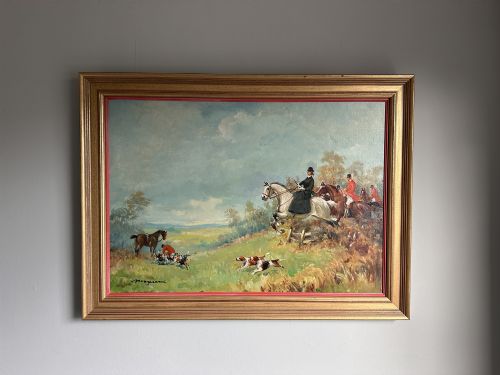
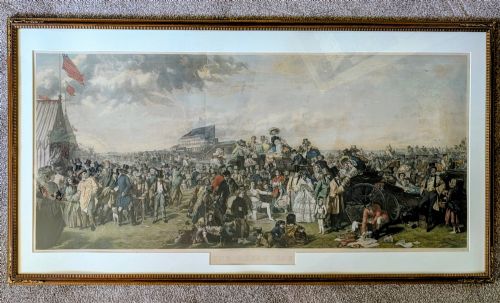
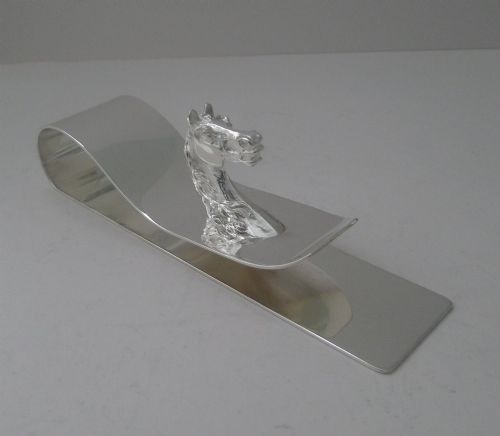
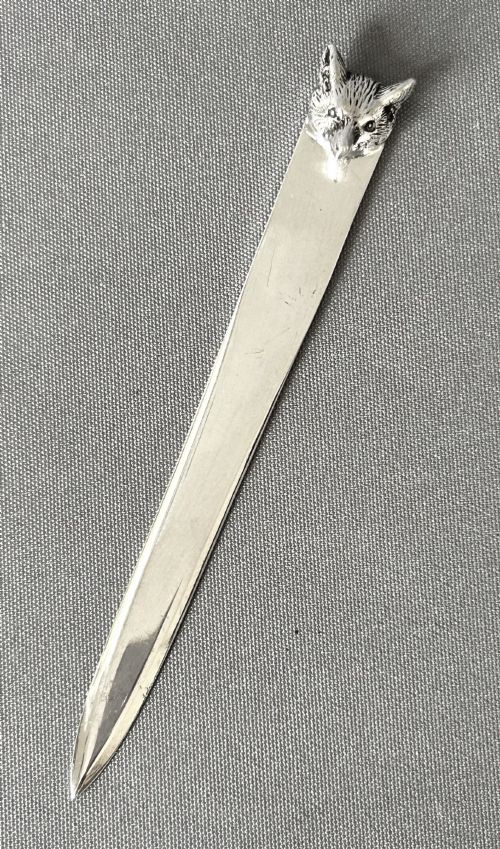
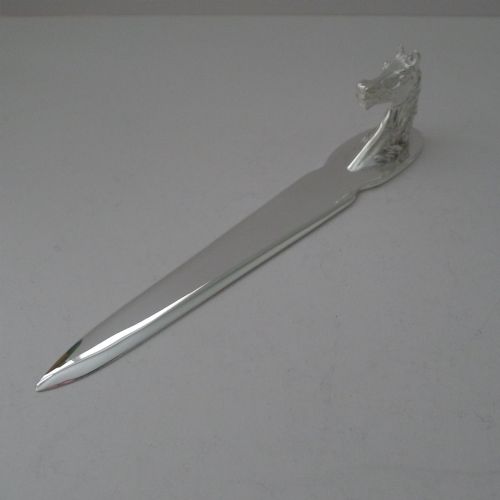
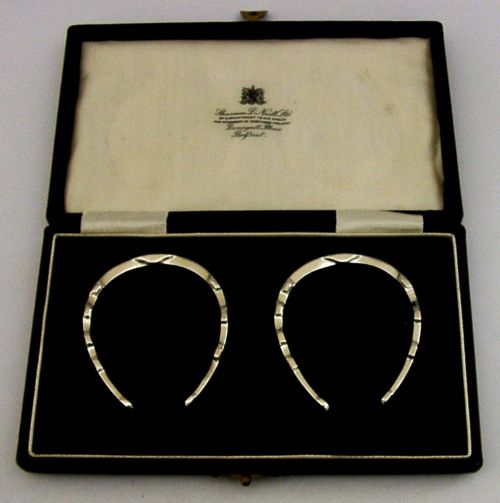
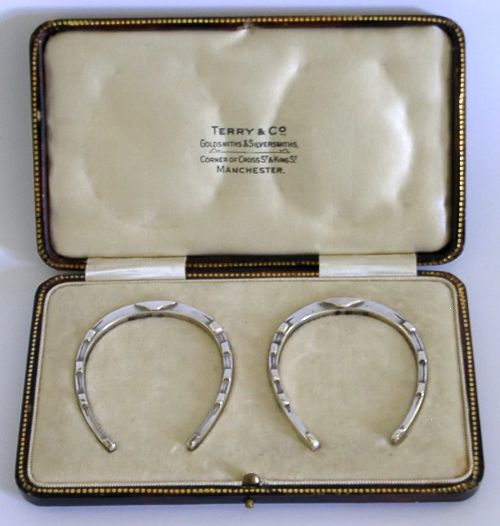
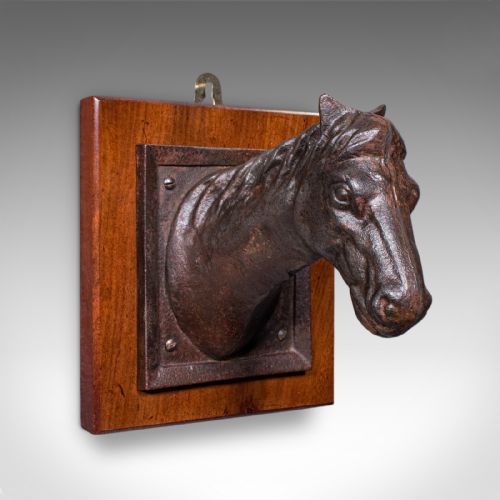
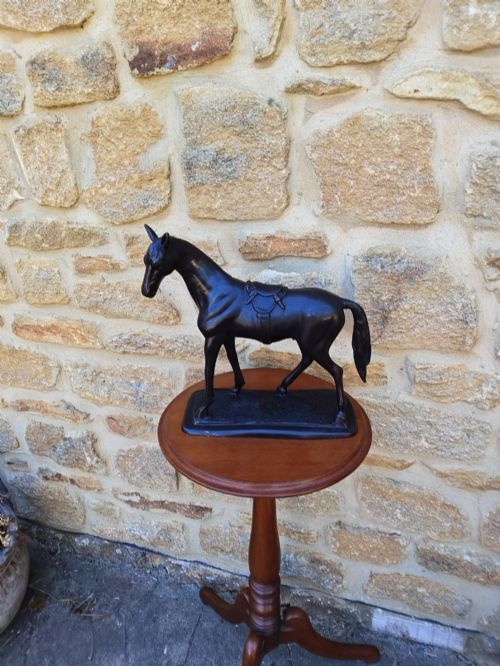
Antique equestrian decor encompasses a broad range of items celebrating horses, racing, hunting, and country life through art and functional objects. When searching for antique equestrian decor, buyers encounter everything from large oil paintings and framed prints to cast iron coat hooks, doorstops, and silver napkin rings.
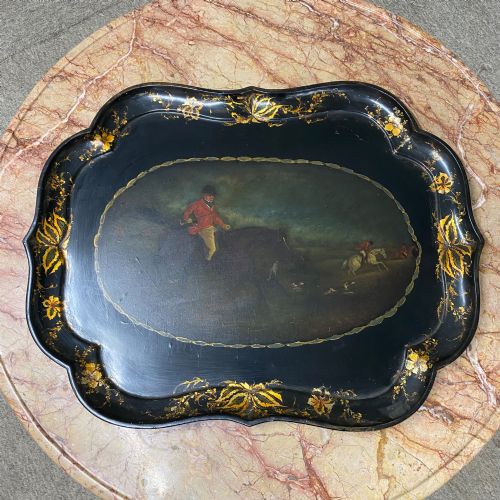
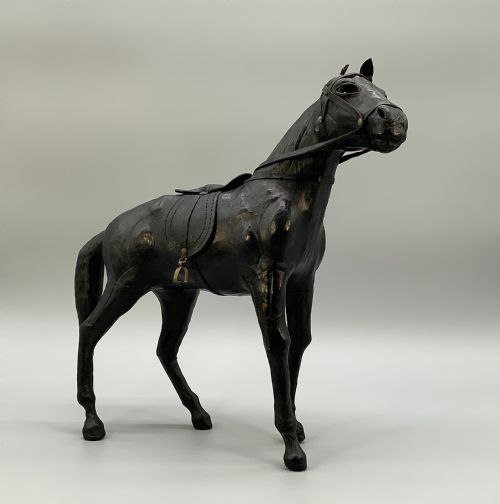
The selection frequently highlights Victorian and Edwardian pieces alongside works from the Georgian and mid-century periods. Common material forms include oil on canvas, carved wood, cast iron, bronze, brass, leather, and sterling silver.
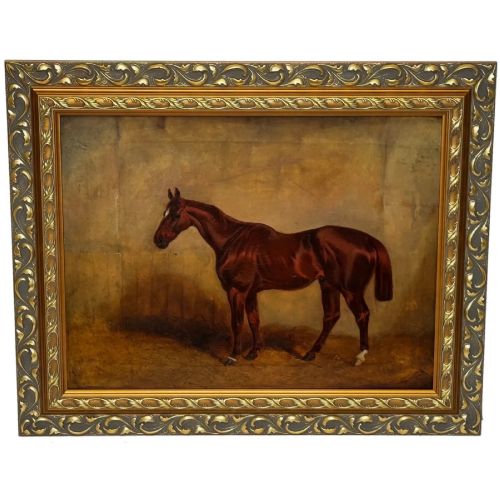
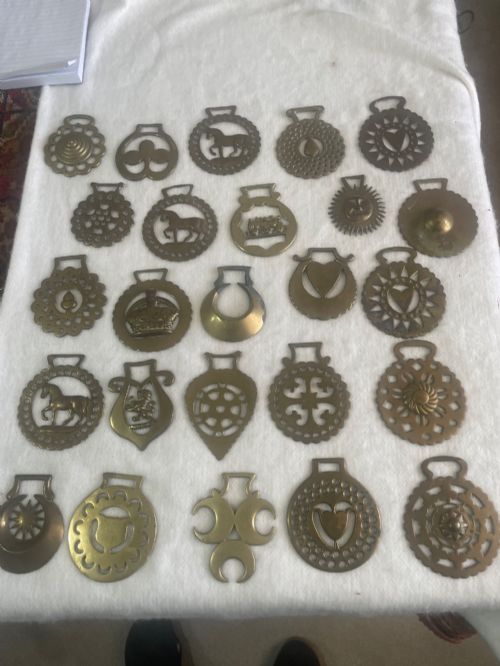
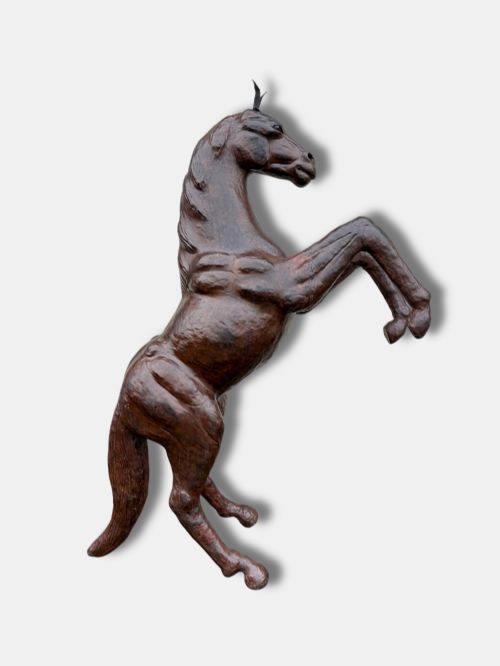
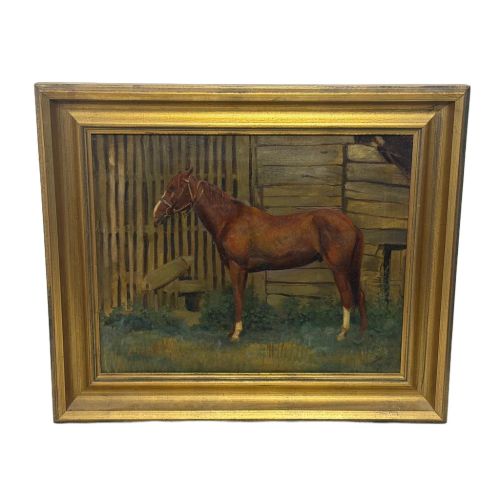
Wall art and sculptures dominate the offerings, spanning detailed studies of racehorses, hunting scenes, and portraits of individual animals. Practical items such as leather boots stretchers, horse brass martingales, and hunting whips also represent the category.
How They Were Made
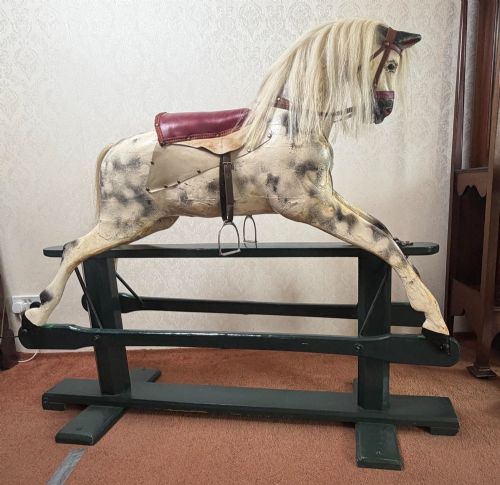
The physical pieces rely heavily on traditional metalworking and woodworking techniques, utilising cast iron, carved wood, brass, and sterling silver for structural objects like doorstops, napkin rings, and rocking horses. Artisans shaped metals through casting and hammering, while woodworkers carved solid timber for furniture and animal figures.
Painted works employ traditional media including oil on canvas, pastel on paper, and chalk drawings, framed in wood or gilt settings. Glass and ceramic items incorporate hand-blown glass and pottery moulding decorated with hand-painted enamel scenes.
Antique Equestrian Decor Retail Price Guide 2026
Typical asking prices for equestrian decor among the pieces listed under this phrase on Sellingantiques today, from the lower quarter to the upper quarter. They describe what is for sale here now, not the wider market.
A wooden rocking horse retains its original rocker, ready to gallop across the nursery floor once more.
What Varies in Quality
Quality in these pieces rests upon the precision of execution in the artistic rendering or the sturdiness of craftsmanship in utilitarian items. Fine art demonstrates a skilled command of anatomy, light, and movement, distinguishing works by named artists or capable studio hands from mass-produced decorative prints.
Material integrity dictates the standing of physical objects, separating solid sterling silver, cast bronze, and heavy cast iron from lighter plated or composite substitutes. Original components, such as wooden rockers on horses or authentic leather on whips and boots, preserve the historical validity of the piece.
Hermes Paris·Albert Clark·Edwin Henry Landseer·Pierre Lenordez·John Frederick Herring Jnr·Basil Nightingale·William Williams
The Antique Equestrian Decor Glossary
- Aquatint
- A printmaking technique that produces tonal effects by using acid to etch the copper plate before printing. This method allowed artists to create subtle gradations resembling watercolor drawings in sporting prints.
- Martingale
- A strap or set of straps used to control a horse's head carriage, often decorated with brass ornaments. These brass plaques were frequently collected and displayed as decorative wall hangings.
- Coaching Horn
- A long brass or copper horn sounded by coachmen to signal arrival or clear the road. These instruments reflect the operational era of horse-drawn public transport.
- Equine
- Pertaining to horses. The term describes the primary subject matter of paintings, bronzes, and artefacts found in this category.
Antique Equestrian Decor: Frequently Asked Questions
What periods do these pieces come from?
The available pieces span multiple centuries, with significant representation from the Victorian and Edwardian eras, alongside Georgian items and mid-century works.
Earlier examples date back to the eighteenth century, showing how equestrian themes persisted through shifting artistic movements and interior design trends.
How were cast iron horse pieces used?
Cast iron items served practical functions around stables, country houses, and streets rather than merely acting as decoration.
Objects such as hitching posts, doorstops, and coat hooks utilised the heavy metal to withstand daily wear in active environments.
Are the oil paintings signed?
Many of the oil paintings and works on paper carry signatures or attributions to specific artists and historical painters.
Others are created in the manner of notable sporting artists or produced anonymously while maintaining period techniques and subjects.