


Bronze Sculpture of Horse
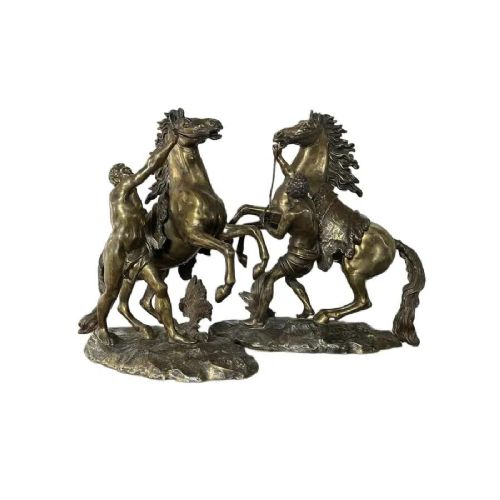
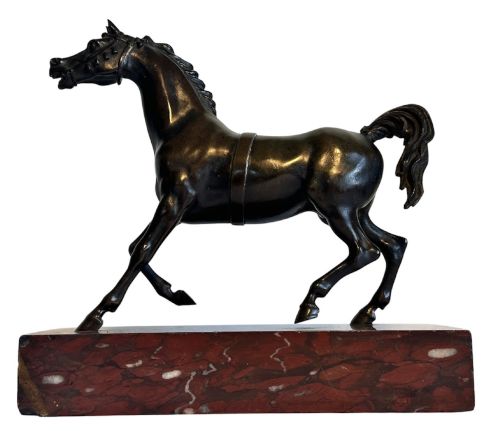
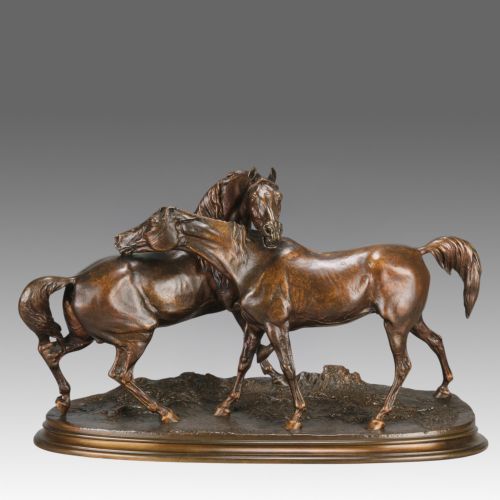
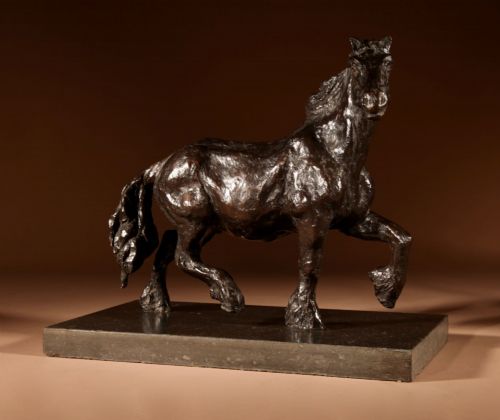
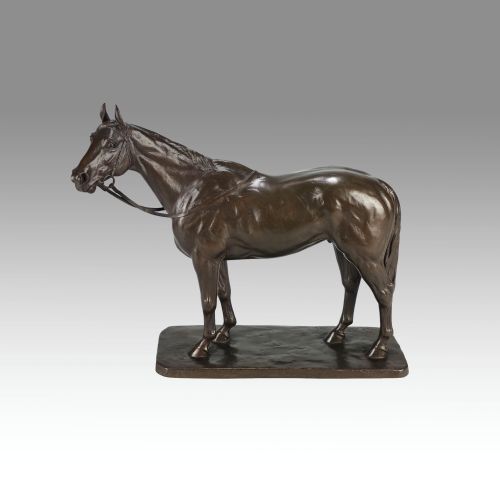
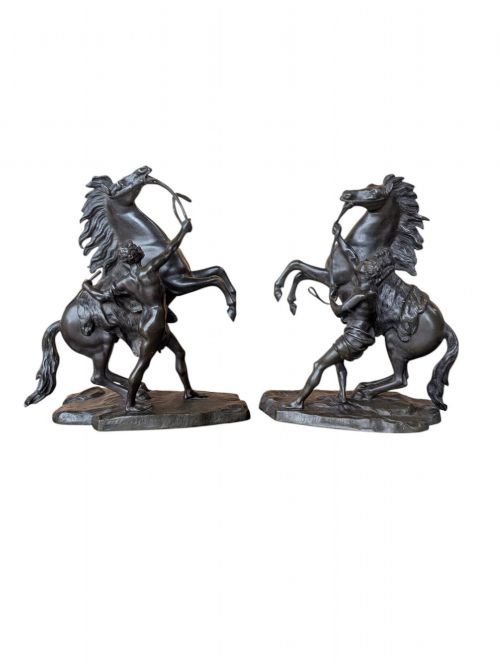
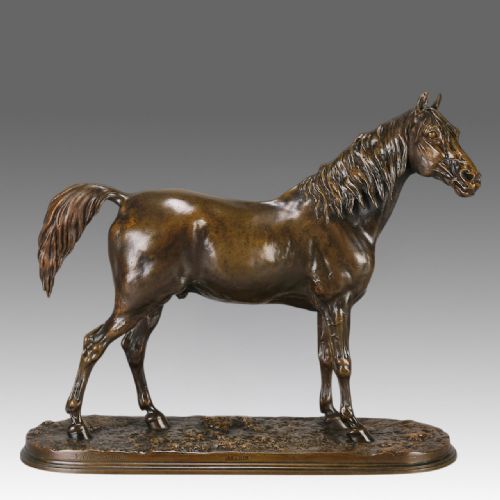
A bronze sculpture of horse captures power and motion in cast metal, ranging from French animalier realism to classical Grand Tour subjects.
Bronze Sculpture of Horse
A bronze sculpture of horse brings together nineteenth and twentieth-century metal casting traditions, focusing on equine subjects from racing and hunting to classical portraiture. Pieces span compact desk ornaments and mantel figures to substantial floor-standing statues mounted upon marble bases.
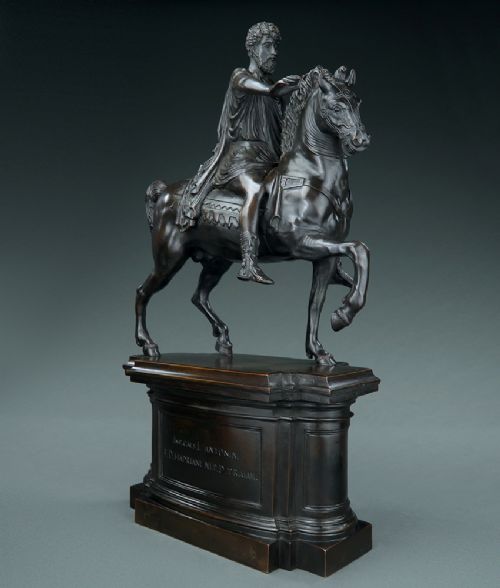
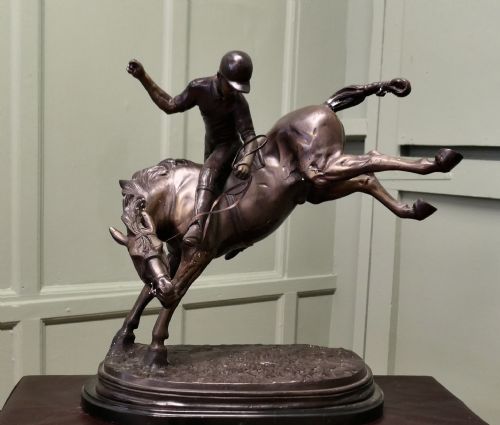
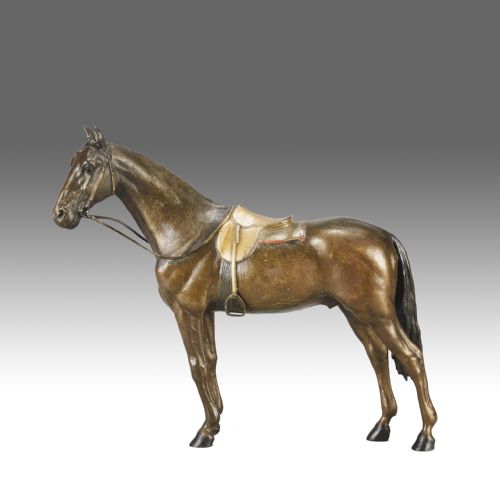
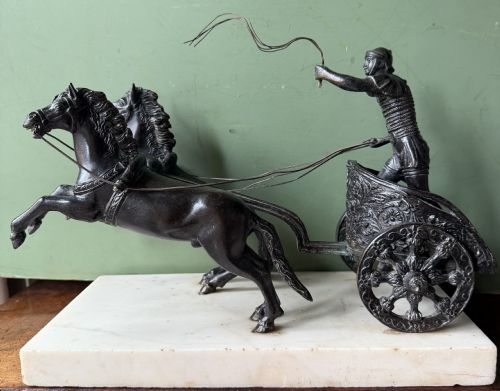
French animalier works and Italian Grand Tour souvenirs dominate the selection, alongside Japanese Meiji period castings and Austrian cold-painted examples. Buyers encounter everything from spirited polo players and steeplechase racers to calm draft animals and rearing stallions.
How they were made
Foundries utilised traditional lost-wax casting methods or sand casting to capture fine muscle detail and harness equipment in molten metal. Artisans finished the raw castings with chisels and files before applying patinated surfaces, cold paint, or gilt ormolu.
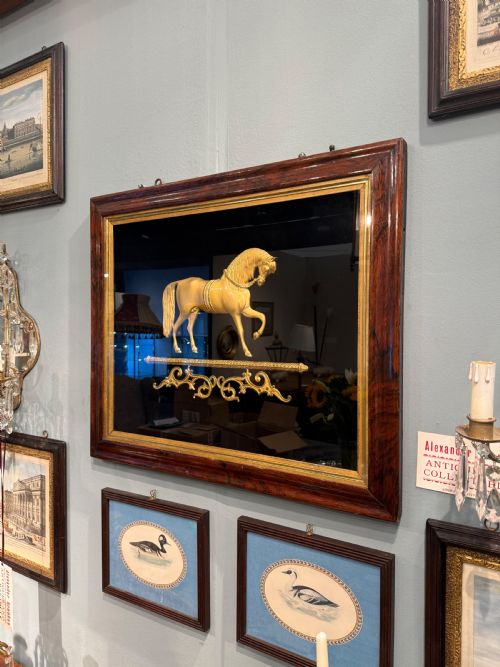
Many sculptures incorporate secondary materials such as white marble, olive wood, stone, or painted wood bases to support the weight of the bronze figure. Selected pieces combine brass elements with dark patination or polychrome paint layers.
Bronze Sculpture of Horse Retail Price Guide 2026
Typical asking prices for bronze sculpture of horse among the pieces listed under this phrase on Sellingantiques today, from the lower quarter to the upper quarter. They describe what is for sale here now, not the wider market.
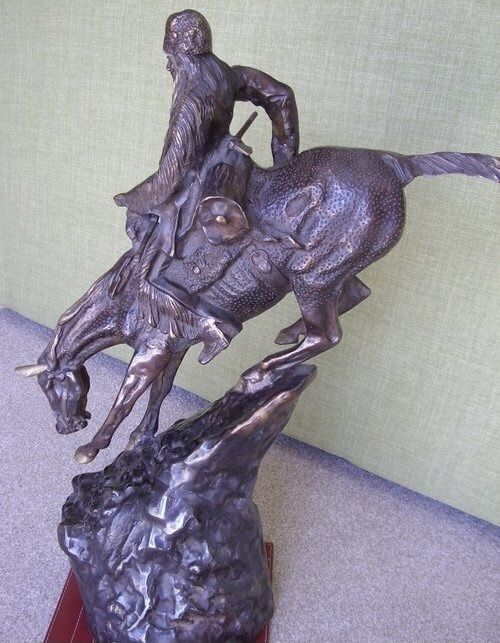
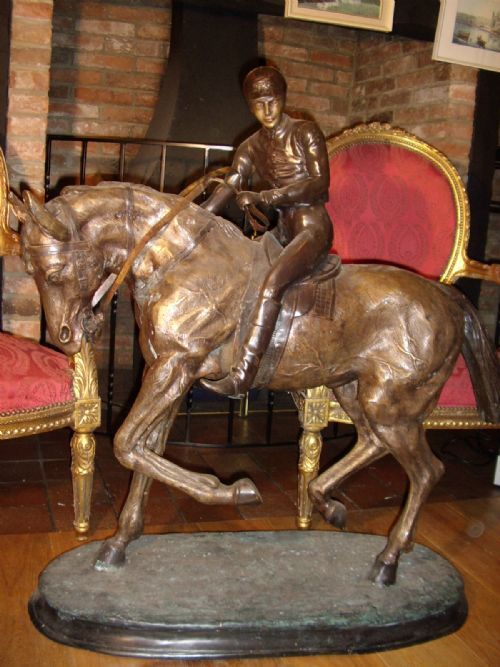
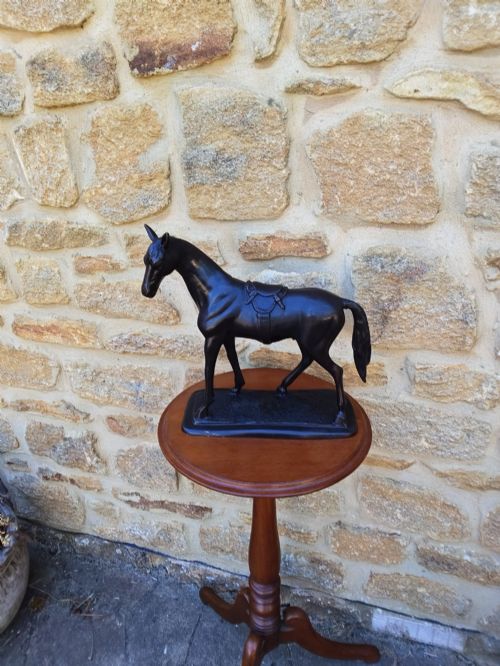
Several horses wear full saddles while others carry jockeys, polo players, or historical figures into battle.
What varies in quality
Quality rests in the precision of the metal chasing and the depth of the patination, where skilled hands define muscle tension, veins, and facial expressions after casting. Lesser examples show softened details and blunt edges where the mould has worn through repeated use.
The weight and selection of the base material further distinguish standard commercial editions from exhibition-grade castings. Original artist signatures and crisp foundry stamps indicate closer attention during production.
Pierre Jules Meme·Franz Bergman·Kunio Ito·John Willis Good·Luigi Secchi
The Bronze Sculpture of Horse Glossary
- Animalier
- A nineteenth-century artistic movement focused on the realistic depiction of animals. Sculptors in this tradition studied anatomy closely in veterinary hospitals and slaughterhouses.
- Cold-painted bronze
- A technique where bronze figures receive non-fired oil paint decoration after patination. Austrian workshops used this method extensively for small decorative figures.
- Grand Tour
- A traditional trip through Europe undertaken by upper-class scholars and collectors. Souvenirs included small bronze statues of classical monuments and famous historical sculptures.
- Ormolu
- Gilded bronze produced by applying a mercury and gold amalgam to the metal surface. This finish appeared frequently on decorative mounts and statues from the nineteenth century.
- Patina
- A thin layer of chemical alteration on the surface of bronze resulting from age or deliberate treatment. It provides colour variation ranging from deep brown to green.
Bronze Sculpture of Horse: Frequently Asked Questions
How do I identify an animalier bronze horse?
Animalier bronzes focus on naturalistic animal anatomy, showing horses in motion, resting, or interacting with riders. Look for signature stamps near the base and detailed musculature typical of nineteenth-century French foundry work.
These sculptures often feature dark patination and mount onto marble or wood plinths. The style emerged from a broader European fascination with realistic wildlife and domestic animal studies.
What is a Grand Tour horse sculpture?
Grand Tour bronzes were purchased by travellers touring historical European sites during the eighteenth and nineteenth centuries. They typically replicate famous public monuments, such as ancient Roman equestrian statues or classical charioteers.
Such pieces usually display warm brown patination and rest upon polished marble bases. They served as scholarly souvenirs rather than domestic ornaments.
What does cold-painted bronze mean?
Cold painting involves applying oil paint to a bronze casting without subsequent firing in a kiln. This technique allowed workshops to produce brightly coloured figures of animals and human riders.
Austrian makers utilised this method for small decorative bronzes. Because the paint sits on the metal surface rather than fusing through heat, these pieces require careful handling to prevent flaking.