




Antique Bronze Equine Figure
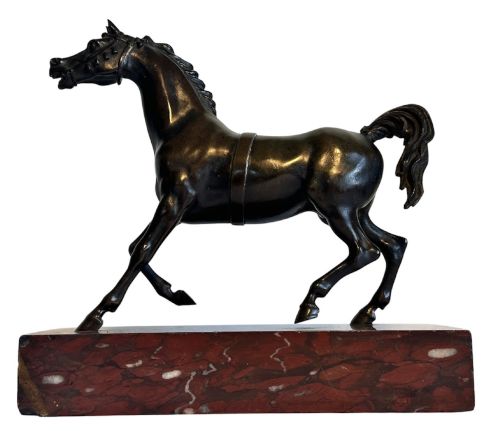
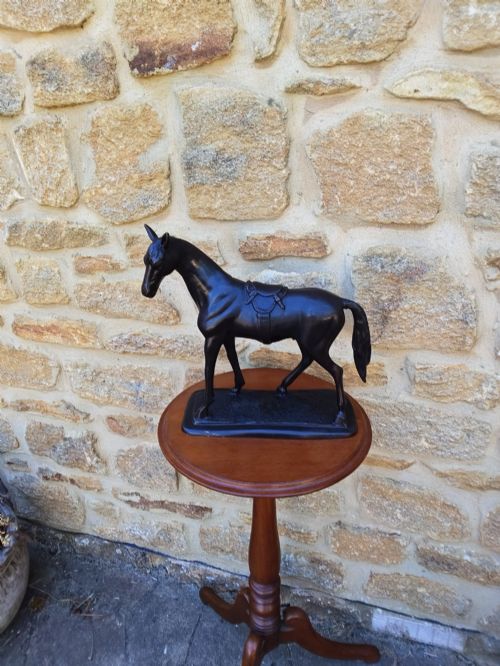
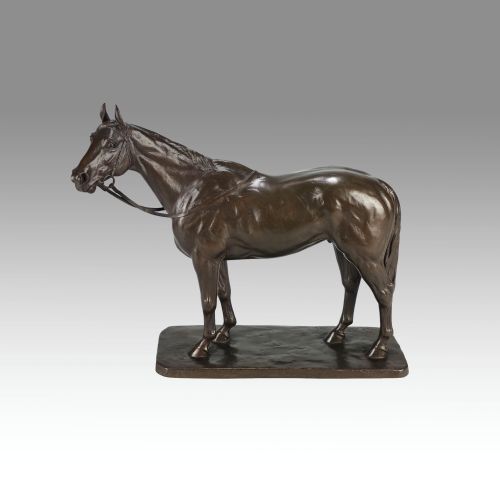
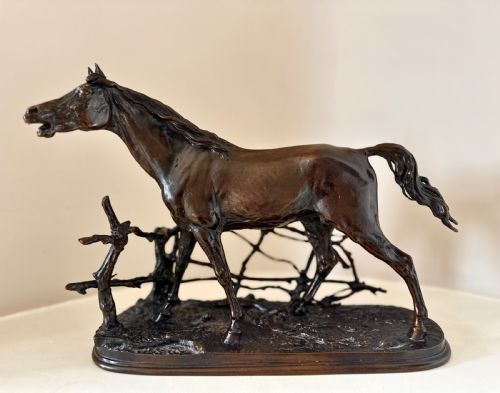
An antique bronze equine figure brings the fierce energy and muscular grace of the horse into the room through enduring metalwork.
Antique Bronze Equine Figure
An antique bronze equine figure captures horses in motion or repose, drawing from nineteenth-century animalier traditions and twentieth-century modernist forms alike. When you search for this phrase, you encounter sculptures ranging from realistic stud stallions to stylized Japanese castings and playful Viennese works.
The versions most frequently met on this page include nineteenth-century French animalier studies, early twentieth-century cold-painted Austrian models, and Japanese foundry pieces from the Meiji and Taisho periods. These pieces often stand upon heavy stone plinths of marble or onyx to give the composition grounded weight.
Scale and posture vary considerably across the selection, moving from intimate cabinet figures to large studies of mounted riders and rearing pairs. Each example reflects the distinct aesthetic priorities of its origin, whether European academic realism or Asian foundry traditions.
Materials and Casting
These figures rely upon cast bronze, shaped through traditional foundry methods to capture intricate muscular detail and flowing manes. Makers frequently applied patinas in varying shades of brown and black to accentuate the depth and texture of the metal.
Certain Viennese workshops utilised cold-painted techniques, applying vibrant oil paints directly onto unheated cast metal surfaces. Other pieces incorporate natural stone bases, mounting the heavy bronze sculptures upon polished marble or onyx plinths.
Antique Bronze Equine Figure Retail Price Guide 2026
Typical asking prices for bronze equine figure among the pieces listed under this phrase on Sellingantiques today, from the lower quarter to the upper quarter. They describe what is for sale here now, not the wider market.
Listings feature pieces spanning the Victorian and Edwardian eras alongside early twentieth-century Japanese castings.
Measures of Quality
Quality rests upon the precision of the casting and the sensitivity with which the sculptor has rendered anatomy and movement. Finer works display crisp muscle definition, clean hoof and facial details, and smooth integration where individual bronze components join.
The depth and longevity of the surface finish also separate standard commercial castings from exceptional foundry output. A carefully maintained patina or well-preserved cold-painted surface retains subtle tonal variations rather than appearing flat or uniform.
Kunio Itô·Franz Bergman·P. J. Mêne·Sakai Kōzan·Pierre Jules
The Antique Bronze Equine Figure Glossary
- Animalier
- A nineteenth-century artistic movement dedicated to the realistic portrayal of animals. Sculptors in this tradition focused closely on anatomical accuracy and natural movement.
- Cold-painted bronze
- A technique where bronze figures receive layers of cold oil paint rather than firing in a kiln. This method allows for vivid, multicoloured finishes.
- Patina
- A thin chemical layer that forms naturally on bronze over time or is applied artificially by an artist. It protects the metal and defines the colour tone of the sculpture.
- Foundry mark
- A stamp, signature, or symbol cast into the metal indicating the workshop or foundry responsible for pouring the bronze. These marks help identify the origin and date of a piece.
- Marly horse
- A monumental equine sculpture originally designed by Guillaume Coustou for the Château de Marly. Miniature bronze copies of these rearing horses became popular decorative objects in the nineteenth century.
Antique Bronze Equine Figure: Frequently Asked Questions
What is the animalier style?
The animalier style emerged in nineteenth-century Europe, focusing specifically on accurate and dynamic sculptures of animals. Artists spent hours studying subjects at menageries and abattoirs to master skeletal structures and musculature.
Figures from this movement often capture horses mid-stride, rearing, or resting with realistic tension. This approach broke away from classical human-centric sculpture by treating animals as the primary artistic subject.
How do I tell cold-painted bronze apart?
Cold-painted pieces feature distinct, often brightly coloured oil pigments applied directly onto the cast metal surface. You will notice these colours remain matte and sit on top of the bronze rather than bonding through heat.
Early twentieth-century Austrian workshops specialised in this method, often depicting small horses with saddles and bridles. Inspect the recesses where paint naturally settles to confirm the hand-applied nature of the pigment.
Where should I display my bronze figure?
Place your sculpture on a sturdy, level surface away from direct sunlight and excessive humidity. Heavy stone bases provide stability, but ensure the supporting furniture can safely bear the weight of the combined bronze and marble.
Keep figures away from heat sources like radiators to protect painted finishes and prevent stone bases from cracking. Position the piece at an eye-level or slightly lower vantage point to best appreciate the anatomical details.