

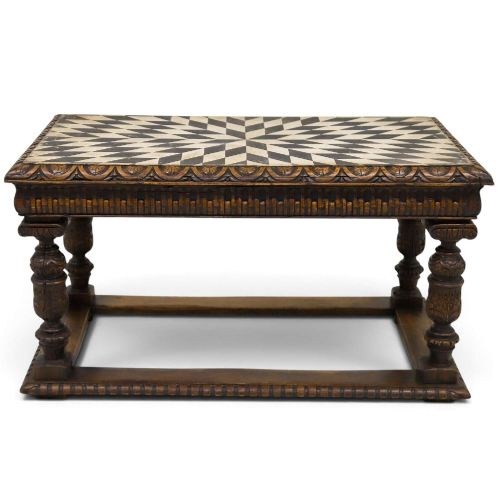
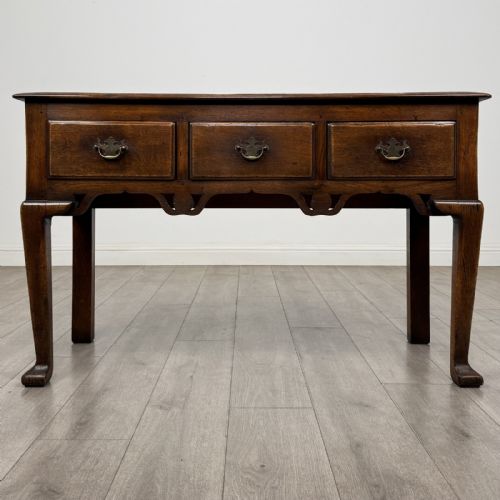
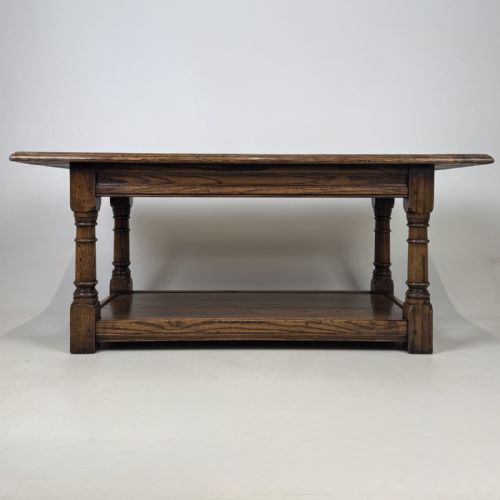

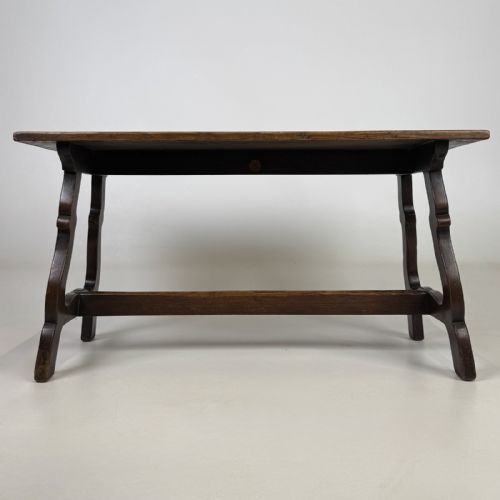
Dark Oak Low Table
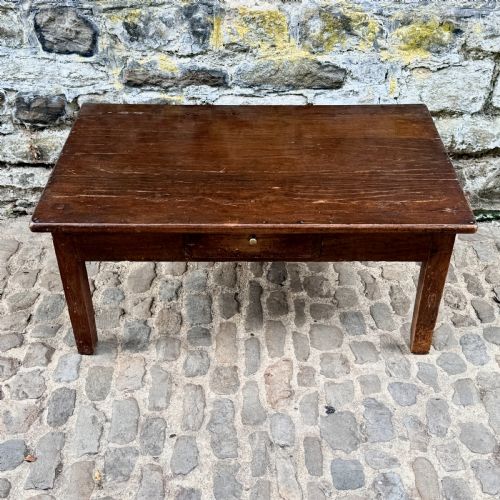
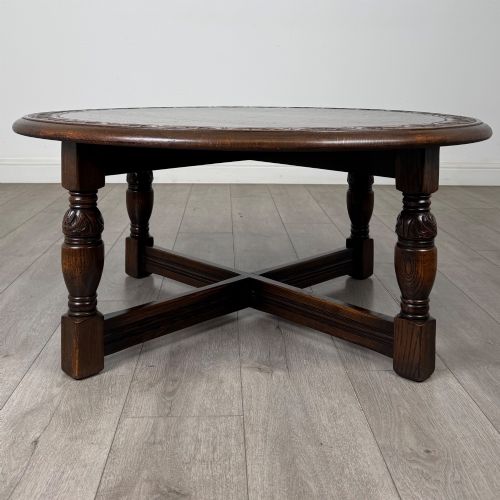
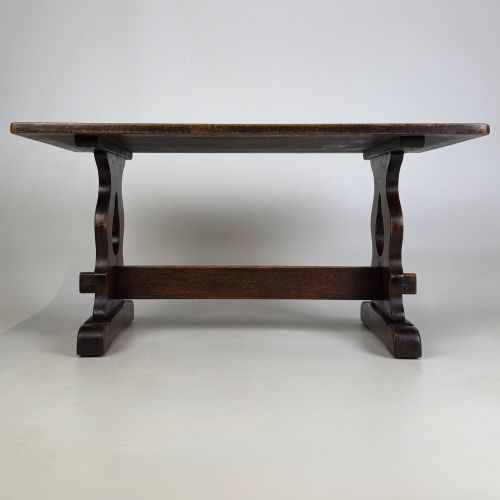
A dark oak low table brings substantial timber and low-slung proportions into a room, offering a sturdy surface grounded in centuries of practical furniture making.
Dark Oak Low Table
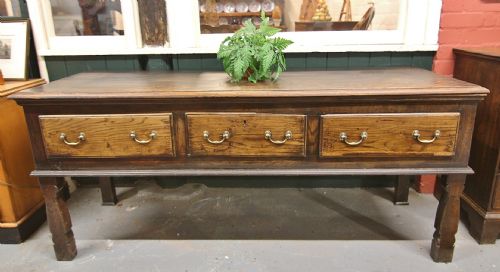
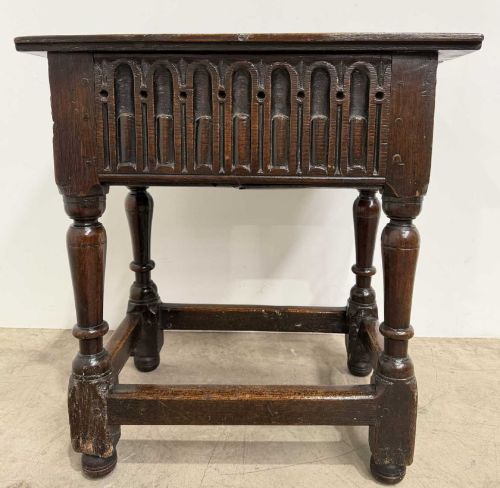
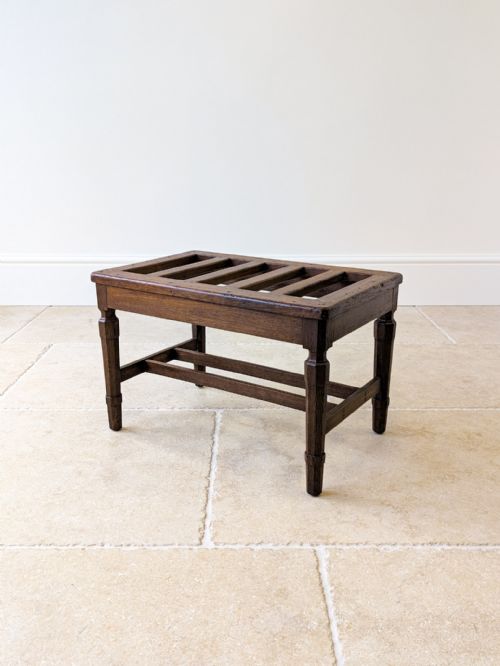
When you search for a dark oak low table, you encounter a mix of low coffee tables, converted dresser bases, side tables, and low boards originating from various periods. Many items date from the seventeenth, eighteenth, and nineteenth centuries, alongside Edwardian and later interpretations.
The dominant material is dark oak, frequently paired with secondary woods like elm, pine, and chestnut, supplemented by brass or iron hardware. Forms range from rustic farmhouse planks and joint stools to formal Georgian and Jacobean revival styles.
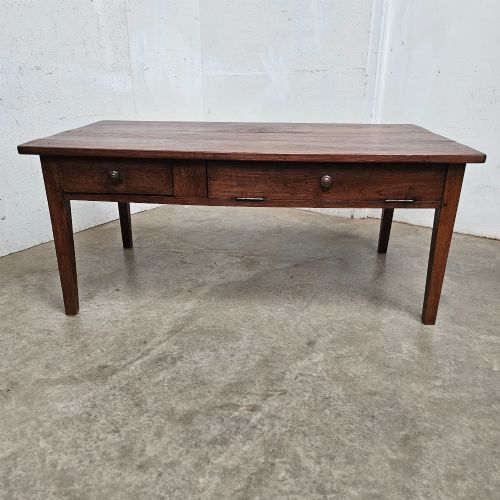
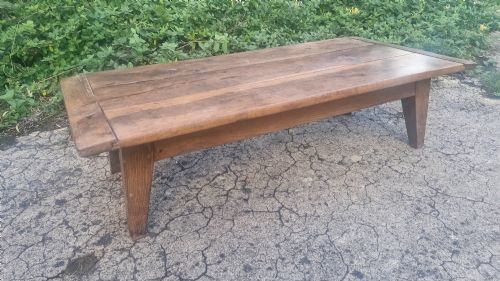
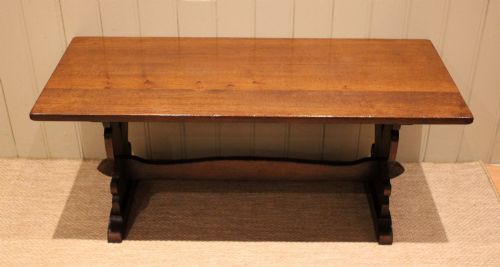
Buyers most commonly meet sturdy coffee tables and low side tables that adapt well to contemporary living spaces while retaining traditional construction methods.
What varies in quality
The grade of timber and the integrity of the original construction dictate the character of each piece. Superior examples display dense, well-figured oak boards with minimal later intervention, retaining their original brasses and structural framing.
Proportion and the restraint of carved detail distinguish finer workshop output from simpler vernacular items. Heavy later alterations or replaced structural timbers alter the balance of the piece.
Dark Oak Low Table Retail Price Guide 2026
Typical asking prices for dark oak low table among the pieces listed under this phrase on Sellingantiques today, from the lower quarter to the upper quarter. They describe what is for sale here now, not the wider market.
Listings feature pieces spanning the seventeenth, eighteenth, and nineteenth centuries, alongside Edwardian and 1920s examples.
The Dark Oak Low Table Glossary
- Dresser base
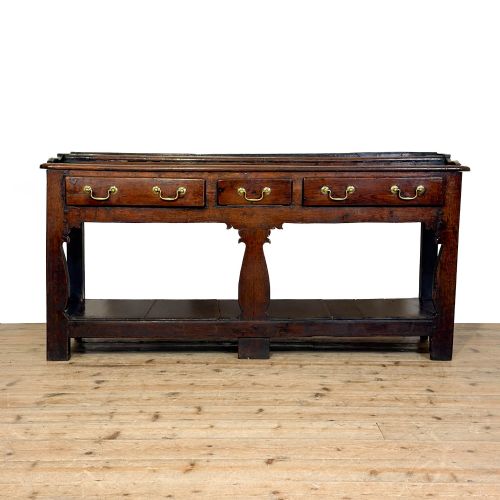
- The lower section of a traditional kitchen dresser, featuring drawers and cupboards above a potboard or open base. These low units are frequently adapted into side tables.
- Potboard
- An open slatted lower shelf fitted between the legs of a dresser base or table, originally designed for storing earthenware pots. It provides structural stability near the floor.
- Joint stool
- A sturdy wooden stool constructed with mortise and tenon joints pegged together rather than turned legs glued into seats. They date back to the seventeenth century and earlier.
- Refractory style
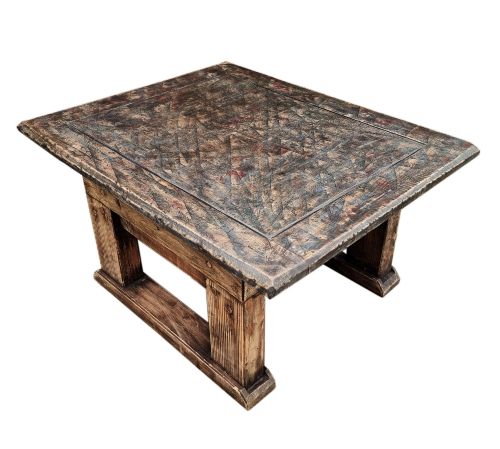
- A heavy dining or low table design featuring sturdy end trestles joined by a strong central stretcher beneath the top. This configuration maximises legroom.
- Low boy
- An eighteenth-century small side table with one or more rows of drawers raised on relatively tall legs. Their compact height suits modern surface uses.
Dark Oak Low Table: Frequently Asked Questions
What is a dark oak low table?
A dark oak low table is a sturdy wooden surface built at a low height, often utilising dense oak boards from historic periods or later revivals. These items include repurposed dresser bases, low side tables, and dedicated coffee tables.
The deep colour develops from aged timber, traditional polishing, and natural oxidation over decades of use in domestic settings.
How do I date an old oak table?
Dating relies on examining the joinery methods, tool marks left on the timber, and the style of the legs and stretchers. Seventeenth and eighteenth-century pieces display hand-cut pegs, uneven board widths, and pegged mortise and tenon joints.
Revival pieces from the Edwardian era or the nineteenth century often show more uniform machine sawing and standardised internal framing beneath the dark finish.
Where were these low tables used?
Historically, many of these low forms originated as kitchen dresser bases, side boards, or low stools rather than dedicated coffee tables. They stood in farmhouses, halls, and dining spaces to store provisions, pottery, or textiles.
Today, their proportions adapt well to living rooms as central coffee tables or low side stands next to seating.
How do I care for antique dark oak?
Protect antique dark oak by applying natural beeswax sparingly and buffing it with a soft cloth to maintain the surface sheen. Avoid placing timber directly next to heat sources or in strong sunlight, which causes wood to dry and split.
Keep liquids away from unsealed surfaces and wipe spills immediately using a dry or barely damp cloth.