

19th Century Oak Stand
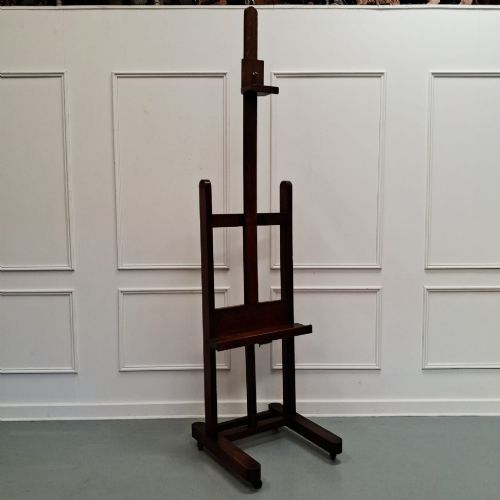
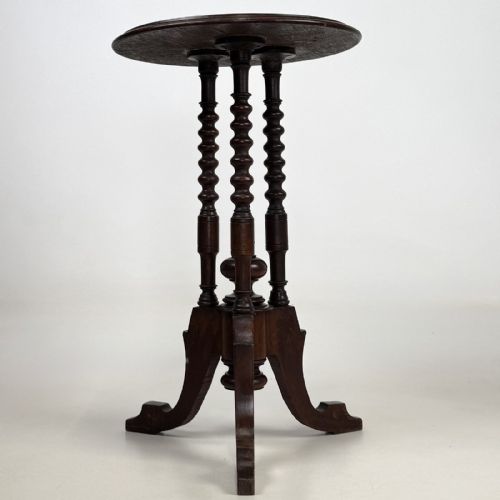
A 19th century oak stand provides sturdy utility and classic timber character to an interior, encompassing everything from umbrella holders to display tables.
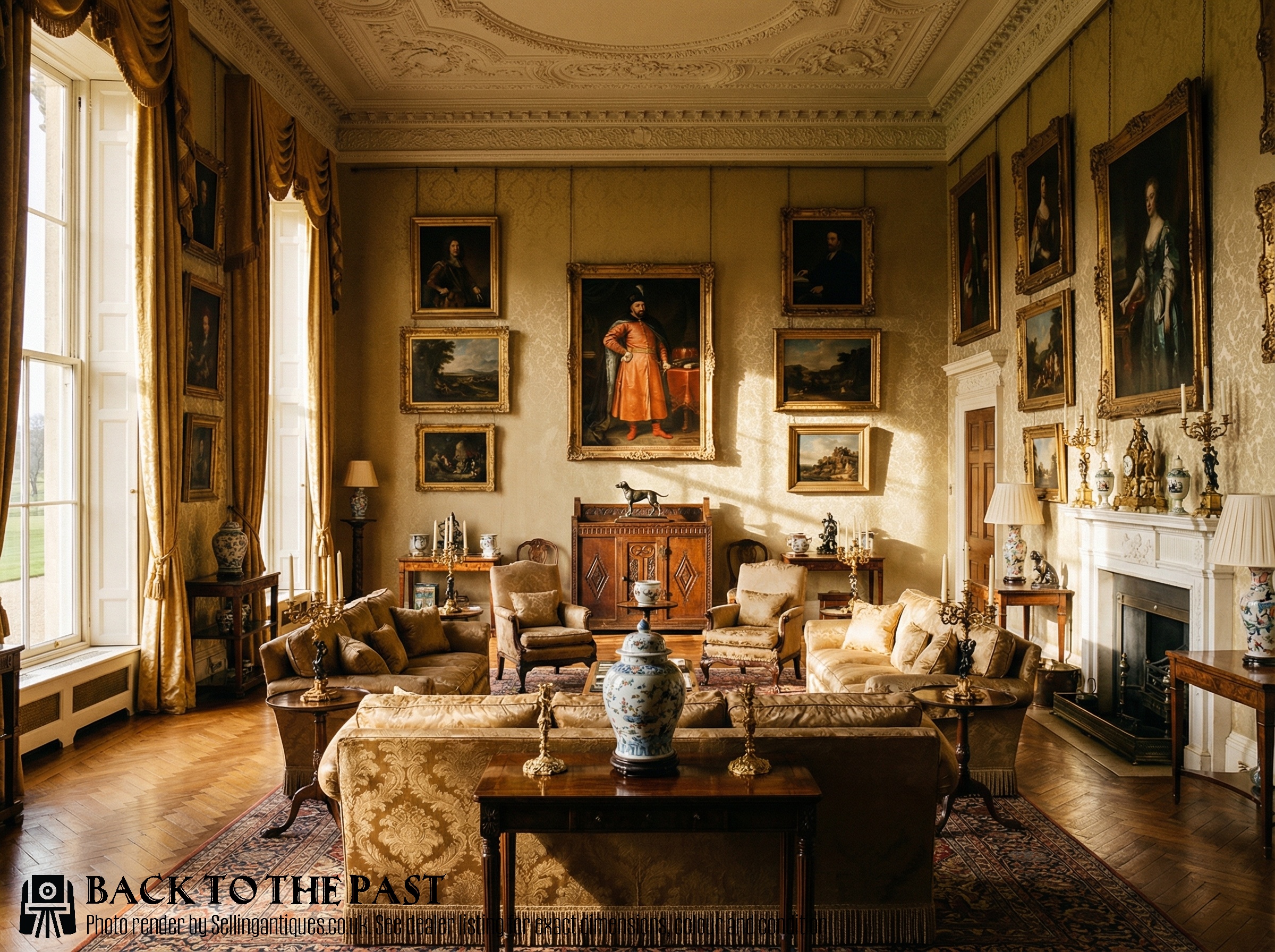
19th Century Oak Stand
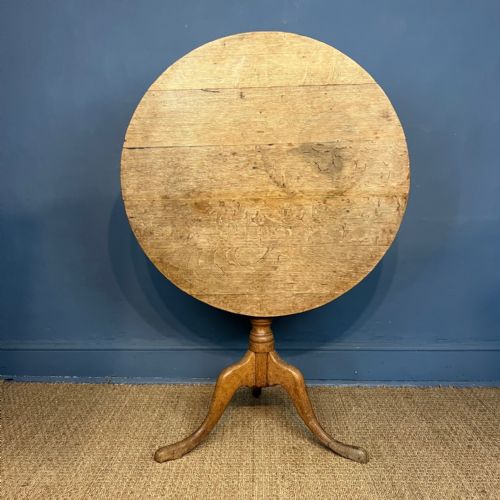
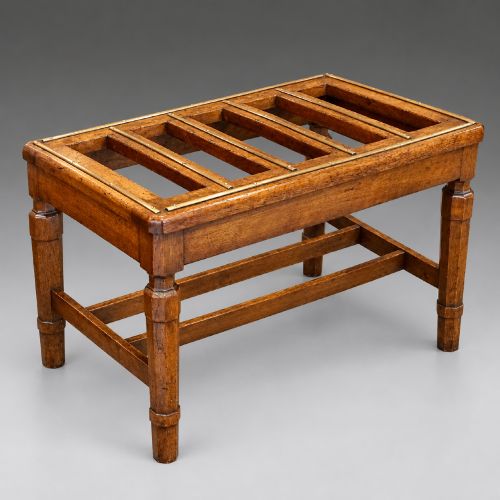
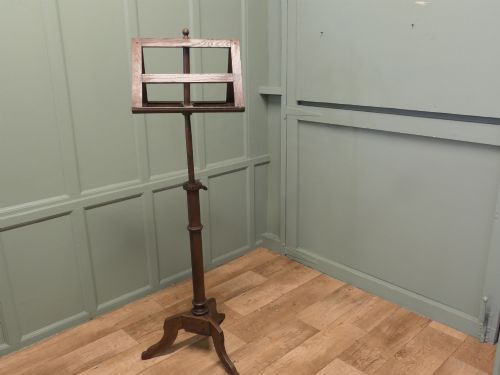
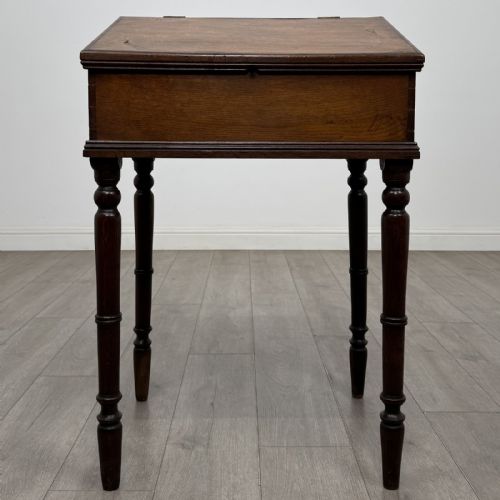
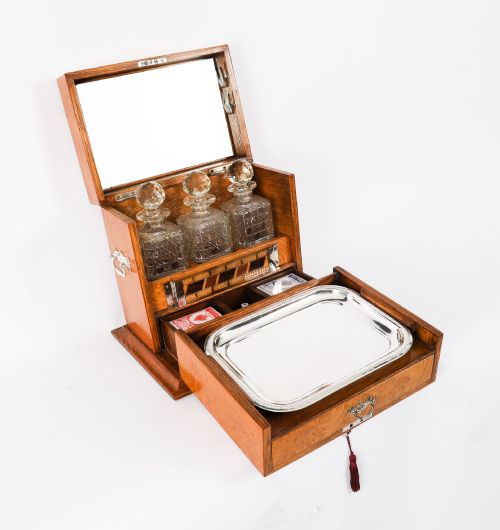
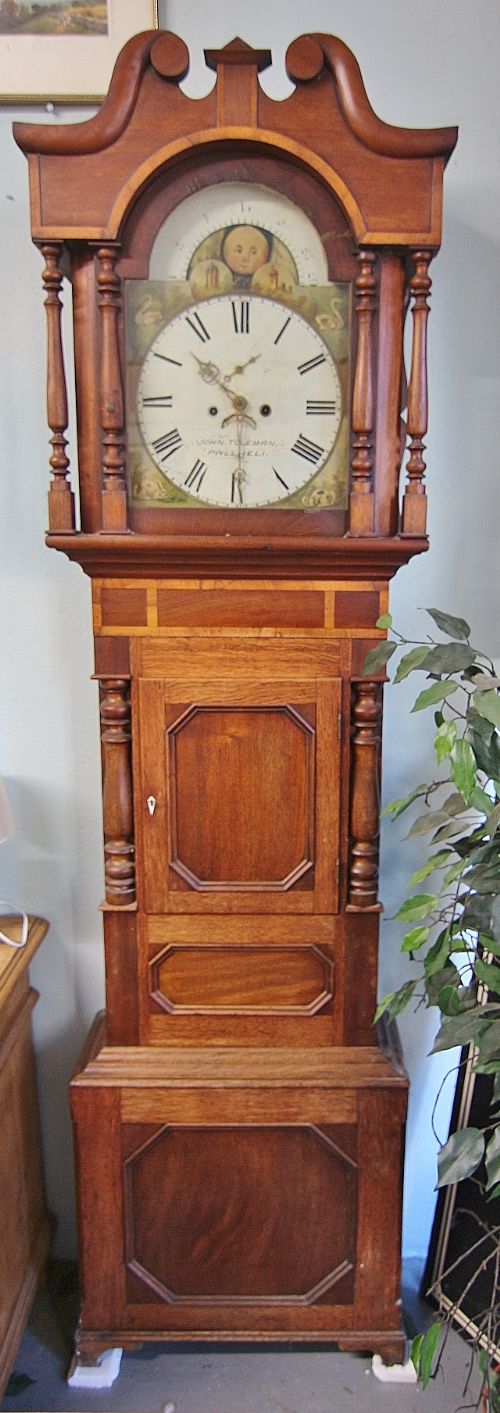
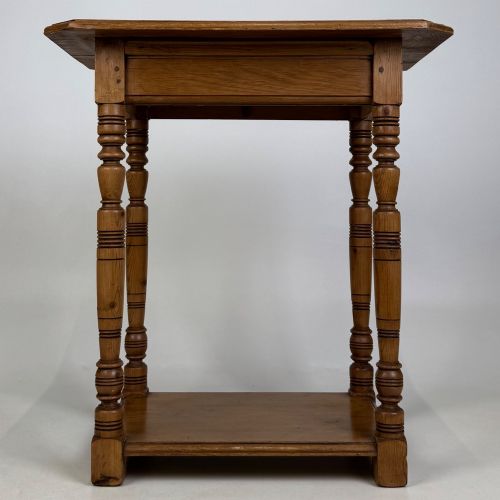
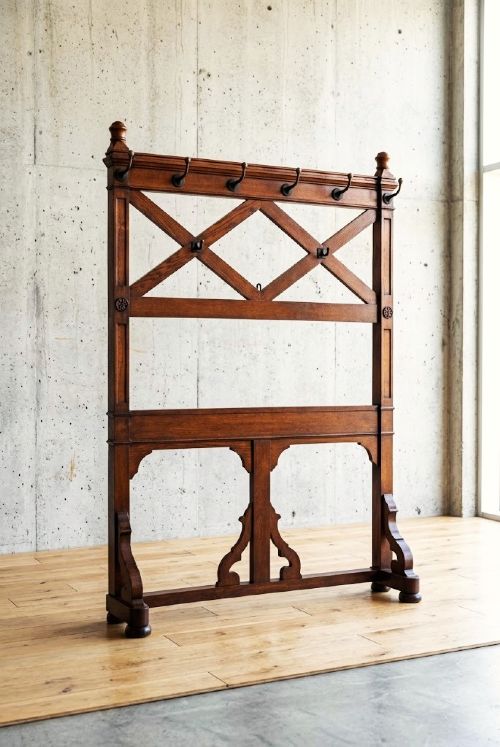
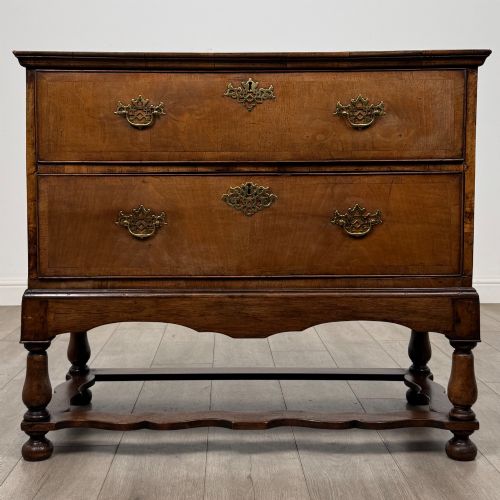
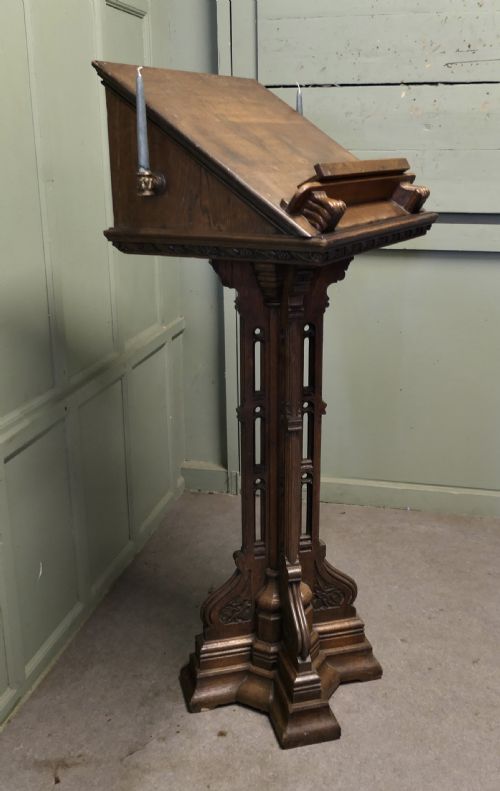
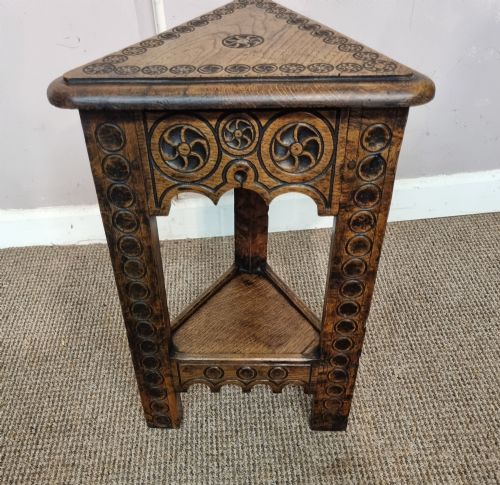
A 19th century oak stand encompasses a diverse group of functional wooden furnishings designed for specific domestic and institutional tasks. The items range from tall hall stands and coopered umbrella barrels to small side tables, reading podiums, and luggage racks.
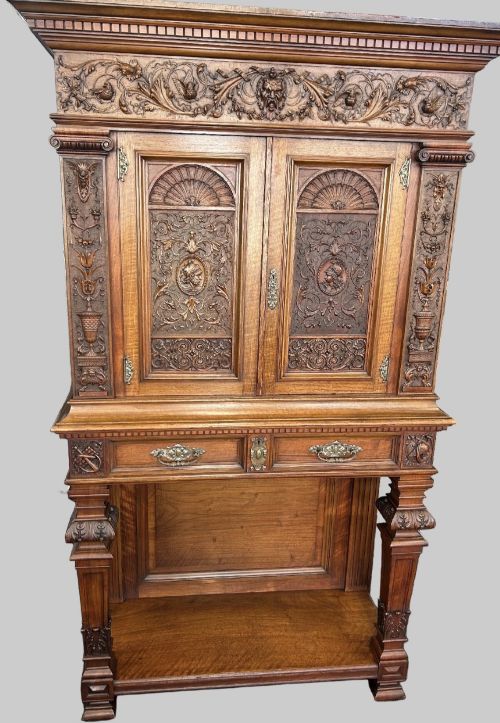
The Victorian era heavily influenced the surviving pieces, with Gothic Revival and English Country styles appearing frequently across the selection. Many items utilise solid oak timbers, often combined with brass bands or iron elements for structural reinforcement.
Entrants from the archive and current listings show that buyers frequently encounter utilitarian forms alongside decorative variations. Whether configured as a boot stand, a butler's tray on a folding frame, or a revolving cue holder, each piece reflects the practical needs of period interiors.
Materials and construction
Makers relied primarily on native oak, selecting timber for its dense grain and durability under heavy daily use. Construction techniques frequently involved traditional joinery, such as jointed components and sturdy pegged framing.
Metal additions appear often to reinforce items exposed to moisture or weight. Coopered umbrella and stick barrels utilise brass bands and iron fittings to hold the stave construction securely together over decades of service.
19th Century Oak Stand Retail Price Guide 2026
Typical asking prices for 19th century oak stand among the pieces listed under this phrase on Sellingantiques today, from the lower quarter to the upper quarter. They describe what is for sale here now, not the wider market.
A Victorian gentleman could store his riding boots on a dedicated hand-carved wooden stand before stepping back out into the muddy lane.
Assessing quality and craftsmanship
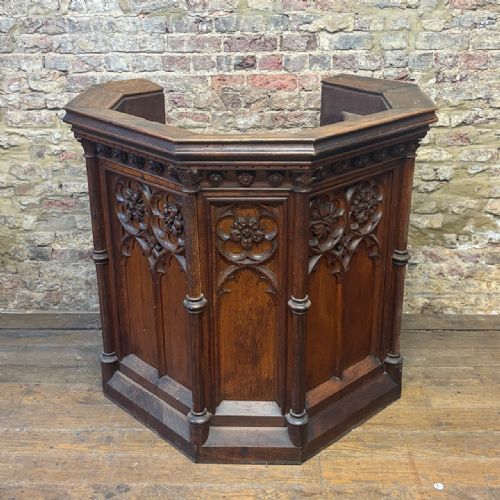
The standard of a 19th century oak stand depends heavily on the depth of hand-carving and the crispness of architectural details. Gothic Revival examples, for instance, display varying levels of sculptural ambition, from simple chamfered edges to deeply articulated panels and figural motifs.
Structural integrity and material selection dictate the upper tier of the range. Pieces retaining their original brass hardware, uncompromised coopered staves, and harmonious proportions command attention over heavily altered or repaired counterparts.
J. Parker of Woodstock·Fischel·Thomas Webbe of New Quay
The 19th Century Oak Stand Glossary
- Coopered
- Constructed from curved wooden staves bound together with metal hoops, much like a traditional barrel. This technique is commonly seen in stick and umbrella stands.
- Gothic Revival
- An architectural and decorative style popular during the Victorian period characterised by pointed arches, trefoils, and heavy carved ornamentation. It frequently defines the aesthetic of larger hall furniture.
- Butler's tray on stand
- A removable wooden tray with hinged or shaped sides resting upon a folding or fixed wooden base. These versatile pieces were originally used for serving and clearing.
- Torchere
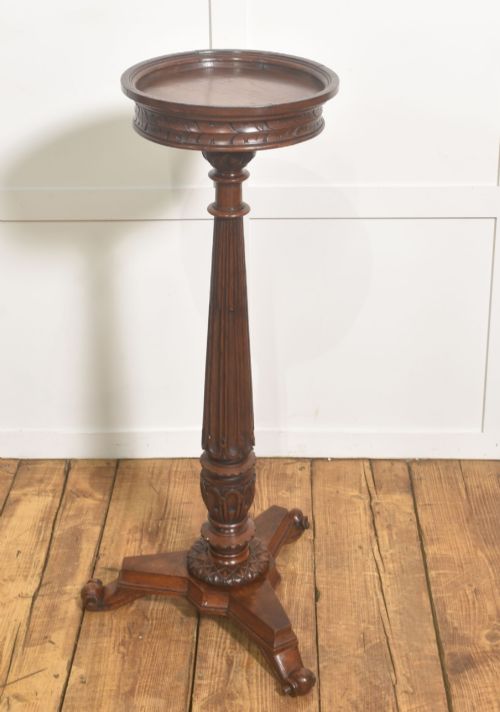
- A tall ornamental stand designed to support a candle or lamp. In oak, these tall supports often feature turned shafts and tripod bases.
19th Century Oak Stand: Frequently Asked Questions
What is a hall stand used for?
A hall stand provides an integrated station in an entryway for hanging coats, storing umbrellas, and sometimes placing hats or walking sticks. These pieces helped keep Victorian hallways tidy by consolidating outdoor garments in one designated footprint.
Many examples incorporate mirrors, glove boxes, and drip trays to catch moisture from wet weather gear. Their sturdy oak construction allowed them to withstand the heavy daily traffic of a busy household.
How do I care for antique oak?
Maintaining antique oak involves keeping the timber away from direct heat sources and sudden humidity changes to prevent splitting. Applying a traditional beeswax polish periodically helps nourish the grain and preserve the surface sheen.
Avoid using modern silicone sprays or abrasive chemical cleaners on older wood finishes. Gentle dusting with a soft, dry cloth is usually sufficient for routine upkeep.
Are stick stands and umbrella stands different?
The terms are often used interchangeably, though umbrella stands tend to feature waterproof liners or metal drip pans at the base. Stick and cane holders were traditionally built with simpler open bases or coopered staves designed for dry walking aids.
Both forms utilise the same sturdy oak framing and brass hardware to manage everyday household items. Their compact footprints made them ideal for narrow corridors and vestibules.
How can I date a 19th century stand?
Dating relies on examining the construction methods, secondary woods, and stylistic clues such as Gothic Revival motifs or Victorian ornamentation. Machine-sawn timber marks indicate a later nineteenth-century date, whereas hand-planed surfaces often suggest earlier manufacturing.
Maker's marks, labels, and specific hardware styles also help narrow down the period of production. Comparing the piece to documented examples from the same era provides further clarity.