


Vintage Trunk Stand
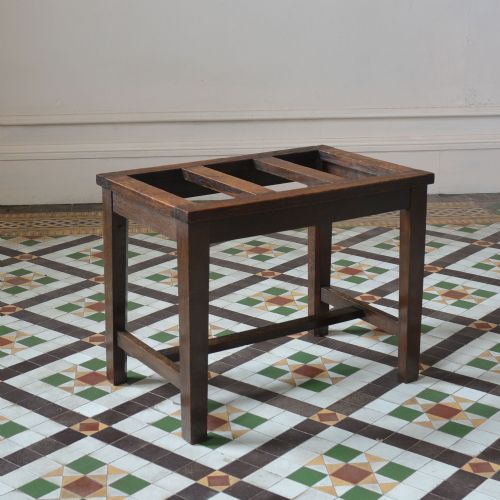
A vintage trunk stand provides a sturdy perch for luggage, bringing utilitarian practicality and period character to a bedroom or guest room.
Vintage Trunk Stand
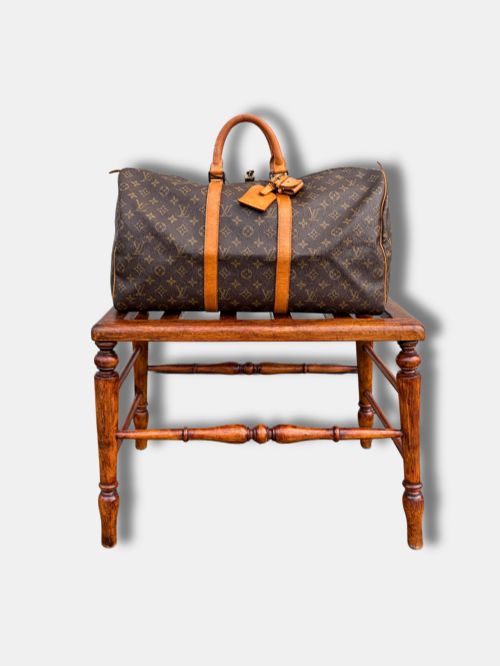
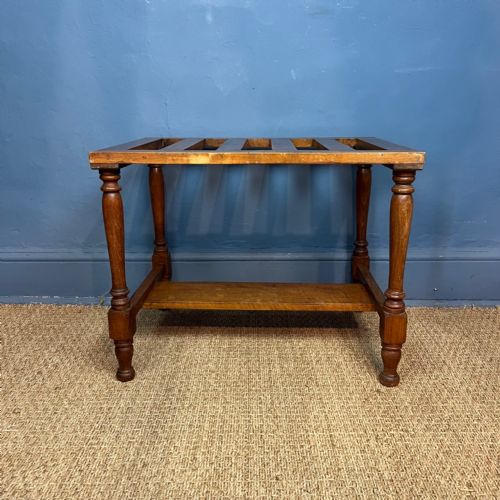
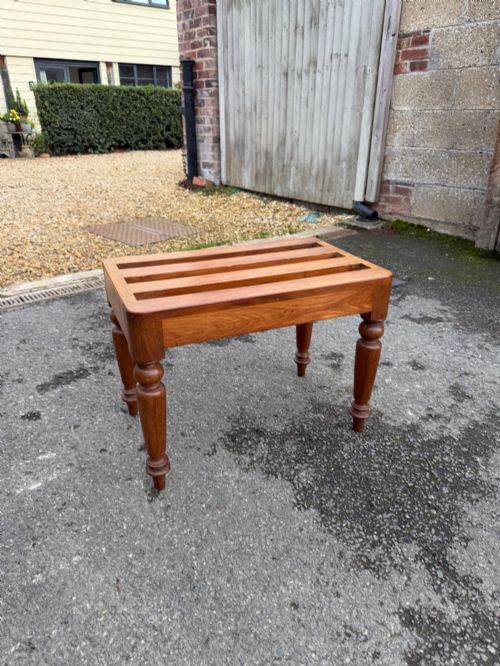
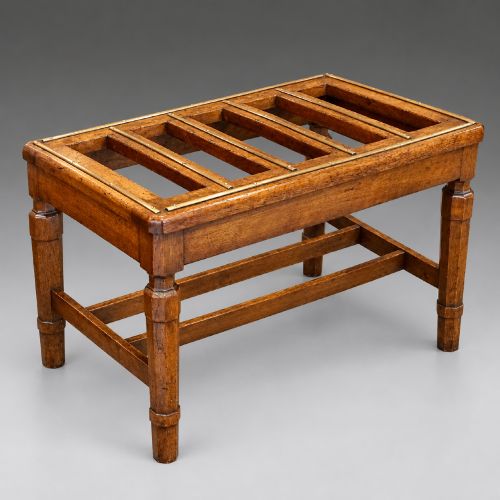
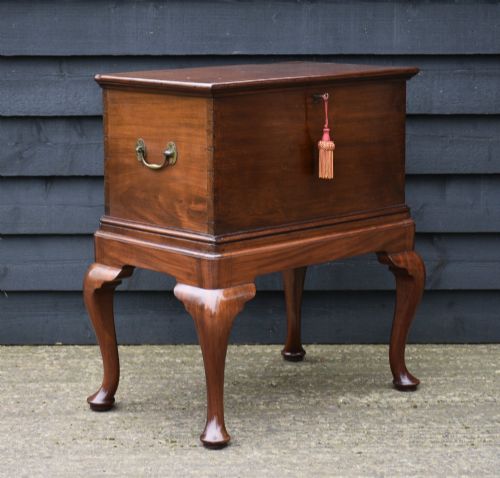
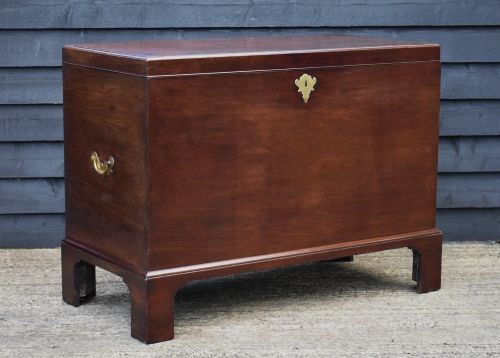
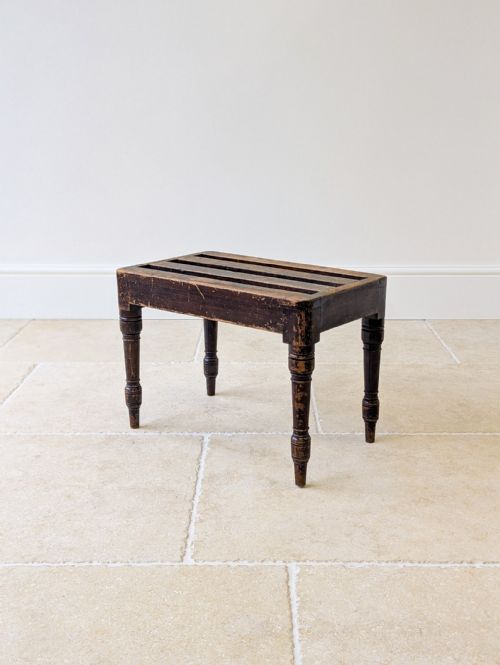
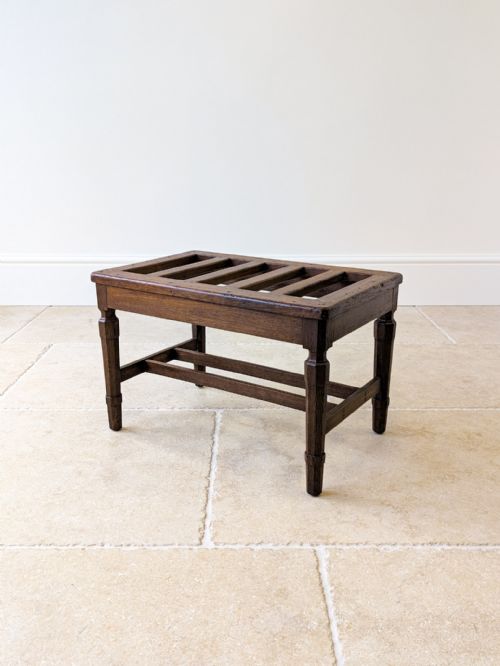
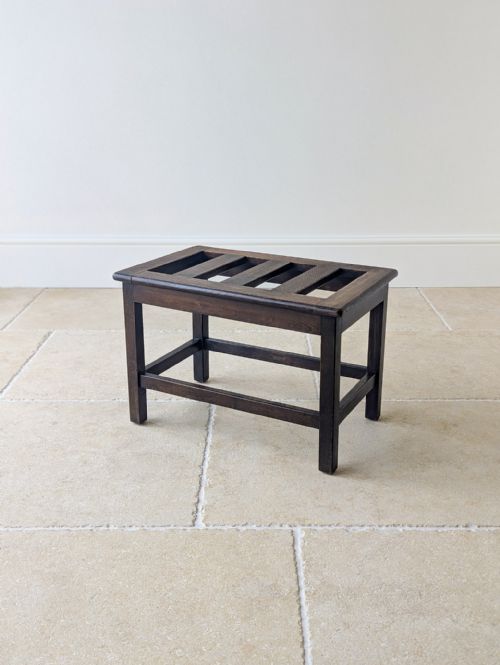
When you search for a vintage trunk stand, you encounter pieces designed primarily to hold luggage and travel chests off the floor at a convenient height for unpacking. These pieces typically take the form of open folding racks or low stationary stands, often referred to in listings as luggage stands or luggage racks.
Makers represented in the evidence include notable firms such as Waring & Gillow and Brown & Lamont, alongside specialised luggage makers like Hartman and Louis Vuitton. These pieces reflect the travel habits of previous centuries, when guests required sturdy elevated furniture for heavy canvas and leather travel trunks.
How they were made
Makers utilised solid hardwoods such as oak, mahogany, walnut, ash, and beech to construct the frames, ensuring the furniture could bear the weight of heavy travel luggage without buckling. Brass fittings, hinges, and corner brackets frequently reinforce the joints and edges of these stands.
Webbing, canvas, and wood slats form the supportive upper surfaces of the racks, designed to cradle the base of a trunk securely. Joinery techniques range from straightforward pegged mortise and tenon joints in utility pieces to more refined turned legs and carved details on Edwardian and Victorian examples.
Vintage Trunk Stand Retail Price Guide 2026
Typical asking prices for vintage trunk stand among the pieces listed under this phrase on Sellingantiques today, from the lower quarter to the upper quarter. They describe what is for sale here now, not the wider market.
Several stands come stamped by prestigious luggage makers who once outfitted transatlantic steamship passengers for weeks at sea.
What varies in quality
The distinction between a standard utility piece and a superior example often lies in the choice of timber and the sophistication of the turning or carving on the legs. Stands produced by recognised makers display tighter joinery, higher-grade hardwoods, and more robust folding mechanisms.
Original hardware, including stamped brass locks, maker plates, and intact canvas or webbing straps, elevates the status of a piece. Pieces that retain their original polished finish or authentic patination command greater attention from collectors than heavily altered items.
Richard Corless·Beatty Bros Fergus Canada·Brown & Lamont·Enfield·Waring & Gillow·Hartman Luggage Co·Louis Vuitton·Edward East
The Vintage Trunk Stand Glossary
- Luggage stand
- A low piece of furniture designed specifically to hold a suitcase or trunk during packing and unpacking. These often feature folding X-frame supports and webbing straps.
- Upstand
- A raised barrier at the rear or sides of a stand designed to prevent luggage from sliding backward against a wall. This feature appears on several nineteenth-century mahogany and oak examples.
- Campaign chest
- A portable form of furniture made in sections with recessed brass handles, built for travel by military officers. These relate closely to trunks and heavy luggage storage.
- Malle
- French term for trunk, frequently associated with luxury travel luggage makers such as Louis Vuitton. These pieces often feature fitted interiors and robust exterior canvas coverings.
Vintage Trunk Stand: Frequently Asked Questions
How were trunk stands used?
These stands were placed in guest bedrooms to hold a traveller's trunk at a convenient height for unpacking personal belongings without bending to the floor.
Servants would bring a guest's luggage up from the hall and place it directly onto the stand for the duration of the visit.
What woods were used for stands?
Carpenters predominantly selected durable hardwoods such as oak, mahogany, walnut, ash, and beech to ensure the frames could support heavy travel chests.
Some simpler utilitarian variants utilised painted pine, while luxury travel trunks incorporated canvas, brass, and exotic wood veneers.
Are these stands suitable for modern use?
Yes, they function effectively in modern guest bedrooms as permanent luggage racks or auxiliary seating surfaces. Their compact, often folding design allows them to be tucked away easily when not in use.
How do I identify an Edwardian stand?
Edwardian stands frequently feature lighter oak construction, sometimes with simple carved details or clean linear forms reflecting the early twentieth-century domestic interior.
Maker marks or stamps from firms like Waring & Gillow help confirm this period of manufacture.