



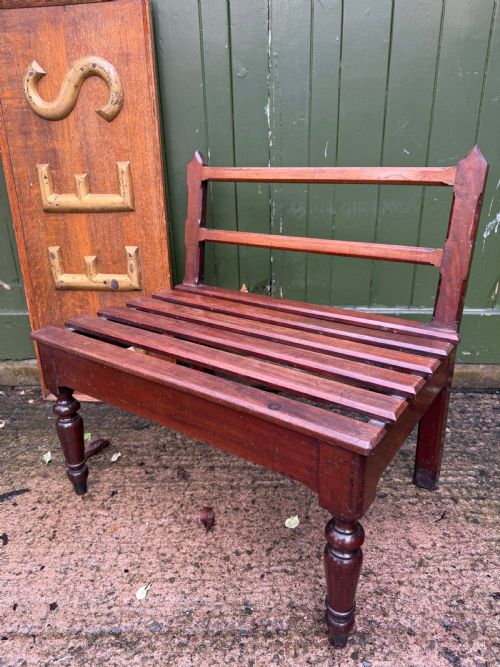

Edwardian Luggage Rack
An edwardian luggage rack offers practical folding utility and sturdy timber construction for the modern bedroom or hallway.
Edwardian Luggage Rack
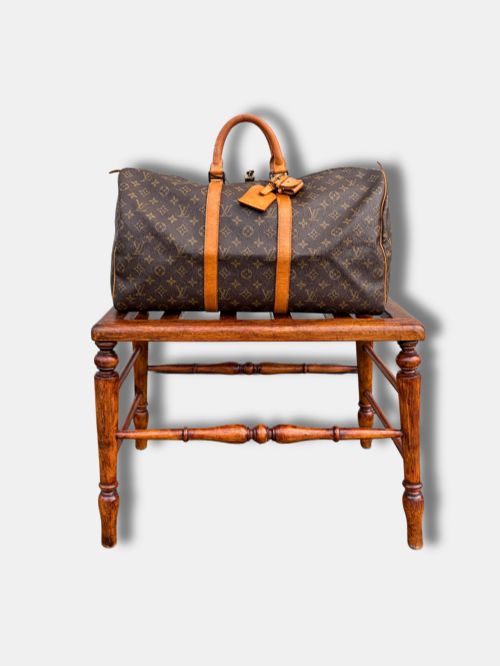
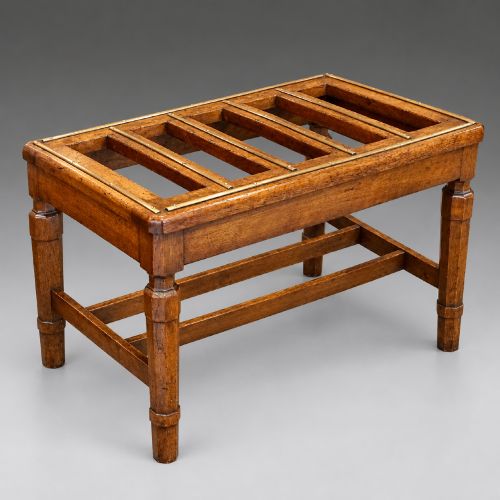
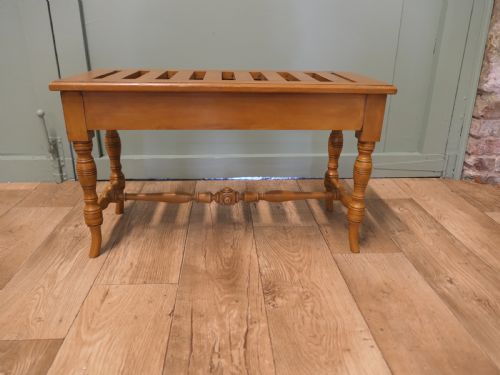
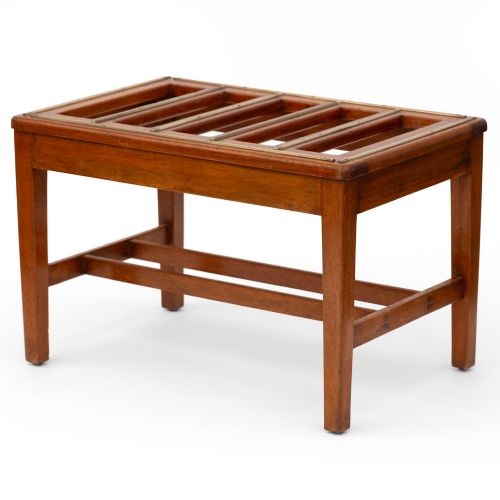
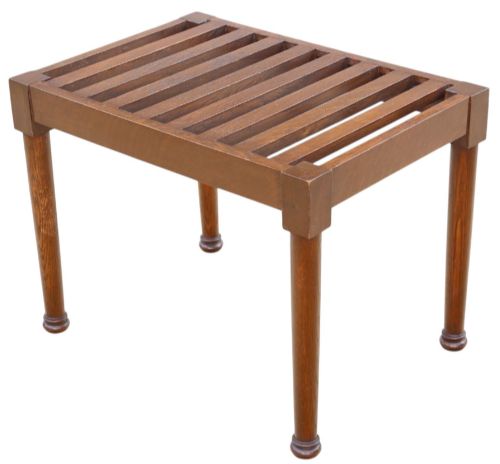
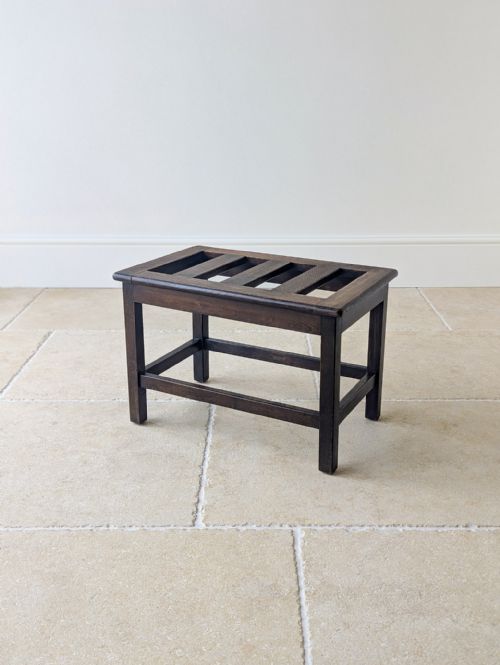
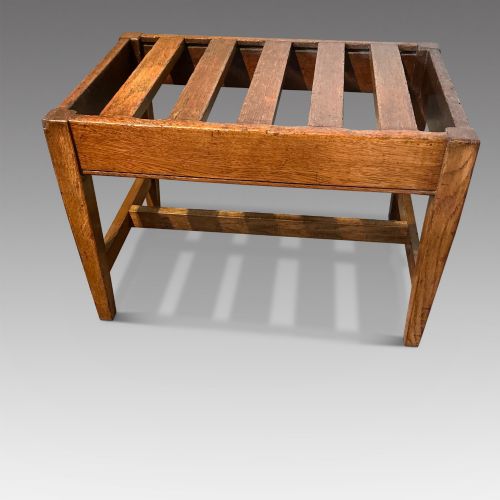
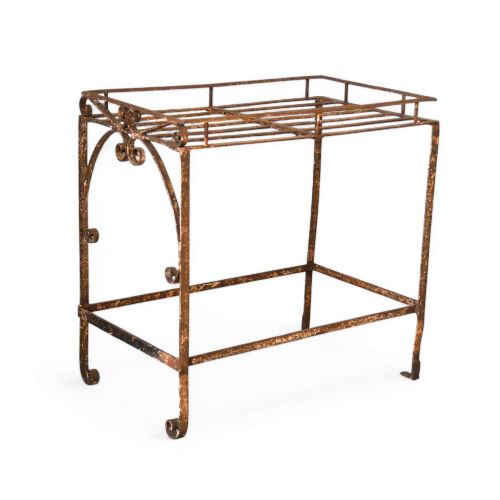
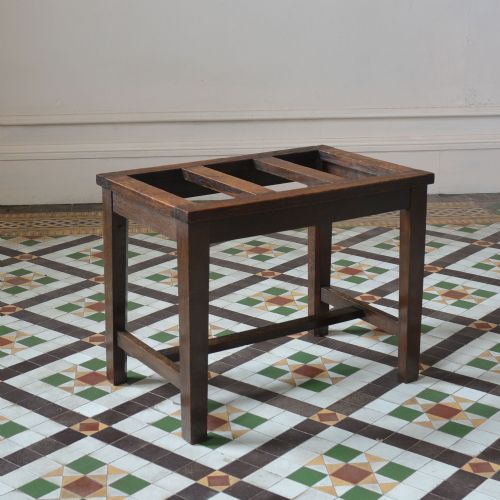
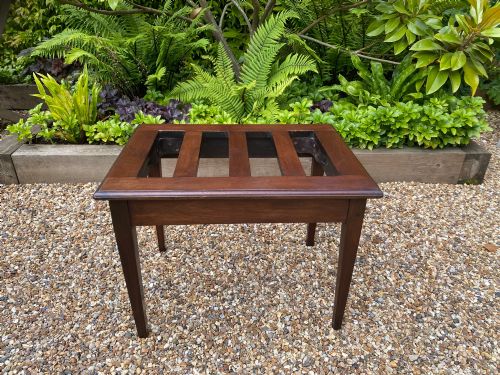
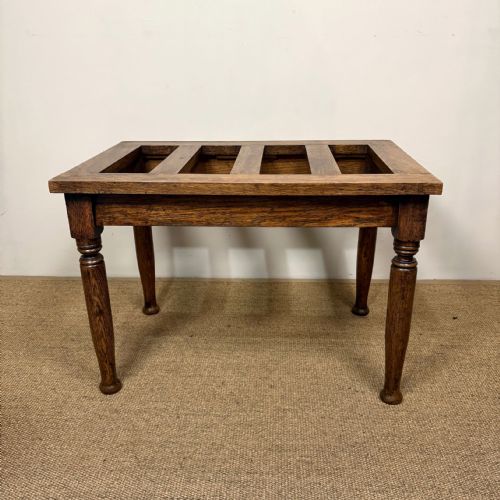
An edwardian luggage rack provides a sturdy, elevated surface originally designed to hold guest suitcases in country house bedrooms and hotels. These pieces typically take the form of low folding stands with slatted wooden tops and supportive side rails.
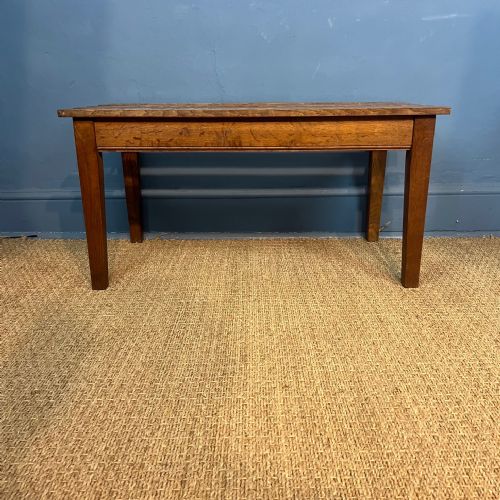
Most examples encountered here date from the Edwardian period and the early twentieth century, though nineteenth-century Victorian antecedents also appear. Alongside traditional luggage stands, related forms such as coat racks and plant stands occasionally share this functional aesthetic.
What varies in quality
Quality rests primarily on the substance of the timber and the rigidity of the folding frame. Denser hardwoods like mahogany and substantial oak provide superior longevity compared to lighter secondary woods.
Refinement of detail separates standard utility models from superior pieces. Well-turned legs, raised rear upstands, maker stamps, and solid brass fittings elevate a piece above basic estate or hotel inventory.
Edwardian Luggage Rack Retail Price Guide 2026
Typical asking prices for edwardian luggage rack among the pieces listed under this phrase on Sellingantiques today, from the lower quarter to the upper quarter. They describe what is for sale here now, not the wider market.
Recorded forms include folding luggage stands, estate-made garden racks, coat racks, and pieces salvaged from West End hotels and railway stations.
Waring & Gillow·Shoolbred
The Edwardian Luggage Rack Glossary
- Luggage stand
- A low folding wooden frame topped with straps or slats designed to hold a suitcase off the floor. These items were standard furnishings in period guest bedrooms.
- Upstand
- A raised wooden barrier at the rear of a stand. This feature prevented bags from scuffing the bedroom wall.
- Ebonised
- Wood treated to imitate ebony through staining or painting. This dark finish was popular for decorative bedroom furnishings.
- Limed oak
- Timber treated with a special finish that leaves a whitish pigment in the grain. This technique lightened the appearance of oak furniture.
Edwardian Luggage Rack: Frequently Asked Questions
How were these used?
These stands sat in guest bedrooms and hotel rooms to hold heavy leather suitcases at a convenient height for packing and unpacking. Guests avoided bending to the floor while opening their luggage.
Today they serve similar practical purposes in domestic settings, functioning as bedside tables, plant display tiers, or hallway benches.
How do I spot an Edwardian piece?
Edwardian stands typically display lighter timber tones like light oak or figured mahogany, reflecting the brighter interiors favoured after Victorian times. Look for clean structural lines and restrained decorative carving.
Construction methods also help indicate the era, with standard joinery and period hardware matching pieces from the early twentieth century.
Can I fold them away?
Many examples retain their original folding wooden or iron scissor frames designed for compact storage when not in use. This mechanism made them practical for country houses needing flexible guest accommodation.
Buyers should inspect the hinges and folding stays to ensure the mechanism operates smoothly without stressing the timber joints.
Where do they fit best at home?
Bedrooms remain the traditional placement, offering a convenient surface for spare blankets or open bags. Their narrow proportions also suit hallways as temporary resting places for parcels.
Living rooms and garden rooms often accommodate sturdier oak or wrought iron variants utilised as display stands for plants and decorative objects.