


Antique Luggage Stand
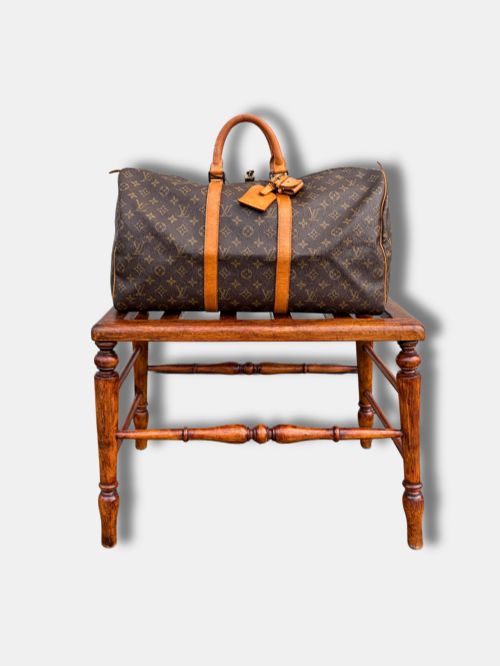
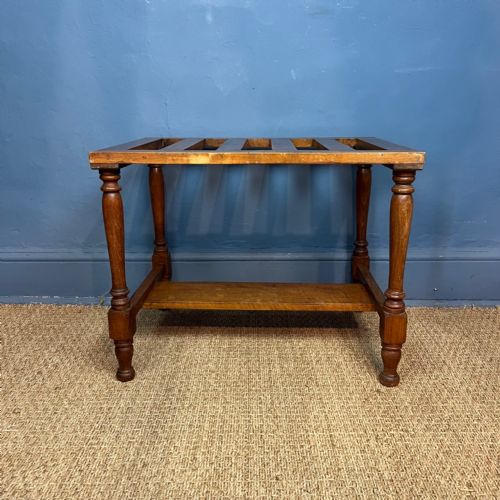
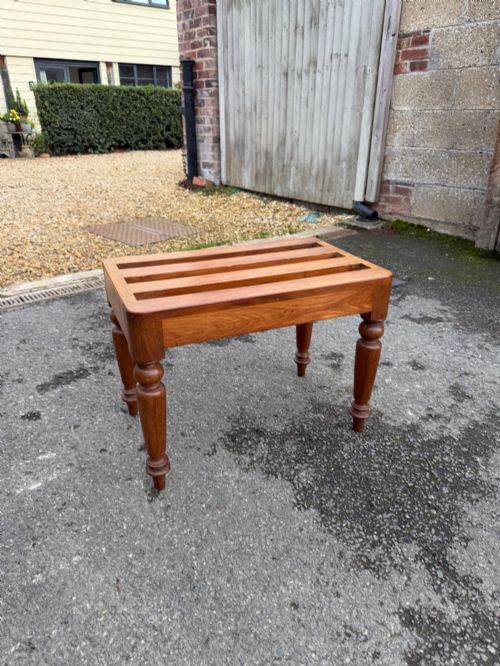
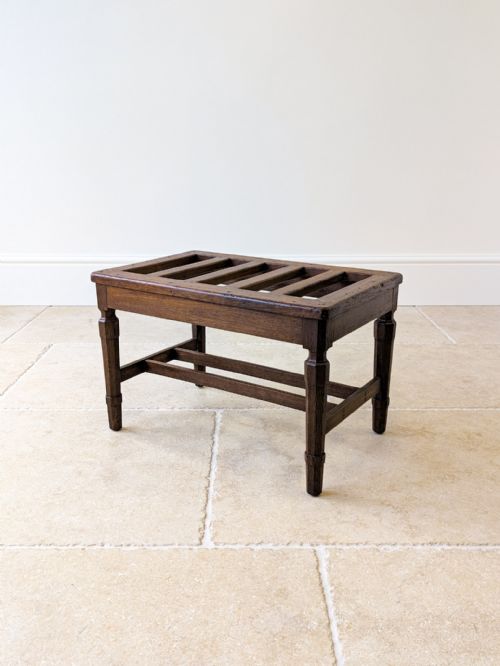
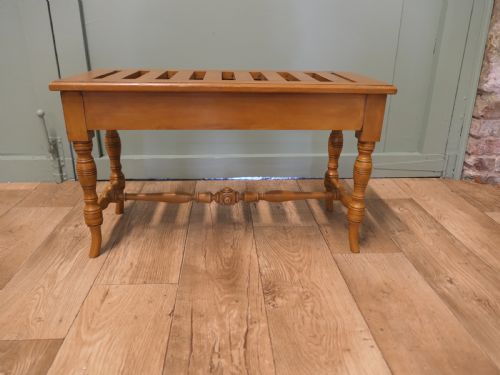
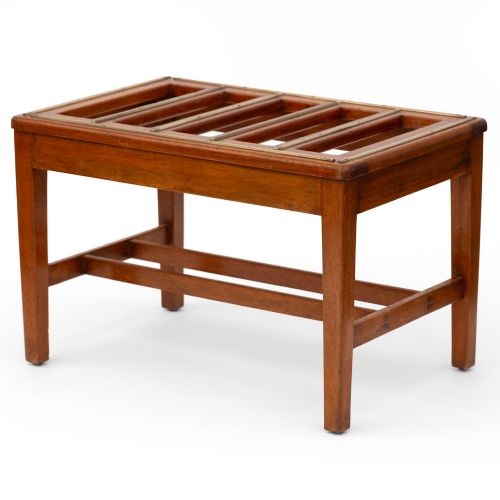
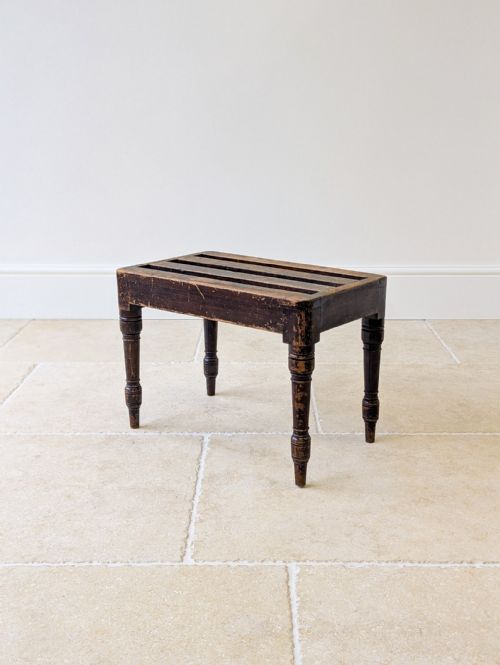
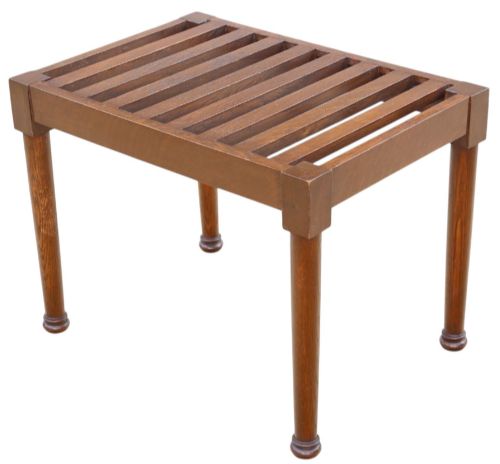
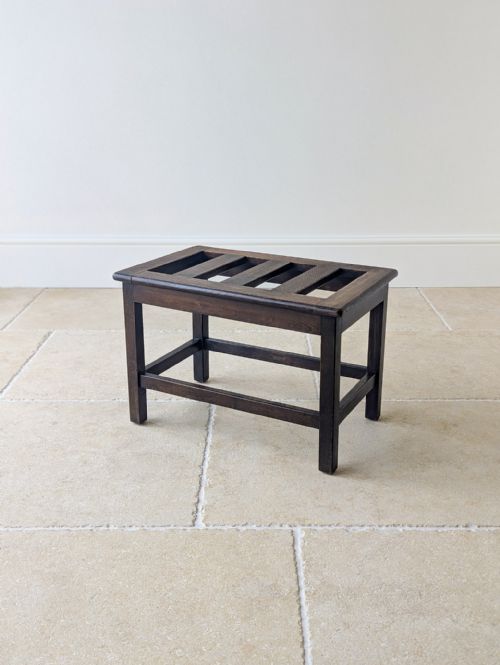
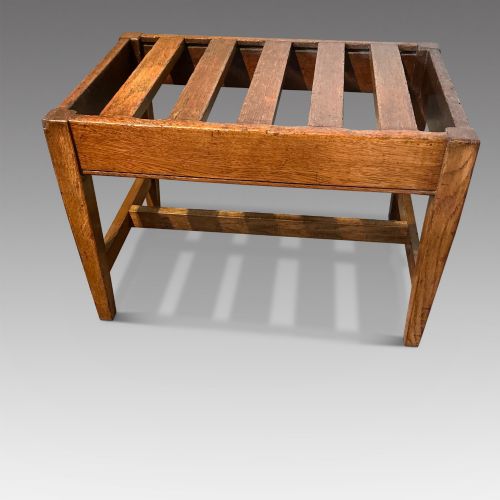
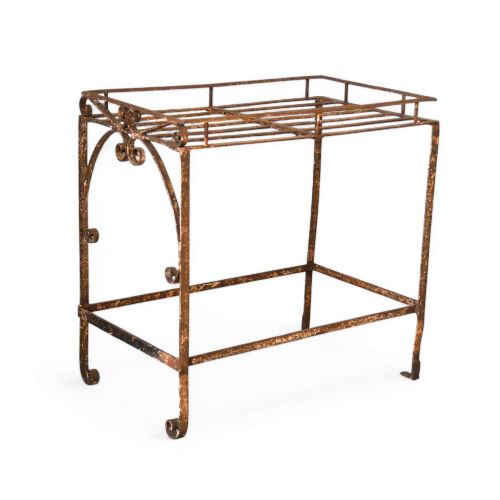
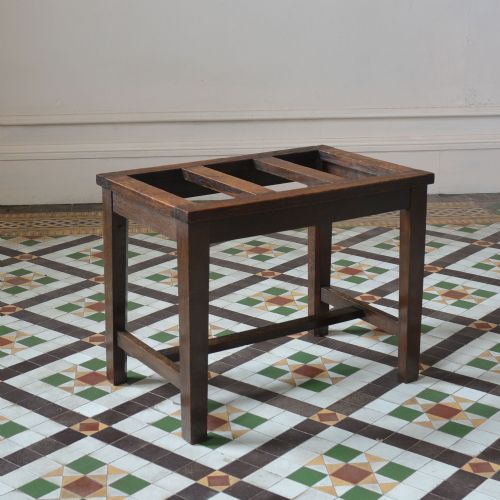
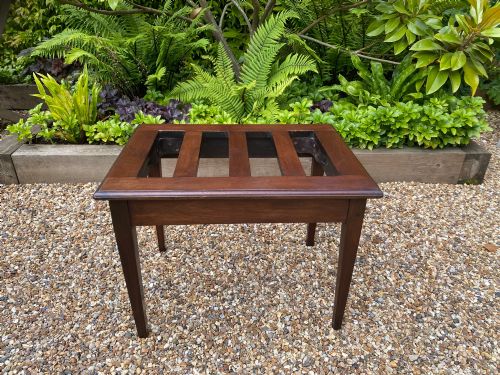
An antique luggage stand offers a practical bedroom surface or hallway valet, crafted from timbers like oak and mahogany to hold cases.
Antique Luggage Stand
An antique luggage stand provides a dedicated folding or rigid frame designed to support suitcases, trunks, and garments in bedrooms or guest rooms. Buyers browsing this selection encounter pieces primarily from the Victorian and Edwardian eras, alongside earlier 19th-century examples and later interpretations.
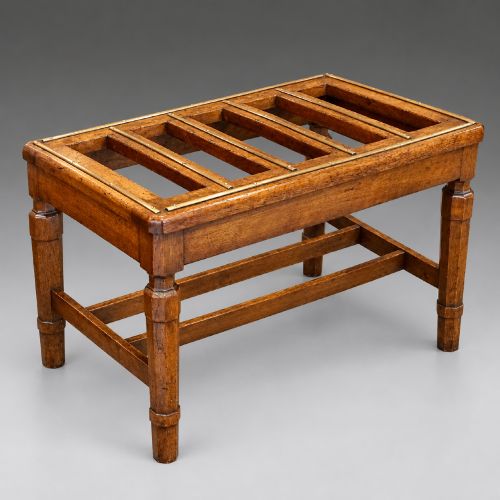
The standard form appears as a low wooden bench with webbing or slatted tops, though variations include wall-mounted brass hat and coat racks, tall portmanteaus with mirrors, and heavy wardrobe trunks. Oak and mahogany dominate the offerings, joined by beech, walnut, pine, and wrought iron.
Origin points range from English country houses and West End hotels to French chateaux and Canadian workshops. These functional items translate easily into modern interiors as bedside tables, auxiliary seating, or hallway display surfaces.
How they were made
Cabinetmakers constructed these frames using domestic and imported hardwoods such as oak, mahogany, walnut, and ash, often joining structural members with traditional mortise and tenon joints to withstand heavy loads. Turned legs, carved details, and raised rear upstands appear on finer domestic examples intended for guest accommodation.
Metal components play a substantial role, utilising cast brass, wrought iron, and glass plates for wall-mounted portmanteaus, coat racks, and folding mechanisms. Canvas, leather, and webbing form the supportive upper platforms across many low stands, paired occasionally with stamped leather and brass hardware on trunk variants.
Antique Luggage Stand Retail Price Guide 2026
Typical asking prices for luggage stand among the pieces listed under this phrase on Sellingantiques today, from the lower quarter to the upper quarter. They describe what is for sale here now, not the wider market.
Listings feature woods including oak, mahogany, walnut, ash, pine, and satin birch alongside brass and wrought iron.
What varies in quality
The distinction between a standard utility piece and a superior example rests on timber selection, maker attribution, and structural integrity. Denser hardwoods like figured mahogany, satin birch, and quarter-sawn oak indicate higher workshop standards than utilitarian painted pine.
Signed pieces bearing stamps from notable makers or retailers, such as Waring and Gillow, Howard and Sons, or Louis Vuitton, elevate a piece above anonymous regional joinery. Refined execution shows in crisp carving, original mirror plates, robust folding actions, and well-preserved webbing or leather straps.
Waring and Gillow·Howard and Sons·Louis Vuitton·Beatty Bros Fergus Canada·Brown and Lamont·Hartman Luggage Co·Wylie and Lochhead
The Antique Luggage Stand Glossary
- Upstand
- A raised barrier at the rear of a stand, designed to prevent luggage or garments from scuffing the wall behind it.
- Portmanteau
- A large wall-mounted rack featuring hooks for coats and hats, frequently paired with an integrated mirror plate.
- Campaign case
- Portable furniture built for military officers or travellers, featuring durable construction and recessed brass carrying handles.
- Webbing
- Strong woven fabric straps stretched across the top frame of a luggage rack to support heavy suitcases without scratching them.
- Malle penderie
- A wardrobe trunk designed for vertical clothes hanging during transit, often associated with luxury makers.
Antique Luggage Stand: Frequently Asked Questions
How were luggage stands used originally?
These stands sat in grand hotel rooms and private estate guest chambers to hold heavy leather suitcases and travelling trunks at a convenient height for unpacking.
Servants also utilised them to lay out garments and valises without placing luggage directly onto fine carpets or upholstered bedroom furniture.
Can I use an antique luggage stand as a side table?
Low folding stands make practical bedside tables or auxiliary surfaces in sitting rooms and hallways when topped with a wooden board or glass plate.
Their compact dimensions allow them to fit into narrow spaces while introducing period character to a modern interior.
How do I distinguish Victorian from Edwardian stands?
Victorian examples generally feature heavier proportions, denser timbers like dark mahogany or ash, and robust construction designed for substantial trunks.
Edwardian pieces often appear lighter in feel, frequently utilising oak with simpler turned supports or cleaner lines influenced by changing domestic fashions.
What is a portmanteau rack?
A portmanteau rack is a wall-mounted hall fixture combining brass or iron coat hooks with a central mirror plate and a small upper shelf.
These pieces originally served in entrance halls for hanging outerwear and hats while providing a reflective surface before leaving the house.