

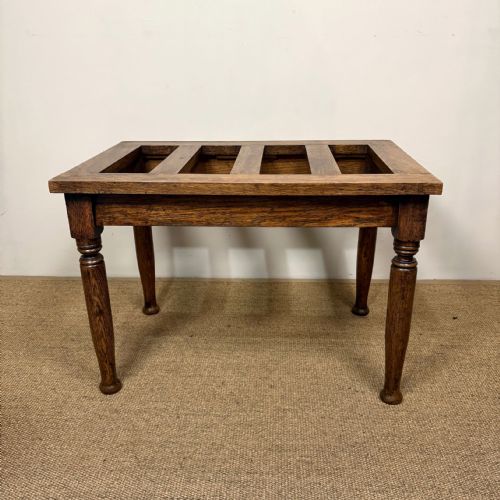


Guest Room Luggage Rack
A guest room luggage rack is a practical folding stand that keeps bags off the floor, offering visitors genuine convenience.
Guest Room Luggage Rack
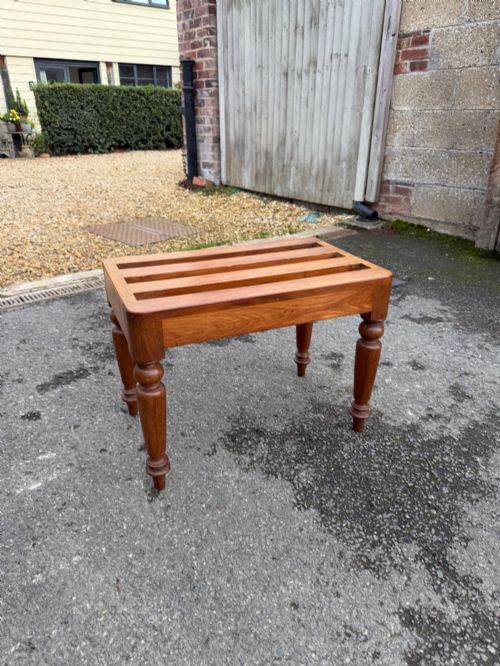
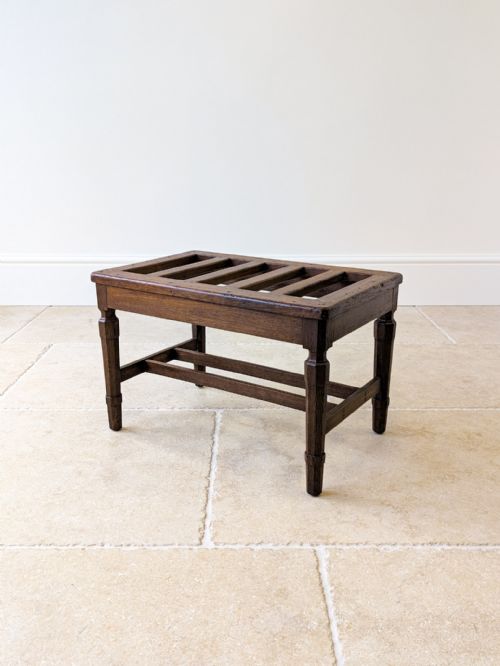
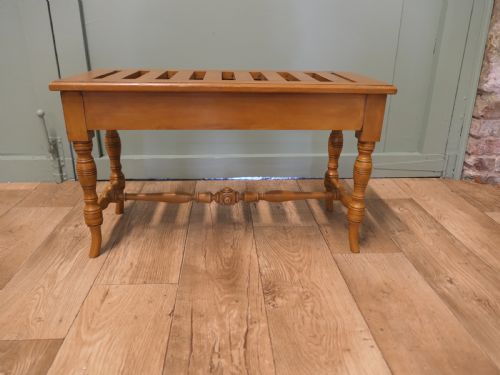
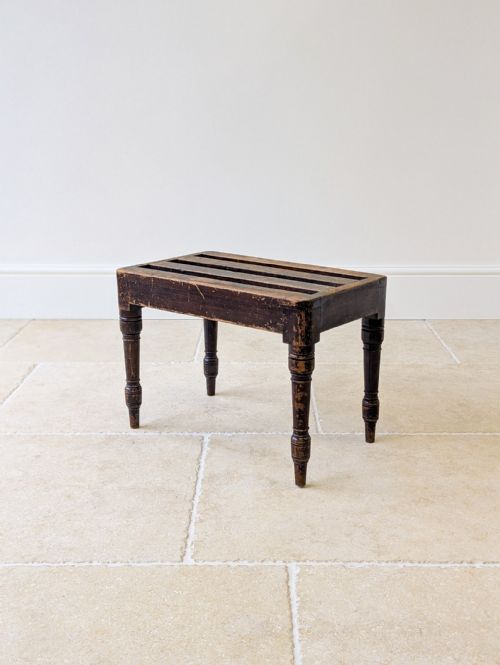
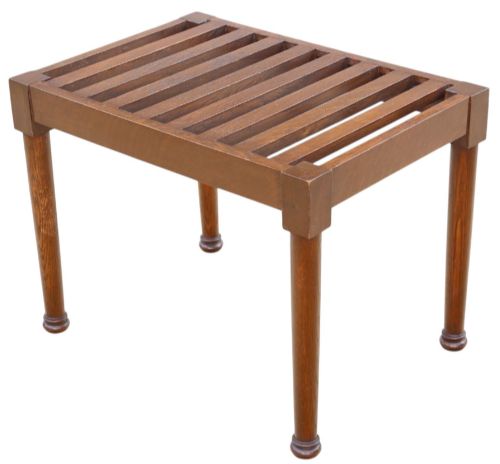
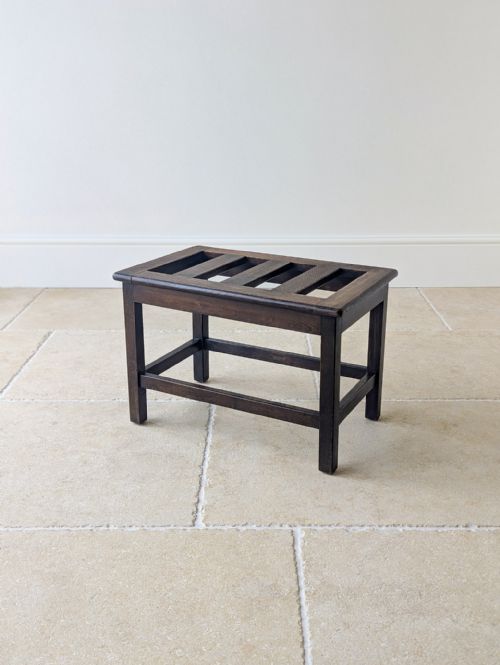
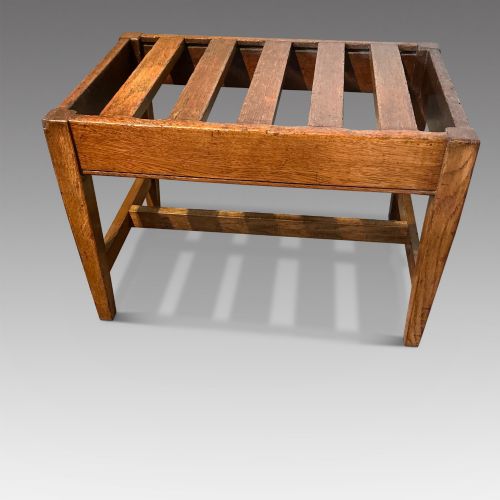
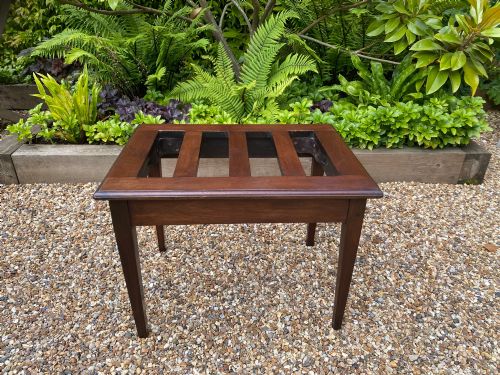
A guest room luggage rack is a dedicated stand designed to hold cases at a comfortable height for unpacking. These pieces appear in forms such as luggage stands and luggage racks across the selection.
The versions most commonly met on this page span the nineteenth century, the Edwardian period, and the early twentieth century. Makers produced these stands in various woods, offering functional furniture for domestic bedrooms.
Styles range from Victorian and Edwardian to English Country and Mid-Century Modern. Each piece reflects the interior preferences of its specific decade, from straightforward utility to more decorative timber framing.
How they were made
Cabinet makers utilised a variety of hardwoods including oak, mahogany, walnut, teak, yew wood, and painted pine. These sturdy timbers provided the necessary strength to support heavy travel cases.
Metal elements such as brass appear alongside wooden frames, adding structural support or detailing. Joinery methods varied according to the period, ensuring the folding or static frames remained stable under weight.
Guest Room Luggage Rack Retail Price Guide 2026
Typical asking prices for guest room luggage rack among the pieces listed under this phrase on Sellingantiques today, from the lower quarter to the upper quarter. They describe what is for sale here now, not the wider market.
One remarkably honest piece is simply described as a strong luggage rack, promising duty without any decorative fuss.
What varies in quality
The choice of timber creates a distinct separation in quality across the range, with dense hardwoods like walnut and yew wood representing more thoughtful material selection than simpler painted pine. Figured grains and rich natural finishes elevate the appearance of individual stands.
Refinement in the frame construction and period detailing also distinguish finer examples. Stands that retain their original brass fittings and display balanced proportions demonstrate superior craftsmanship compared to basic utility items.
The Guest Room Luggage Rack Glossary
- Luggage stand
- A raised wooden frame designed specifically for holding travel bags off the floor. These pieces are often folding to allow easy storage when not in use.
- Edwardian
- Pertaining to the reign of King Edward VII, spanning from 1901 to 1910. Furniture from this period frequently exhibits lighter proportions than heavy Victorian designs.
- Yew wood
- A dense, highly figured timber prized by cabinet makers for its rich grain patterns and warm hue. It appears on more unusual pieces.
- Mahogany
- A durable tropical hardwood valued for its deep reddish-brown colour and smooth finish. It was a staple material for fine bedroom furniture across multiple centuries.
Guest Room Luggage Rack: Frequently Asked Questions
What is a guest room luggage rack used for?
A guest room luggage rack provides a sturdy, elevated surface for visitors to unpack their bags without bending down to the floor. It keeps travel cases organised and protects bedroom carpets from heavy wheels.
These stands fold away easily when visitors depart, taking up minimal space in a cupboard or wardrobe until the next guest arrives.
How do I date an antique luggage rack?
Dating relies on observing the timber species, construction methods, and stylistic cues present in the frame. Pieces from the nineteenth century often feature heavier proportions, whereas Edwardian examples can appear lighter.
Reference to periods such as the early twentieth century or mid-century modern helps narrow down the decade of manufacture based on prevailing design trends.
Are these racks folding or static?
Many examples are designed to fold flat for convenient storage when the spare room is empty. This practical feature was essential for domestic housekeeping in period homes.
Static stands also exist within the selection, offering a permanent, rigid frame intended to stay in place within a designated dressing area.
Which woods are most common?
Oak and mahogany appear frequently among the listings, reflecting their widespread use in traditional British cabinet making. Walnut and teak also feature in various pieces.
Uncommon timbers such as yew wood and painted pine provide alternative finishes, allowing buyers to match existing bedroom furnishings.