
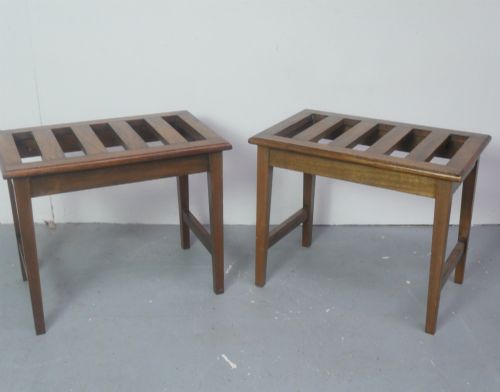
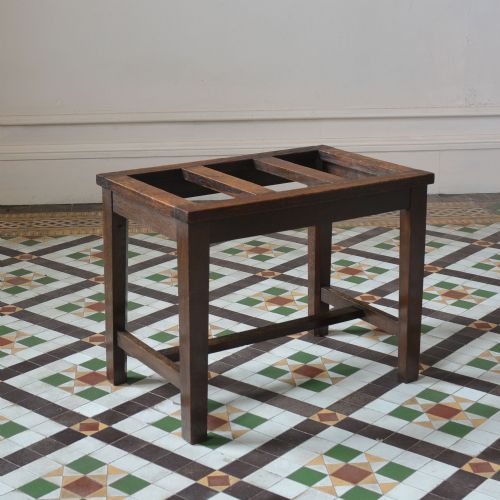
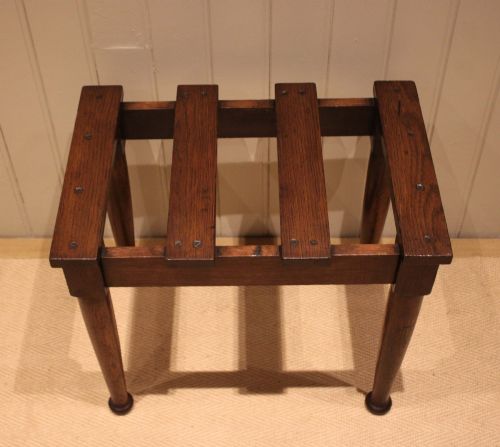
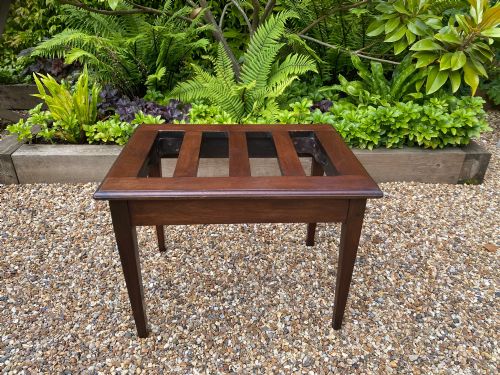


Antique Bedroom Luggage Bench
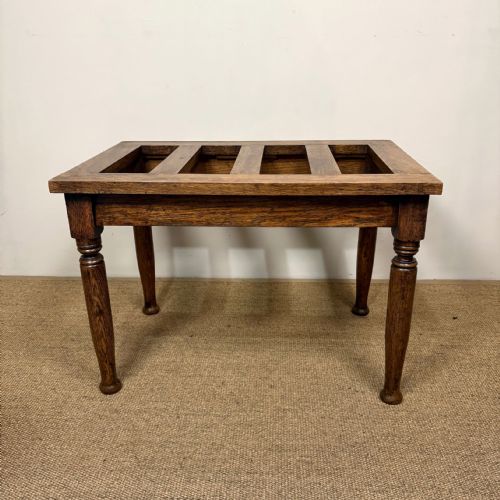
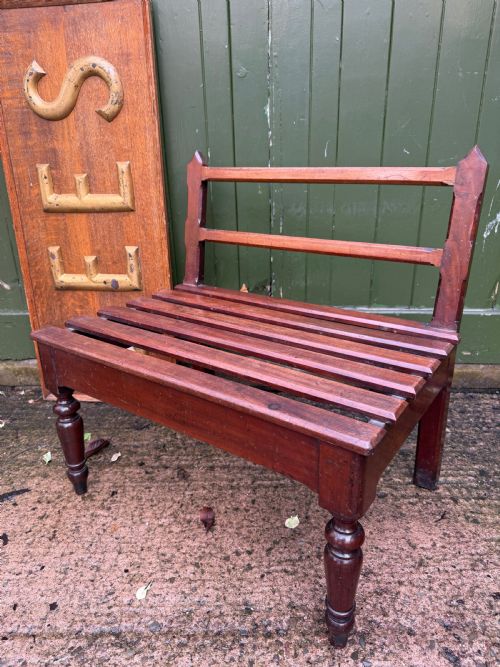
These antique bedroom luggage bench pieces are practical stands designed for guest rooms, offering sturdy wooden frames and folding or fixed utility.
Antique Bedroom Luggage Bench
When you search for an antique bedroom luggage bench, you encounter dedicated luggage stands and luggage racks originating from the nineteenth century through the early twentieth century. These utilitarian items served guests in hotels and grand houses by holding trunks off the floor at a convenient height.
The versions most commonly met on this page date from the Victorian and Edwardian eras, alongside pieces from the nineteen-twenties and mid-century modern periods. They typically take the form of folding or static timber stands with supportive top rails or webbing.
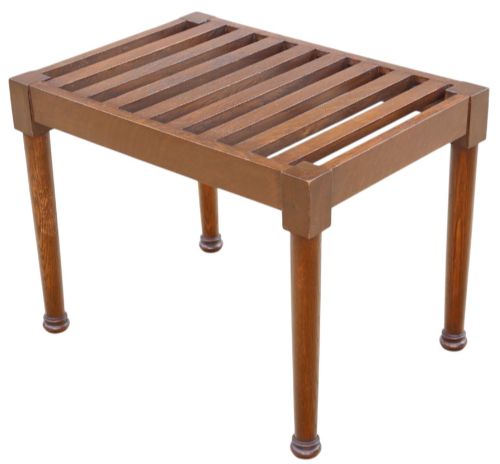
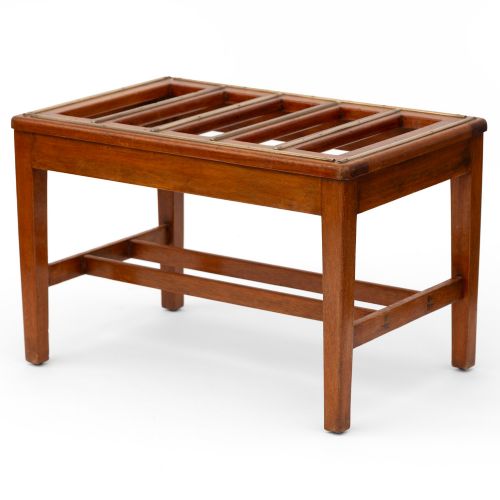
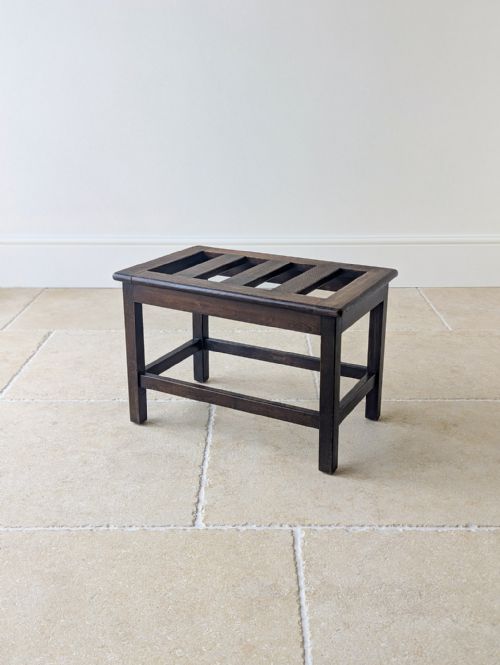
Makers fashioned these practical furnishings in English country house styles as well as hotel-grade specifications. Oak and mahogany dominate the offerings, occasionally accompanied by ebonised wood or walnut frames.
Materials and construction
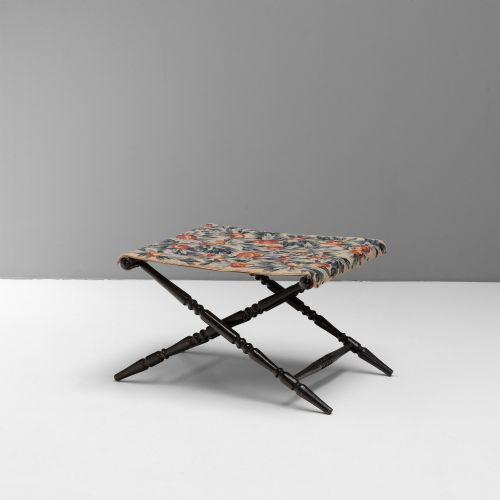
Cabinet makers built these stands using hardwoods such as solid oak and mahogany, ensuring the frames could support heavy travel chests. Some pieces incorporate brass fittings or textile and tapestry elements across the top supports.
Many examples utilise folding X-frame mechanisms for easy storage when not in use. Others feature a raised and raked rear upstand support to prevent bags from sliding against the wall.
Listings feature oak and mahogany pieces spanning from the mid-nineteenth century through the nineteen-twenties, including Edwardian designs.
Distinctions in quality
The standard of timber selection and depth of proportion separate basic utilitarian stands from superior hotel or country house examples. Heavier gauge woods and polished finishes indicate higher workshop standards.
The Antique Bedroom Luggage Bench Glossary
- Luggage stand
- A low wooden bench or rack designed to hold suitcases and trunks in a bedroom. These items keep baggage elevated for easy packing and unpacking.
- Upstand
- A raised barrier at the rear of a stand. This feature prevents luggage from scuffing the bedroom wall.
- X-frame
- A cross-legged folding structure used in portable furniture. It allows the stand to collapse flat when not in use.
- Ebonised wood
- Timber treated with a dark stain or finish to resemble ebony. This treatment provides a formal appearance on nineteenth-century frames.
Antique Bedroom Luggage Bench: Frequently Asked Questions
What is an antique bedroom luggage bench?
An antique bedroom luggage bench is a timber stand designed to support suitcases at a comfortable height in a guest room. They date from the nineteenth and early twentieth centuries.
These pieces provide a stable surface for unpacking bags without placing heavy trunks directly onto furniture or floors.
How were luggage stands used originally?
Hotels and large private residences utilised these stands in guest bedrooms to accommodate heavy travel trunks. Guests could easily access their belongings without bending down to the floor.
Many examples fold flat for convenient storage by housekeeping staff when rooms were unoccupied between visitors.
Which woods are common on these stands?
Oak and mahogany appear most frequently among surviving examples from the Victorian and Edwardian periods. Cabinet makers also employed walnut and ebonised wood.
These durable hardwoods ensured the frames withstood the heavy weight of nineteenth-century luggage.
What distinguishes a luggage rack from a stand?
Makers and dealers often use the terms interchangeably for pieces that hold travel bags. Some examples feature specific webbing tops while others rely on wooden slats.
Both forms served the same practical function in period sleeping quarters.