



Edwardian Oak Luggage Stand
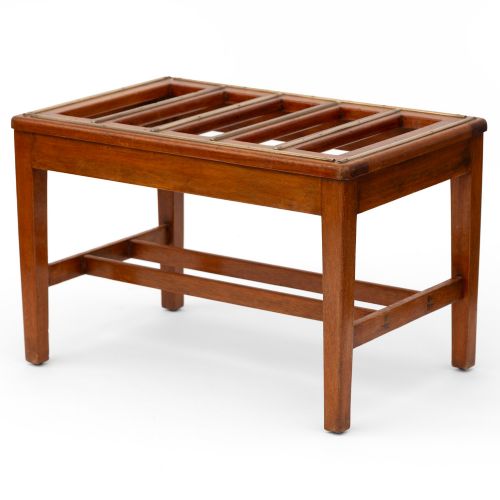
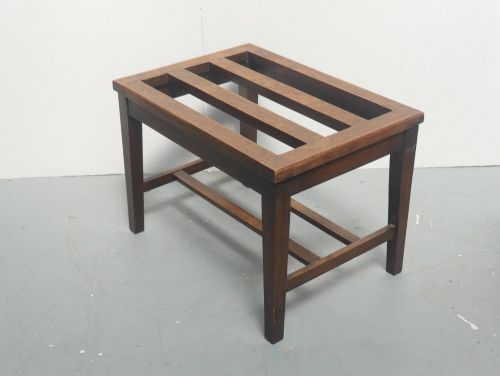
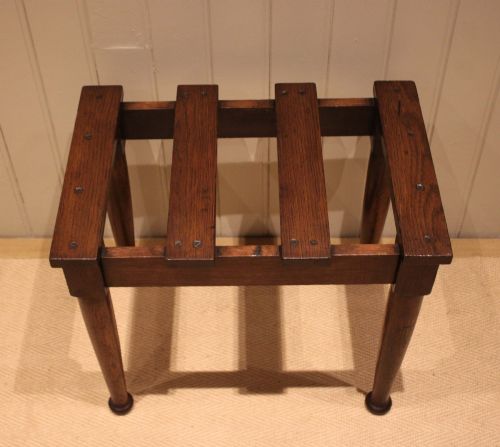
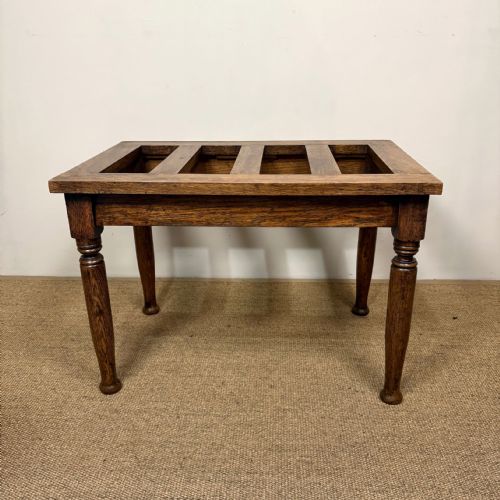
An edwardian oak luggage stand brings practical utility and sturdy construction to a bedroom or hallway, offering a raised surface for a suitcase.
Edwardian Oak Luggage Stand
An edwardian oak luggage stand is a functional piece designed to hold cases in bedrooms or hallways. These items emerge from periods such as the Edwardian era and the nineteenth century, reflecting the needs of traditional hospitality and domestic life.
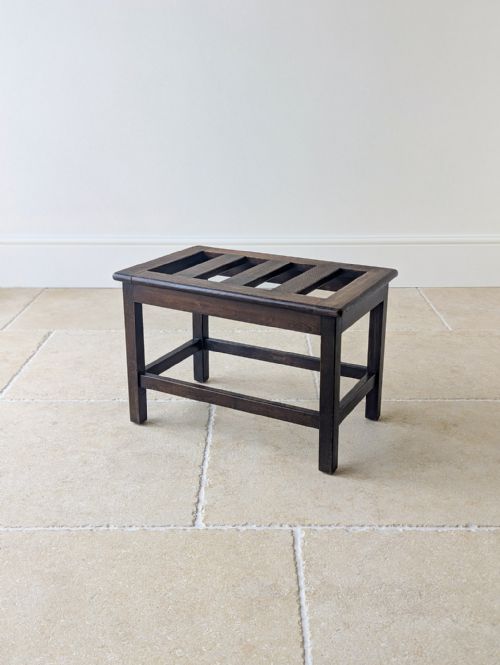
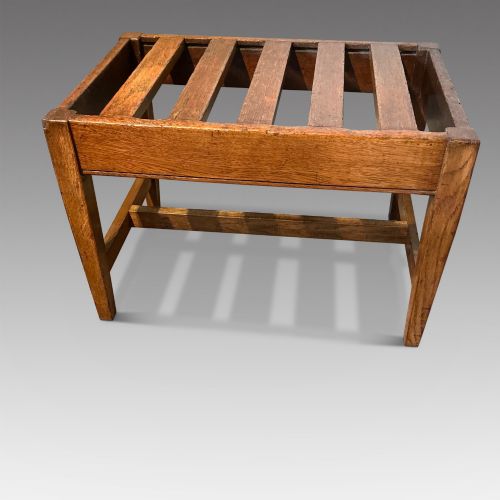
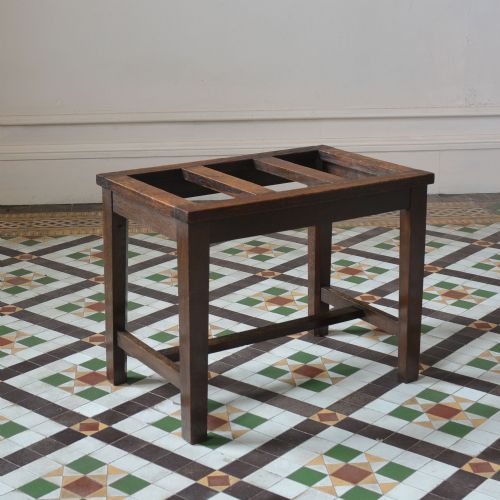
You are most likely to meet examples in solid oak, occasionally limed or polished, with slatted tops and supportive side rails. Certain pieces bear the stamp of notable makers like Waring & Gillow, while others originate from English country houses or hotels.
The form spans luggage racks, stands, and suitcase holders, often doubling as a convenient night stand. Their construction prioritises durability to bear the weight of heavy travel chests.
How they were made
Makers utilised solid oak, sometimes polished to a warm finish or treated with a limed effect to lighten the grain. This dense timber provided the structural strength required for supporting heavy luggage without buckling.
Brass fittings and hardware frequently complemented the oak frames, adding durability to hinges and joints. Joinery techniques from the period ensured these stands withstood daily use in guest rooms and corridors.
Some stands retain the faint scent of old hotel polish, whispering tales of grand West End arrivals and forgotten journeys.
What varies in quality
The distinction between standard utility items and finer pieces often lies in subtle decorative details, such as carved woodwork or specific timber selection. Pieces originating from prominent establishments or workshops tend to display superior finish and refined proportions.
The condition of the original oak and the presence of maker attribution elevate certain examples above plain hotel or domestic iterations. Solid construction without heavy replacement parts remains a key indicator of desirability.
Waring & Gillow
The Edwardian Oak Luggage Stand Glossary
- Edwardian
- Pertaining to the reign of King Edward VII, spanning the early years of the twentieth century. Furniture from this era often shows lighter proportions than Victorian equivalents.
- Oak
- A hard, durable timber with a distinct grain pattern, utilised extensively for English furniture. It provides the strength necessary for heavy-use items like luggage stands.
- Luggage rack
- A low stand featuring a slatted top designed to hold suitcases or travel bags. These were standard furnishings in bedrooms and hotel rooms.
- Limed oak
- A wood treatment involving a white or pale pigment rubbed into the open pores of the oak. This finish creates a lighter, decorative surface texture.
Edwardian Oak Luggage Stand: Frequently Asked Questions
What is an edwardian oak luggage stand used for?
These pieces were originally designed to hold heavy suitcases and travel trunks off the floor in bedrooms or hotel rooms. They provided guests and residents with easy access to their belongings without requiring luggage to sit on beds or chairs.
Today, they function well in guest bedrooms or hallways as occasional tables or low display surfaces. Their sturdy construction allows them to support various household items while maintaining a traditional aesthetic.
How do I tell an edwardian piece from a nineteenth century one?
Edwardian furniture typically displays lighter forms and simpler lines compared to earlier nineteenth-century examples. The period is defined by pieces made around the turn of the twentieth century, often reflecting a shift towards domestic convenience.
Nineteenth-century items frequently exhibit heavier timber framing and darker finishes. Comparing the construction methods and stylistic cues helps determine the likely era of manufacture.
Where were these stands placed in a home?
They were commonly positioned in guest bedrooms at the foot of the bed or near a wardrobe. This placement ensured visitors could easily unpack their luggage upon arrival.
Some examples also served in hallways as convenient drop zones for bags and coats. Their compact footprint made them adaptable to various rooms in large houses and hotels.
Are all these stands made of solid oak?
Most recorded examples utilise solid oak for its strength and resilience under heavy loads. The timber provides a reliable frame that resists the wear associated with supporting travel cases.
Alternative finishes like polished or limed surfaces appear across different pieces depending on the maker's design. The core material remains consistent across the majority of surviving examples.