
Vintage Oak Display Stand
A vintage oak display stand brings sturdy timber and practical elevation to your books, plants or objects.
Vintage Oak Display Stand
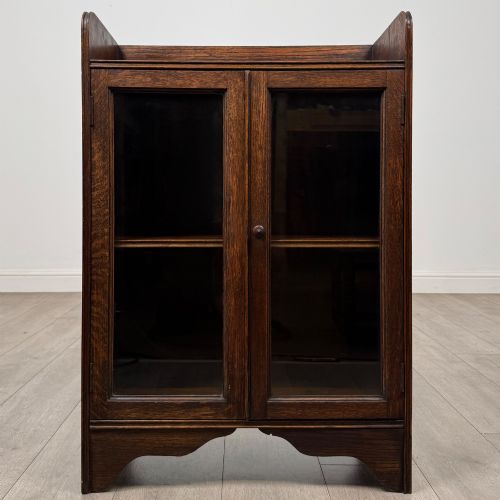
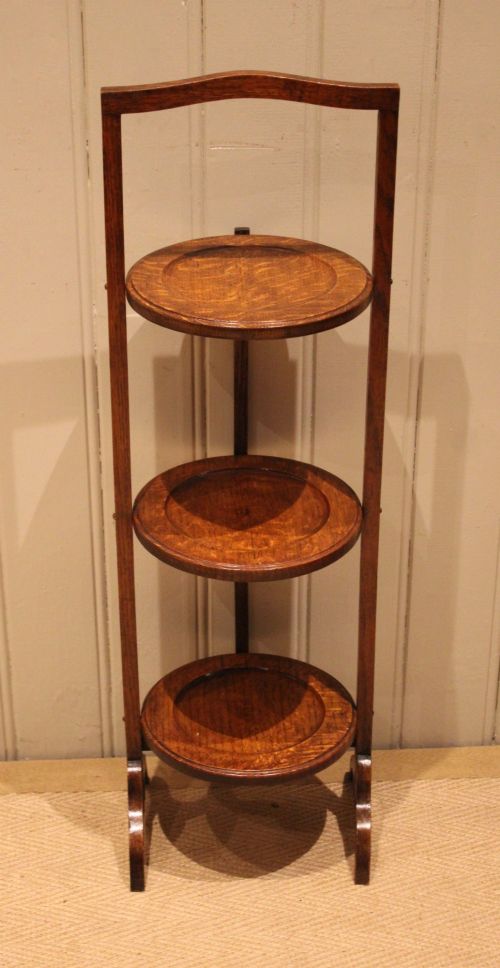
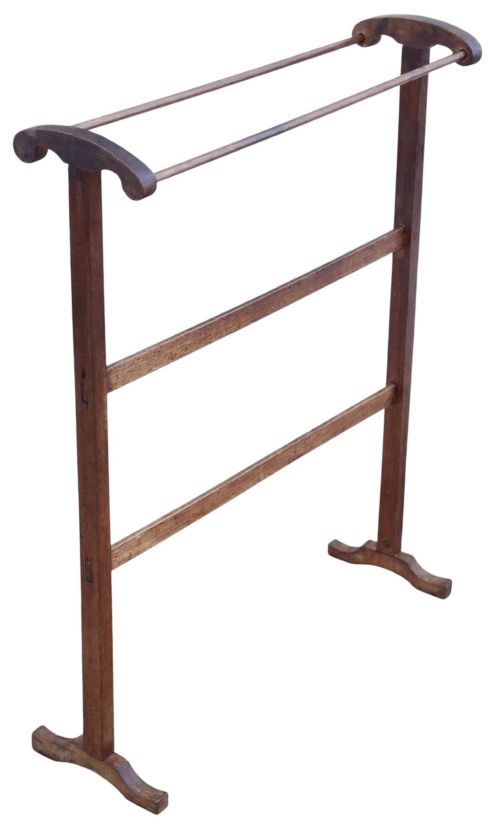
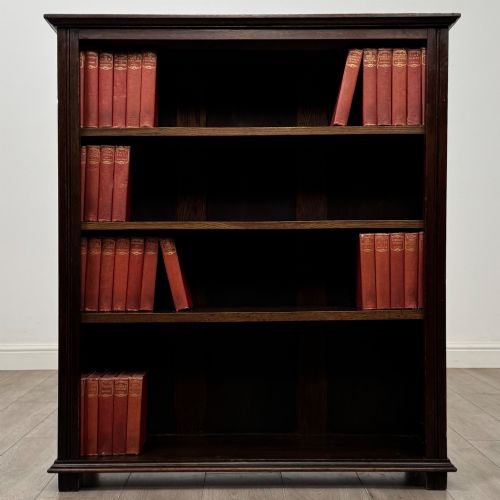
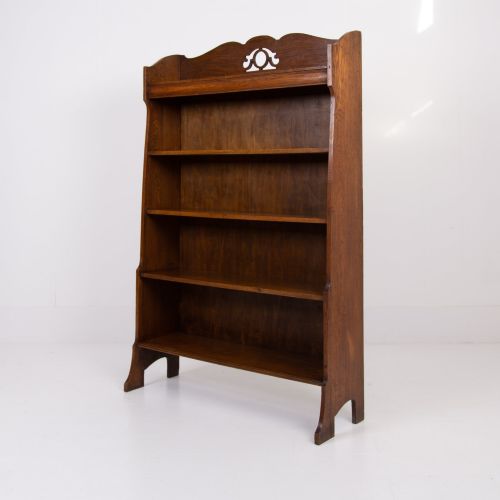
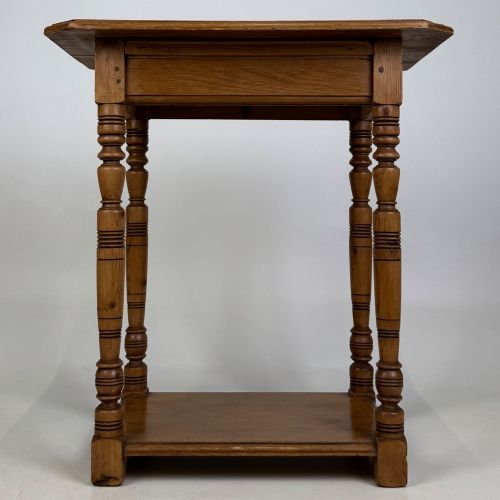
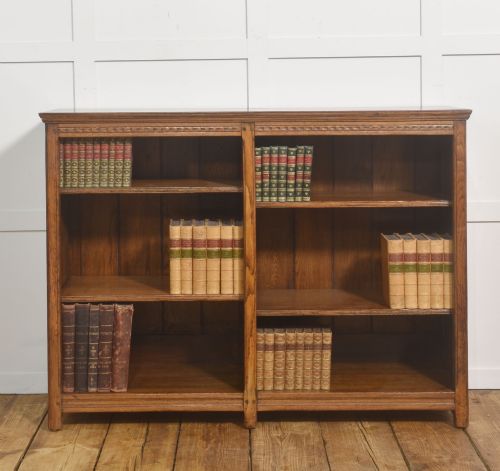
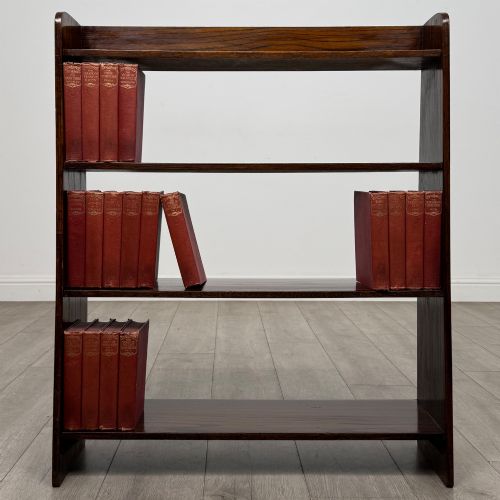
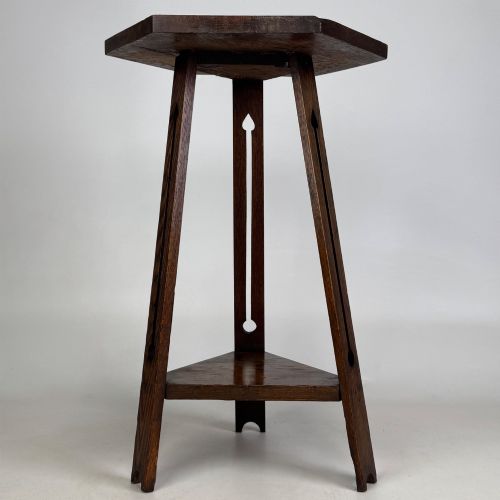
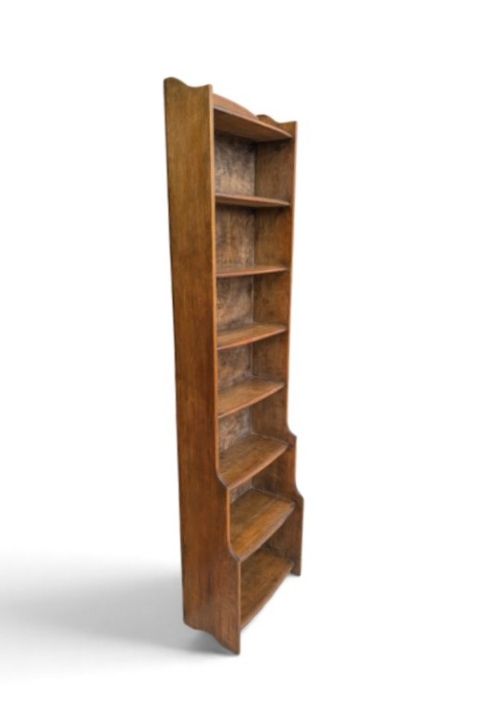
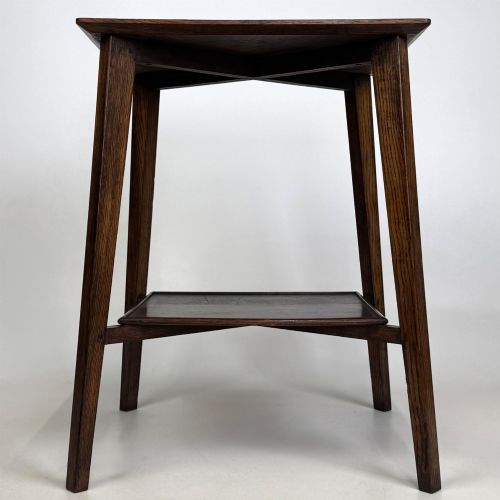
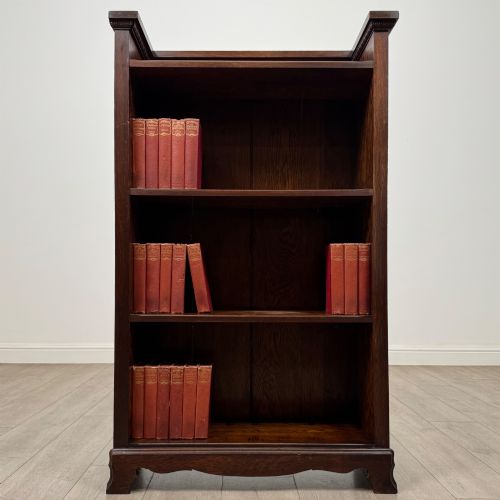
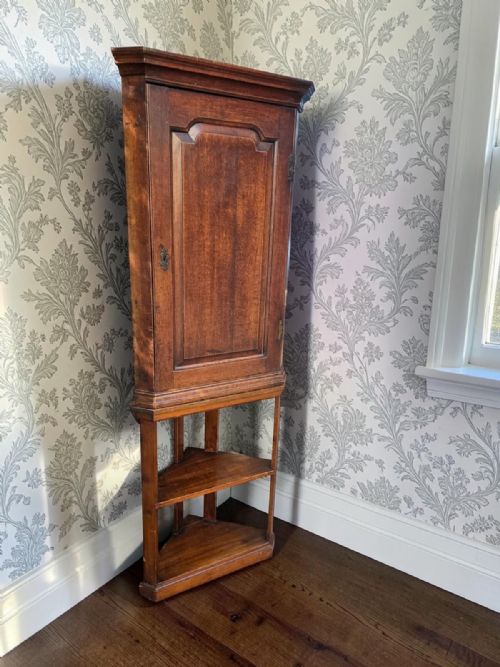
When searching for a vintage oak display stand, collectors encounter a diverse group of functional wooden items spanning the nineteenth and twentieth centuries. The selection includes open bookcases, cake stands, easels, side tables, plant stands and corner cabinets originating from Victorian, Edwardian, Arts and Crafts and Art Deco periods.
Edwardian open bookcases and early twentieth-century occasional furniture appear most frequently in this collection. These items utilise oak alongside brass, glass and mahogany to provide sturdy surfaces for domestic display and storage.
The objects range from compact two-tier plant stands and folding cake stands to large studio easels and glazed display cabinets. English and French workshops produced these practical furnishings in various revival styles, including Jacobean and French Provincial.
Materials and Construction Methods
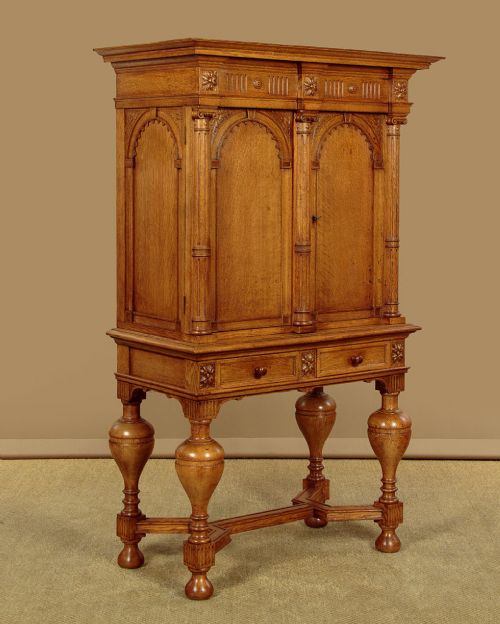
Joiners and cabinetmakers relied primarily on solid oak, sometimes combined with mahogany or specimen woods, to build durable frames that withstand daily use. Metal hinges, brass fittings and glass panels frequently complete the construction of cabinets, easels and bookcases.
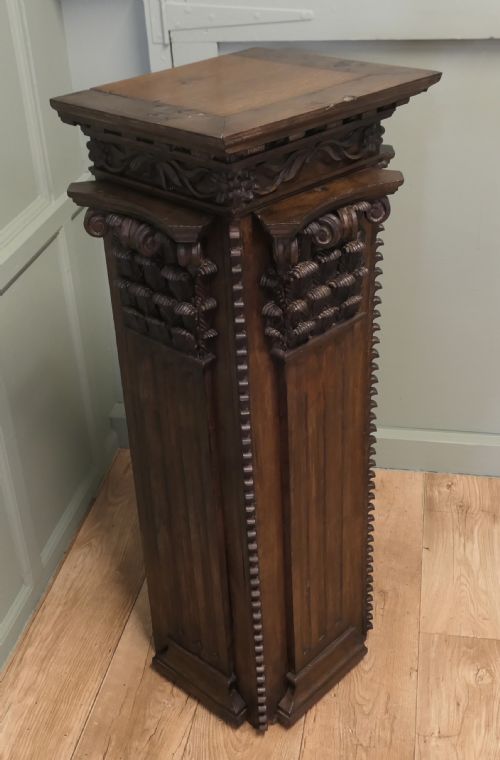
Hand-carved detailing appears on French columns, Arts and Crafts side tables and display pedestals. Surface finishes range from polished golden oak to leather-topped writing inserts and carved wooden supports.
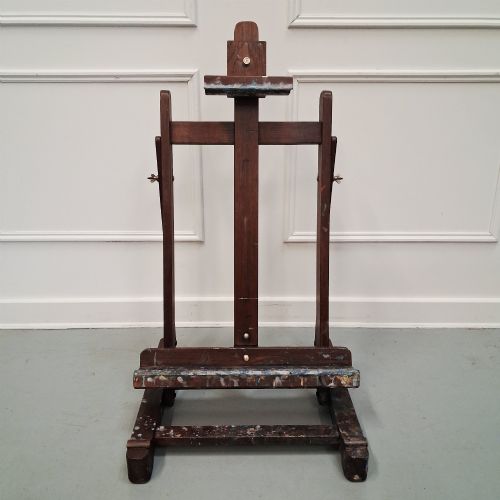
A sturdy oak easel stands ready to hold a canvas, a heavy book or perhaps a very ambitious family portrait.
Distinctions in Execution
The grade of an oak piece depends on the selection of timber grain, the precision of joinery and the integrity of moving parts such as adjustable shelves or folding mechanisms. Examples featuring integrated carving, brass hardware or specimen wood inlay demonstrate higher craftsmanship than plain utility items.
Structural stability in taller items like studio easels and corner cabinets separates superior examples from lesser pieces. The crispness of carved mouldings and the original condition of glass panels and leather inserts influence the overall standard of the object.
Heals
The Vintage Oak Display Stand Glossary
- Edwardian
- Pertaining to the reign of King Edward VII, spanning from 1901 to 1910, characterised by lighter proportions and eclectic revival styles. Furniture from this era often utilises golden oak.
- Arts and Crafts
- A design movement originating in the late nineteenth century that emphasised handcrafting, simple lines and visible construction. Pieces from this tradition frequently display honest timber joints and minimal ornamentation.
- Easel
- A freestanding upright frame used for holding an artist's canvas or displaying a picture or book. These wooden stands often feature adjustable heights and folding supports.
- Jardiniere
- An ornamental stand or pot designed to hold a plant or floral arrangement. In oak furniture, these take the form of tall pedestals with circular or square tops.
- Waterfall bookcase
- A set of open shelves where each tier is narrower than the one below, creating a stepped profile. This form gained popularity during the Edwardian period for displaying books.
Vintage Oak Display Stand: Frequently Asked Questions
What periods do these oak stands come from?
The listings span the nineteenth and twentieth centuries, encompassing Victorian, Edwardian, Arts and Crafts, and Art Deco eras. Most items date from the decades around nineteen hundred to the nineteen thirties.
Craftsmen during these periods utilised solid oak to produce versatile display furniture ranging from adjustable bookcases to tabletop easels and plant stands.
How were oak cake stands used?
Folding oak cake stands served domestic tea parties by holding multiple plates of baked goods in a tiered vertical space. Their collapsible frames allowed for easy storage when not in use.
These pieces combined practical utility with decorative woodturning, often featuring two or three tiers connected by hinged supports.
Where should I place a corner cabinet?
Floor-standing corner cabinets fit neatly into unused room angles, maximising floor space while offering display shelving behind glazed or open doors. They suit dining rooms and living spaces for exhibiting ceramics or books.
Early twentieth-century examples provide secure storage without dominating the perimeter of a smaller room.
How do I care for vintage oak furniture?
Maintain oak surfaces by dusting with a dry cloth and avoiding direct exposure to strong sunlight or heat sources. Applying appropriate beeswax occasionally helps nourish the timber grain.
Protect leather-topped sections and brass fittings from moisture to preserve their original finish and structural integrity.