
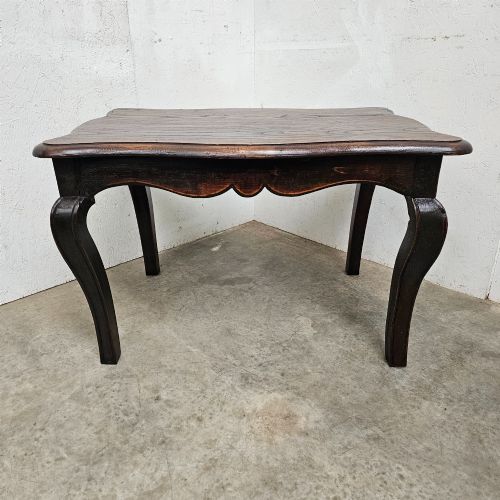
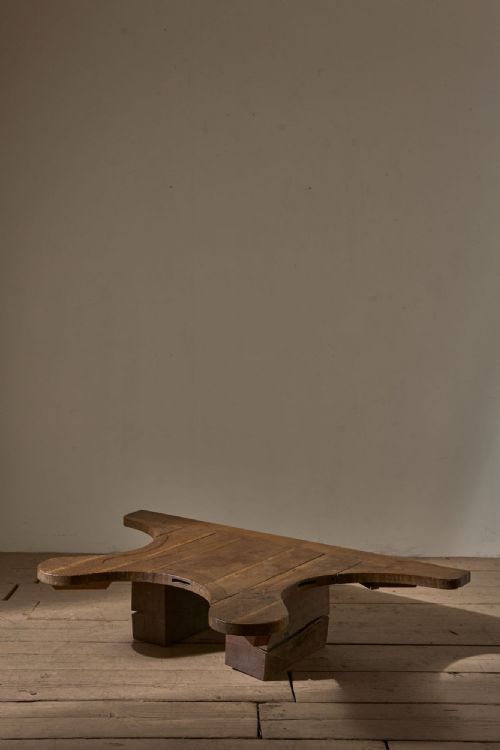
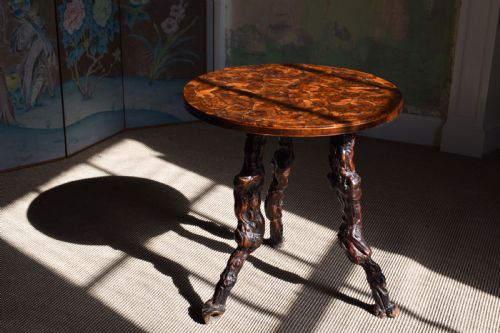
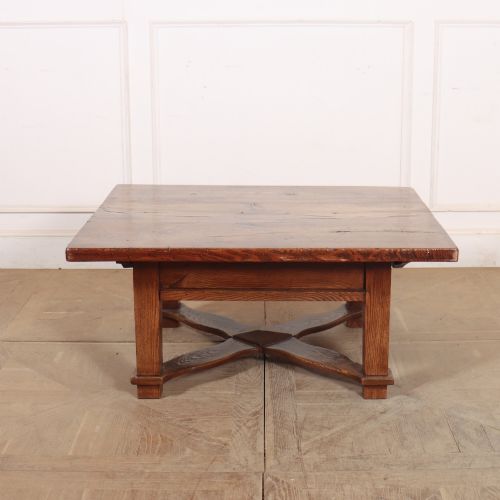


Rustic Wood Coffee Table
A rustic wood coffee table brings grounded texture and honest grain to a room, offering a functional surface rooted in traditional materials.
Rustic Wood Coffee Table
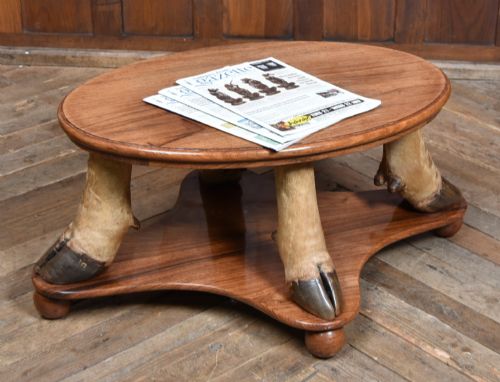
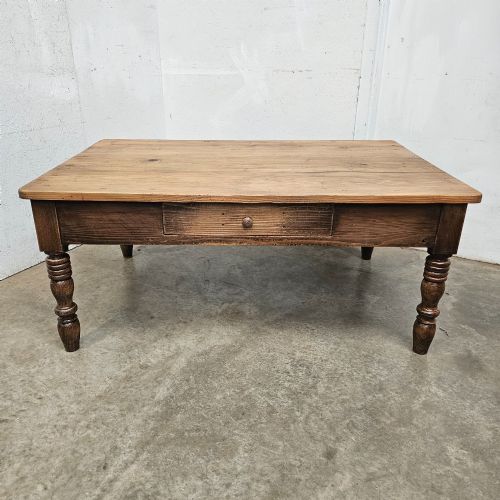
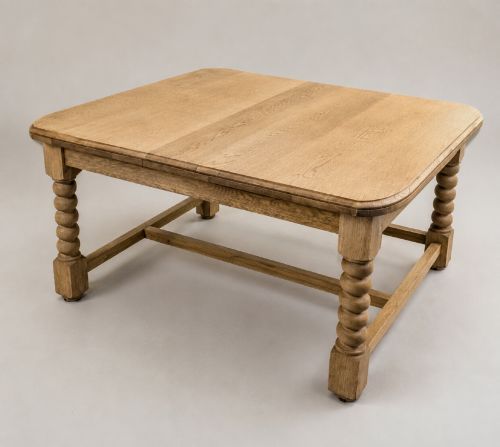
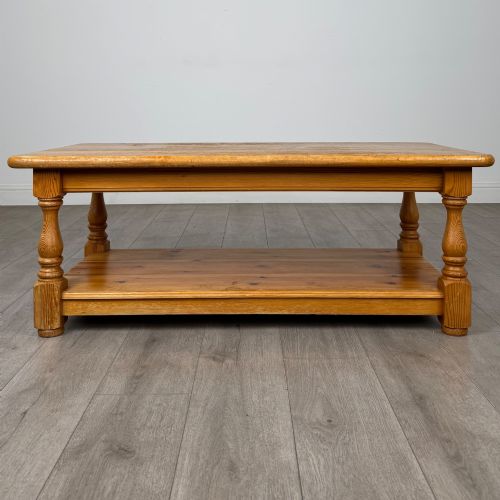
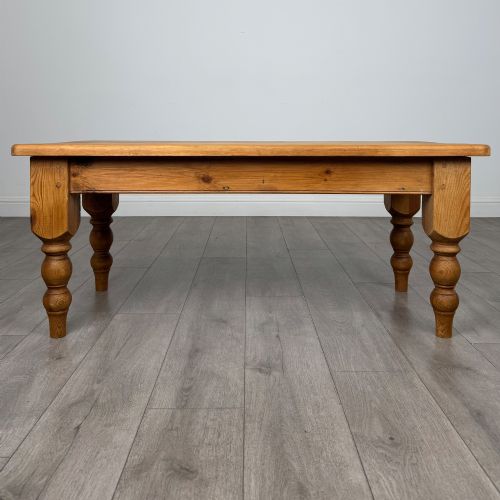
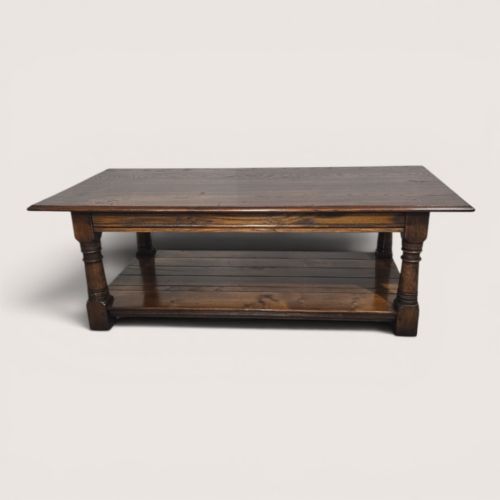
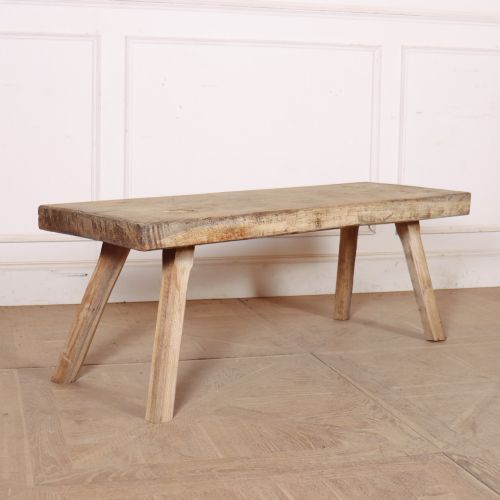
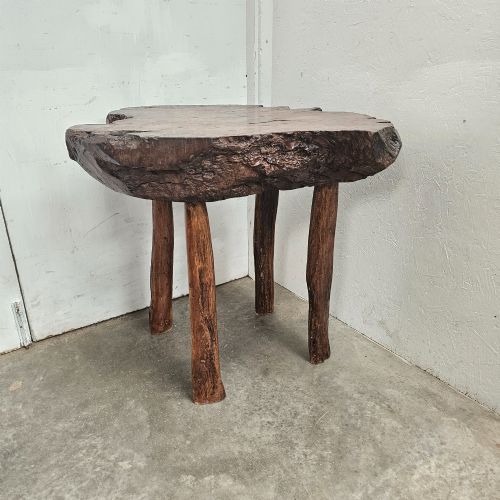
A rustic wood coffee table serves as a sturdy centrepiece, built from timbers that often show the distinct marks of prior utility and age. When searching for a rustic wood coffee table, buyers encounter formats ranging from low farmhouse designs and scrubbed trestles to converted industrial benches.
The selections span the eighteenth, nineteenth, and early twentieth centuries, drawing on English, French, Spanish, Austrian, Dutch, Indian, and Chinese origins. Pine and oak appear frequently alongside elm, fruitwood, cherry, and olive wood.
Many examples originate as utilitarian objects such as cheese presses, jewellers' benches, blanket boxes, or cart bases before finding new life as low tables. These diverse forms bring distinct regional character and varied proportions to domestic interiors.
Materials and construction methods
Carpenters constructed these pieces using solid hardwoods and softwoods like oak, pine, elm, and cherry, selected for local availability and durability. Planks were joined with pegged mortise and tenon joints or simple dowels to withstand daily labour.
Surface preparation relied on hand planes, adzes, and scrapers, leaving tool marks that record the manual fabrication process. Over generations, regular scrubbing and waxing created patinas on timber surfaces exposed to everyday use.
One repurposed cheese press now serves as a heavy low table, holding centuries of agricultural history right in front of the sofa.
Assessing quality and character
Quality rests in the integrity of the timber and the honesty of the construction, where original patinas and uncompromised structural joints elevate an example. Pieces retain distinction through natural shrinkage, authentic wear from past domestic duties, and balanced proportions.
Lesser pieces may suffer from unsympathetic alterations or replacement timber that disrupts the historic surface continuity. The most compelling items maintain their original fixings, unpainted grain, and the unforced character earned through decades of service.
The Rustic Wood Coffee Table Glossary
- Patina
- The surface sheen and softening of edges developed by timber through handling, light exposure, and polishing over many decades. This quality indicates genuine age and use.
- Trestle
- A structural framework consisting of two or more upright supports connected by a horizontal beam, commonly used to support long low table tops.
- Scrubbed
- A finish achieved by vigorous washing with soap and water, removing old finishes to leave pale, clean bare timber typical of farmhouse preparation.
- Gate leg
- A table design featuring hinged legs that swing out to support drop leaves, allowing the surface area to expand when required.
- Plank
- A long, flat piece of timber sawn from a log, often left broad in these tables to showcase natural grain patterns and knots.
Rustic Wood Coffee Table: Frequently Asked Questions
How do I clean a rustic wooden table?
Dust the surface regularly with a dry, soft cloth to prevent grit accumulation in the grain. Apply a clear beeswax sparingly when the timber appears dry, buffing gently to maintain the natural sheen without creating a glossy finish.
Avoid chemical sprays or excessive moisture, which can penetrate unsealed antique wood and damage historical surfaces. Simple preventive care preserves the underlying patina and protects the fibres from splitting.
Are these tables suitable for everyday use?
Solid timber construction makes these pieces inherently resilient for daily domestic life. Their surfaces already bear the marks of previous generations, meaning normal use adds to their evolving history rather than spoiling a pristine finish.
Using coasters and placemats helps guard against rings from hot mugs or moisture. The robust nature of oak, pine, and elm ensures the frame remains stable under everyday demands.
How can I tell the period of the timber?
Examining the tool marks, joinery methods, and hardware provides clear indicators of age. Hand-sawn boards show irregular striations, while pegged joints and hand-forged iron nails point to earlier manufacturing periods before mass production.
Changes in colour and the depth of the surface patina also help separate eighteenth-century examples from twentieth-century revivals. Comparing the wood density and shrinkage patterns further confirms the historical timeline.
Will a low wooden table fit my sofa?
Checking the height and length dimensions against your seating ensures comfortable proportions in the room. Low tables function best when positioned within easy reach of the sofa edge without blocking pathways.
Consider the leg clearance underneath if you plan to stretch your legs or store low baskets. Different regional forms offer varying heights, from shallow platform styles to taller trestle variants.