

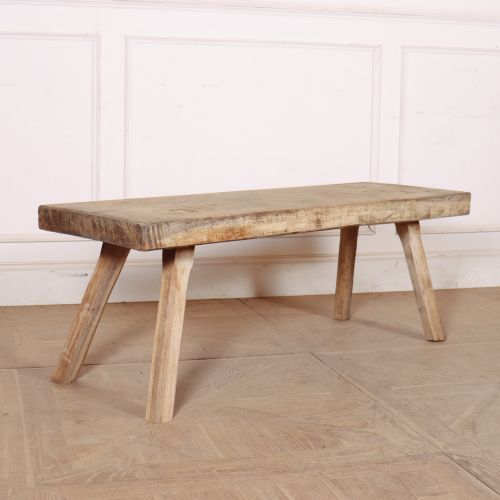


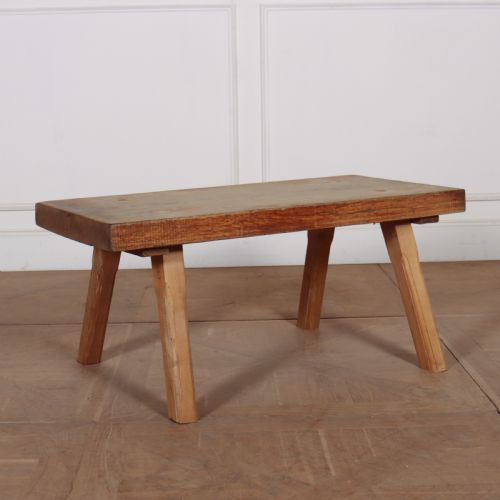


French Oak Low Table
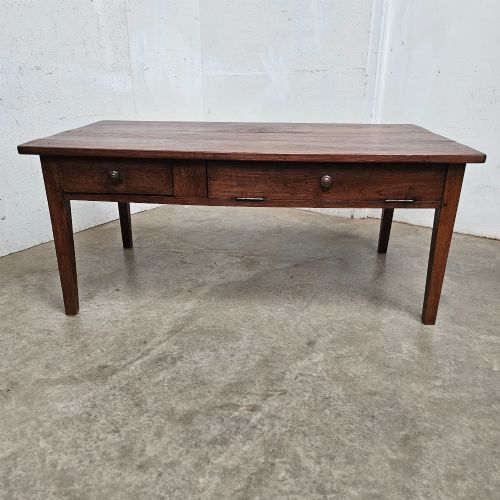
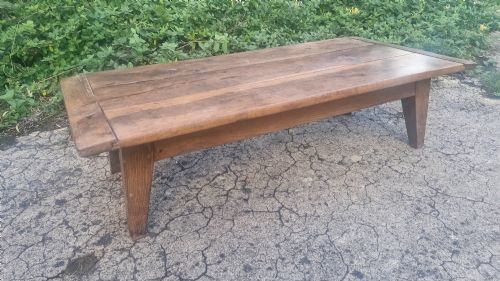
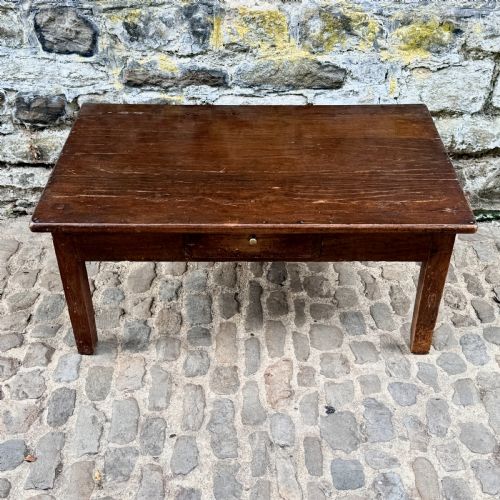
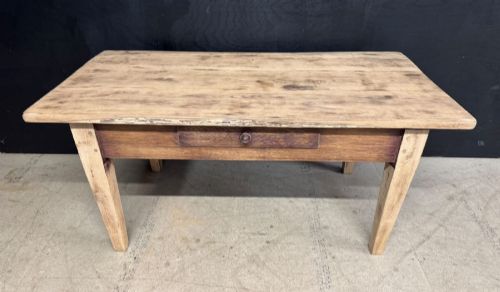
These french oak low table pieces bring rustic provincial utility to modern rooms, offering solid timber construction and honest farmhouse charm.
French Oak Low Table
A french oak low table brings utilitarian country character into modern living spaces, primarily taking the form of coffee tables, display pieces, and occasional surfaces. These low tables emerge from various periods including the eighteenth century, nineteenth century, and early twentieth century, reflecting enduring provincial utility.
Buyers meet sturdy examples shaped by regional traditions such as French Provincial, Rustic Farmhouse, and Dutch Rococo aesthetics. The selection spans straightforward coffee tables to specialist forms like bread prep tables, cheesemaking tables, and small bedside cabinets.
Solid timber construction dominates the category, with oak frequently accompanied by secondary woods like chestnut, sycamore, pine, and fruitwood. These low surfaces serve modern homes as functional coffee tables while retaining the honest patina of their provincial origins.
What separates the best pieces
Quality rests in the integrity of the timber, the honesty of the surface patina, and the proportion of the base. Tables retain more character when their original grain remains visible, whether darkened by age or intentionally bleached.
French Oak Low Table Retail Price Guide 2026
Typical asking prices for french oak low table among the pieces listed under this phrase on Sellingantiques today, from the lower quarter to the upper quarter. They describe what is for sale here now, not the wider market.
Listings feature timbers including oak, chestnut, pine, sycamore, and fruitwood across nineteenth-century and Edwardian periods.
The French Oak Low Table Glossary
- Cabriole leg
- A furniture leg that curves outward and then tapers inward, mimicking an animal limb. This stylistic feature appears on select provincial tables.
- Bread prep table
- A heavy utilitarian work surface designed for domestic baking in French country kitchens. These tables often feature thick oak tops and practical storage drawers.
- Bleached oak
- Timber treated to lighten its natural tone, creating a softer, paler finish. This treatment surfaces across nineteenth-century examples.
- Provincial
- Denoting styles originating from the regions outside Paris, characterised by sturdy construction and regional craftsmanship. These designs prioritize utility over ornate court decoration.
French Oak Low Table: Frequently Asked Questions
How do I use a low table?
These tables function primarily as coffee tables in living rooms, providing a sturdy central surface for books and daily items. Their solid construction handles everyday domestic use with ease.
Historically utilised for food preparation in French kitchens, they now bring rustic warmth and practical surface area to contemporary seating arrangements.
How can I tell the period?
Dating relies on observing construction methods, timber choice, and leg design across the piece. Eighteenth-century examples often display hand-cut joinery and dense, aged fruitwood or oak.
Nineteenth and twentieth-century versions introduce turned legs, bleached finishes, and standardised hardware while maintaining traditional provincial forms.
Are these tables solid oak?
Most pieces feature solid oak construction as the primary timber, occasionally paired with chestnut, sycamore, or pine for secondary parts. Regional makers utilised local hardwoods available in their workshops.
Solid timber construction ensures durability, allowing these low tables to survive centuries of continuous domestic service.
What is a bread prep table?
A bread prep table is a specialised utilitarian work surface built for domestic baking in rural French homes. They feature heavy oak tops designed for kneading dough.
Many incorporate practical side drawers or lift-top lids to store baking utensils and ingredients close at hand.