
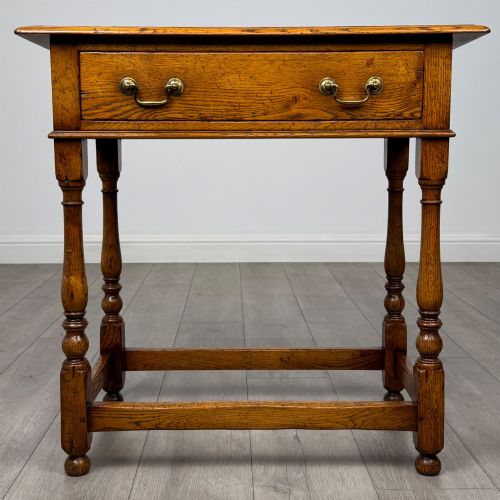
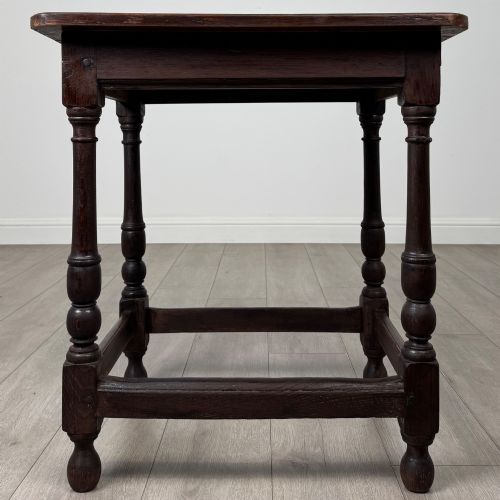
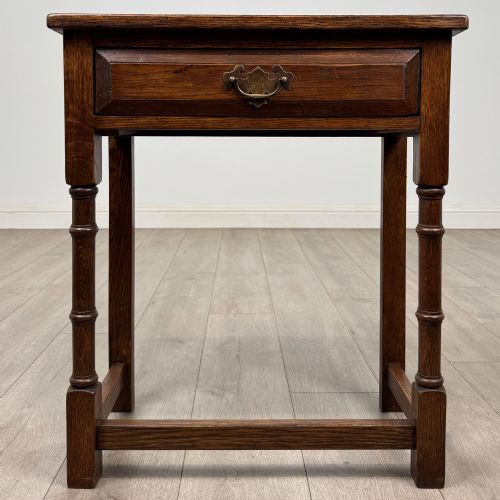
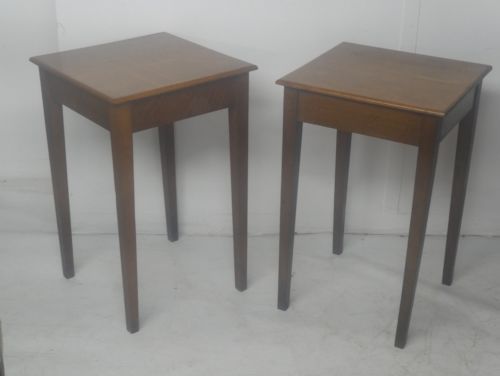
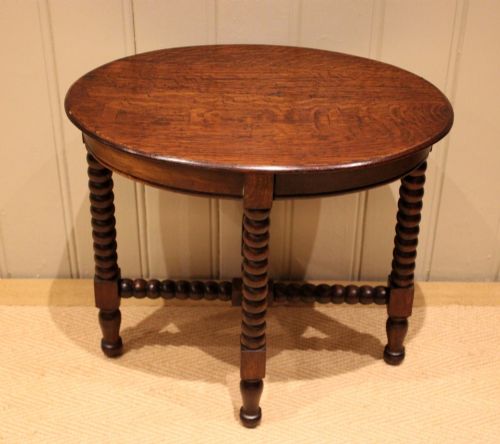


Traditional Oak End Table
A traditional oak end table brings warm timber grain and sturdy utility to a corner, offering a compact surface built to last.
Traditional Oak End Table
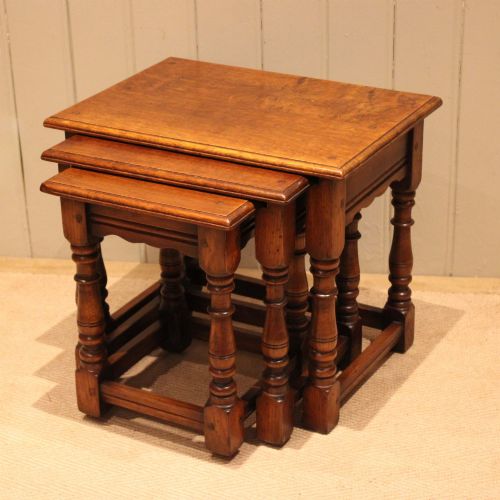
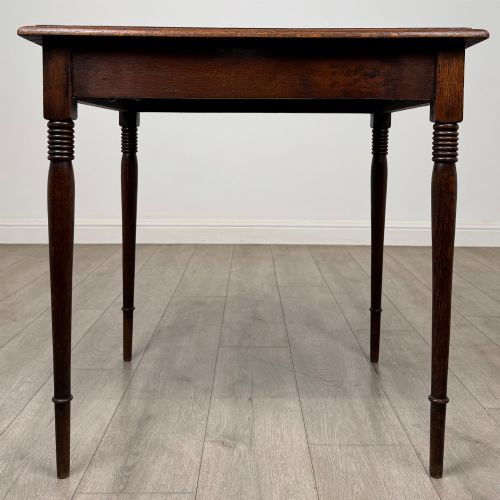
When you search for a traditional oak end table, you encounter compact occasional pieces primarily taking the form of side tables, lamp tables, and nests of tables spanning periods from the eighteenth century to the mid-twentieth century. These surfaces serve daily domestic needs while anchoring a room with historic character.
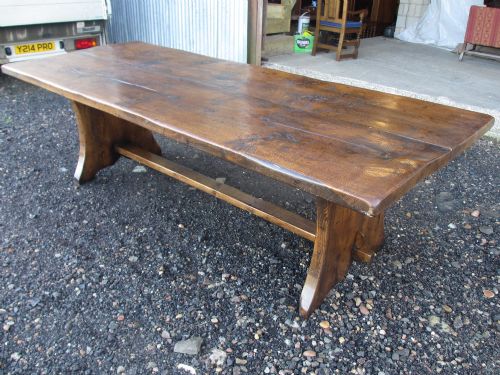
The selections span several distinct regional styles and revivals, including Jacobean revival, English and Scottish country, and Dutch traditional forms. These pieces range from simple small oval surfaces and cricket tables to carved designs featuring barley twist legs and trestle supports.
How they were made
Makers constructed these pieces predominantly using solid oak, occasionally supplemented by secondary timbers such as pine or hardwood, and finished them with brass or iron hardware where handles or fittings were required. Some examples incorporate painted finishes or bleached treatments to alter the appearance of the timber grain.
Joinery techniques rely on traditional timber construction methods appropriate to each period, from early peg construction to later turned and carved supports. Turned elements such as barley twists and shaped trestle ends demonstrate the distinct carpentry skills of various eras.
Early cricket tables were built with three splayed legs because floors were so uneven that four legs would simply rock back and forth.
What varies in quality
The standard of a traditional oak end table rests upon the selection of the timber and the integrity of its construction. Heavier, dense oak framing and crisp hand-carved detailing distinguish superior examples from simpler, later interpretations.
Proportion and the preservation of original surfaces also dictate distinction. Pieces that retain their historic timber colour and patination without excessive later intervention command greater appreciation among collectors.
The Traditional Oak End Table Glossary
- Oak
- A durable, heavy hardwood with prominent growth rings and medullary rays that has formed the backbone of traditional British and European furniture for centuries. It accepts carving and turning exceptionally well.
- Barley Twist
- A type of turned leg resembling a twisted rope, popular in seventeenth-century furniture and revived during the Victorian and Edwardian periods. It is turned on a lathe to create a spiral effect.
- Cricket Table
- A small, light three-legged occasional table, typically with a round wooden top and splayed legs designed for stability on uneven floors. Traditional versions often feature a triangular underframe.
- Refectory Table
- A long dining table historically used in monasteries and large halls, characterised by sturdy legs joined by floor-level stretchers. Smaller interpretations and related forms appear frequently in oak furniture.
- Gateleg Table
- A table with hinged leaves supported by swing-out legs that resemble a gate opening. This clever design allows the surface area to expand or contract depending on space requirements.
Traditional Oak End Table: Frequently Asked Questions
How do I date a traditional oak end table?
Dating relies on examining the construction methods, tool marks, and overall style of the piece. Earlier examples from the eighteenth century often display hand-sawn timber and pegged joints, whereas twentieth-century pieces show more uniform machine processing.
Hardware, wear patterns, and regional characteristics also help narrow down the period of manufacture, aligning the piece with eras such as the Edwardian period or the Victorian age.
Are these tables suitable for daily use?
Solid oak construction makes these tables remarkably robust and well-suited for everyday domestic tasks. Their sturdy nature allows them to hold lamps, books, and cups without difficulty.
Using coasters and avoiding placement near direct heat sources will help protect the historic timber surface from unnecessary moisture rings and splitting.
What is the difference between a side table and a lamp table?
Side tables and lamp tables both function as small occasional surfaces, but lamp tables are typically proportioned specifically to hold a lighting fixture beside a seating area. Side tables often offer slightly broader surfaces and varied rectangular or oval shapes.
Both forms utilise durable timbers like oak to withstand frequent placement and movement around a room.
How should I care for an antique oak surface?
Maintenance involves dusting with a soft, dry cloth and occasionally applying traditional beeswax to nourish the timber grain. Avoid modern silicone sprays or harsh chemical cleaners that can damage the historic finish.
Keeping the table away from radiators and direct sunlight preserves the moisture content of the oak and prevents the wood from warping over time.