
Antique Style Oak Table
An antique style oak table brings robust craftsmanship and historical character into a modern room, offering both practical dining space and enduring presence.
Antique Style Oak Table
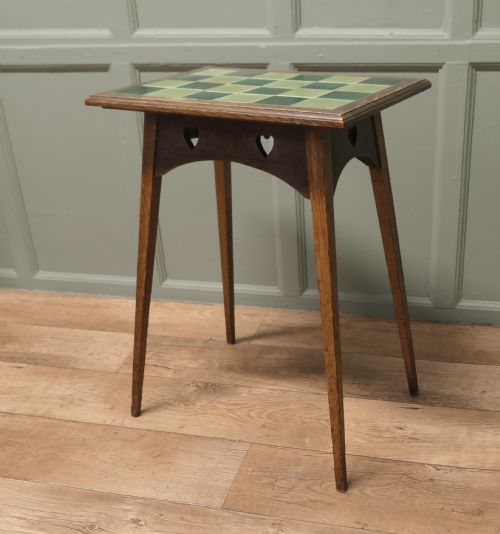
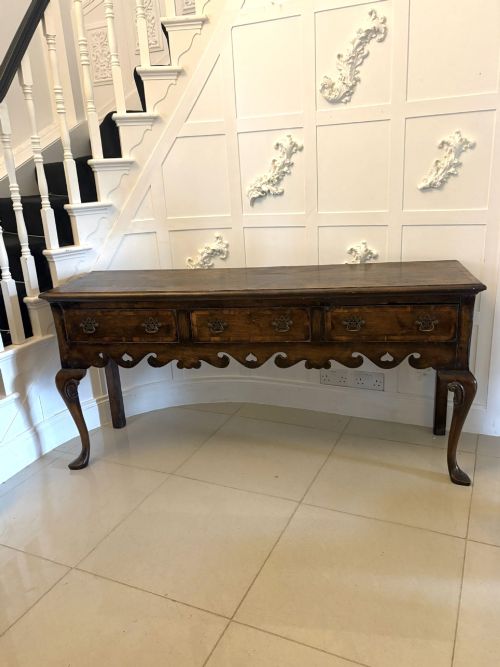
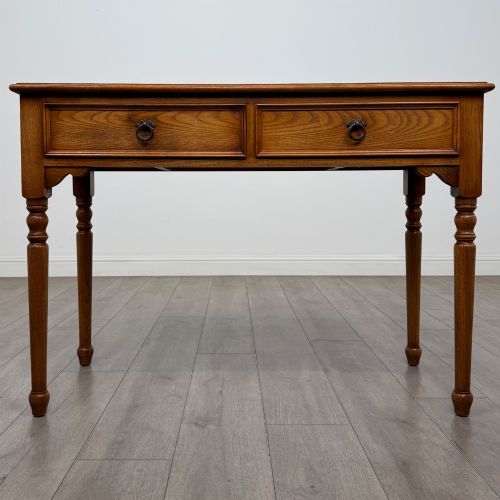
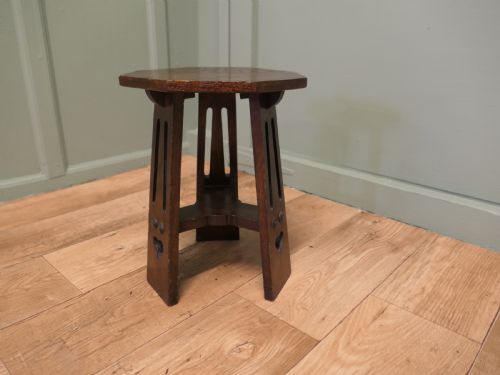
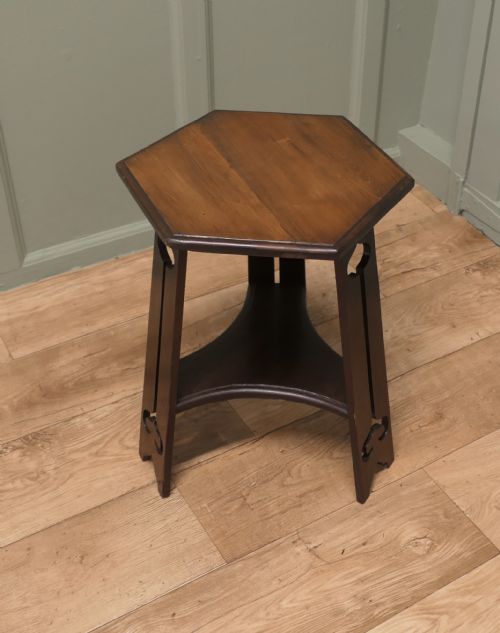
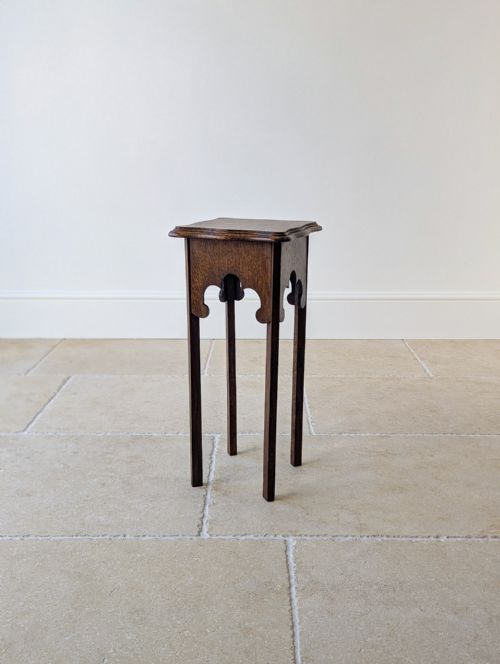
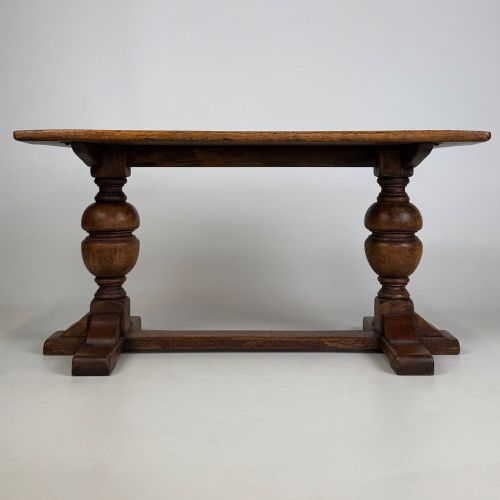
When browsing an antique style oak table, buyers encounter a diverse range of forms spanning the Victorian, Edwardian, and early twentieth-century periods. These pieces draw heavily on earlier design movements, encompassing Jacobean Revival, Arts and Crafts, Elizabethan, and rustic farmhouse aesthetics.
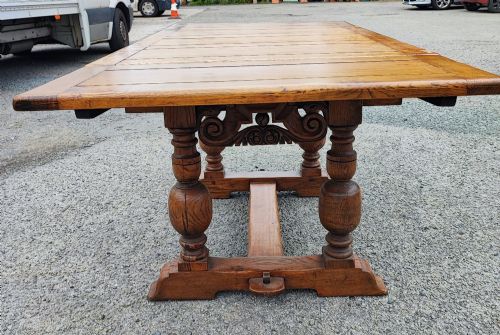
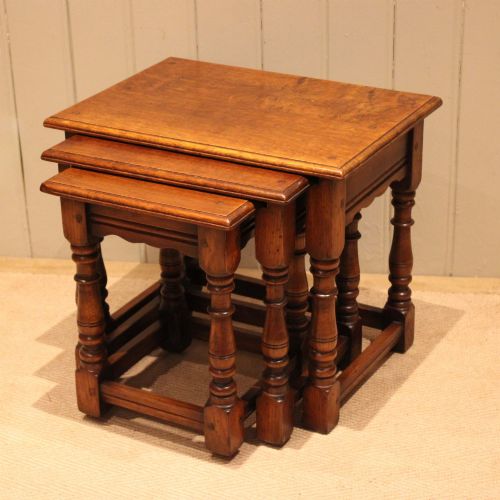
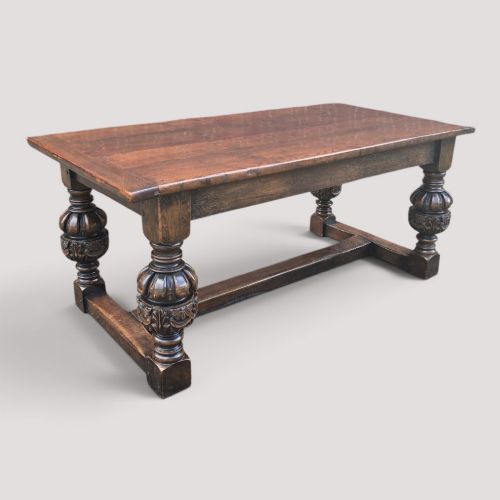
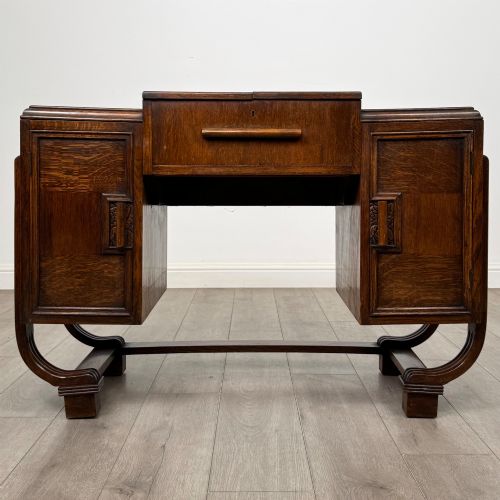
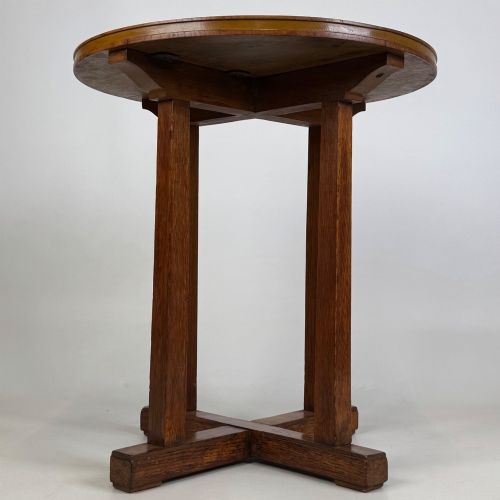
The selection extends far beyond standard dining boards to include refectory tables, draw-leaf extending formats, side tables, writing desks, and low coffee tables. Solid construction and substantial timber define the category, anchoring traditional interiors with grounded practicality.
Makers working across the nineteenth and twentieth centuries reinterpreted historical motifs through regional English country styles and continental influences like French Provincial and Catalonia designs. Each piece reflects a deliberate nod to bygone eras while serving contemporary domestic needs.
The Measure of Craft
Quality rests upon the selection of the timber and the integrity of the joinery rather than surface embellishment alone. Superior examples display dense, well-figured oak with tightly fitted joints that require no modern stabilization.
Carving depth and proportion separate standard production from finer workshop output, where artisan hands shaped balanced refectory stretchers and crisp mouldings. The treatment of auxiliary materials, from solid brass hardware to neatly integrated draw-leaf mechanisms, marks the distinction between utility and refinement.
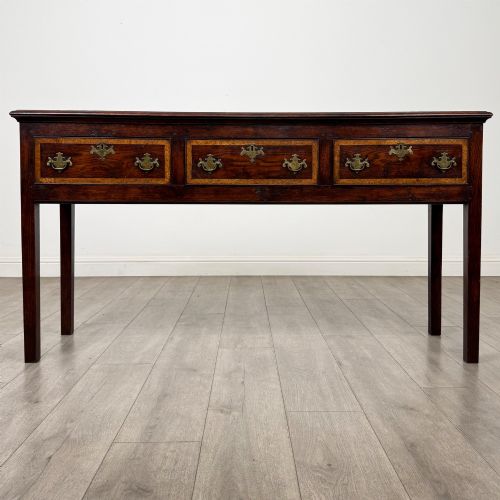
Listings feature solid oak, burr oak veneer, and beech supported by brass and fabric elements across Edwardian and Victorian periods.
Heals·Liberty·Gillows
The Antique Style Oak Table Glossary
- Refectory table
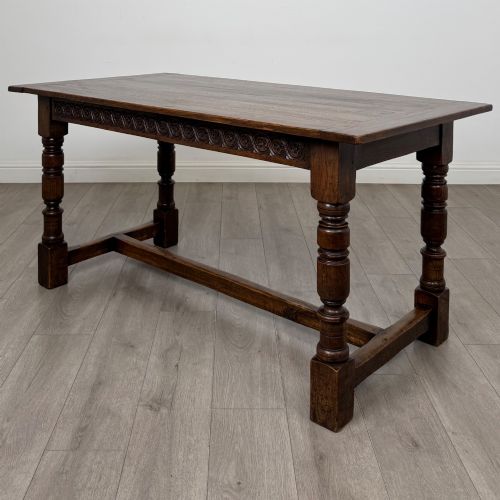
- A long, narrow dining table traditionally used in monasteries and large halls, characterised by strong legs connected by a longitudinal floor stretcher.
- Draw-leaf table
- An extending table featuring two hidden leaves stored beneath the main top that slide out to lengthen the surface effortlessly.
- Jacobean Revival
- A nineteenth-century stylistic movement imitating the heavy, geometric carved ornamentation and dark finishes of seventeenth-century English furniture.
- Bobbin leg
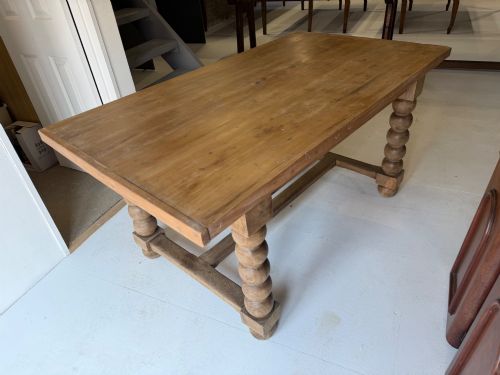
- A turned furniture leg shaped to resemble a series of wooden bobbins or spools strung together in a continuous vertical line.
- Dresser base
- A low sideboard fitted with drawers or cupboards, originally utilised in country kitchens for food preparation and storage.
Antique Style Oak Table: Frequently Asked Questions
How do I identify a draw-leaf mechanism?
A draw-leaf mechanism uses two hidden end panels positioned directly beneath the primary tabletop. Pulling these leaves outward causes the main top to rise slightly before dropping flat into the extended position.
This clever engineering allows a compact table to double its seating capacity without requiring extra storage space for loose leaves.
Where should I place a refectory table?
Refectory tables suit dining rooms, large kitchens, and open-plan living spaces where their long, narrow proportions can breathe. Their sturdy stretchers require careful clearance for chair placement along the sides.
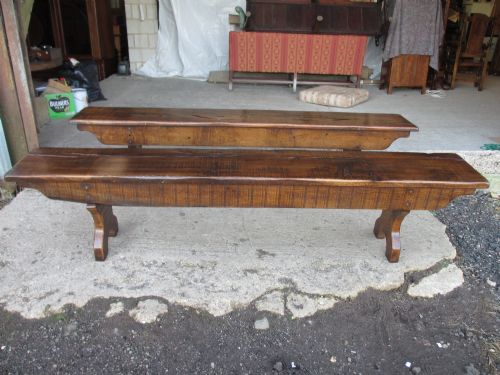
Pairing them with benches or high-back chairs enhances the historic dining aesthetic while maintaining functional daily utility.
How do I date an oak side table?
Dating relies on examining the construction marks, timber selection, and stylistic revival cues visible on the piece. Edwardian and late nineteenth-century interpretations often mix solid oak with beech components or employ machine-cut elements alongside hand finishing.
Comparing the decorative carving style, such as Arts and Crafts geometric motifs or Jacobean strapwork, provides further clues to the workshop era.
Is burr oak veneer durable?
Burr oak veneer provides decorative swirling grain patterns while maintaining structural stability across large surfaces. The technique applies a thin slice of highly figured timber over a stable core of solid wood.
Routine care keeps the veneered surface secure and protects the underlying timber from rapid environmental moisture shifts.