




Dark Wood Gate Leg Table
A dark wood gate leg table is a folding table built to save space, and collectors choose them for warm timber tones and clever drop-leaf mechanisms.
Dark Wood Gate Leg Table
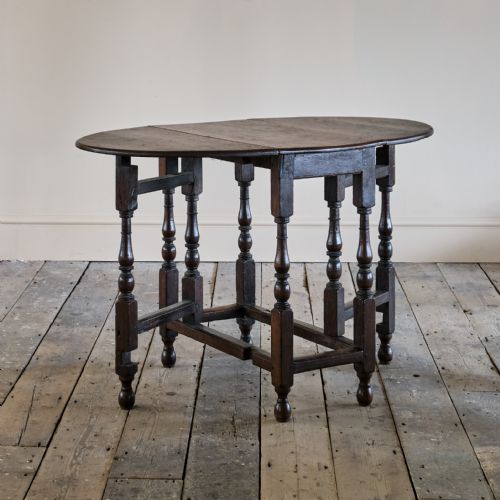
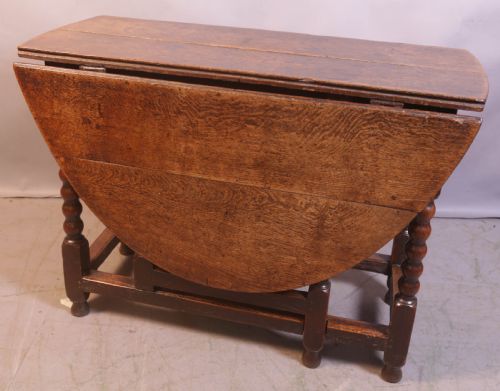
A dark wood gate leg table provides an expandable surface supported by hinged legs that swing outward like gates to hold up the drop leaves. These pieces appear across several centuries, from the seventeenth century through the Georgian and Victorian eras up to nineteen-sixty.
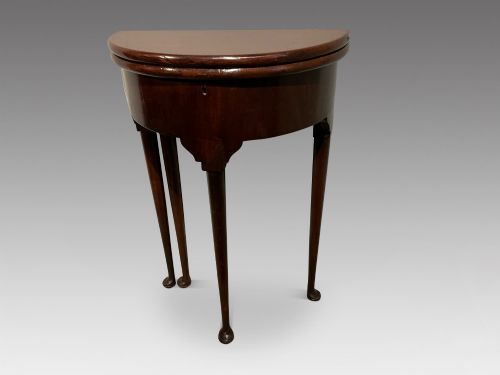
The selection ranges from compact oak coffee tables and small occasional tables to large dining tables and spider leg designs in mahogany, walnut, and timber. Buyers meet rectangular, oval, and demi lune formats designed for flexible placement in dining rooms and sitting spaces.
Earlier examples typically use solid oak with substantial turned supports, while later nineteenth and twentieth-century versions often utilise mahogany with more slender proportions. Each period brings distinct turning styles, from simple seventeenth-century gate tables to refined George III and Edwardian dining tables.
How they were made
Cabinet makers constructed these tables primarily using oak and mahogany, often combining solid timber for the tops with sturdy framing timbers for the base. Brass hinges and fittings frequently support the moving gate mechanism on mahogany and walnut pieces.
Joinery techniques relied on pegged mortise and tenon joints to withstand the movement of the folding leaves and swinging legs. Turned supports and spider leg stretcher bases required skilled lathe work to balance the weight of the hinged flaps.
Listings feature oak, mahogany, walnut, and general timber, spanning periods from the seventeenth century through the Georgian era to nineteen-sixty.
What varies in quality
Quality shows in the selection of the timber and the crispness of the turning on the legs and stretchers. Higher grade tables maintain stability and alignment when the leaves are raised, reflecting precise hinge placement and sound original joinery.
The balance between the fixed frame and the swinging gate legs determines how well the table bears weight over time. Finer pieces display harmonious proportions across oval and rectangular top shapes, whether built from oak in the seventeenth century or mahogany in the Georgian period.
The Dark Wood Gate Leg Table Glossary
- Gate leg
- A table design featuring hinged flaps supported by movable legs that swing out like a gate. This construction allows the surface area to expand or contract according to space needs.
- Drop leaf
- A hinged section of a table top that can be folded down when not in use. It rests on a swing-out support bracket or leg.
- Spider leg
- A table style characterised by exceptionally slender turned wooden legs. These delicate supports appear on eighteenth-century occasional and dining pieces.
- Demi lune
- A half-moon shape used for console and side tables. These pieces fit flush against a wall when closed.
- Stretcher
- A horizontal wooden brace connecting the legs of a table for added stability. They often feature decorative turnings in seventeenth and eighteenth-century pieces.
Dark Wood Gate Leg Table: Frequently Asked Questions
How do I use a gate leg table in a small room?
Keep both leaves folded down against the central fixed section to use the piece as a compact side or console table against a wall.
Swing the gate legs outward and lift one or both leaves when you need a surface for dining or working.
What is the difference between oak and mahogany gate leg tables?
Oak tables generally belong to the seventeenth and early eighteenth centuries, displaying heavier timber grain and robust turned supports suited to rustic or traditional interiors.
Mahogany versions tend to date from the Georgian, Victorian, and Edwardian periods, offering smoother polished surfaces and finer, lighter framing.
Can I use a gate leg table for everyday dining?
These tables served as primary dining surfaces for centuries and handle daily meals comfortably when fully extended.
Ensure the gate legs lock firmly into position under the leaves before placing heavy items on the surface.
How can I tell an eighteenth-century table from a later reproduction?
Examine the underside and hinges for hand-wrought iron or brass fixings, along with traditional joint construction methods appropriate to the period.
Look for natural timber shrinkage and wear patterns around the pivot points that indicate long age and use.