
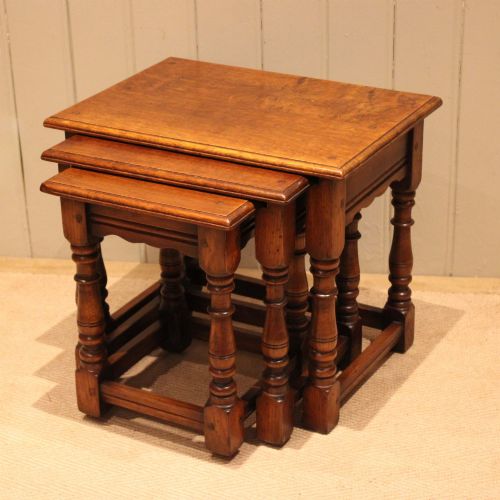
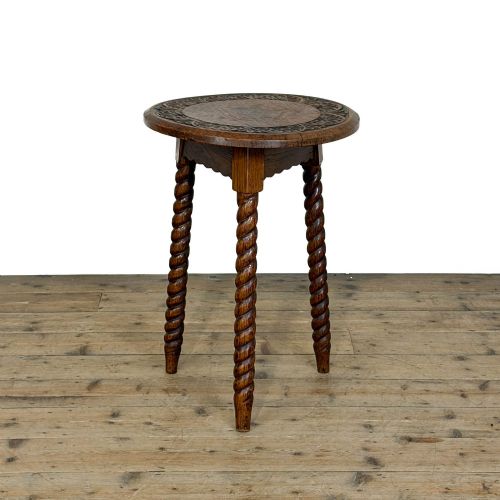
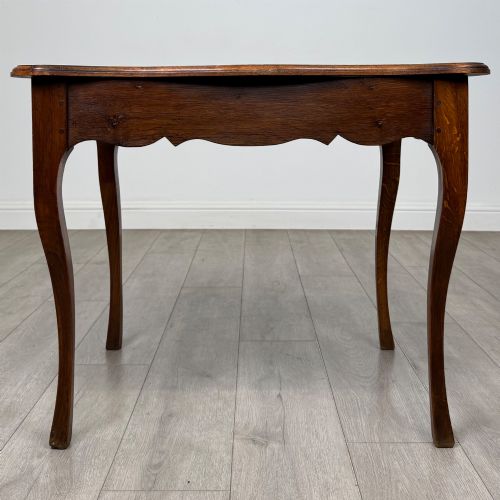
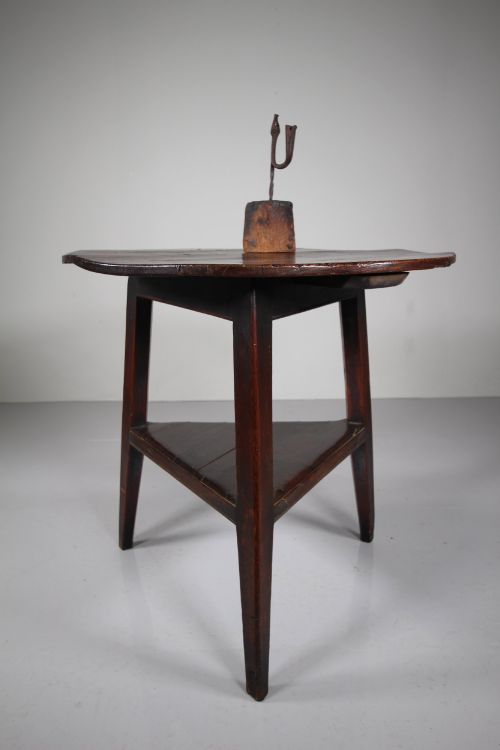
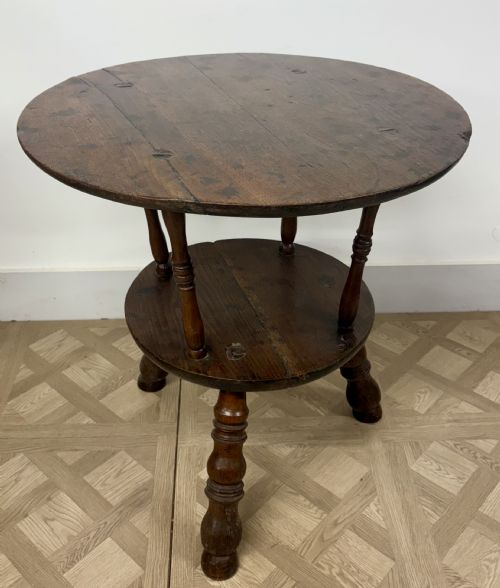
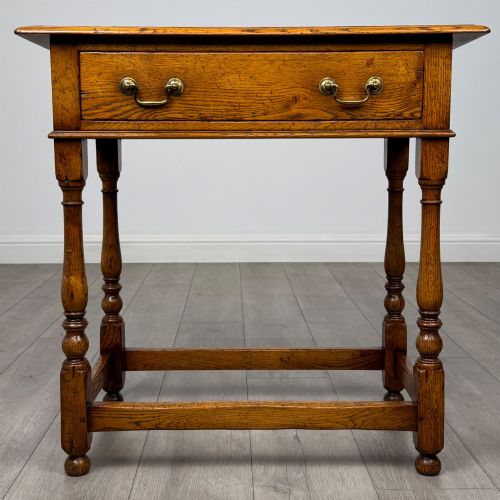
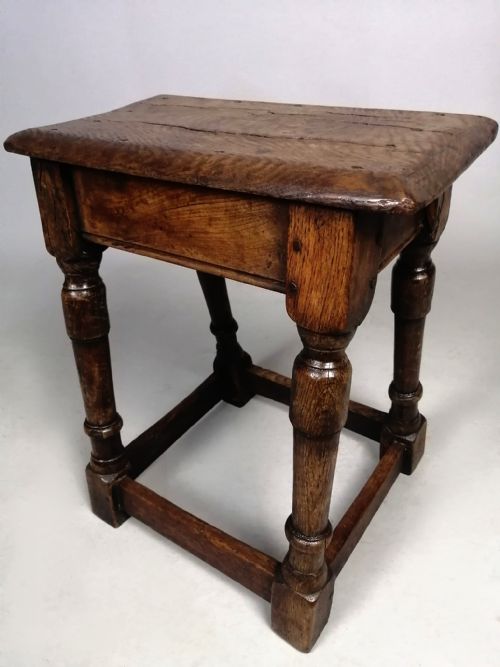
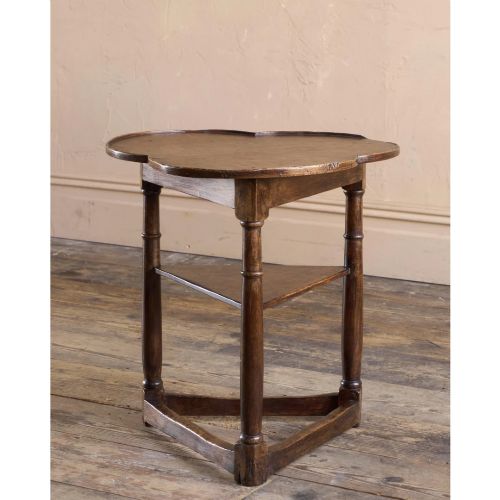

Country Oak Accent Table
These country oak accent tables bring honest eighteenth and nineteenth century domestic utility into modern rooms with warmth and character.
What these tables are
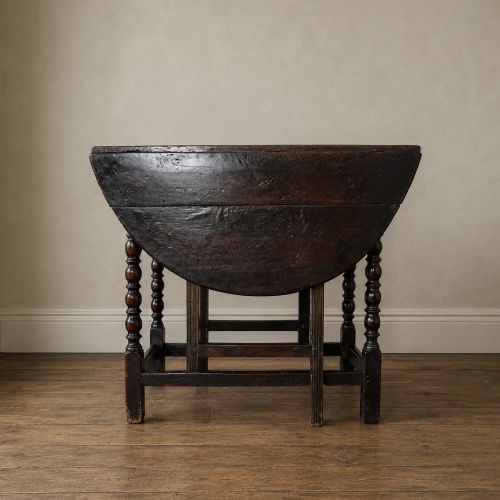
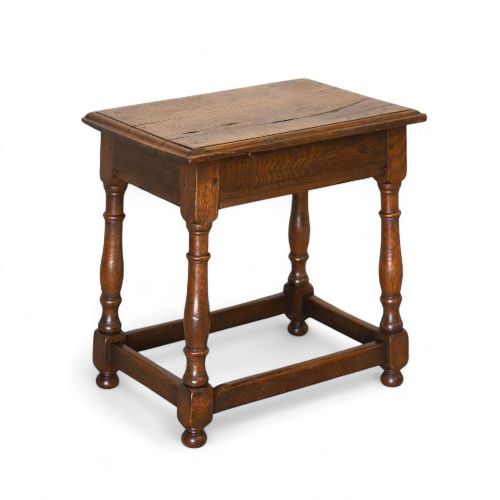
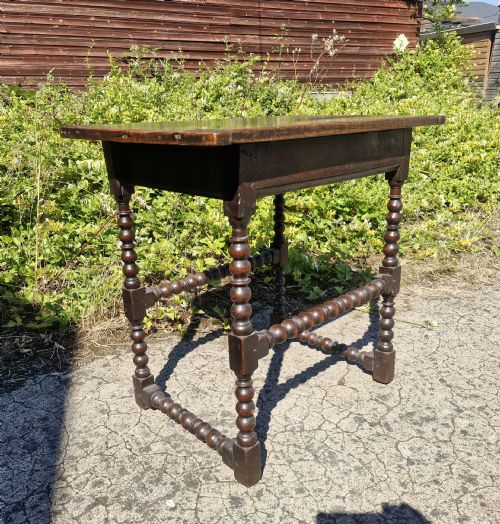
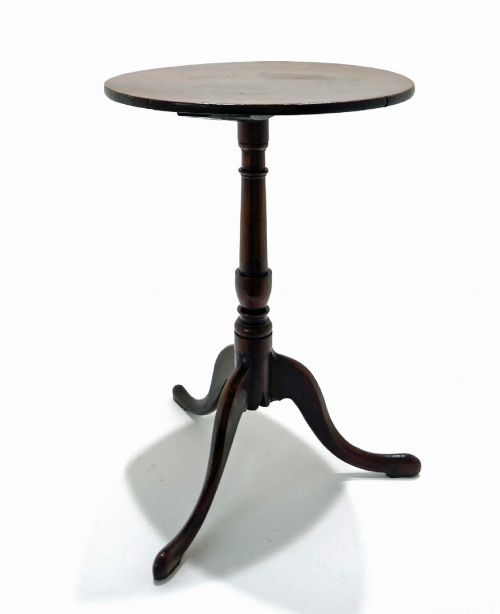
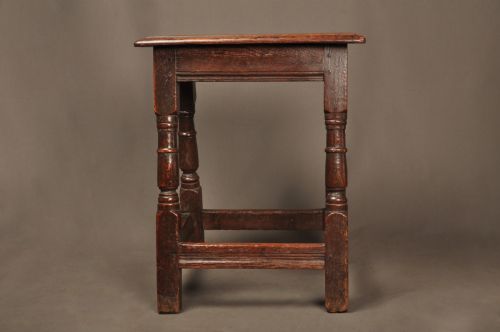
A country oak accent table serves as a sturdy surface for daily use, drawing on provincial English traditions from the eighteenth and nineteenth centuries. Buyers searching for a country oak accent table encounter side tables and drop leaf gateleg tables shaped by utilitarian needs.
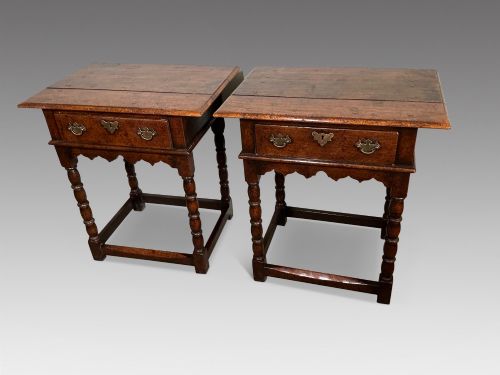
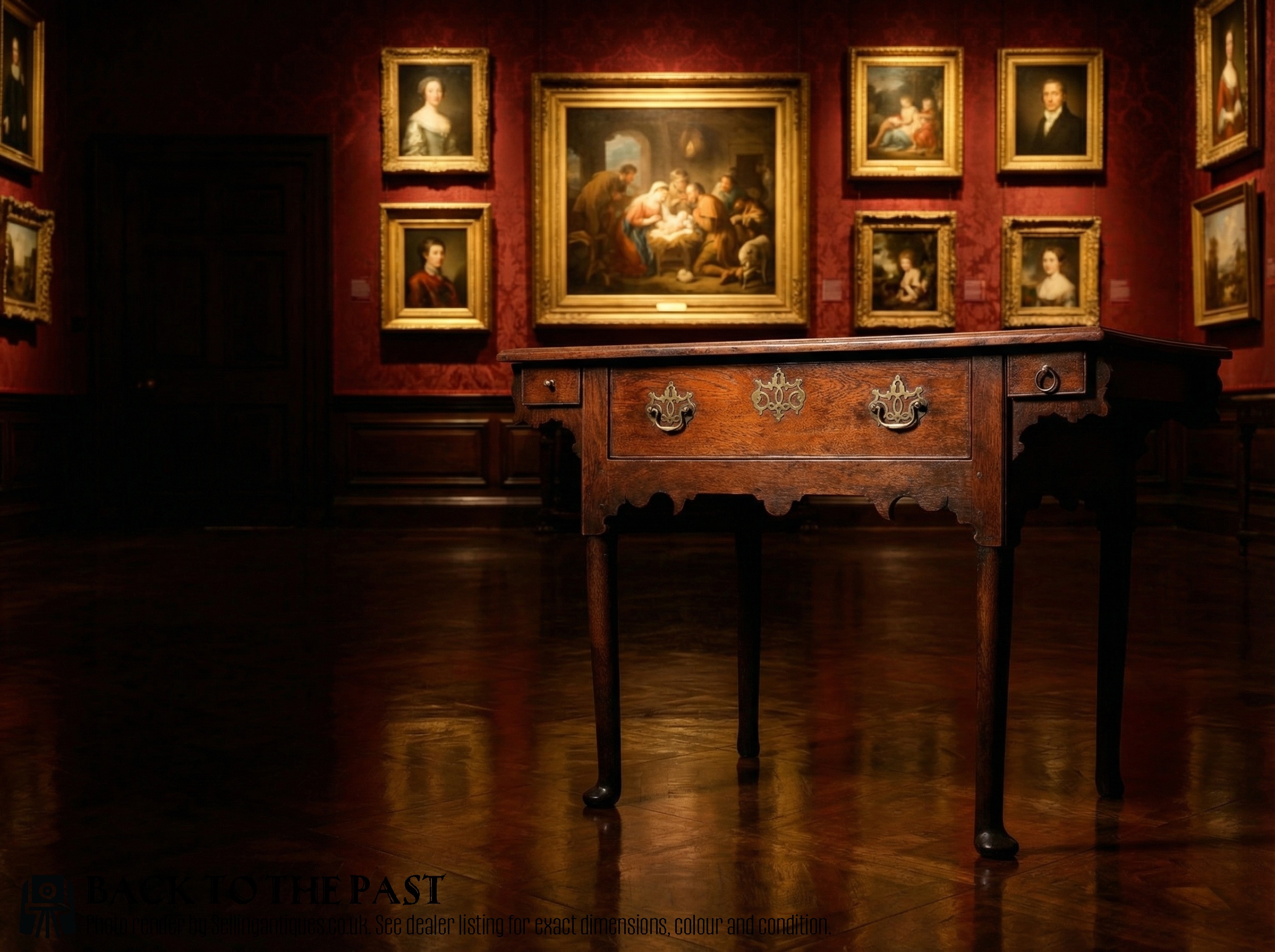
The pieces on offer span the eighteenth century and the nineteenth century, reflecting regional cabinetmaking traditions. Forms range from low side tables with single drawers to substantial six leg gateleg tables designed for versatility in smaller spaces.
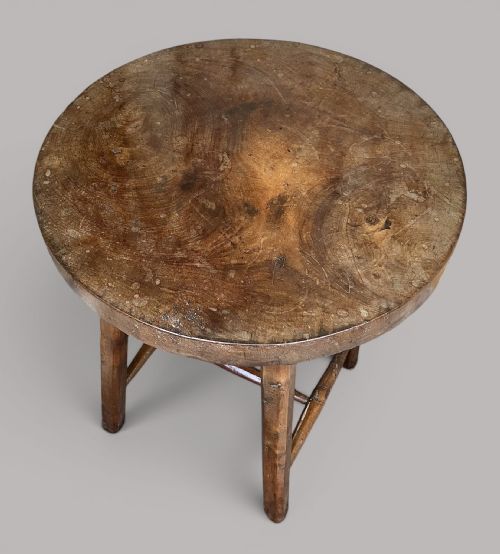
Makers utilised native hardwoods, occasionally combining oak with elm to construct functional furniture for rural homes. These items carry the marks of provincial English workshop practices rather than metropolitan polish.
How they were made
Constructed primarily from solid oak, these tables frequently incorporate elm for secondary timbers or specific structural components. Workshops relied on traditional joinery methods suited to domestic timber supplies.
Hardware additions such as brass fittings and iron elements appear where hinges, handles or structural reinforcement were required. Surfaces display the tool marks and grain patterns characteristic of early provincial hand woodworking.
Retail Price Guide 2026
Typical UK retail prices for country oak accent table, calculated from the Sellingantiques database of over a million retail prices indexed since 2003. This retail price guide relies exclusively on Sellingantiques data; no external sources or auction records are used, so the figures do not describe the wider market.
Current listings feature oak and elm construction spanning the eighteenth and nineteenth centuries.
What varies in quality
Quality rests in the integrity of the timber selection and the retention of original structural surfaces. Tables that maintain their primary boards and uncompromised joinery stand apart from those heavily altered by later restorations.
Proportion and the handling of regional details dictate the visual success of each piece. Finer examples display balanced scaling and thoughtful integration of hardware like brass and iron without unnecessary embellishment.
The Country Oak Accent Table Glossary
- Gateleg table
- A drop leaf table featuring hinged legs that swing outward to support the opened leaves. This form maximises floor space when folded down.
- Side table
- A small functional table designed to stand against a wall or beside seating. These often incorporate a single drawer for storage.
- Provincial
- Describing furniture made in regional areas outside major capital cities. Such pieces follow local vernacular traditions rather than court fashions.
- Secondary timber
- The internal or less visible wood used in a piece of furniture, such as drawer linings or baseboards. Elm frequently serves this purpose alongside oak.
Frequently Asked Questions
How do I care for antique oak?
Keep these tables away from direct heat sources and sudden humidity shifts to protect the timber and historic joinery. Apply a natural wax occasionally to nourish the surface without building up synthetic residues.
Avoid excessive moisture during cleaning by using a dry or barely damp cloth. Gentle handling preserves the patination accumulated over centuries of domestic use.
Can I use these in modern rooms?
Their modest scale and utilitarian design allow them to function effectively alongside contemporary furnishings. They serve well as bedside stands, lamp tables or auxiliary surfaces in living areas.
The tactile presence of aged oak introduces warmth and textural contrast to minimalist or neutral interiors. Practicality remains central to how these pieces integrate into daily routines.
How do I distinguish regional styles?
Regional provincial pieces often display simpler joinery and sturdier proportions than metropolitan London work. Makers utilised locally available hardwoods like oak and elm based on regional availability.
Stylistic markers such as Queen Anne or Jacobean Revival influences appear adapted by local makers using traditional country methods. Examination of tool marks and construction details reveals the hand of the provincial workshop.