
Dark Mahogany Vitrine
A dark mahogany vitrine brings warmth and visibility to collected objects, pairing rich timber tones with expansive glass.
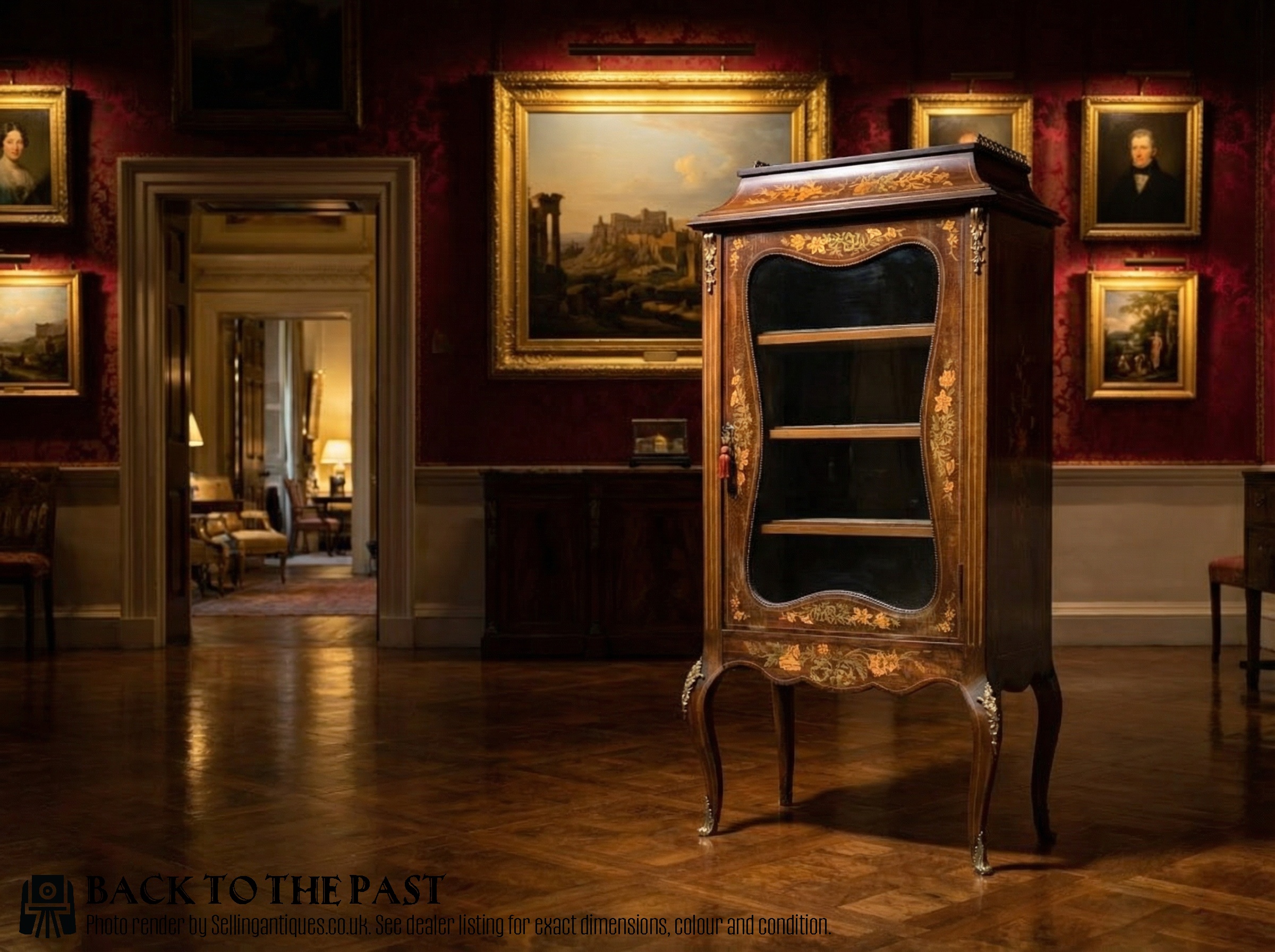
Dark Mahogany Vitrine
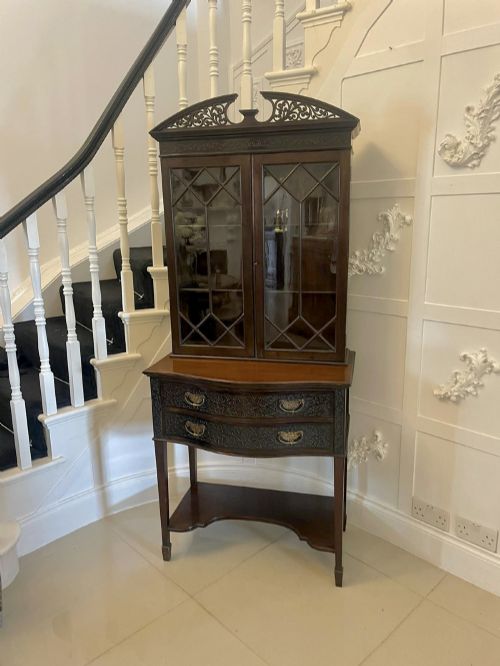
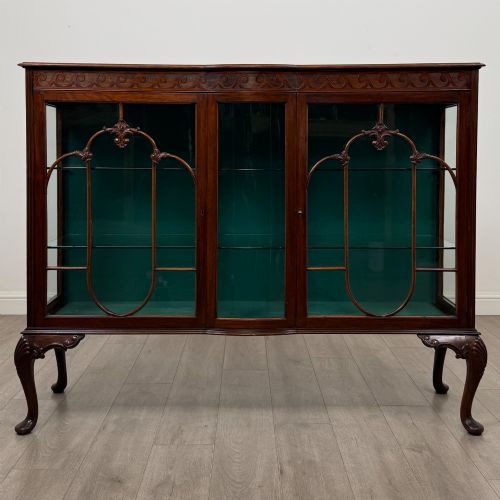
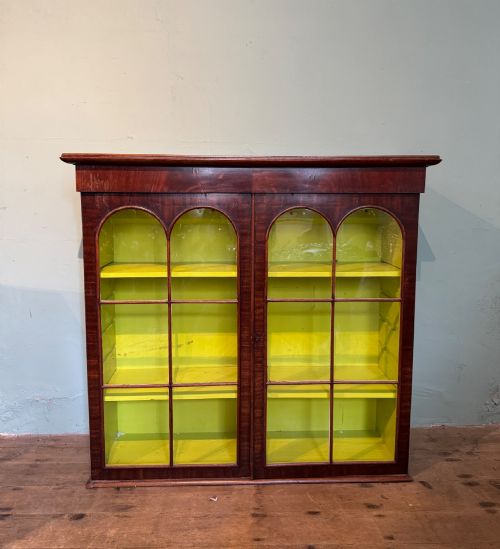
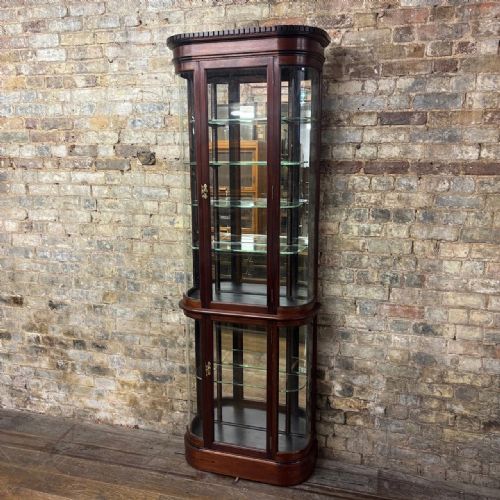
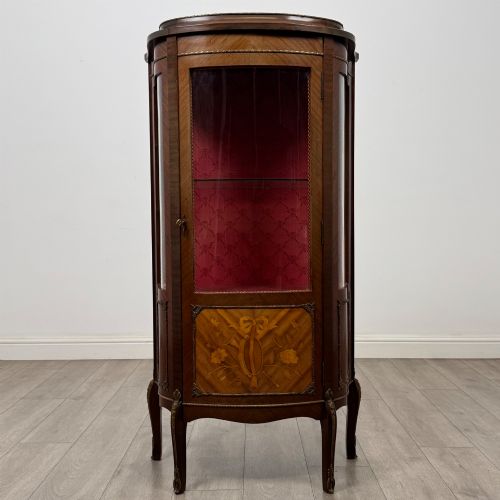
A dark mahogany vitrine serves as a dedicated display cabinet for precious items, bringing together glazed panels and rich timber framing. When searching for a dark mahogany vitrine, buyers encounter pieces spanning the Georgian, Victorian, and Edwardian eras, alongside revivalist interpretations.
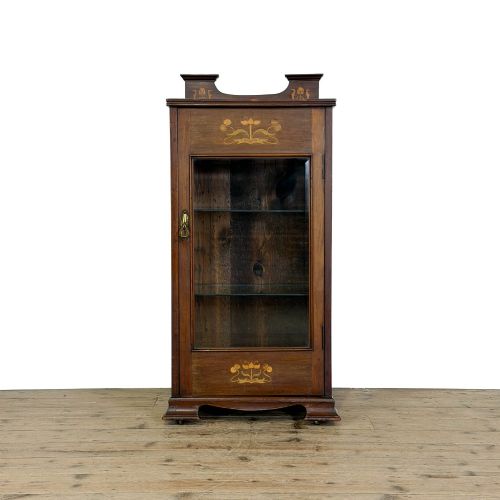
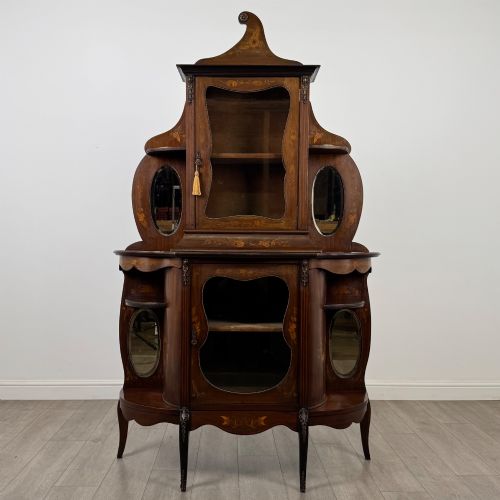
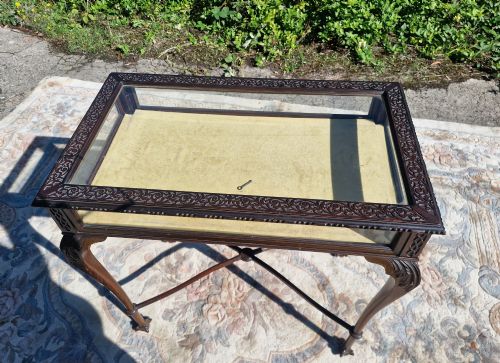
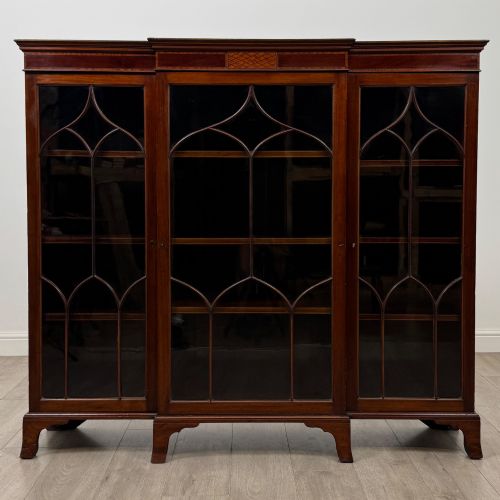
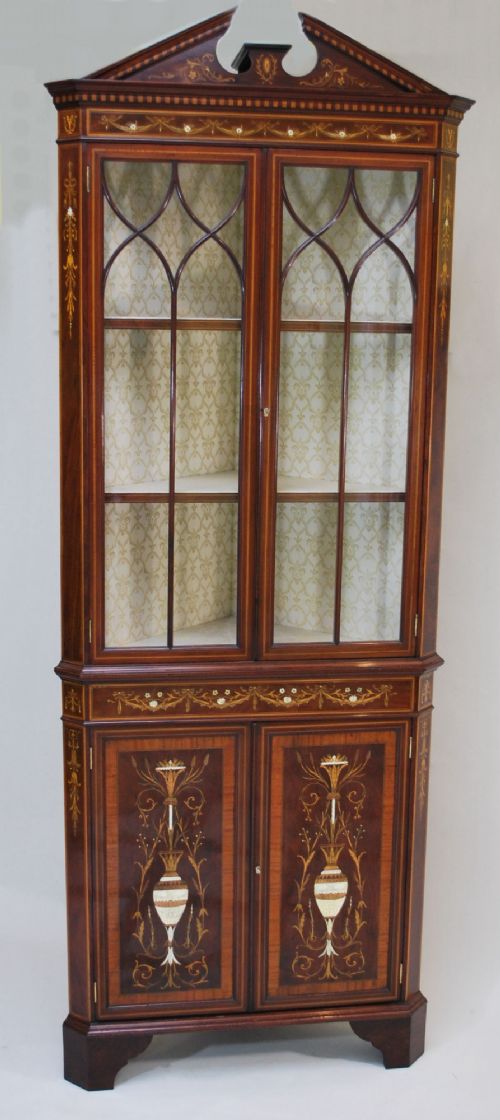
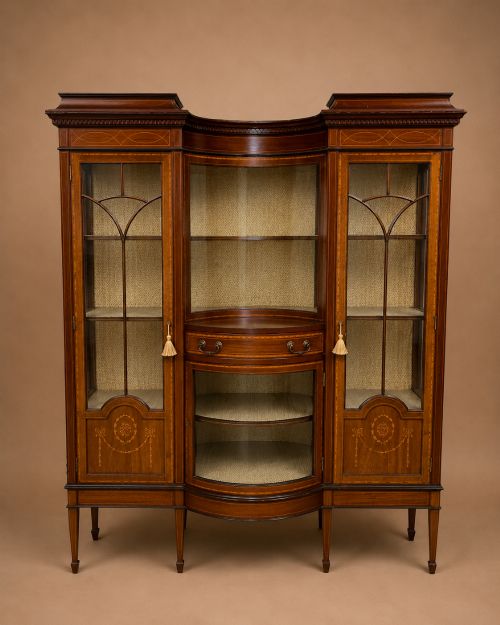
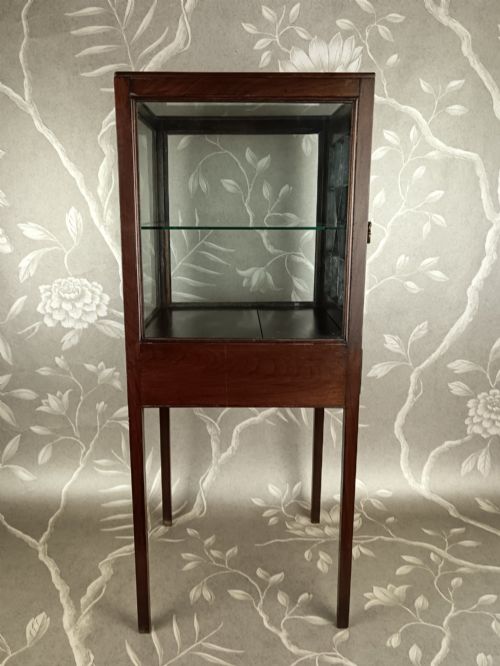
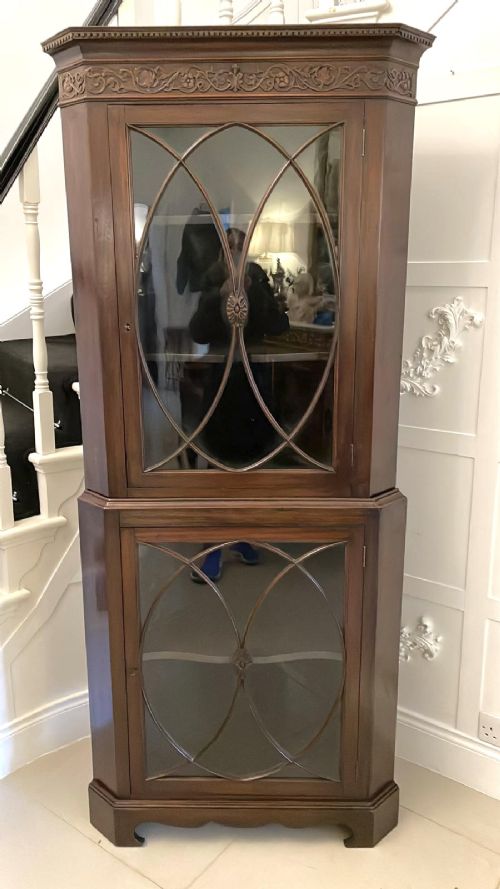
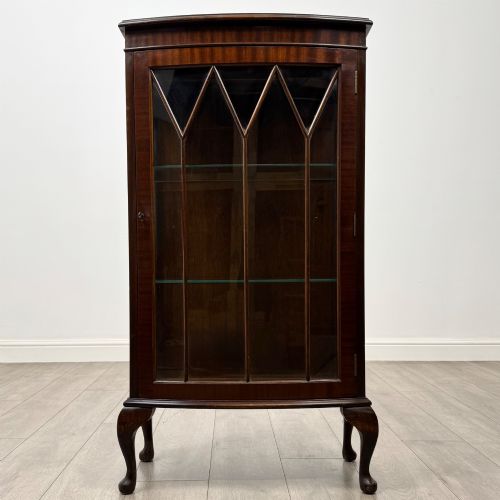
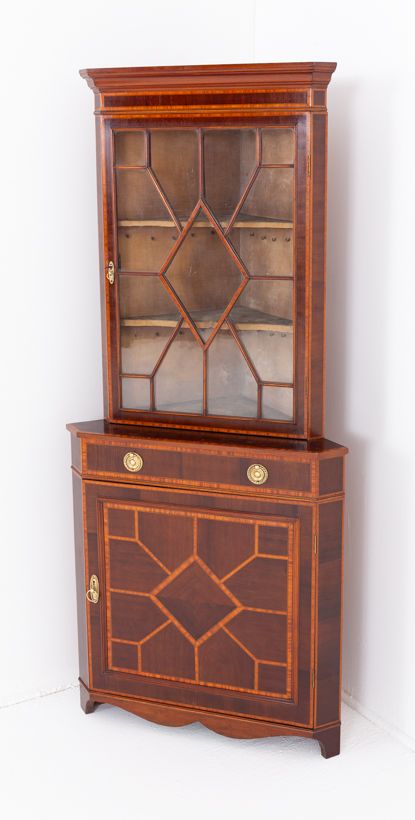
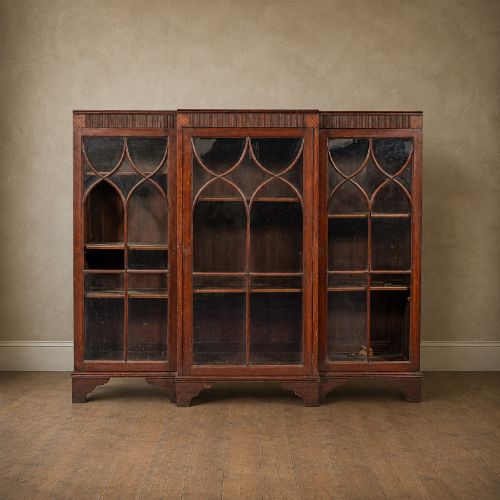
The selections on this page run from tall breakfront bookcases and corner cabinets to smaller side pieces and glass-topped bijouterie tables. Most examples rely on upright glazed doors to showcase contents while protecting them from dust.
The dominant aesthetic draws on Edwardian lightness and Victorian scale, often incorporating revival styles such as Chippendale and Sheraton. These variations allow the furniture to function equally as a prominent room centrepiece or a fitted corner storage unit.
Materials and construction
Cabinet makers relied on solid and veneered mahogany to build the structural carcass, selecting timber for deep grain patterns and dark natural tones. Glass panels were fitted into wooden frames or leaded lattices to permit maximum light penetration into the interior shelving.
Decorative detailing frequently involved contrasting satinwood inlay, brass hardware, and carved ornamentation along the cornices and feet. Mirror backs were occasionally integrated behind the display shelves to reflect light and amplify the visual depth of the displayed objects.
Dark Mahogany Vitrine Retail Price Guide 2026
Typical asking prices for dark mahogany vitrine among the pieces listed under this phrase on Sellingantiques today, from the lower quarter to the upper quarter. They describe what is for sale here now, not the wider market.
Several cabinets include hidden mirror backs originally designed to trick nineteenth-century guests into thinking the porcelain collection was twice as large.
Distinguishing quality in construction and design
Quality rests upon the precision of the timber selection and the restraint of the decorative carving. Superior examples demonstrate continuous grain matching across large doors and crisp, hand-carved detailing on the pediments and legs.
The integrity of the glazing bars, the smoothness of the door hinges, and the inclusion of fine secondary timbers such as oak for internal shelves mark the difference between standard production and exceptional workshop output.
Jas Shoolbred·Jewell of Holborn
The Dark Mahogany Vitrine Glossary
- Vitrine
- A glass-fronted display cabinet designed for exhibiting porcelain, curiosities, or books. The term originates from the French word for glass.
- Astragal glazed
- A method of securing window glass within a frame using narrow wooden mouldings. These strips form geometric or curved grids across the door.
- Bijouterie table
- A low display table with a glazed top and shallow compartment for small valuables and jewellery. They often feature slender legs and satinwood inlay.
- Breakfront
- A piece of furniture where the central section projects forward from the flanking wings. This architectural arrangement creates shadow and depth.
- Satinwood inlay
- A decorative technique using contrasting lighter wood veneers set into the dark mahogany surface. It creates delicate borders and classical motifs.
Dark Mahogany Vitrine: Frequently Asked Questions
How do I choose the right size?
Consider the scale of the room and the objects you plan to exhibit inside. Taller breakfronts and bookcases suit expansive spaces, whereas corner cabinets utilise neglected angles efficiently.
Measure both the floor footprint and the ceiling height before committing to larger nineteenth-century examples. Smaller side cabinets and bijouterie tables offer display space without dominating a smaller interior.
Are these cabinets suitable for books?
Many taller variations function as combined bookcases and display cabinets with reinforced internal shelving. Glazed doors protect valuable volumes from dust while maintaining visual access.
Check the depth and weight capacity of the shelves to ensure they accommodate heavier folio volumes. Pure vitrines are generally optimised for delicate ceramics rather than dense libraries.
How do I care for the mahogany finish?
Maintain the wood by dusting regularly with a soft, dry cloth to prevent particulate buildup. Avoid placing the cabinet in direct sunlight or near heat sources to prevent the timber from drying and splitting.
Apply a traditional beeswax polish sparingly to nourish the grain and preserve the deep lustre. Modern aerosol sprays should be avoided as they leave silicone residues that damage antique finishes.
How do I date a cabinet?
Examine the construction methods, timber choices, and stylistic revival markers visible in the design. Georgian and Victorian pieces often show hand-cut joinery and heavier proportions, while Edwardian versions lean towards lighter satinwood inlays and refined framing.
Hardware such as brass hinges and locks can also provide clues to the manufacturing period. Consulting the specific period attribution on each listing helps confirm the era of origin.