


Cream Ceramic Wall Plate
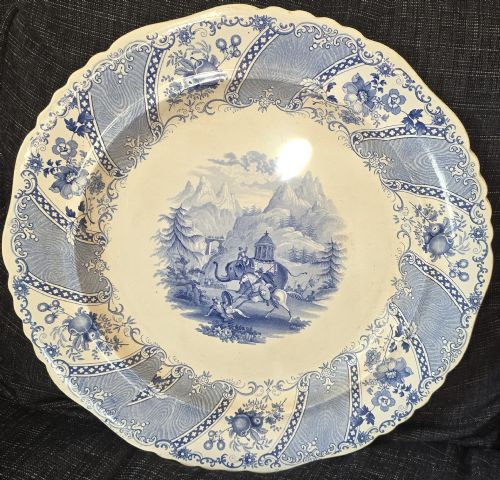
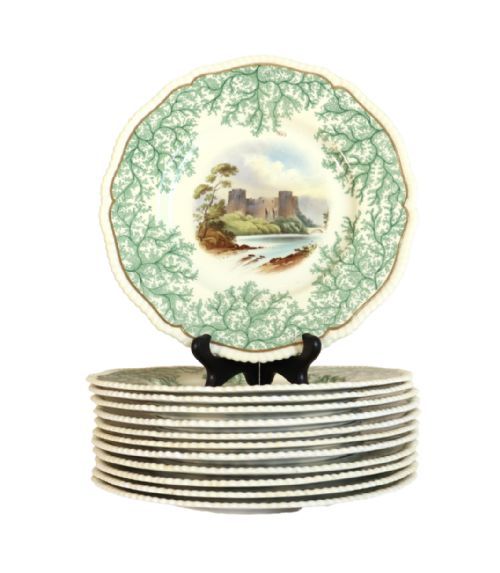
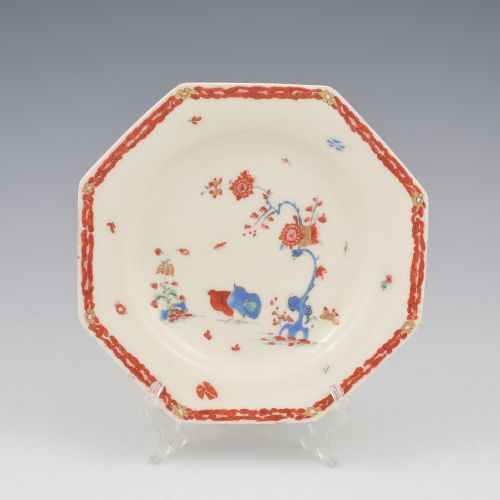
These cream ceramic wall plate selections bring together earthenware, porcelain and ironstone hung for display across multiple historic periods.
Cream Ceramic Wall Plate
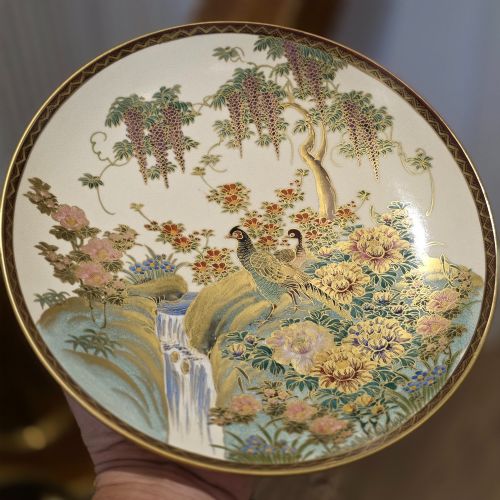
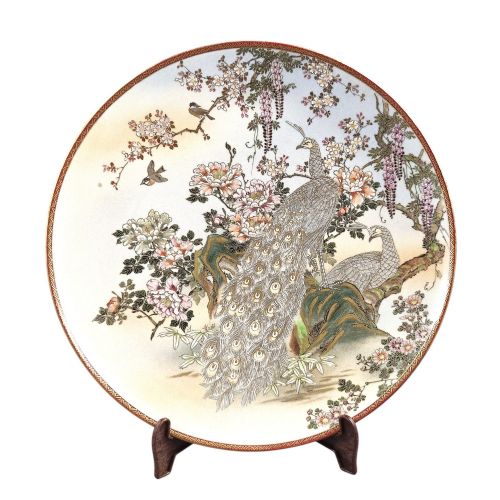
A cream ceramic wall plate encompasses decorative dishes, chargers and plaques originating from the eighteenth, nineteenth and early twentieth centuries. Buyers searching for a cream ceramic wall plate encounter diverse global traditions, ranging from English earthenware and soft-paste porcelain to Japanese Satsuma and Kutani wares.
How they were made
Potters shaped these objects from earthenware, ironstone and soft-paste porcelain before applying transparent or coloured glaze to the body. Artisans then decorated the surfaces using hand-painted pigments, enamel and gold leaf gilding.
Techniques varied from intricate moriage relief work and pate-sur-pate to transfer printing and meticulous hand-painted botanical or figurative scenes.
Several plates feature Scottish literary toasts and whimsical nineteenth-century waterfowl.
What varies in quality
Quality rests in the precision of the hand-painted detail and the crispness of moulded or applied relief elements such as moriage. Superior pieces display refined brushwork, controlled gilding and well-balanced compositions across the surface.
The distinction between standard utility wares and high-status cabinet pieces lies in the sophistication of the ceramic body and the complexity of the artistic execution by the maker.
Spode·Bow·Copeland·Masons Ironstone·Mintons
The Cream Ceramic Wall Plate Glossary
- Earthenware
- A porous pottery fired at lower temperatures, requiring a glaze to achieve impermeability. It forms the robust body for many traditional domestic plates and chargers.
- Porcelain
- A dense, vitrified ceramic fired at high temperatures, including soft-paste variations. This material allows for delicate forms and refined hand-painted cabinet plates.
- Gilding
- The application of gold leaf or gilt to ceramic surfaces to highlight borders and decorative motifs. Skilled application adds enduring metallic depth to the design.
- Charger
- A large ornamental plate traditionally used for formal service or displayed upright on walls and buffets. These substantial pieces showcase elaborate pictorial or patterned schemes.
- Moriage
- A Japanese ceramic technique using piped clay slip to create raised, textured decorative patterns. This method appears prominently on Satsuma wares.
Cream Ceramic Wall Plate: Frequently Asked Questions
How do I hang a wall plate safely?
Displaying ceramic plates on walls requires specialist brass spring hangers that grip the rim securely without causing structural damage to the ceramic body.
Ensure the wall fixing engages firmly with a stud or appropriate wall plug to support the weight of heavier earthenware chargers.
Are these plates suitable for daily dining?
Historic decorative plates and delicate cabinet pieces serve primarily as visual objects rather than functional tableware for everyday meals.
Enamel, gilding and soft-paste bodies can suffer abrasion or chemical dulling from modern cutlery and frequent washing.
How do I identify a nineteenth century plate?
Dating nineteenth century ceramics relies on examining maker stamps, impressed registry marks, and the specific composition of the glaze and paste.
Stylistic cues such as Victorian borders, hand-painted motifs, and regional potting characteristics also help determine the period.
What is the difference between earthenware and porcelain?
Earthenware uses coarse clay fired at lower temperatures, resulting in an opaque and slightly porous body that needs a protective glaze.
Porcelain utilises refined materials fired at extreme heat to create a vitrified, dense structure that is often translucent in thinner sections.