

White Glazed Ceramic Plate
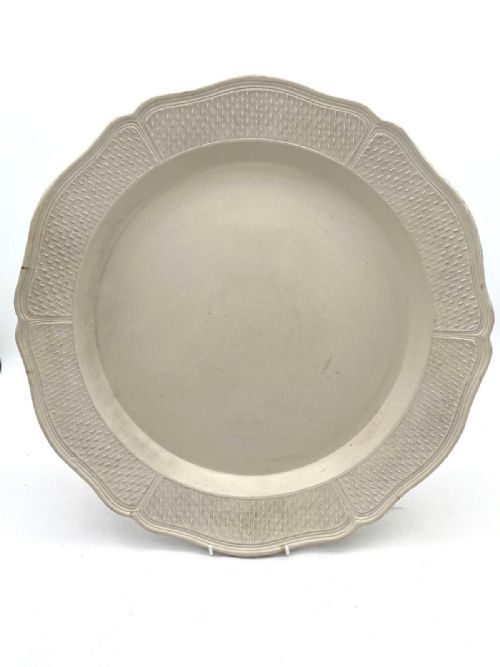
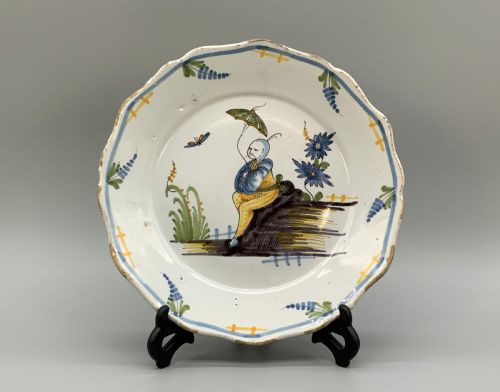
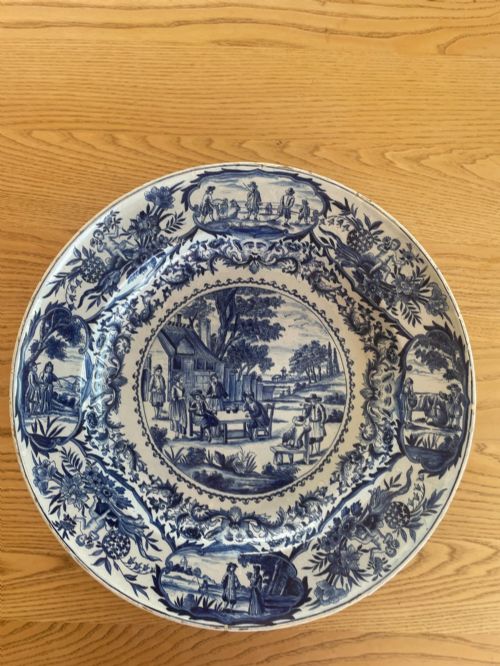
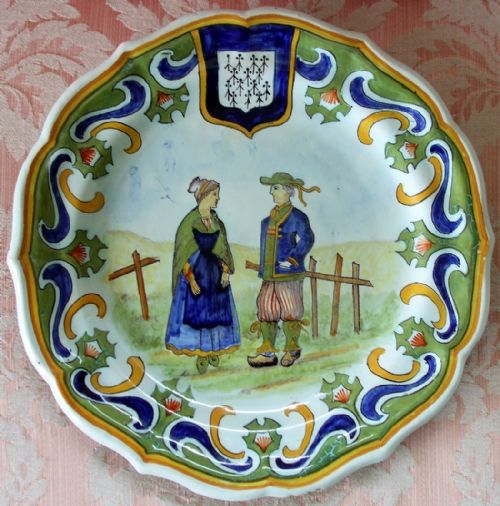
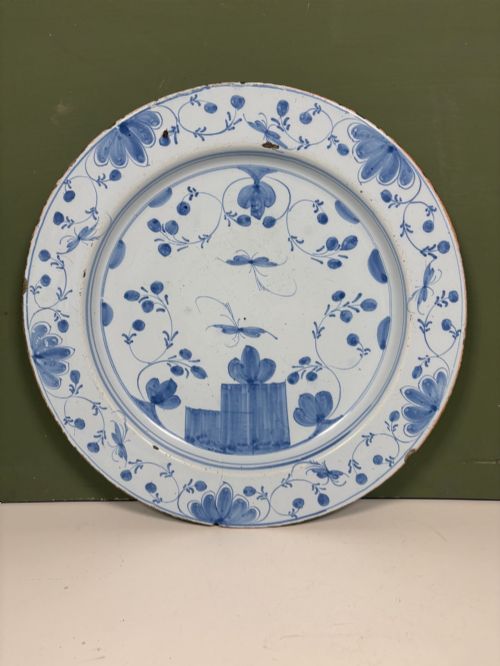
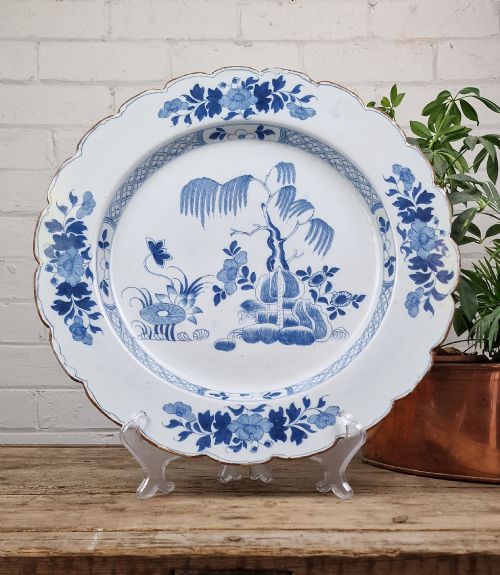
These white glazed ceramic plate examples range from seventeenth-century chargers to nineteenth-century earthenware, offering historic tin-glazed surfaces for daily display.
White Glazed Ceramic Plate
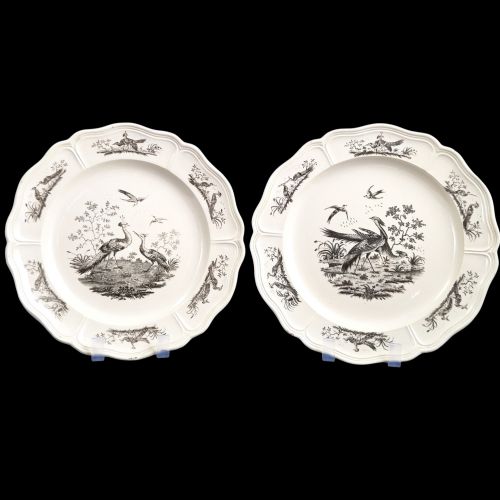
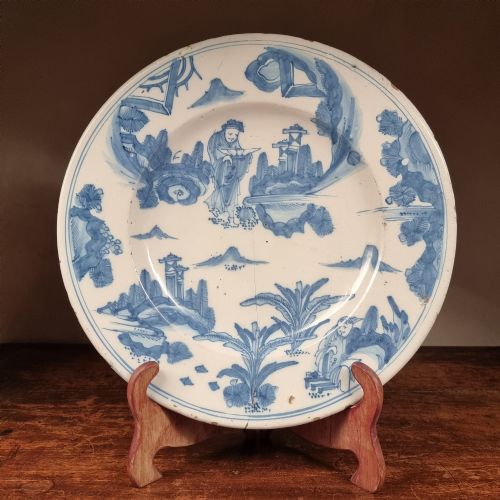
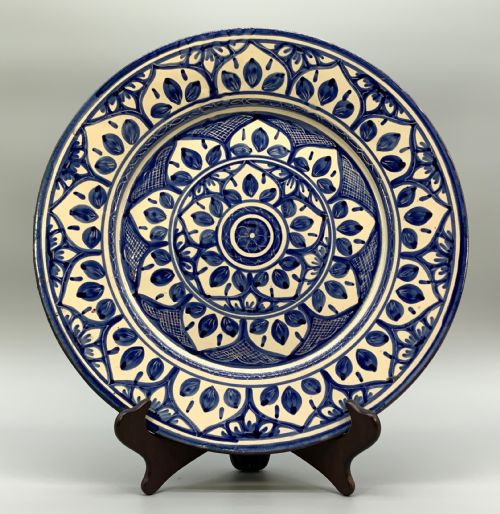
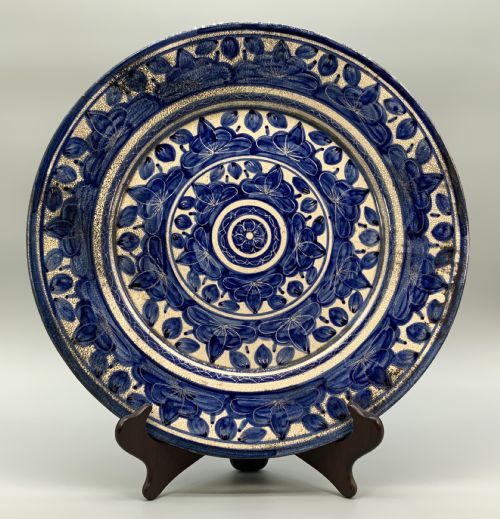
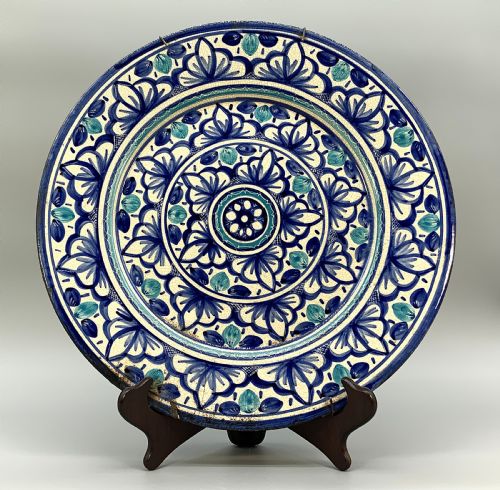
When you search for a white glazed ceramic plate, you encounter centuries of pottery traditions spanning tin-glazed earthenware, delftware, and stoneware. These pieces function primarily as decorative chargers, serving dishes, and shallow bowls intended for display or ceremonial use rather than modern dining.
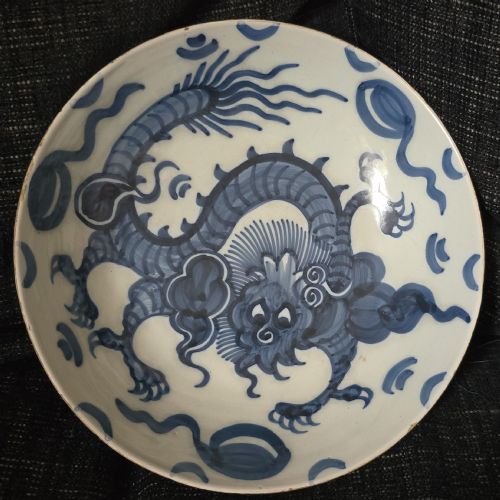
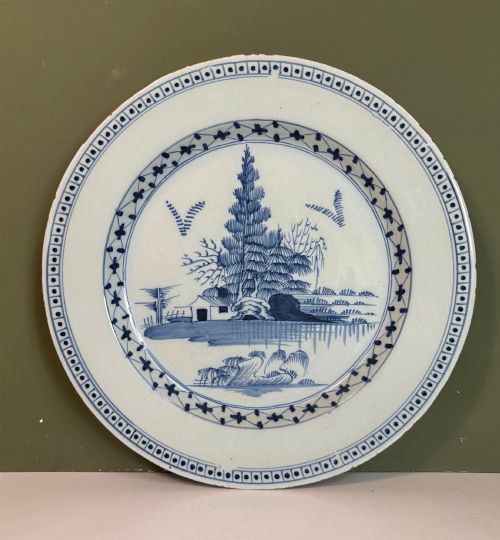
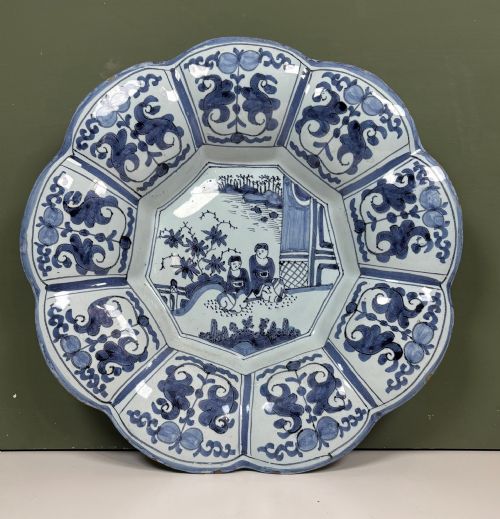
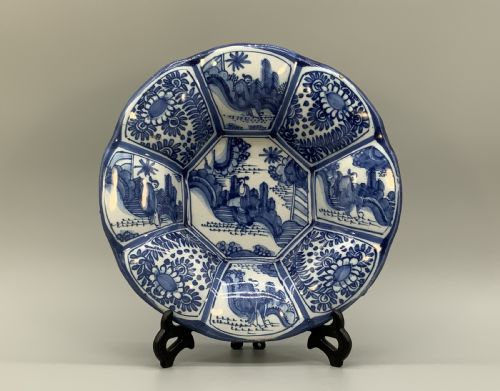
The versions you meet most frequently on this page originate from eighteenth-century English, Dutch, and continental workshops. They frequently feature cobalt blue painting, polychrome enamels, or Chinoiserie motifs applied over a characteristic opaque white ground.
What varies in quality
The refinement of the painted brushwork dictates much of the distinction between standard production and exceptional examples. Crisp Chinoiserie details, vibrant polychrome enamels, and well-balanced Kraak or armorial compositions demonstrate superior hand-painting skill.
The stability and thickness of the tin glaze itself affect the visual depth of the surface. A smooth, even white glaze that successfully masks the underlying earthenware body without excessive pooling or crawling represents higher manufacturing standards.
Listings span periods from the 17th century through the Victorian era, utilising earthenware, stoneware, and tin glaze.
John Ridgway·Booths
The White Glazed Ceramic Plate Glossary
- Delftware
- Tin-glazed earthenware originating in the Netherlands and England, typically decorated with blue pigment on a white ground. It became popular during the seventeenth and eighteenth centuries.
- Charger
- A large decorative plate or platter intended for display on a sideboard or wall rather than for individual table service. These pieces measure significantly larger than standard dinner plates.
- Tin Glaze
- A ceramic glaze made opaque by the addition of tin oxide, creating a white surface suitable for painting. It forms the defining technical feature of faience and delftware.
- Chinoiserie
- European decorative motifs imitating Chinese artistic styles, commonly found on eighteenth-century ceramic plates. Painters utilised these whimsical scenes alongside traditional blue and white schemes.
- Kraak Style
- Chinese-influenced panel decoration featuring central motifs surrounded by bordered compartments, often seen on seventeenth-century plates. Potters in Europe quickly adopted this distinctive layout.
White Glazed Ceramic Plate: Frequently Asked Questions
Were these plates used for eating?
Most large chargers and decorated dishes served decorative display purposes on walls or sideboards during the seventeenth and eighteenth centuries. Smaller domestic plates saw occasional table use, though soft tin glazes scratched easily.
Today, collectors treat these ceramics primarily as decorative wall or cabinet pieces due to the fragile nature of historic earthenware bodies and historic glazes.
How do I identify tin-glazed earthenware?
Tin-glazed ceramics feature an opaque white surface created by adding tin oxide to the glaze mixture. This layer covers the buff or pinkish earthenware body beneath.
Examining the footrim or unglazed areas reveals the granular clay fabric typical of eighteenth-century and earlier European pottery.
What is the difference between delft and faience?
Delft specifically describes tin-glazed earthenware produced in the Netherlands and England, while faience generally refers to the continental European equivalent made in France, Spain, and other regions.
Both terms describe the same fundamental technique of painting pigments over an opaque white tin glaze before firing.
How should I display a charger?
Chargers require secure wall hangers designed specifically for heavy ceramic plates, or sturdy plate stands if placed on a flat surface. Avoid direct sunlight and areas with high humidity.
Protecting the edges from impact ensures the soft tin glaze remains stable over decades of home display.