
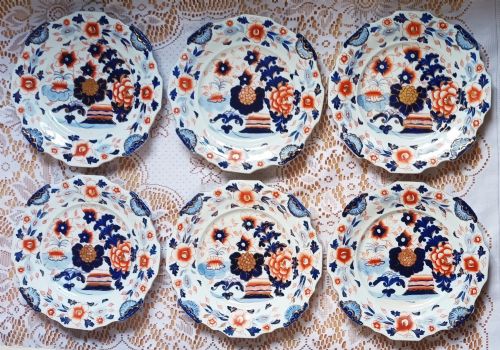


Floral Painted Pottery Plate
A floral painted pottery plate brings historic hand-painted botanical and decorative motifs to the table through tin glaze, earthenware, and porcelain.
Floral Painted Pottery Plate
A floral painted pottery plate encompasses historic chargers, tableware, and decorative dishes decorated with hand-painted floral and botanical designs. The selection relies heavily upon eighteenth-century Dutch Delftware, nineteenth-century ironstone, and Japanese Imari pieces.
Buyers regularly encounter eighteenth-century Delft chargers alongside nineteenth-century English ironstone and twentieth-century chargers. These pieces serve as both functional tableware and wall-hanging decorative plates.
The objects range from small cabinet plates to large chargers produced across various European and Asian workshops. Each period brings distinct interpretations of floral painting to the earthenware and ceramic bodies.
Materials and production methods
Makers utilised earthenware, ceramic, and porcelain bodies as the structural base for these items. Tin glaze and standard glaze provided the smooth white or cream surface required for detailed brushwork.
Decoration was applied using cobalt pigment, enamel, and grand feu colours. Artisans painted floral motifs directly onto the raw glaze or unfired surface before firing the pottery in kilns.
Materials span tin-glazed earthenware, standard ceramic bodies, and porcelain decorated with cobalt pigment and coloured enamel.
Distinctions in quality and execution
Quality rests upon the crispness and complexity of the hand-painted floral brushwork across the ceramic surface. Superior examples demonstrate confident pigment application and balanced composition within the decorative border.
The stability of the glaze and the preservation of the painted enamel separate fine surviving examples from heavily worn pieces. Early tin-glazed earthenware plates often exhibit charming glaze imperfections inherent to period kiln firing methods.
Masons Patent Ironstone China·Davenport Stone China·Bursley Ware·Moorcroft England
The Floral Painted Pottery Plate Glossary
- Tin glaze
- An opaque white glaze containing tin oxide applied to earthenware bodies. This technique creates a smooth canvas for blue and polychrome floral painting.
- Charger
- A large decorative plate intended for display on a sideboard or wall rather than for daily dining use.
- Grand feu
- A high-temperature kiln firing technique used for ceramic wares. This method fuses the pigments deeply into the glaze.
- Imari
- A style of Japanese porcelain featuring rich cobalt blue and iron red enamel decoration. These patterns heavily influenced European ceramic factories.
- Ironstone
- A durable type of heavy earthenware patented in the nineteenth century. It served as a resilient base for transfer-printed and hand-painted floral services.
Floral Painted Pottery Plate: Frequently Asked Questions
How do I date a delft plate?
Examination of the tin glaze, body weight, and footrim construction helps determine the approximate period of manufacture. Eighteenth-century examples often display minor glaze flakes and hand-thrown irregularities.
Changes in cobalt pigment tones and floral painting styles also provide reliable clues for telling periods apart.
Can I use antique chargers for food?
Many historic earthenware and soft-paste ceramic chargers are best reserved for display due to age-related glaze wear. Fine hair-cracks and historic repairs make heavy modern use inadvisable.
Gentle hand washing preserves the painted enamel and cobalt pigment on vulnerable surfaces.
What is the difference between ironstone and earthenware?
Ironstone is a dense, highly durable ceramic developed in the nineteenth century to resist chipping. Traditional earthenware is softer, more porous, and common in earlier eighteenth-century delftware.
Both materials accept hand-painted floral decoration differently depending on the glaze applied.
How should I display decorative wall plates?
Wire hangers with rubber-coated grips protect the edges of antique pottery plates while mounting them securely. Ensure the wall fixing supports the full weight of heavy chargers.
Keep displayed pieces away from direct sunlight to prevent fading of the hand-painted enamels.