




Antique German Ceramic Plates
These antique german ceramic plates bring painted scenes, bird studies and rich gilding from nineteenth-century kilns straight to the wall or cabinet.
Antique German Ceramic Plates
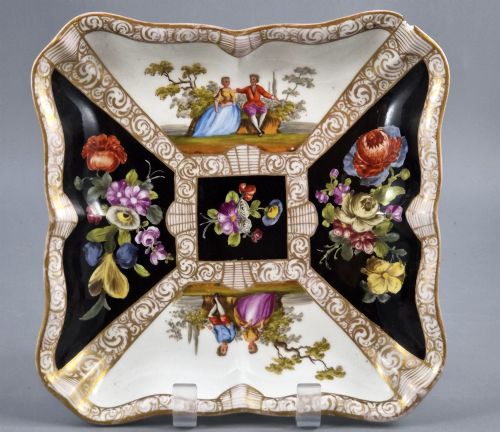
When you search for antique german ceramic plates, you encounter cabinet plates, decorative chargers, dishes and wall plaques made across the nineteenth century and earlier. The selection spans nineteenth-century production alongside eighteenth-century porcelain, featuring shapes from square dishes to reticulated plates.
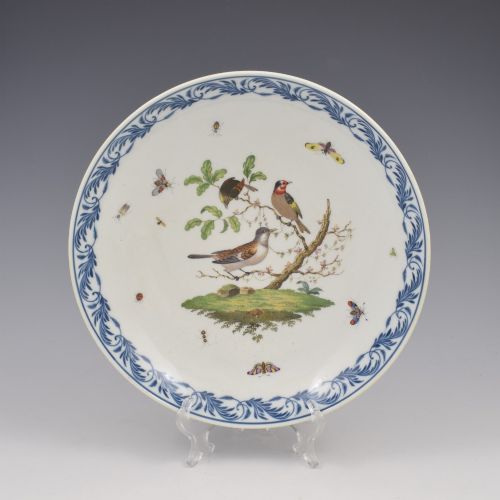
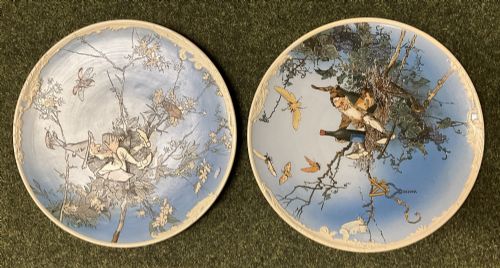
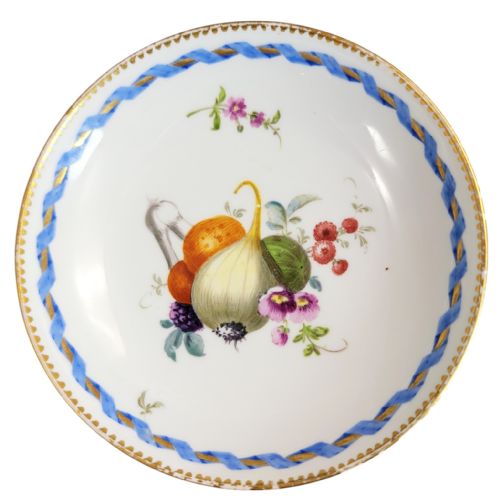
Meissen dominates the evidence, accompanied by works from Royal Bonn, Mettlach, Fürstenberg, Dresden, and Paul Müller Selb. Forms range from simple earthenware saucers to elaborate cabinet plates painted with birds, floral bouquets and Watteau scenes.
How they were made
The pieces rely on hard-paste porcelain and earthenware bodies, finished with glaze and hand-painted enamel decoration. Many utilise gold leaf, gilt and gilding to highlight borders, rims and moulded details.
Firing techniques allowed intricate reticulated openwork and smooth white surfaces to receive detailed hand painting after Boucher or traditional Kakiemon patterns like the Gelber Löwe.
Listings feature hard-paste porcelain and earthenware across the nineteenth century, including specific dates from 1850 to 1920.
What varies in quality
Quality rests on the crispness of the hand-painted detail, whether in ornithological bird studies, portrait chargers or pastoral figures. Superior pieces show precise brushwork and careful colour application rather than hurried production.
The use of gilding and gold leaf also distinguishes the range, alongside factory marks such as the crossed swords which indicate origin and execution standard.
Meissen·Royal Bonn·Mettlach·Furstenberg·Paul Muller Selb·Helena Wolfsohn
The Antique German Ceramic Plates Glossary
- Hard-paste porcelain
- A dense, vitrified ceramic material fired at high temperatures using kaolin and petuntse. It provides a durable, bright white base for hand-painted enamel and gilt decoration.
- Cabinet plate
- A decorative plate intended for display in a cabinet or on a wall rather than for daily dining use. These often feature elaborate painted scenes or reticulated borders.
- Reticulated
- Describes ceramic work featuring an openwork or pierced lattice pattern cut into the rim or body. This technique requires considerable skill during the drying and firing stages.
- Enamel
- A glass-like substance fused to the ceramic surface through firing to provide permanent colour. It is applied by hand in fine details for portraits, flowers and landscapes.
Antique German Ceramic Plates: Frequently Asked Questions
Are these plates safe for food use?
These antique ceramics are intended primarily for display as cabinet pieces, wall plaques or decorative dishes rather than everyday dining.
Historic glazes and overglaze enamel decoration can show wear or contain materials unsuited to modern culinary use.
How do I hang a cabinet plate?
Wall display requires a secure, properly sized spring hanger that grips the rim without applying excessive pressure to the ceramic body.
Ensure the wall fixture is sturdy enough to support the weight of porcelain or earthenware plaques safely.
What do crossed swords marks mean?
Crossed swords marks indicate pieces produced by the Meissen porcelain manufactory in Germany. Variations in the painted or impressed marks help historians date the manufacture of the dish.
Not all German ceramics carry this mark, as other potteries used distinct stamps, monograms or text.
How should I clean antique porcelain?
Dust surfaces gently with a soft, dry cloth to remove everyday particles without disturbing delicate enamel or gilt details.
Avoid abrasive cleaners, soaking in water or placing pieces in a dishwasher, which can damage the historic glaze.