

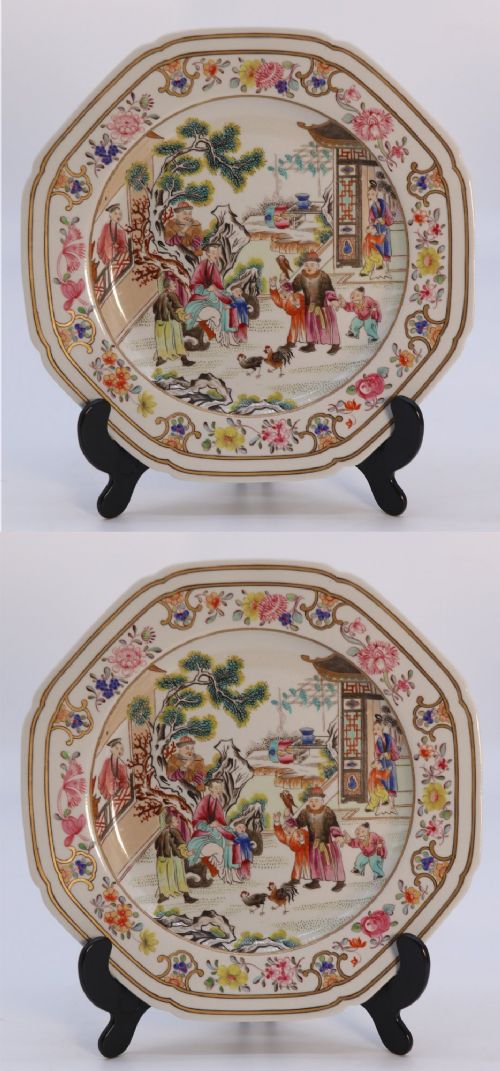
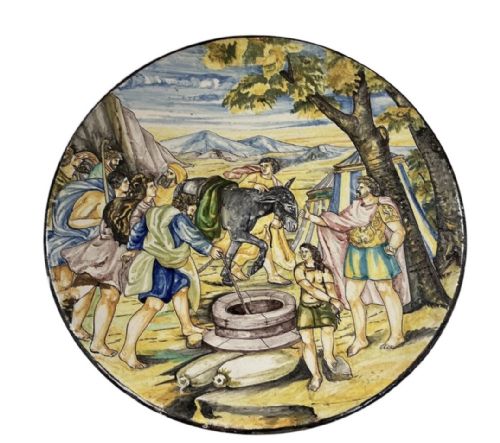
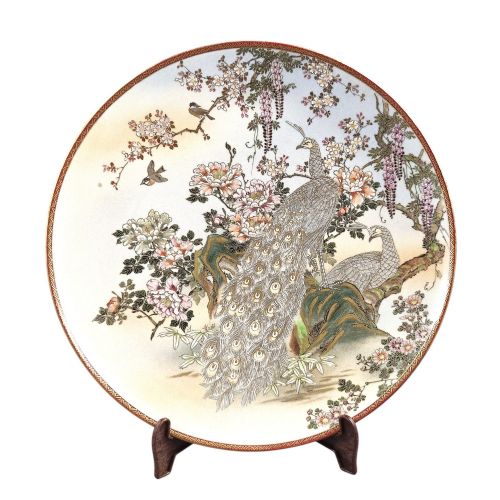
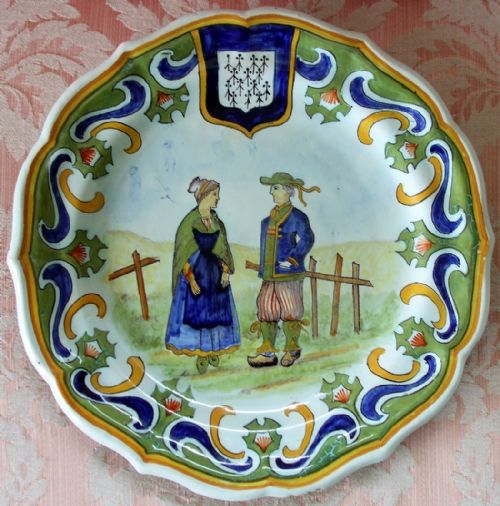
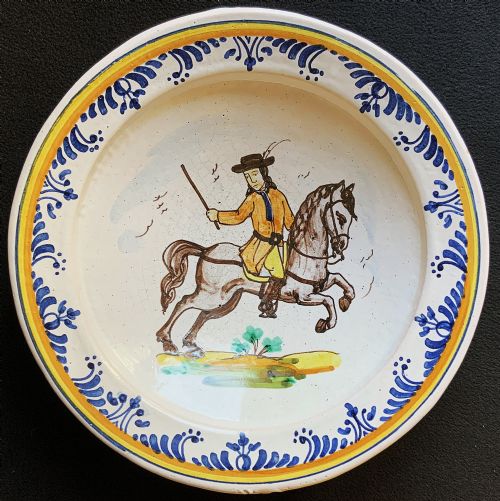


Polychrome Ceramic Decorative Plates
Polychrome ceramic decorative plates bring painted colour and pattern to walls and cabinets, drawing on traditions from English earthenware to Japanese porcelain.
Polychrome Ceramic Decorative Plates
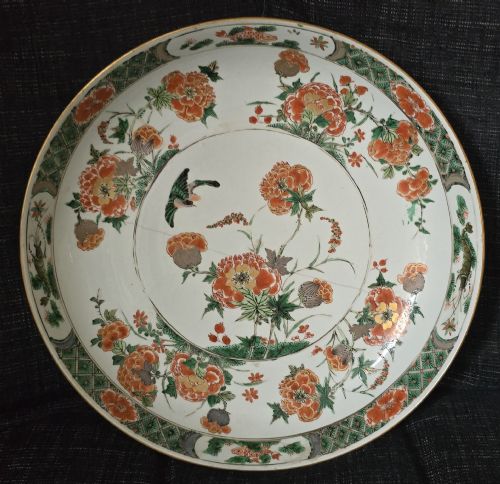
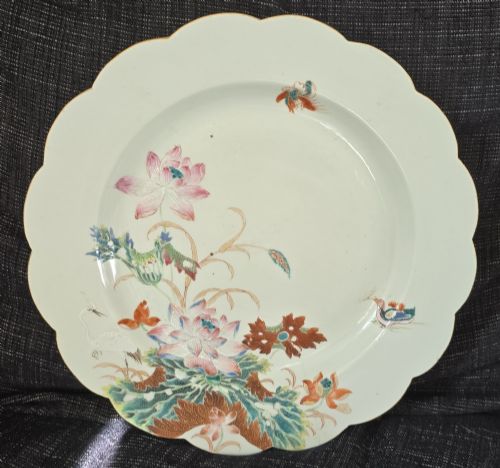
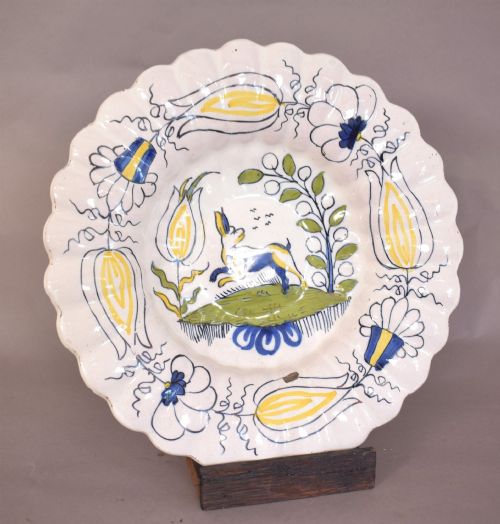
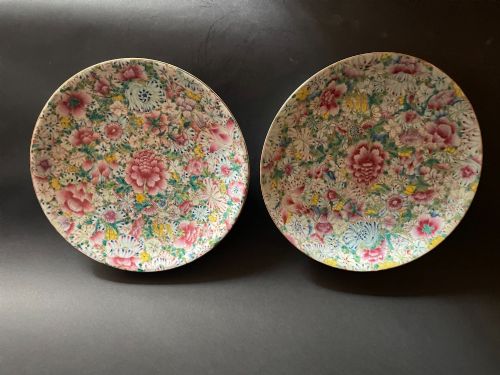
Polychrome ceramic decorative plates encompass chargers, cabinet plates, and dishes spanning the eighteenth, nineteenth, and early twentieth centuries. Buyers find English ironstone and porcelain alongside continental faience, maiolica, and Japanese Imari and Satsuma wares.
The versions most commonly met on this page include nineteenth-century Japanese Imari chargers and English ironstone plates. These forms range from small cabinet pieces to large wall-hanging chargers decorated with hand-painted scenes and motifs.
How they were made
Makers utilised ceramic bases such as earthenware, porcelain, stoneware, and tin-glazed faience or maiolica, shaped into plates, dishes, and octagonal forms. These pieces received mineral pigments, enamels, and sometimes gold leaf to build up multi-coloured designs.
Firing techniques varied from grand feu methods on tin-glazed chargers to multi-stage kiln processes for Japanese Satsuma and Imari pieces. Painted decoration was applied by hand, showing brushwork, transfer-printed outlines, or raised moriage details.
Materials recorded across the inventory include ironstone, gold leaf, enamel, earthenware, and standard ceramic glazes.
What varies in quality
The calibre of painting distinguishes finer examples from standard production, visible in the precision of brushwork and the complexity of the subject matter. Hand-painted detail, depth of enamel colour, and crispness of pattern transfer set superior plates apart.
The weight and stability of the ceramic body also indicate quality, particularly in heavier ironstone and porcelain chargers. Preservation of the glazed surface and the retention of gilding contribute significantly to the standing of a piece.
Spode Stone China·Chamberlain's Porcelain·Barr Flight and Barr·John Ridgway·Helena Wolfsohn·Meissen·Meizan
The Polychrome Ceramic Decorative Plates Glossary
- Charger
- A large decorative plate intended for display on a wall or sideboard rather than for dining. These substantial pieces often measure over thirty centimetres across.
- Imari
- A style of Japanese export porcelain characterised by underglaze blue, iron red, and gilt decoration. The patterns typically incorporate floral and panel motifs.
- Ironstone
- A durable type of British stoneware patented in the early nineteenth century. It combined earthenware clay with slag iron to resist chipping.
- Maiolica
- Italian tin-glazed pottery decorated with colourful pigments. Renaissance Revival examples often depict historical or mythological scenes.
Polychrome Ceramic Decorative Plates: Frequently Asked Questions
How do I hang a heavy charger safely?
Large chargers and heavy ironstone plates require specialist spring-loaded brass wall hangers that distribute the weight evenly across the rim. Ensure the fixing is secured firmly into a wall stud or uses an appropriate wall anchor.
Avoid wire or adhesive disk attachments on antique earthenware, as the glaze and ceramic body can fracture under sustained tension over time.
Were these plates made for dining?
Many items listed as cabinet plates or dishes were intended primarily for display in dining rooms or parlours. Substantial chargers served decorative functions on sideboards or walls rather than carrying food.
Some porcelain and stoneware services saw active use at the table, while delicate enamelled or gilt surfaces were strictly ornamental.
How do I distinguish Imari from Satsuma?
Imari wares use a hard porcelain or ceramic body decorated with a distinctive palette of dark underglaze blue, rust red, and gold. The designs often feature geometric panels and floral arrangements.
Satsuma pieces utilise a cream-coloured earthenware body covered with a fine network of crackle glaze, typically painted with detailed human figures, birds, and raised enamels.