


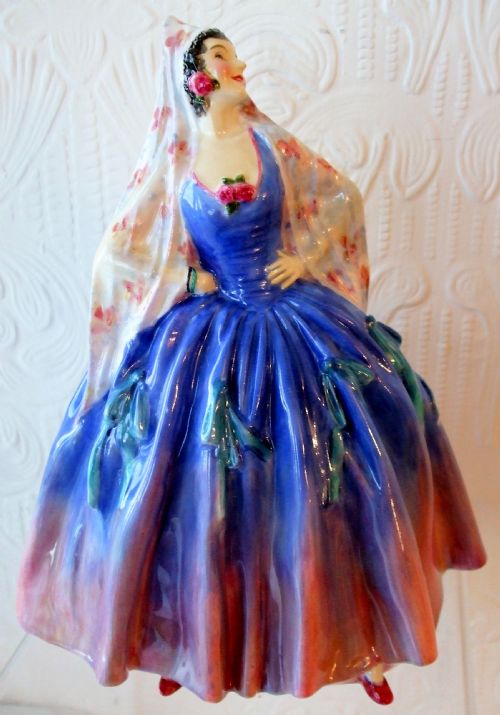

Collectable Porcelain Figures
Collectable porcelain figures bring domestic character to a room through centuries of modelled ceramic art, from delicate 18th-century animal groups to vibrant Art Deco dancers.
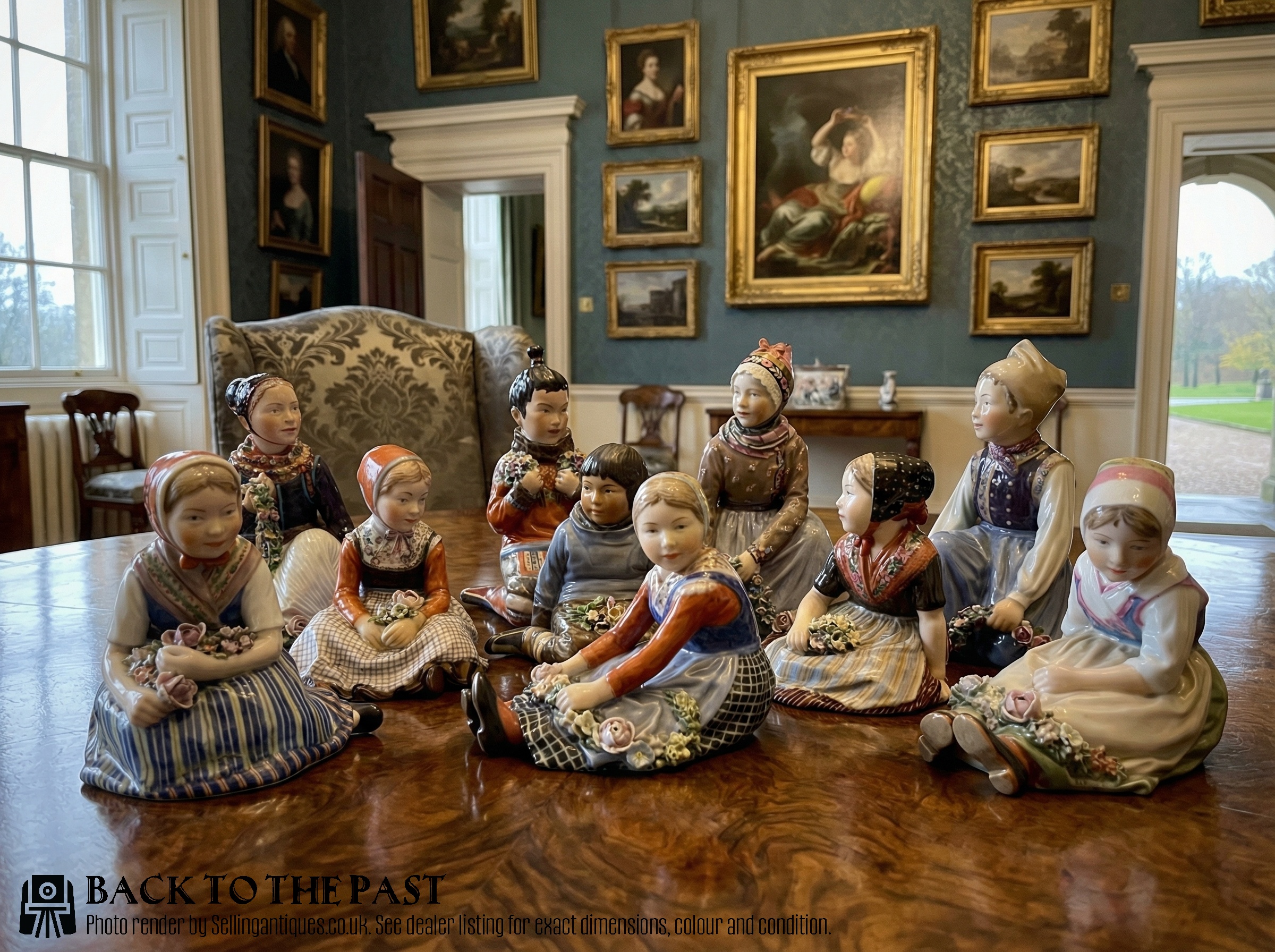
Collectable Porcelain Figures
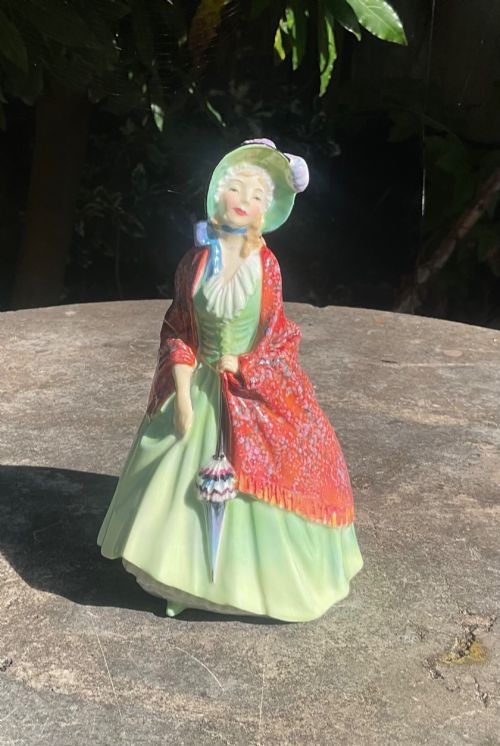
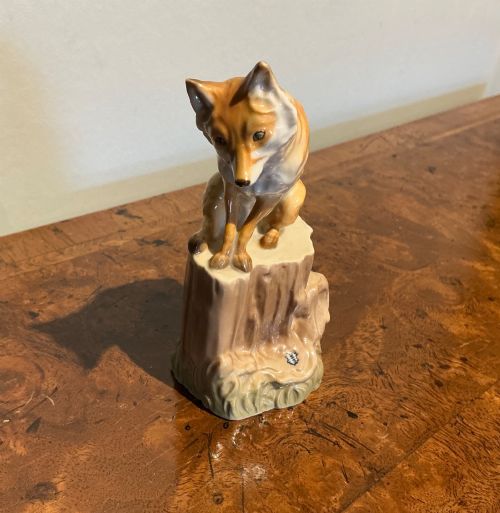
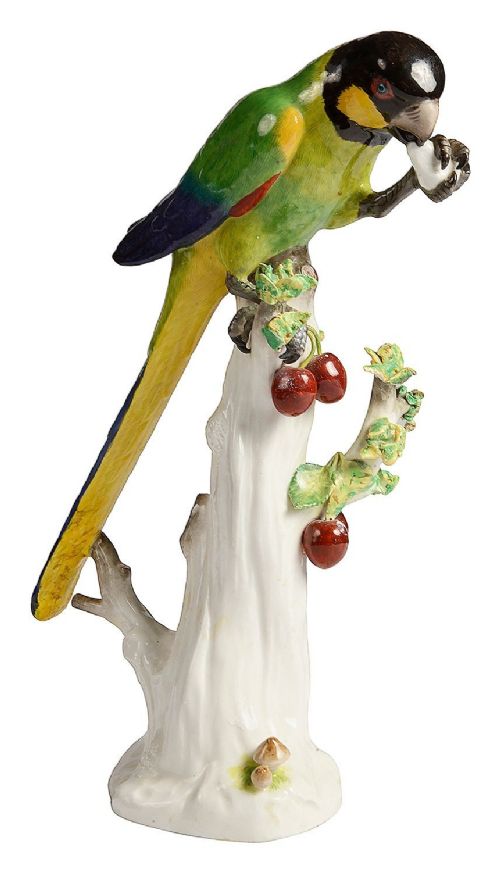
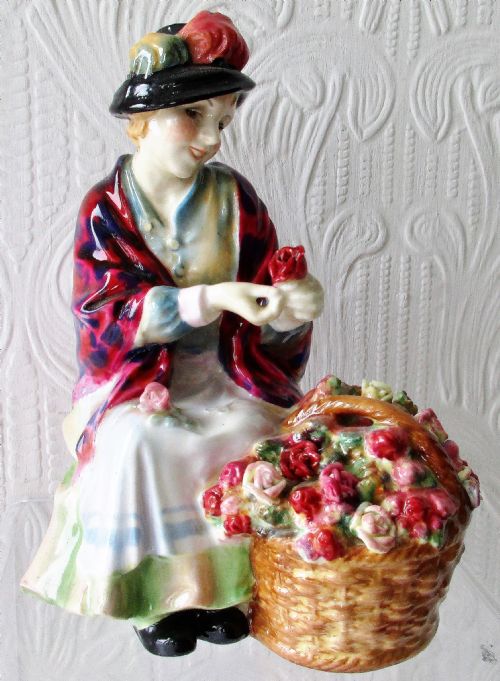
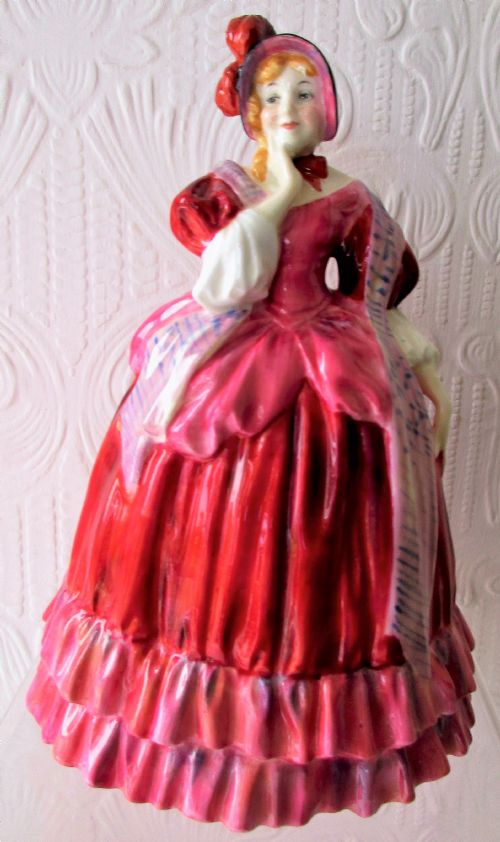
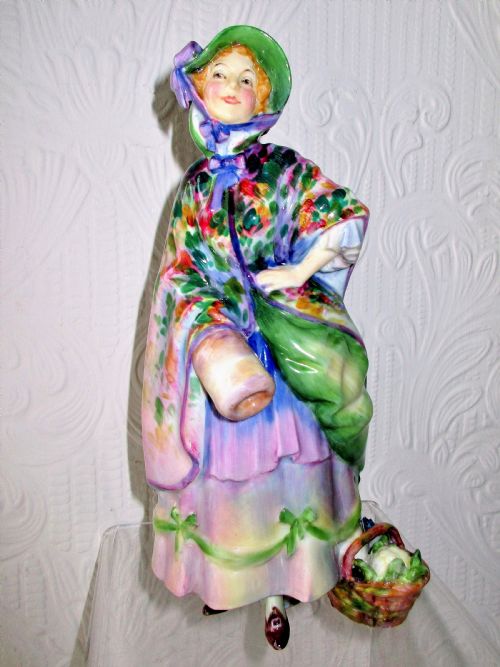
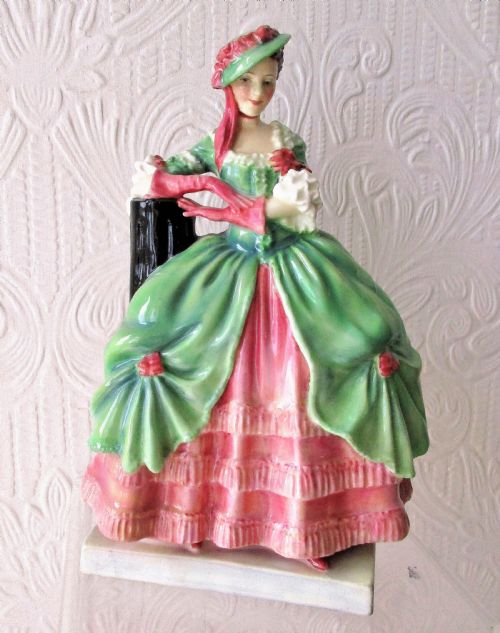
Collectable porcelain figures encompass a rich variety of ceramic forms, including individual figurines, decorative animal sculptures, and functional candle snuffers. When exploring collectable porcelain figures on this page, you will encounter pieces ranging from early Georgian pastoral models to mid-20th-century character studies.
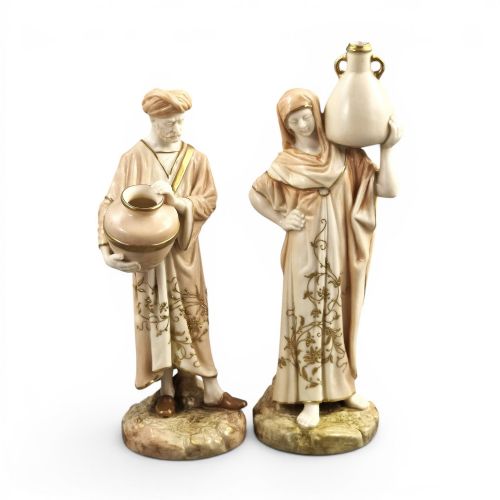
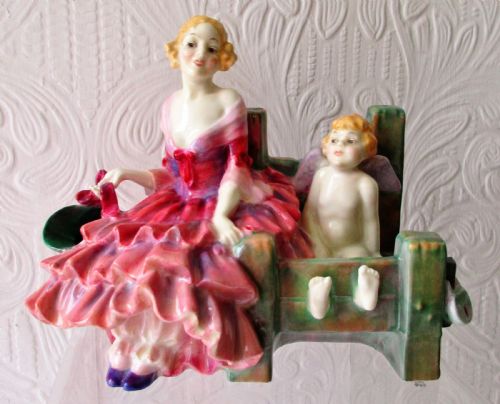
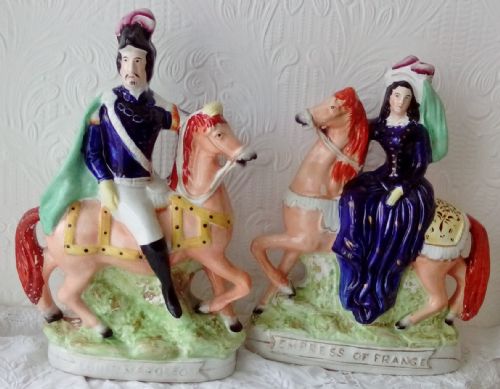
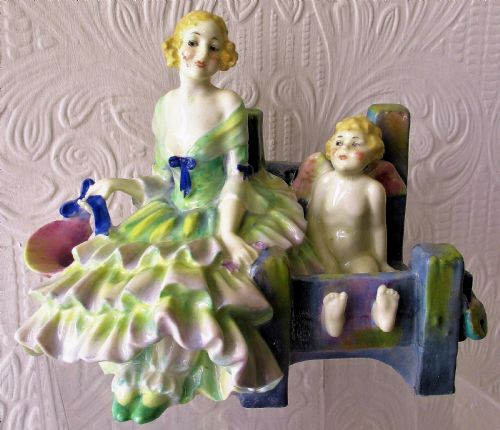
The selection spans numerous European traditions, featuring English bone china ladies alongside German decorative porcelain animals and continental figures. Victorian Staffordshire earthenware and porcelain representations sit alongside refined Royal Worcester and Royal Doulton productions from the Edwardian and 1930s periods.
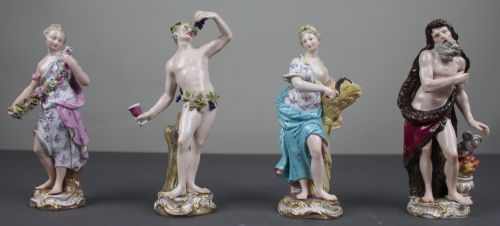
Objects vary widely in scale and subject matter, taking the form of historical personalities, market traders, dancers, and allegorical groups. These sculptural ceramics capture distinct moments in decorative history, reflecting the shifting tastes of the 18th, 19th, and 20th centuries.
Materials and manufacture
Makers shaped these pieces using soft-paste or hard-paste porcelain, bone china, and occasionally pearlware or earthenware, often building complex compositions in sectional moulds. Artisans applied ceramic glaze to seal the body, sometimes leaving areas in a tactile, unglazed bisque finish.
Mansion house dwarves wore extraordinarily large tricorn hats to conceal the fact that their heads were disproportionately modelled by clever Staffordshire potters.
Markers of quality
Quality rests upon the crispness of the original modelling and the delicacy with which fine details such as lace, fingers, and facial expressions are rendered. Superior pieces retain sharp definition in the mould work without the blurring that occurs when production runs continue too long.
The richness and precision of the hand-enamelling elevate certain examples, where layered colours and careful gilding demonstrate advanced workshop skill. Successful firing without distortion or surface pitting also distinguishes finer studio output from ordinary commercial production.
Royal Doulton·Meissen·Royal Worcester·Derby·Royal Copenhagen·Samson of Paris·Nymphenburg·Royal Dux
The Collectable Porcelain Figures Glossary
- Biscuit porcelain
- Unadulterated, unglazed fired ceramic that presents a matte, marble-like surface texture. This finish allows sculptural details to remain exceptionally sharp and clear.
- Bone china
- A type of porcelain incorporating bone ash, developed to provide enhanced strength and a bright, translucent white body. It permits thinner walls and finer modelling.
- Enamel
- Vitreous coloured decoration painted onto the glazed surface of a ceramic piece before a low-temperature firing fixes the pigment. It provides the vibrant palette seen on historical figures.
- Pearlware
- An earthenware body developed in the late 18th century featuring a faint bluish glaze that pooled in recesses to simulate Chinese export porcelain. It offers a distinct alternative to standard creamware.
- Soft-paste porcelain
- An artificial ceramic composition fired at lower temperatures than true hard-paste porcelain, yielding a warm, creamy body. Early English factories relied heavily on this formulation.
Collectable Porcelain Figures: Frequently Asked Questions
How do I date antique porcelain figures?
Dating relies primarily on factory marks stamped or painted on the underside, stylistic cues, and costume details. Comparing the modelling style to known production periods helps narrow down the decade.
Changes in glaze chemistry and manufacturing techniques also provide reliable clues for distinguishing 18th-century figures from later Victorian or 20th-century revivals.
Where should I display porcelain figures?
These pieces require stable display areas away from direct sunlight, heavy traffic, and vibrating surfaces. Enclosed glass cabinets protect delicate extremities and painted surfaces from household dust.
Proper lighting inside a cabinet enhances the subtle translucency of the porcelain and the detail of the hand-painted enamel decoration.
How were candle snuffers used?
Candle snuffers combined decorative appeal with practical utility, featuring a hollow figural dome attached to a handle for extinguishing candle flames. Wealthy households placed them on dressing tables and in living spaces.
Victorian and Edwardian manufacturers transformed these everyday items into miniature sculptures depicting animals, characters, and historical figures.
What is the difference between porcelain and earthenware figures?
Porcelain is fired at much higher temperatures, resulting in a dense, vitrified body that is often translucent when held to the light. Earthenware, including Staffordshire pottery, is more porous and opaque.
Porcelain figures typically exhibit finer detail and brighter enamel colours, whereas earthenware pieces often display a bolder, more rustic folk art charm.