



Antique Worcester Pair
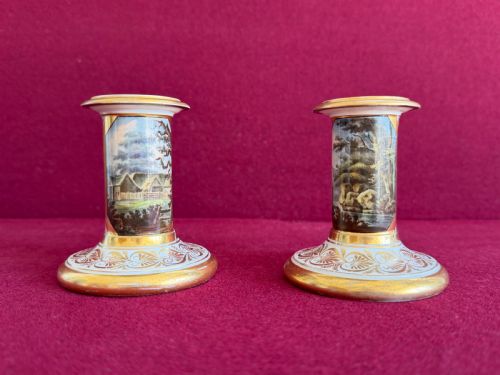
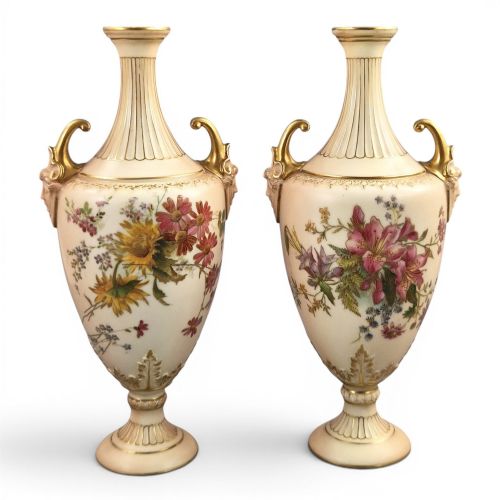
When collectors search for an antique worcester pair, they find matched porcelain vessels and figures spanning the eighteenth century to the twentieth.
Antique Worcester Pair
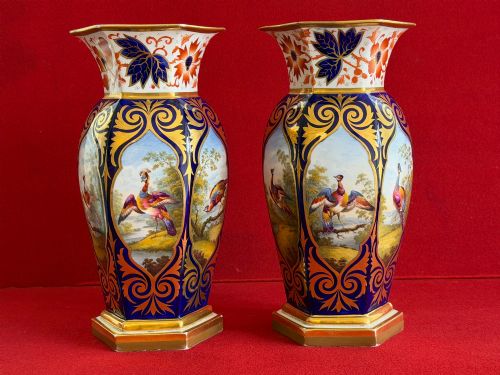
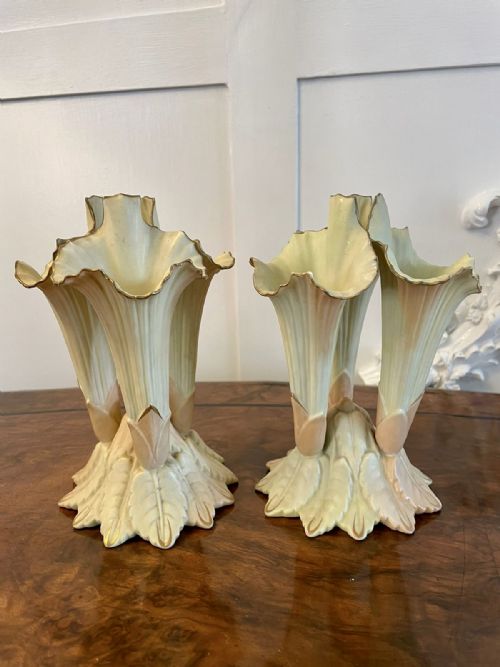
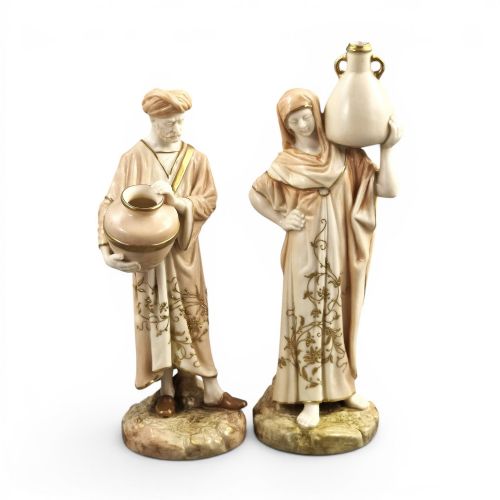
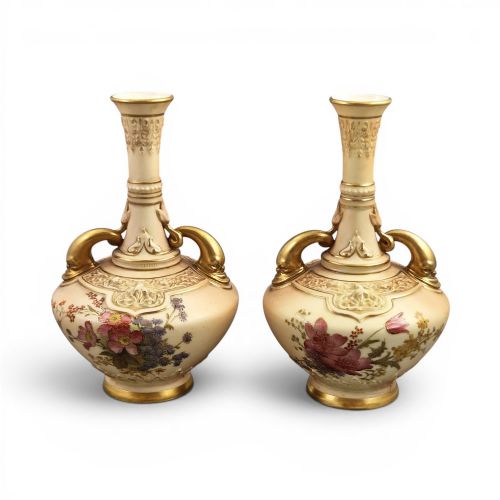
An antique worcester pair comprises matched porcelain items produced by the Worcester manufactory and its subsequent partnerships across various periods. Buyers most frequently encounter nineteenth-century and early twentieth-century examples, including blush ivory vases, ewers, and cabinet plates.
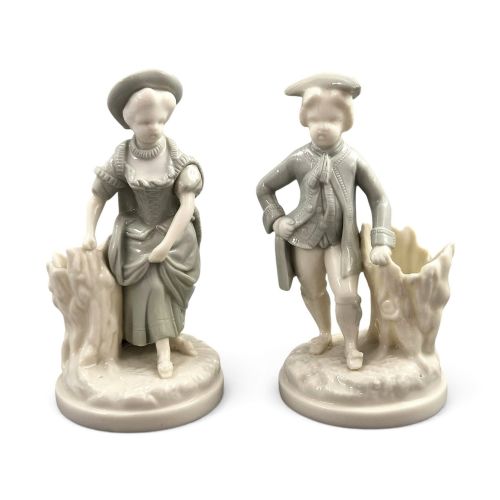
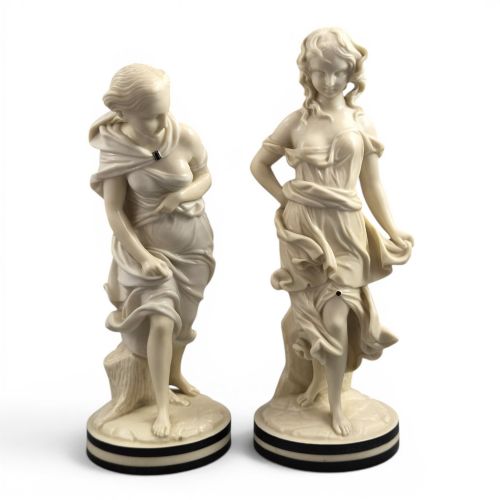
The selection ranges from early soft-paste porcelain baskets and shell centrepieces to Victorian figural salts and Edwardian painted animal scenes. These matched sets were designed for symmetrical display on mantelpieces, sideboards, and drawing-room tables.
Production spans Georgian, Regency, Victorian, and Edwardian eras, incorporating styles from Chinoiserie and classical revival to naturalistic floral and bird painting. Each period brings distinct forms, from elegant ice pails to delicate spill vases.
How They Were Made
Potters utilised both soft-paste porcelain in early periods and bone china later, shaping pieces on wheels or casting them in moulds. Skilled hands then applied detailed modelling to complex forms like dolphin handles and figural groups.
Decoration relied on hand-painting with enamel colours, often combined with extensive gilding, gold leaf, and delicate glaze work. Many pieces required multiple firings to set the intricate painted surfaces and rich gilt accents.
The archive and current selection contain diverse decorative objects, ranging from utilitarian ice pails and cream tureens to ornamental figurines and cabinet plates.
What Varies In Quality
The standard of painting defines the upper tiers of the range, particularly on signed works featuring detailed birds, cattle, or floral studies. Master artists brought exceptional depth and realism to the porcelain surface.
The complexity of the moulding and the crispness of the gilt work also divide standard production from exceptional pieces. Intricate handles, figural elements, and well-preserved gilding indicate superior manufacture.
Flight, Barr & Barr·Royal Worcester·Locke & Co.·James Hadley·Chamberlain Worcester·Kerr & Binns
The Antique Worcester Pair Glossary
- Soft-paste porcelain
- An early glassy ceramic composition fired at lower temperatures than hard-paste porcelain. It often displays a warm, creamy translucency.
- Blush ivory
- A matte cream-coloured porcelain ground introduced in the late nineteenth century. It provided a subtle background for hand-painted floral and animal motifs.
- Spill vase
- A tall, slender cylindrical vessel designed to hold thin wooden spills used for lighting candles and fires. They were frequently produced as symmetrical pairs.
- Ice pail
- A specialised lidded vessel used for chilling or serving ice at fashionable dining tables. These robust containers often featured insulated liners and ornate handles.
- Chinoiserie
- A European decorative style reflecting Chinese artistic traditions. Worcester artists utilised these motifs extensively on eighteenth-century porcelain.
Antique Worcester Pair: Frequently Asked Questions
What are antique worcester pairs used for?
These matched porcelain objects served primarily as decorative garnitures for mantelpieces and display cabinets in period homes. Items like spill vases and ice pails also fulfilled specific domestic functions during the Georgian and Regency eras.
Today, collectors display matched pairs to restore symmetry to historic interiors or as focal points in cabinet collections. Their dual nature makes them versatile decorative elements.
How do I identify early Worcester porcelain?
Early pieces often feature soft-paste porcelain bodies with distinct glaze characteristics and hand-painted underglaze blue decoration or early enamel palettes. Examining the weight, translucency, and base helps distinguish eighteenth-century wares from later Victorian reproductions.
Factory marks also evolved through successive partnerships, providing clear chronological indicators. Comparing documented patterns assists in confirming the correct period of manufacture.
What is blush ivory porcelain?
Blush ivory is a distinctive matte cream ceramic finish developed by the factory during the late nineteenth century. It mimics the warm tone of aged ivory and provides an ideal surface for naturalistic overglaze painting.
Pieces utilising this finish often feature delicate floral sprays or birds painted by recognised artists. The technique became a defining aesthetic of the late Victorian and Edwardian periods.