






Cobalt Blue Porcelain Platter
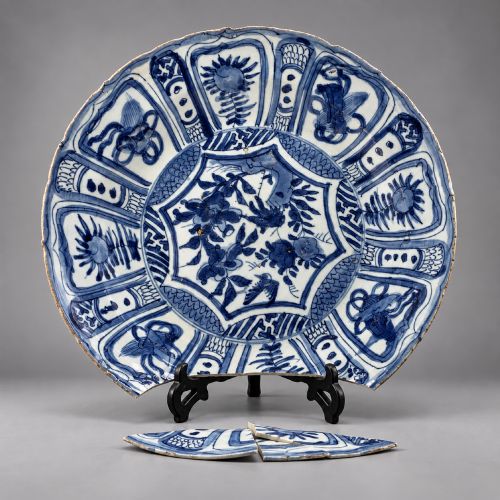
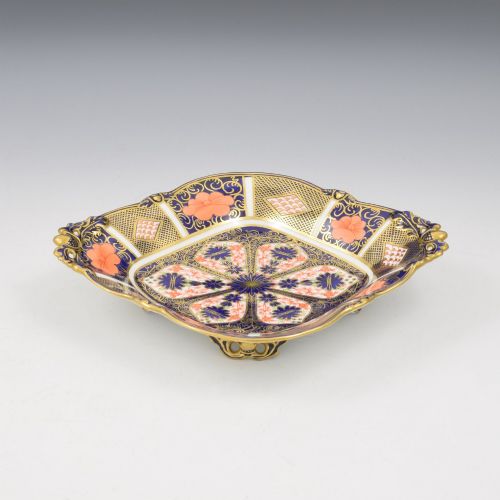
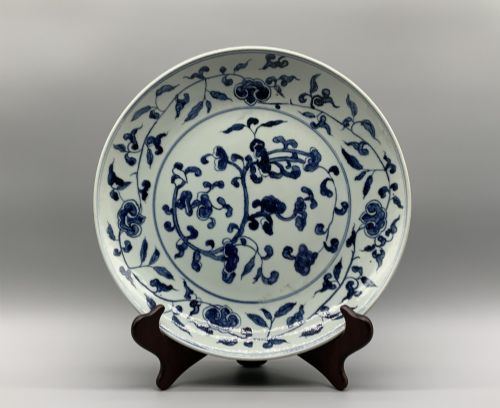
These cobalt blue porcelain platter options range from Japanese Imari chargers to Chinese export wares, offering deep cobalt tones and robust ceramic forms for everyday display or serving.
Cobalt Blue Porcelain Platter
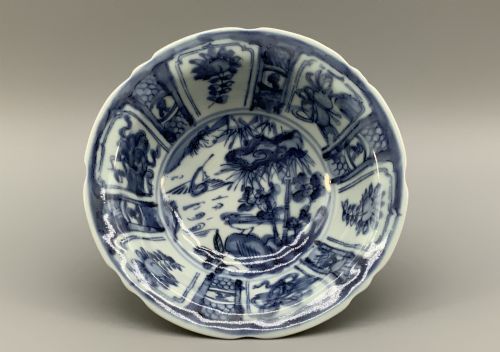
A cobalt blue porcelain platter serves as a broad display vessel or serving surface, appearing across this selection in forms ranging from large round chargers to lobed bowls, fan-shaped plates, and oval dishes. Buyers seeking a cobalt blue porcelain platter encounter examples originating from Japanese workshops, Chinese dynasties, and English or European factories spanning the seventeenth century through the early twentieth century.
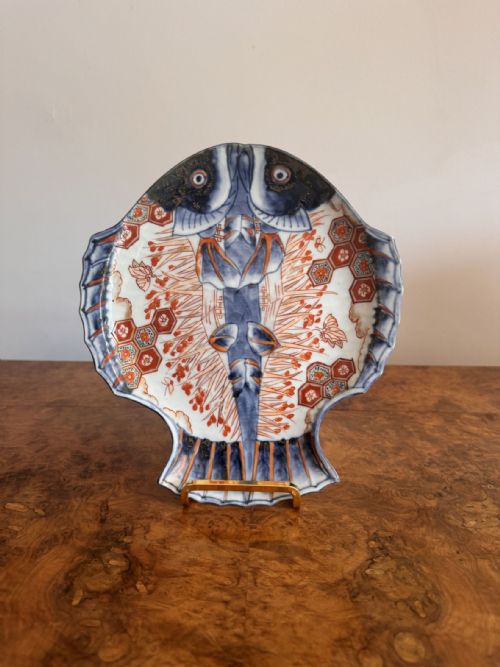
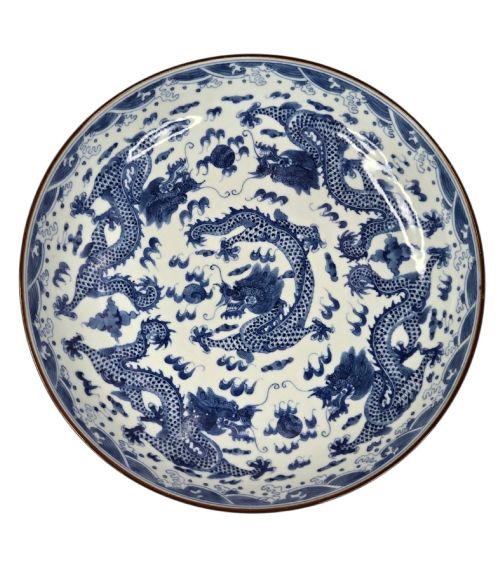
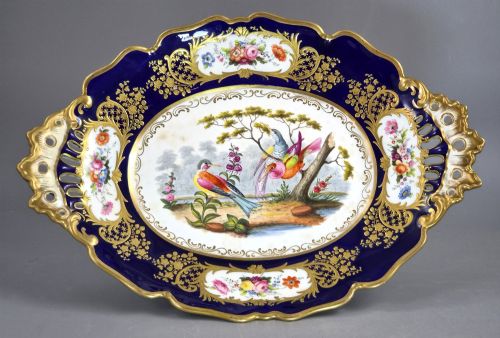
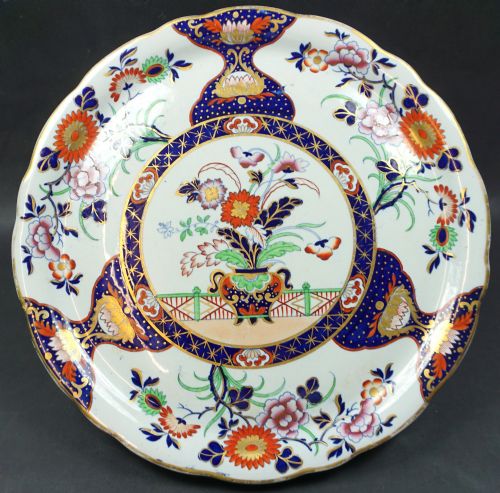
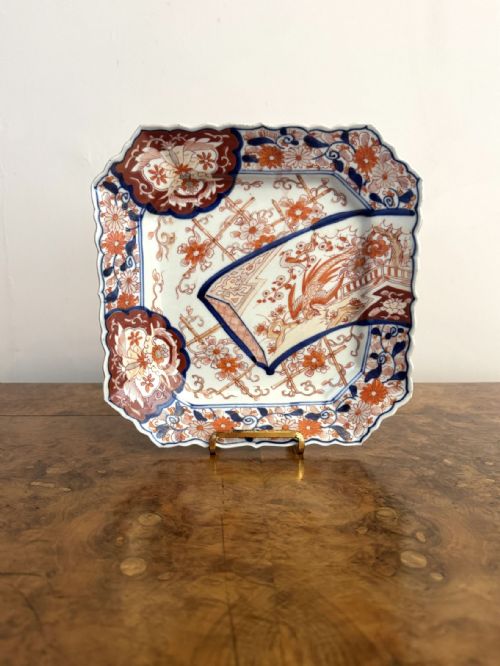
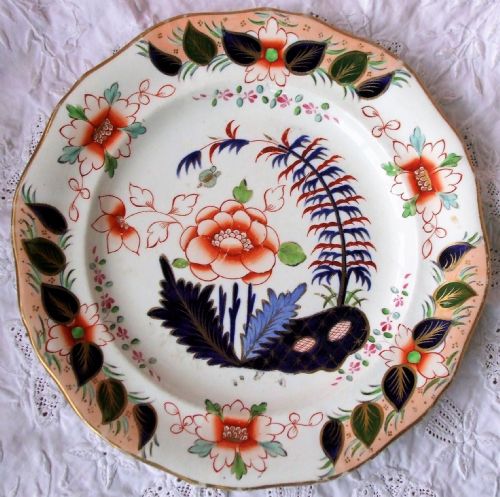
The assortment includes substantial Chinese blue and white chargers alongside Japanese Arita and Edo period Imari pieces decorated in characteristic cobalt blue, iron red, and gold leaf. English makers such as Coalport and John Davenport also contribute regional interpretations featuring cobalt underglaze patterns, botanical motifs, and exotic bird traditions.
Geometric variations such as square plates and scalloped charger plates provide alternative silhouettes to traditional round platters. These ceramic objects reflect diverse cultural traditions united by durable porcelain bodies and strong cobalt pigment application.
How they were made
Potters shaped these objects from ceramic and porcelain bodies, applying cobalt underglaze directly to the clay before firing to achieve deep blue designs that withstand high kiln temperatures. Artisans frequently integrated hand painting alongside cobalt glaze, adding enamel and gold leaf or gilding details during secondary or tertiary low-temperature firings.
Japanese Imari and Chinese export production relied on skilled brushwork to delineate dragons, landscapes, and floral arrangements across large chargers and plates. English factories utilised ironstone and refined porcelain pastes, occasionally employing transfer printing or botanical hand-colouring techniques to mimic imported blue and white aesthetics.
Materials recorded across current inventory include porcelain, ironstone, cobalt underglaze, enamel, and gold leaf.
What varies in quality
The distinction between ordinary and superior pieces rests upon the crispness of the cobalt underglaze painting and the precision of the porcelain forming. Higher quality platters display clean, sharp brushwork without blurring in the blue pigment, alongside balanced proportions in moulded shapes like scalloped edges or fish forms.
The integration of secondary decoration, such as gold leaf and enamel work, marks the upper tier of production. Pieces maintaining bright, well-adhered gilding and sophisticated compositional detailing demonstrate superior workshop standards across both Asian export wares and European porcelain factories.
Royal Crown Derby·Coalport·John Davenport·Pucher Deroche·James Giles
The Cobalt Blue Porcelain Platter Glossary
- Charger
- A large decorative plate or platter traditionally used for ceremonial display or as a base setting for smaller dinner plates. These wide vessels provide a primary canvas for elaborate cobalt blue and Imari designs.
- Imari
- A style of Japanese porcelain originating in Arita and exported widely, characterised by a palette of cobalt blue, iron red, and gold leaf. The style developed during the Edo period and influenced later European ceramic production.
- Cobalt underglaze
- A metallic pigment applied to raw ceramic bodies before glazing and firing, producing a stable blue colour that sinks into the surface. This technique protects the design from subsequent wear and tear.
- Chinese Export
- Porcelain manufactured in China specifically for overseas markets in Europe and the West. These items often combined traditional Chinese forms and blue and white painting with shapes tailored to Western dining habits.
- Qing Dynasty
- The final imperial dynasty of China, reigning from the mid-seventeenth century until the early twentieth century. Wares from this period often feature intricate dragons and refined blue and white porcelain bodies.
Cobalt Blue Porcelain Platter: Frequently Asked Questions
What is an Imari platter?
An Imari platter is a Japanese porcelain dish decorated with a distinct palette combining cobalt blue, iron red, and gold leaf. These pieces originated in the Arita region and were produced for both domestic use and export.
They frequently feature complex floral motifs, landscapes, or mythological figures rendered across chargers and scalloped plates.
How do I date a blue and white charger?
Dating relies on examining the characteristics of the porcelain body, the depth of the cobalt underglaze, and any identifying reign marks or factory stamps on the reverse. Chinese pieces often align with imperial dynasties like the Kangxi or Qing periods, while English examples display factory traits from the Georgian or Victorian eras.
Secondary decorative elements like gilding and enamel colouration also offer clues to the manufacturing decade.
Can these platters still be used for serving?
Many of these sturdy porcelain and ironstone chargers and serving dishes were originally designed for culinary use, particularly large dining gatherings. Antique platters handle dry foods or decorative display safely, though hand washing preserves the fragile enamel and gold leaf.
Careful handling prevents surface abrasion on pieces dating back to the eighteenth and nineteenth centuries.
What is Chinese export porcelain?
Chinese export porcelain encompasses ceramic wares made in China expressly for European and American markets. These objects adapted traditional Chinese blue and white painting techniques to suit Western serving trays and platter forms.
They represent centuries of global trade between Eastern kilns and Western collectors.