
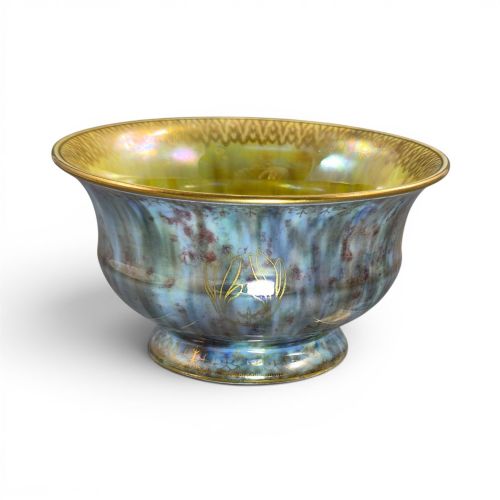


Blue and Gold Ceramic Dish
A blue and gold ceramic dish brings together cobalt pigment and gilded detail for cabinet display and table service.
Blue and Gold Ceramic Dish
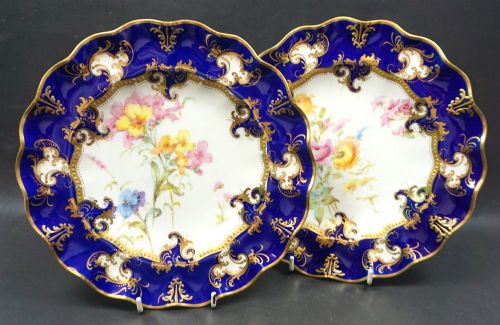
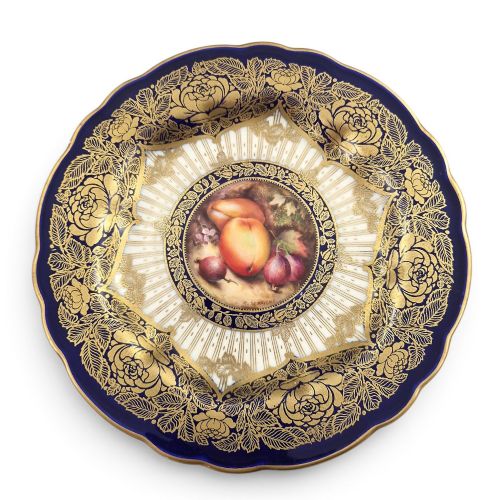
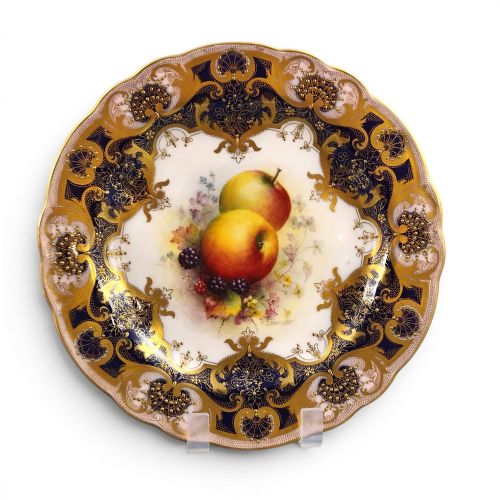
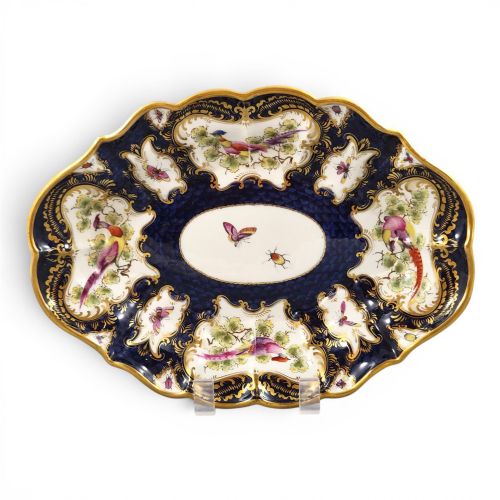
A blue and gold ceramic dish appears in forms such as cabinet plates, decorative bowls, serving dishes, and dessert dishes. These pieces originate from various eras, including the eighteenth century, nineteenth century, and early twentieth century. English factories, French manufactories, Japanese kilns, and Austrian makers all produced these items.
The most common versions on this page are porcelain cabinet plates and decorative bowls decorated with cobalt blue grounds and applied gold leaf or gilding. Examples range from Regency dessert dishes to Art Deco lustre bowls and Meiji period Japanese wares.
Materials and technique
Potters shaped porcelain, bone china, and enamel bodies before applying cobalt blue glazes and hand-painted motifs. Artisans then added gold leaf, gilding, or lustre glaze to the surface.
Firing techniques fixed the metallic and enamel pigments to the ceramic base, creating lustrous contrasts between deep blue tones and bright gold details.
The listings on this site span porcelain, bone china, and enamel materials, decorated with gold leaf, lustre glaze, and hand paint.
Craftsmanship and finish
Quality rests in the precision of the hand-painted brushwork, the depth of the cobalt blue glaze, and the purity of the gilding. Superior pieces display intricate pictorial scenes, botanical studies, or mythical subjects executed by skilled artists.
The crispness of the porcelain moulding and the stability of the gold leaf application further distinguish finer examples from standard production wares.
Royal Crown Derby·Royal Worcester·Wedgwood·Coalport·Royal Vienna·Meissen·Aynsley·Sevres
The Blue and Gold Ceramic Dish Glossary
- Cabinet plate
- A decorative ceramic plate intended for display on a wall or within a cabinet rather than for everyday dining. These items often feature detailed hand-painted scenes or rich gilding.
- Lustre glaze
- A ceramic finish containing metallic elements that produce an iridescent sheen when fired. This technique creates shimmering surfaces on bowls and decorative vessels.
- Cobalt blue
- A deep blue pigment derived from cobalt oxide, used extensively underglaze and overglaze on porcelain. It provides the dark blue ground found on many traditional decorative dishes.
- Gilding
- The application of gold leaf or gold powder to the surface of ceramics. This finish highlights rims, handles, and pictorial borders.
- Bone china
- A type of soft-paste porcelain incorporating bone ash for increased strength and translucency. English potteries utilised this material for fine cabinet plates and dessert services.
Blue and Gold Ceramic Dish: Frequently Asked Questions
How should I display a blue and gold ceramic dish?
Cabinet plates and decorative bowls suit wall hangers, plate stands, or enclosed glass display furniture where lighting highlights the gilding.
Keep pieces away from direct sunlight to preserve the enamel colours and gold leaf over time.
Can I use these decorative dishes for food?
Most antique cabinet plates and lustre bowls are intended for display or light decorative service rather than daily dining.
Hand washing in warm water without harsh detergents protects the painted surfaces and delicate gold trim.
How do I identify the period of a ceramic dish?
Maker marks, backstamps, and factory ciphers stamped or painted on the underside provide the most reliable guide to a piece's date.
Stylistic elements like Rococo Revival curves or Art Deco geometric forms also help narrow down the decade of manufacture.
What is the difference between porcelain and bone china?
Traditional porcelain uses hard paste clay minerals fired at high temperatures to create a dense, vitreous body. Bone china includes calcined bone ash, which allows for thinner walls and a warmer, translucent white appearance.