


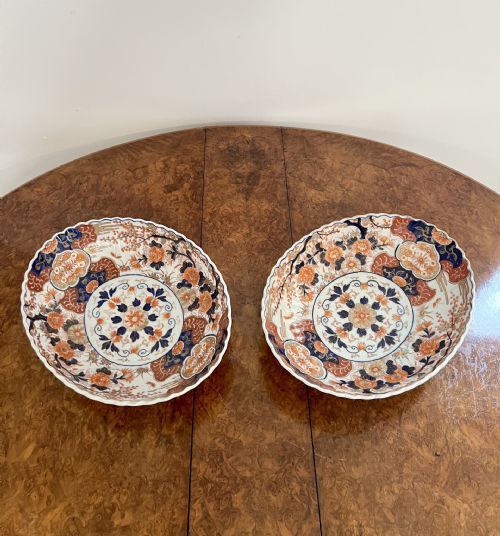


Cobalt Blue Orange Charger
A cobalt blue orange charger brings together rich cobalt pigment, vibrant orange and gilt in pieces primarily originating from Japanese Imari and Chinese export traditions.
Cobalt Blue Orange Charger
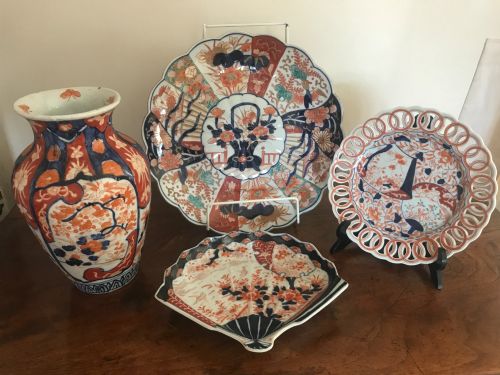
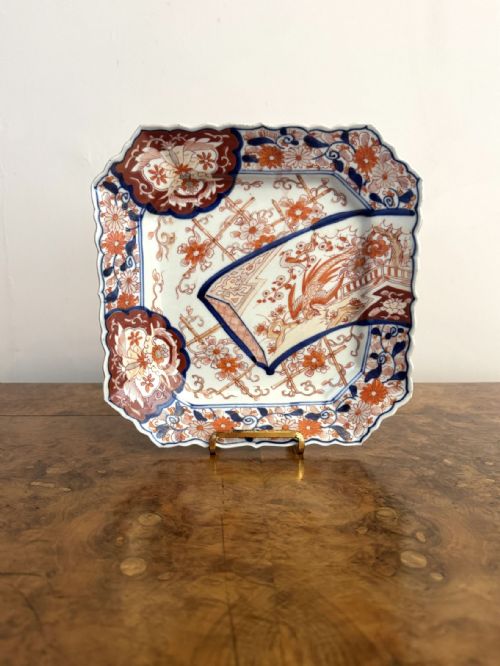
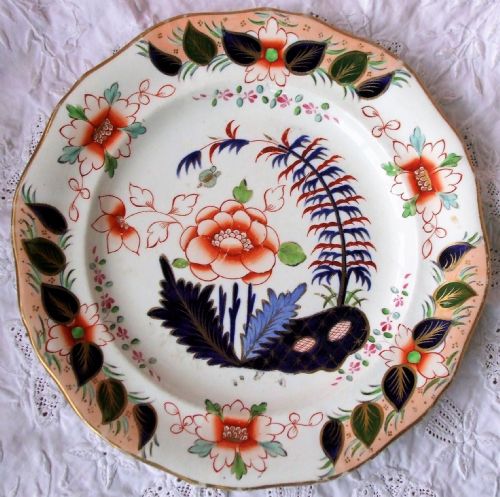
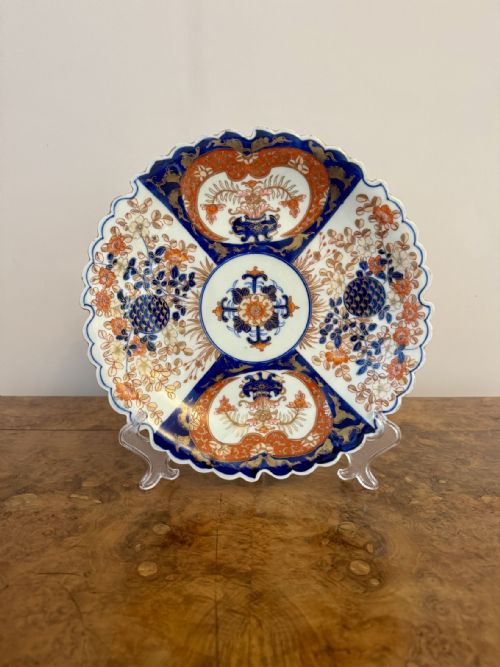
A cobalt blue orange charger functions as a decorative display dish, plate, or bowl, often measuring large in diameter and shaped with scalloped edges, square profiles, or fan forms. When searching for a cobalt blue orange charger, buyers encounter pieces originating predominantly from Japanese Imari traditions spanning the Edo and Meiji periods, alongside Chinese export wares and English Georgian ironstone.
The most common form on this page is the Japanese Imari plate or charger, typically dated around nineteen hundred or the nineteenth century, featuring characteristic rich palettes. These ceramics range from individual decorative plates to large chargers depicting traditional motifs such as the Seven Lucky Gods.
Production dates stretch across multiple centuries, incorporating late seventeenth and early eighteenth century Japanese Edo pieces, mid nineteenth century items, and Victorian era examples. Buyers select these decorative ceramics for wall display or table presentation, drawn by the historic interplay of cobalt blue and iron-red orange pigments.
Factors determining quality
Quality separates through the crispness of the underglaze cobalt blue painting and the precision of the enamel orange and gold leaf detailing. Superior examples exhibit balanced composition across complex motifs like the Seven Lucky Gods, executed with fine brushwork on unblemished porcelain or ironstone bodies.
Form and scale also dictate distinction, with unusual shapes such as square, fan, or deeply dished scalloped edges commanding attention alongside standard circular chargers. The integrity of the ceramic glaze and the preservation of the original gilt highlights complete the distinction between standard production and exceptional antique pieces.
Several plates depict the Seven Lucky Gods, ensuring your dining room comes fully staffed by divine Japanese deities.
John Davenport of Longport
The Cobalt Blue Orange Charger Glossary
- Charger
- A large decorative plate traditionally used for ceremonial display or service rather than daily dining. These substantial dishes form the centrepiece of many ceramic collections.
- Imari
- A style of Japanese porcelain exported from the port of Imari, distinguished by a palette of underglaze blue, iron-red orange, and supplementary gilt. This aesthetic heavily influenced European potteries during the Georgian and Victorian eras.
- Ironstone
- A heavy, durable type of earthenware patented in the nineteenth century to imitate porcelain. English makers such as John Davenport utilised this dense ceramic body for patterned tableware.
- Edo Period
- A historical division in Japanese history lasting from sixteen hundred and three to eighteen hundred and sixty-eight. Ceramics from this era often display hand-painted cobalt and enamel decoration.
- Meiji Period
- The era in Japanese history spanning from eighteen hundred and sixty-eight to nineteen hundred and twelve. Pieces from this time frequently demonstrate highly refined decorative techniques and export-oriented production.
Cobalt Blue Orange Charger: Frequently Asked Questions
How were these chargers displayed?
Historic interiors utilised large chargers on sideboards, tables, or walls to showcase the vibrant cobalt and orange palette.
Today, collectors continue to mount them on walls using appropriate hangers or display them on sturdy plate stands.
What is Japanese Imari?
Japanese Imari refers to porcelain manufactured in Arita and shipped through the port of Imari for domestic and international markets.
These pieces are instantly recognisable by their distinct combination of deep blue underglaze, vibrant orange enamel, and gold highlights.
How do I date a charger?
Dating relies on examining the characteristics of the ceramic body, the formulation of the glaze, and the style of the hand-painted motifs.
Comparison with documented examples from the Edo, Meiji, or Victorian periods helps establish an approximate timeframe of creation.
Can I use them for food?
Antique chargers of this age are intended primarily for decorative display and collection rather than daily culinary use.
Surface wear and historic glaze compositions mean they are best preserved as ornamental objects in the home.