





Japanese Decorative Wall Dish
A Japanese decorative wall dish brings historical craftsmanship and intricate visual storytelling into modern interiors through painted ceramics and elaborate metalwork.
Japanese Decorative Wall Dish
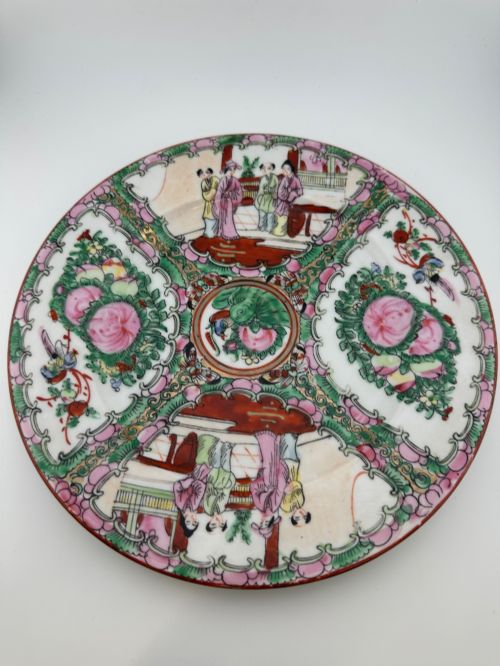
A Japanese decorative wall dish encompasses a variety of antique forms, including large chargers, smaller plates, and patinated plaques designed for display. These pieces frequently date from the late nineteenth century and the Meiji period, representing an era of prolific export artistry.
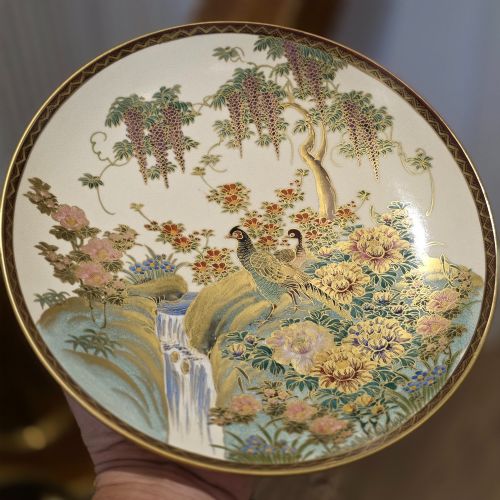
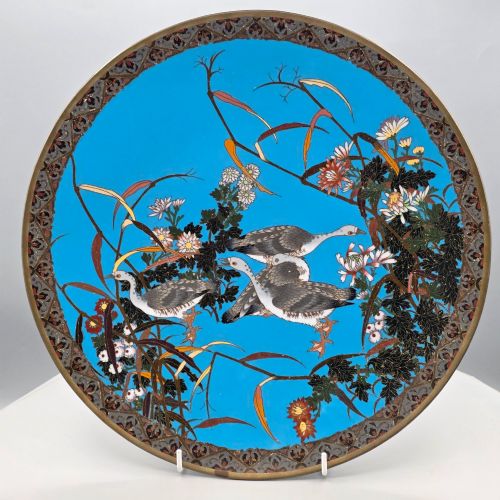
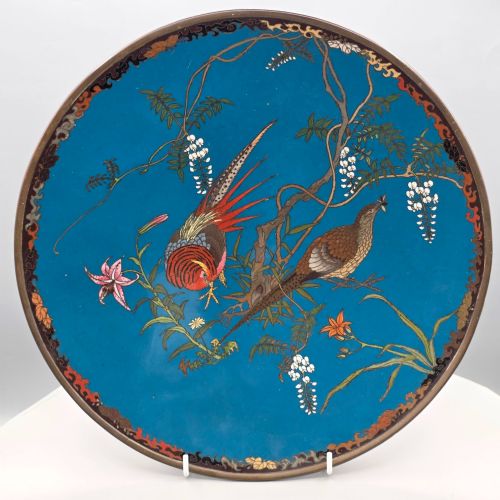
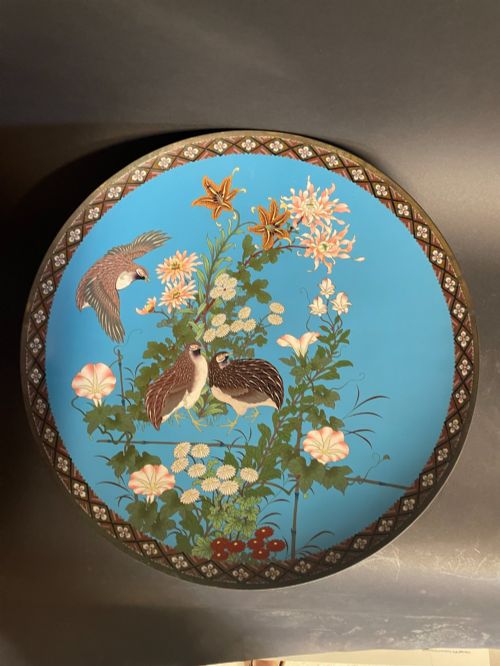
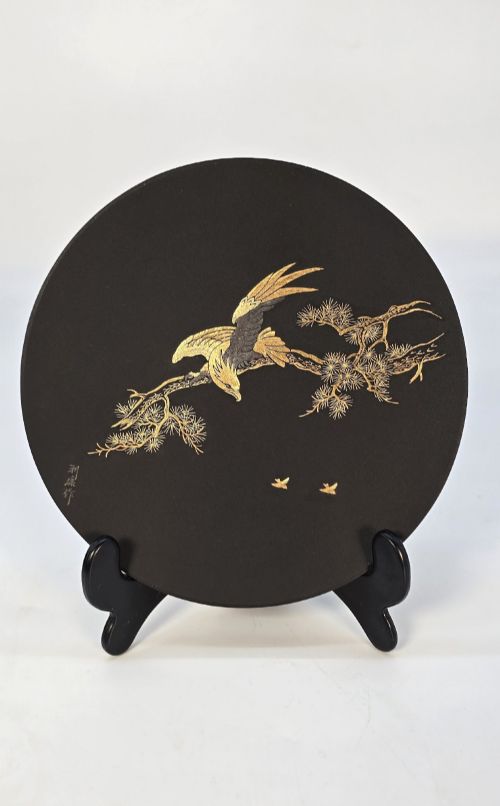
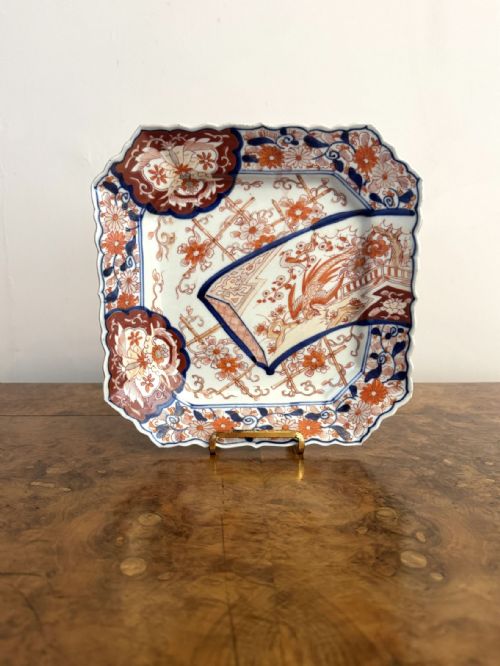
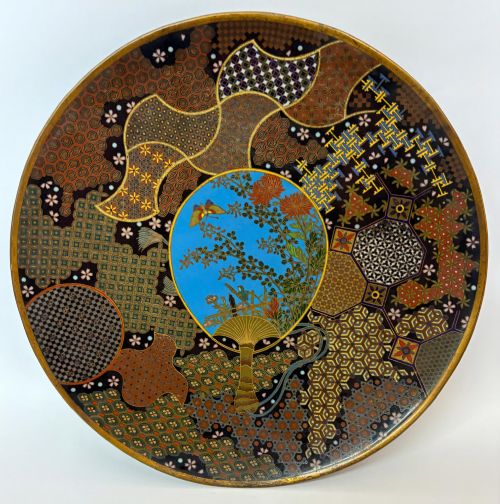
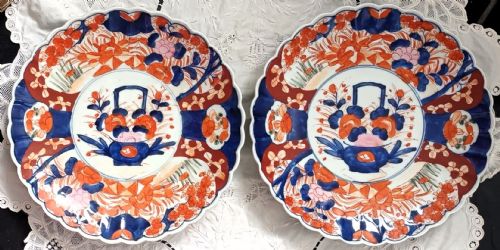
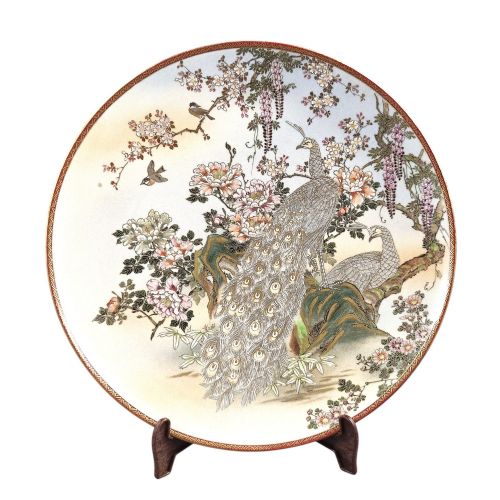
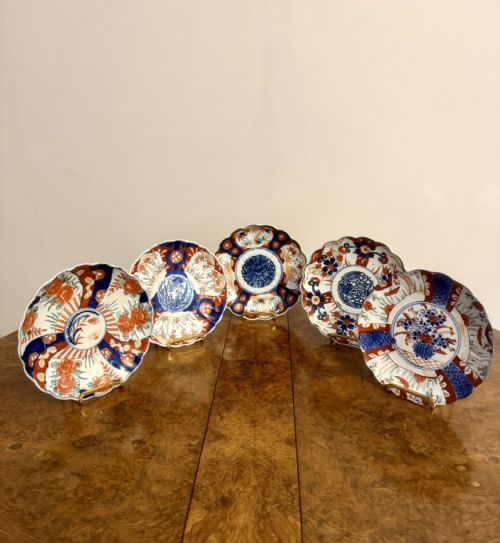
The most common versions encountered on this page are porcelain chargers and plates decorated in the traditional Imari palette, alongside finely detailed cloisonne enamels. Buyers will also discover Satsuma earthenware and iron plaques featuring metal inlay.
Originating largely from the late nineteenth and early twentieth centuries, these items reflect both domestic aesthetic shifts and international demand during the Victorian era.
Materials and Techniques
Porcelain serves as the base for many pieces, decorated with underglaze blue and overglaze iron-red and gold leaf in the Imari tradition. Artisans also utilised copper and brass for cloisonne enamel works, applying vitreous pastes within thin wire cells before firing.
Patinated iron and bronze provide a darker, heavier ground for metalwork plaques, often enhanced with contrasting gold and silver inlay. Specialised techniques such as moriage build up raised relief patterns on earthenware surfaces, adding tactile depth to floral and avian motifs.
Listings feature pieces spanning the late nineteenth century through the early twentieth century, incorporating periods such as Meiji and Taisho.
Assessing Quality and Execution
The distinction between standard commercial output and superior craftsmanship lies in the precision of the hand-painted details or wirework. Masterpieces demonstrate exceptional control in rendering complex subjects such as dragons, koi, and botanical scenes with fine definition.
The richness of the gilding, the depth of the enamel colours, and the symmetry of the porcelain bodies distinguish finer examples. Furthermore, signed works and those employing unusual scales or complex pictorial compositions hold greater artistic merit.
Koshida
The Japanese Decorative Wall Dish Glossary
- Charger
- A large decorative plate traditionally intended for display on a wall or sideboard rather than for practical dining use. These substantial pieces often measure over thirty centimetres in diameter.
- Cloisonne
- An enamelling technique where metal wires are soldered to a metal base to create compartments, which are then filled with coloured paste and fired. This method produces intricate cellular patterns of birds, flowers, and landscapes.
- Imari
- A style of Japanese porcelain featuring a distinctive palette of underglaze blue, iron red, and added gold. Originating from the town of Arita, these export wares became hugely popular in European interiors.
- Moriage
- A decorative ceramic technique using slip to create raised, beaded, or heavily textured relief patterns on the surface. It is frequently found on Satsuma earthenware vessels and plates.
- Meiji Period
- The historical era spanning from 1868 to 1912, characterised by rapid modernisation and the widespread export of Japanese decorative arts. Pieces from this time are noted for their technical ambition and detailed artistry.
Japanese Decorative Wall Dish: Frequently Asked Questions
How were Japanese decorative wall dishes displayed?
These items were primarily created for export and domestic display, often mounted on walls or set upon plate stands in Victorian parlours. Their large formats and striking colour schemes made them natural focal points for interior decoration.
Many chargers feature integrated foot rings or mounting holes adapted specifically for hanging. This allowed households to showcase intricate ceramic and metalwork designs safely in living spaces.
What is the difference between Imari and Satsuma wares?
Imari pieces are hard-paste porcelains typically decorated with deep underglaze blues, vibrant iron reds, and gold leaf. Their designs often emphasise geometric borders and dense floral patterns.
Satsuma wares consist of a creamy, crackle-glaze earthenware surface that is subsequently hand-painted with polychrome enamels and gilding. These pieces frequently depict figurative scenes, deities, and detailed nature studies.
How can I date an antique Japanese wall dish?
Dating relies on stylistic markers, materials, and historical production periods such as the Meiji era or the late nineteenth century. Markings, signature styles, and manufacturing techniques also provide clues regarding the approximate decade of origin.
For instance, the adoption of specific chemical colourants or shifts from traditional hand-thrown bodies to industrial bases help narrow the timeline. Comparing decorative motifs with dated archival examples further confirms the period.
How do I care for antique enamel and porcelain dishes?
Maintenance requires gentle handling and keeping pieces away from direct, prolonged sunlight to prevent fading of sensitive enamels and pigments. Dusting with a soft, dry brush preserves the delicate surface details without causing abrasion.
Avoid using water, chemical cleaners, or abrasive cloths, particularly on metal-inlaid plaques or cloisonne where moisture can seep into microscopic fissures. Display them securely to prevent accidental knocks or falls.