



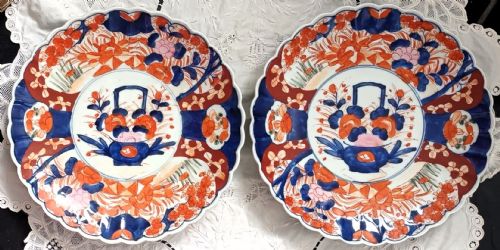
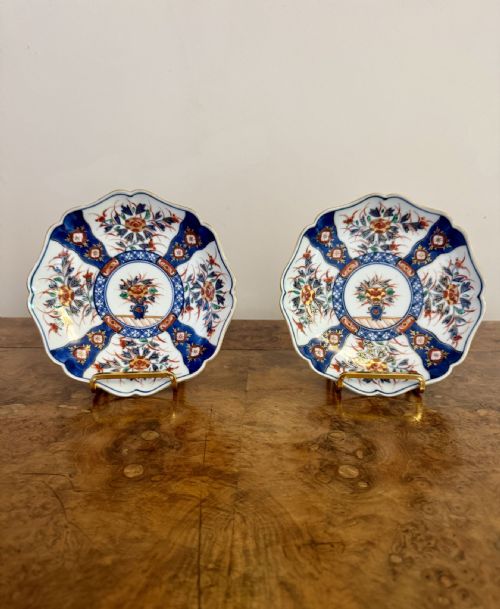
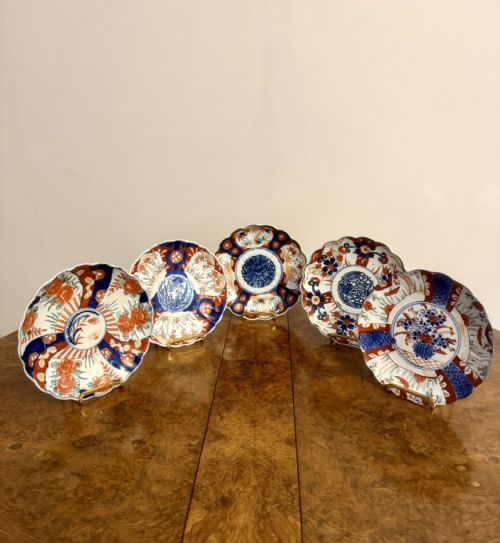
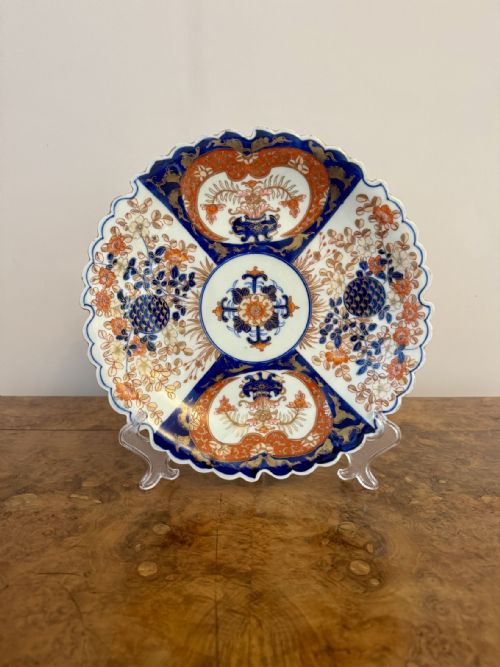


Scalloped Imari Wall Charger
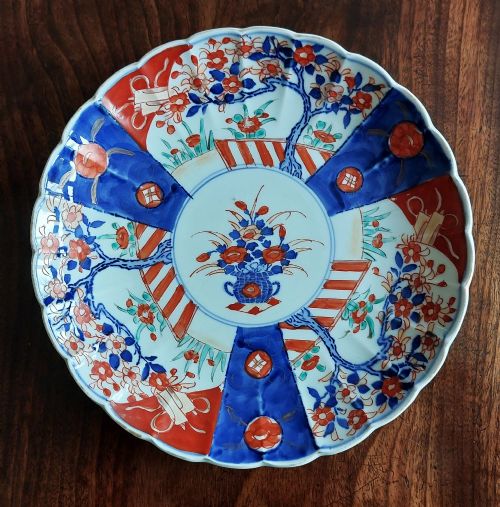
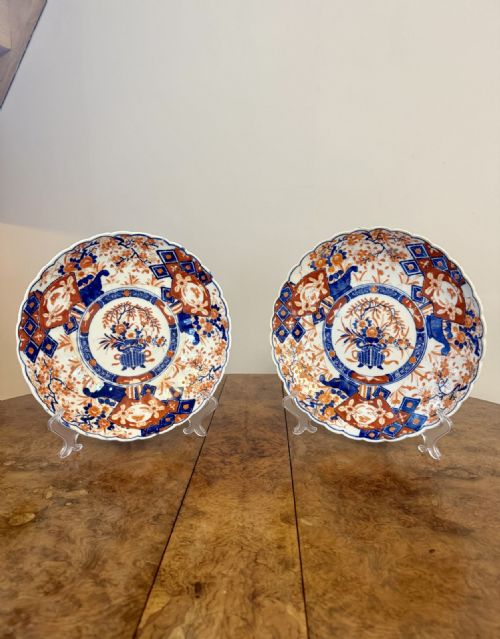
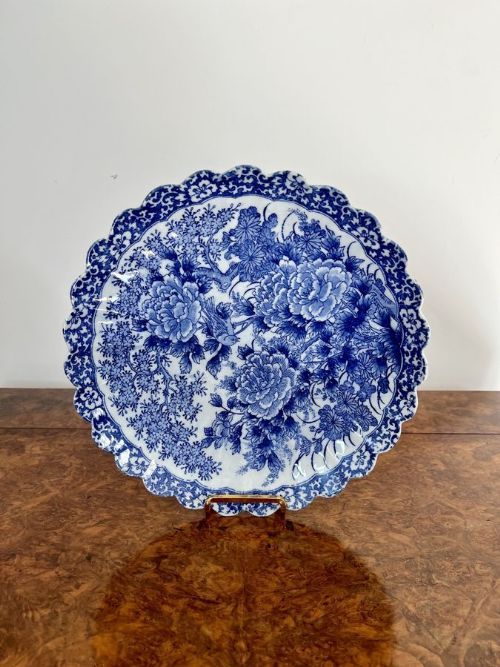
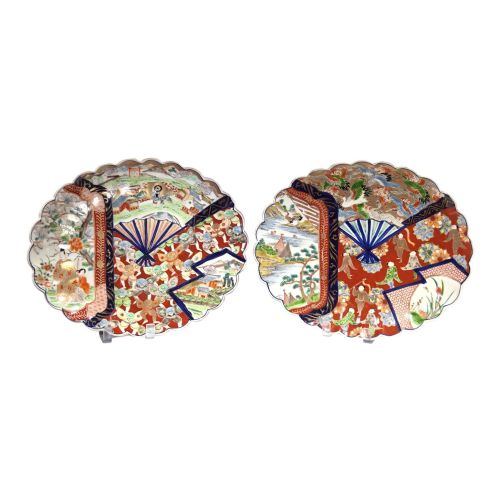
These scalloped imari wall charger selections offer rich cobalt underglaze and enamel palette displays intended to anchor a room.
Scalloped Imari Wall Charger
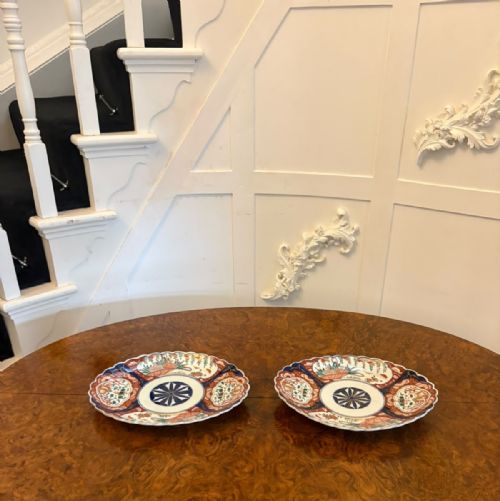
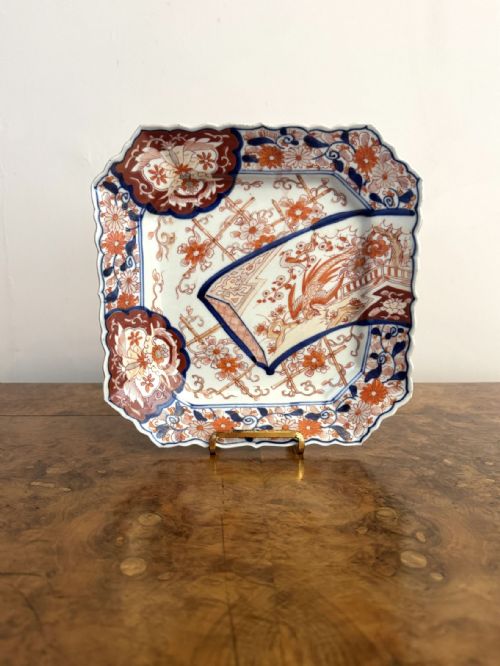
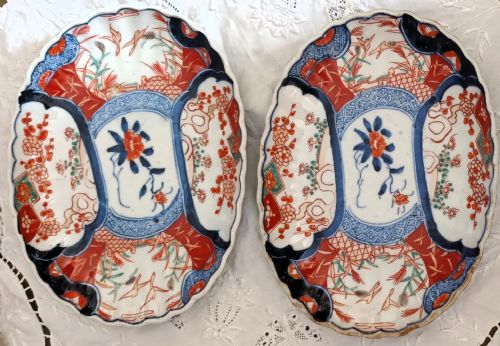
A scalloped imari wall charger represents a convergence of traditional Japanese ceramic artistry and decorative utility spanning the nineteenth and early twentieth centuries. Pieces appearing on this page include chargers, circular dishes, and scalloped edge plates originating from the Meiji period and Victorian eras. Makers utilised porcelain bases shaped with fluted or lobed rims to create distinct architectural profiles suited for display.
The decorative schemes on these ceramic pieces typically incorporate cobalt underglaze blue combined with iron red enamel and gold leaf accents. Motifs range from floral compositions to depictions of the Seven Lucky Gods and exotic birds rendered in traditional Japanese styles. Buyers will encounter both individual decorative chargers and matched pairs designed for wall mounting or cabinet presentation.
Materials and Techniques
Potters constructed these chargers using white ceramic porcelain fired at high temperatures to achieve a dense, durable body. Artisans applied cobalt underglaze pigments directly to the unglazed clay before the initial firing, producing deep blue tones beneath a clear protective glaze. This technique ensured the permanence of the foundational designs.
Following the glaze firing, decorators added enamel glaze colours such as iron red, alongside gold leaf highlights, in subsequent low-temperature fixings. The combination of cobalt underglaze, enamel glaze, and gilt detailing created the characteristic multilayered visual depth associated with Japanese imari wares.
Listings span the Meiji period, Victorian era, and Edwardian times, utilising porcelain, enamel glaze, and gold leaf.
Evaluating Quality and Execution
The execution of the painted motifs dictates the upper tier of quality within these porcelain items. Superior examples display precise brushwork in the cobalt underglaze and carefully registered enamel details that sit cleanly within the moulded scalloped borders. Lesser pieces often exhibit rushed pigment application and less defined contours along the lobed edges.
The retention of original gold leaf and the vibrancy of the enamel glazes heavily influence the overall standard of a charger. Pieces that maintain crisp contrast between the cobalt underglaze and the surrounding enamel colours demonstrate superior kiln control and artistic oversight during production.
The Scalloped Imari Wall Charger Glossary
- Imari
- A style of Japanese porcelain originating from the port of Arita, characterised by a palette of cobalt underglaze blue, iron red, and gilt highlights. These wares were heavily exported to Europe from the seventeenth century onward.
- Cobalt Underglaze
- A blue pigment applied to ceramic pieces before glazing and firing, capable of withstanding extreme kiln temperatures. This material creates a permanent design beneath the glossy surface layer.
- Meiji Period
- The era of Japanese history spanning from 1868 to 1912, marked by increased international trade and the production of intricate decorative ceramics for export markets. Many chargers on this page date from this timeframe.
- Enamel Glaze
- Opaque or translucent coloured glass compositions applied over fired porcelain and heated at lower temperatures. This technique adds vibrant reds, greens, and other hues to the finished ceramic surface.
- Scalloped Edge
- A decorative border shaped into a series of continuous curves or lobes resembling the edge of a scallop shell. This moulding technique is frequently found on traditional decorative plates and chargers.
Scalloped Imari Wall Charger: Frequently Asked Questions
How do I hang a heavy charger safely?
Wall chargers require specialised spring-loaded brass plate hangers that distribute weight evenly across the ceramic rim. Ensure the mounting bracket anchors directly into solid wall stud work rather than relying on standard plaster fixings.
Verify that the chosen hanger size matches the precise diameter of the plate to prevent slipping. Periodic checks of the tension springs ensure the ceramic remains secure against the wall surface.
Were these pieces meant for daily dining?
These large ceramic items served primarily as decorative display pieces or ornamental chargers rather than functional tableware. Their intricate enamel and gilt surfaces were vulnerable to cutlery abrasion during regular meal use.
Historical households positioned them on sideboards or hung them on walls to showcase the artistry of Japanese export porcelain. Modern collectors maintain this tradition by exhibiting them away from heavy domestic traffic.
What defines the Meiji period style?
The Meiji era produced export ceramics characterised by dense compositions, intricate border patterns, and vibrant colour palettes. Artisans combined traditional Japanese iconography with decorative formats tailored for Western collectors.
This period saw high technical skill in cobalt underglaze painting and enamel layering, resulting in visually complex surfaces across plates and chargers.