






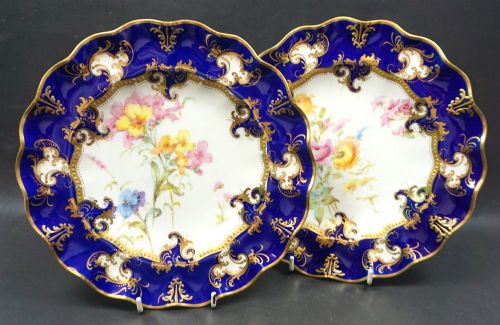

Cobalt Blue Charger Plate
A cobalt blue charger plate brings rich depth to a wall or table through deep underglaze pigments and broad earthenware or porcelain surfaces.
Cobalt Blue Charger Plate
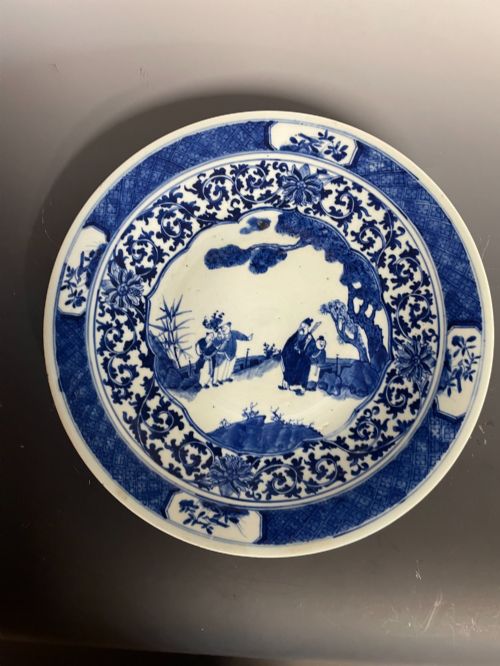
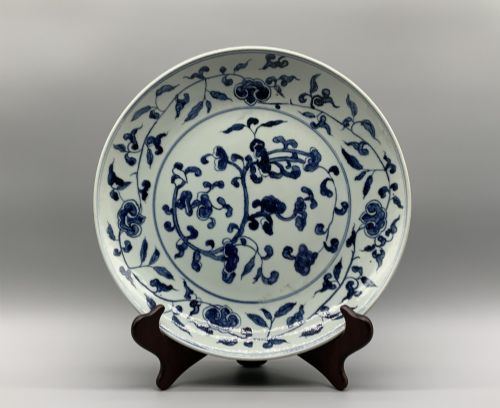
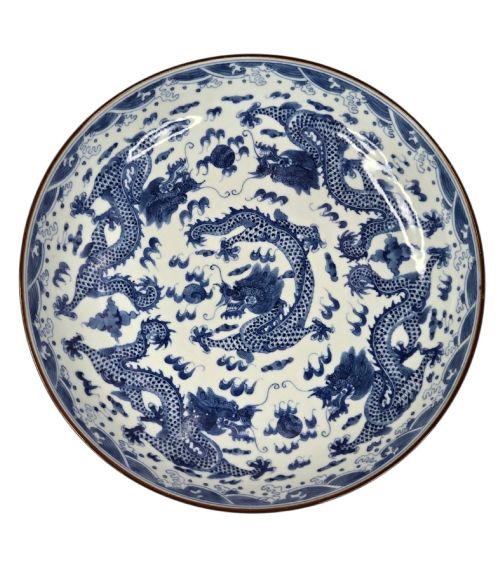
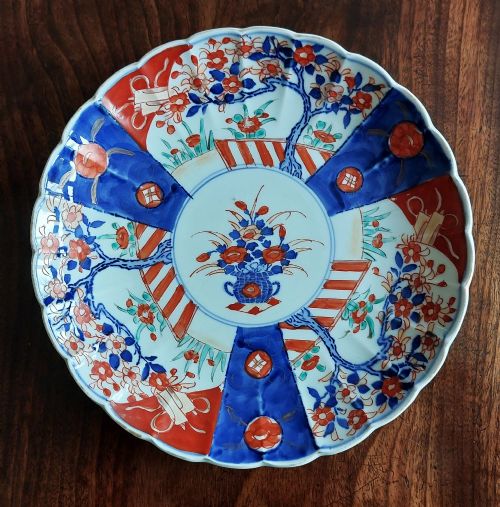
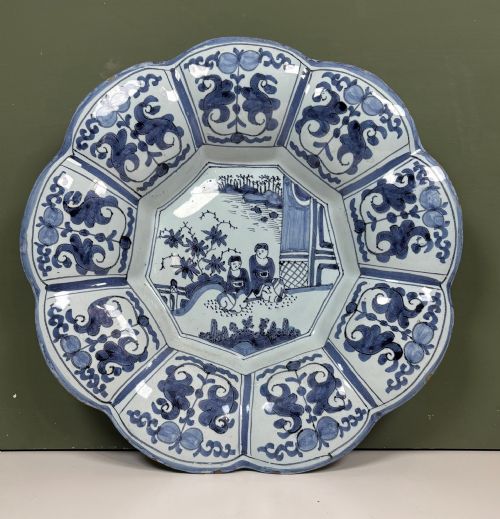
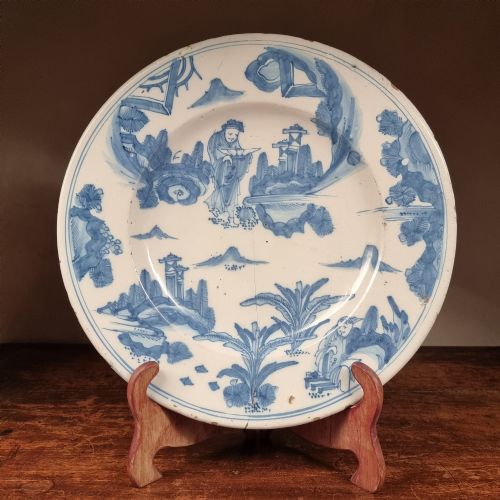
A cobalt blue charger plate is a wide display or serving dish characterised by intense blue pigment beneath or within the glaze. You will frequently encounter Japanese Imari examples from the Meiji period, alongside 18th century Dutch Delft and Chinese blue and white porcelain chargers.
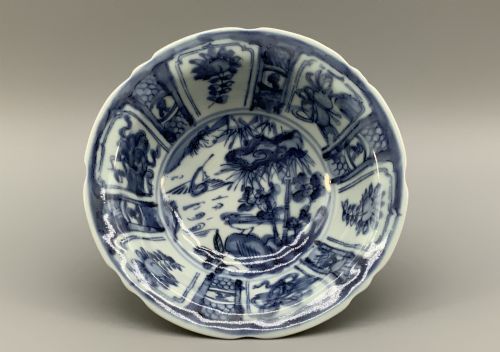
The selection ranges from large decorative dishes and cabinet plates to lobed bowls and heavy earthenware platters. Pieces span several centuries, including Georgian ironstone, Qing Dynasty wares, and Victorian transferware.
Originating as grand table service or display pieces, these large plates suit prominent placement on dressers or walls. Their substantial diameters provide expansive canvases for intricate floral, dragon, or architectural motifs.
How they were made
Potters applied cobalt underglaze pigments directly to ceramic bodies before firing, achieving deep blue tones that withstand high kiln temperatures. Tin glaze on earthenware provided an opaque white background for painted blue designs on European Delft pieces.
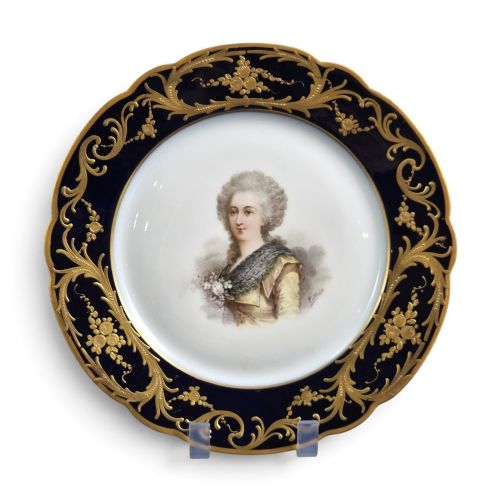
Many Japanese Imari and European porcelain pieces incorporate gilt and enamel highlights over the initial glaze. Artisans shaped these heavy plates from porcelain, earthenware, and ironstone, often finishing edges with scalloped or lobed profiles.
Materials represented across the inventory include porcelain, tin glaze, ironstone, earthenware, and gold leaf.
What varies in quality
The precision and detail of the hand-painted cobalt decoration distinguish superior examples from simpler production. Crisp lines in underglaze blue and carefully balanced compositions reflect higher levels of ceramic artistry.
The condition of the glaze and any applied gold leaf or enamel details impact the visual integrity of the piece. Heavier porcelain and well-preserved tin glaze surfaces maintain their structural presence through centuries of display.
John Davenport of Longport·Royal Crown Derby·Royal Worcester
The Cobalt Blue Charger Plate Glossary
- Charger plate
- A large decorative or service plate traditionally placed beneath other courses. These wide vessels often measure significantly more than standard dining plates.
- Cobalt underglaze
- A metallic pigment applied to ceramic pieces before the final glaze and firing. This technique protects the blue colour from wear over centuries.
- Tin glaze
- An opaque white glaze containing tin oxide applied to earthenware. It creates a smooth surface for painted blue pigments, common in Delftware.
- Imari
- A style of Japanese export porcelain featuring deep cobalt blue and iron red, often accented with gold. Meiji period examples frequently display scalloped edges.
Cobalt Blue Charger Plate: Frequently Asked Questions
How do I hang a heavy charger?
Large plates require sturdy wall brackets or spring-loaded plate hangers designed to distribute weight evenly across the rim. Ensure the wire or hook fastens securely into wall masonry or timber studs.
Avoid hanging heavy earthenware or porcelain pieces in high-traffic areas where vibrations might dislodge them from the display.
Can I use antique chargers for food?
Most antique chargers are intended primarily for display or decorative service rather than daily dining. Historic glazes on older earthenware and tin-glazed pieces can be sensitive to modern detergents and cutlery.
Gentle hand washing with mild soap preserves the delicate underglaze painting and fragile edges of antique porcelain and pottery.
How do I date a blue and white charger?
Examining the ceramic body, foot ring, and cobalt hue helps determine the period of manufacture. Chinese Kangxi pieces show distinct potting characteristics compared to later Japanese Imari or European Delft.
Maker marks, where present on the reverse, provide specific production dates and attribution to factories like Royal Worcester or Davenport.
What is the difference between Delft and Imari?
Delft pieces originate from European earthenware traditions, utilising tin glaze for an opaque white surface painted in blue. Imari refers to Japanese porcelain featuring rich cobalt blue combined with iron red and gilt.
Dutch and English Delft typically display European motifs or Chinese-inspired landscapes, while Imari wares showcase dense floral and bird patterns.