






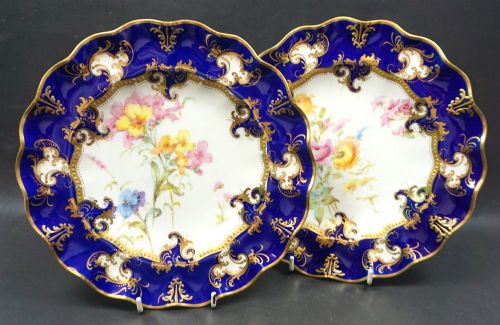

Cobalt Blue Ceramic Charger
A cobalt blue ceramic charger provides a striking visual centrepiece, combining deep mineral pigment with generous display surfaces found across several centuries of global ceramic production.

Cobalt Blue Ceramic Charger
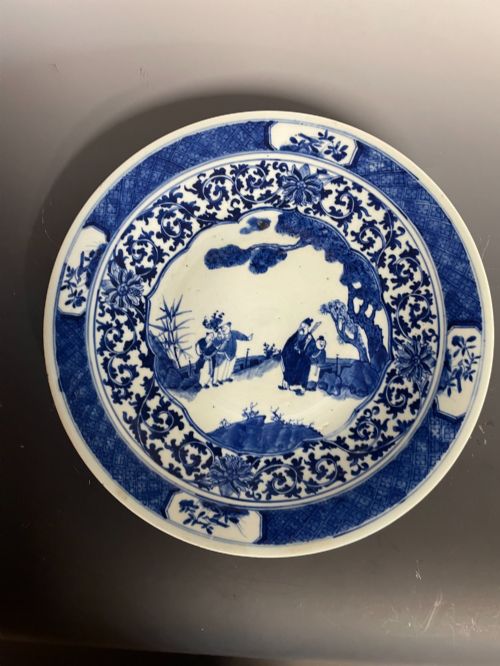
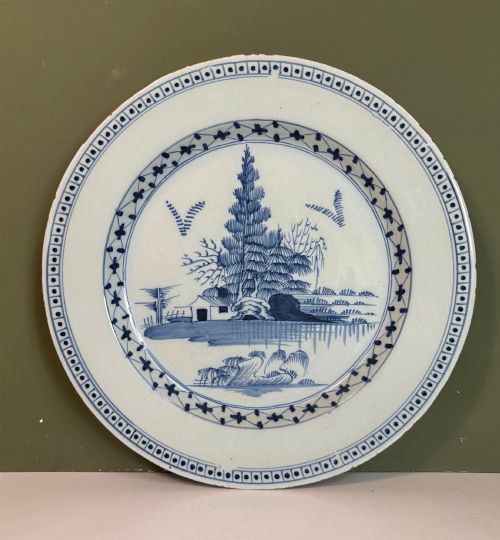
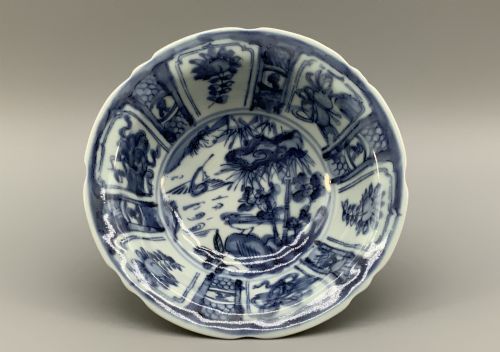
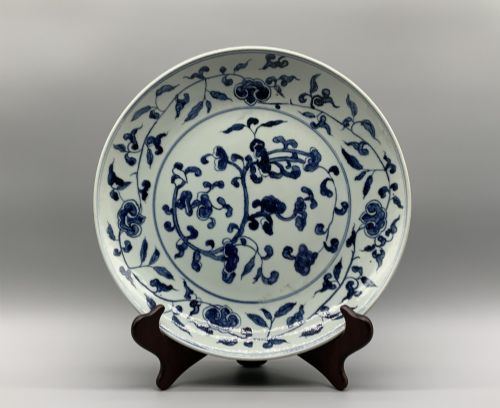
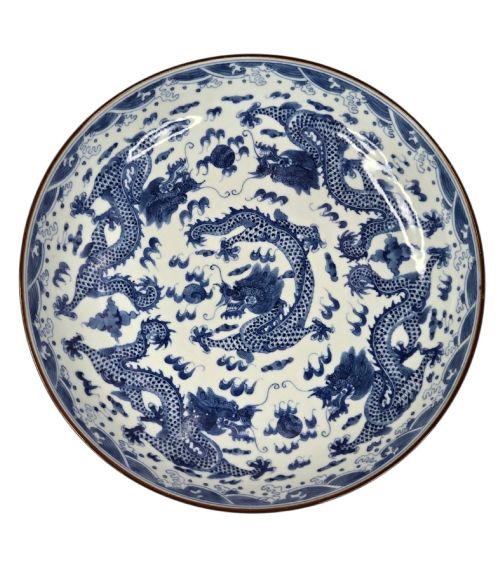
A cobalt blue ceramic charger is a wide decorative plate or dish intended primarily for display rather than dining use. When exploring this phrase, buyers encounter large platters, shallow bowls and cabinet plates spanning the seventeenth century through to the early twentieth century.
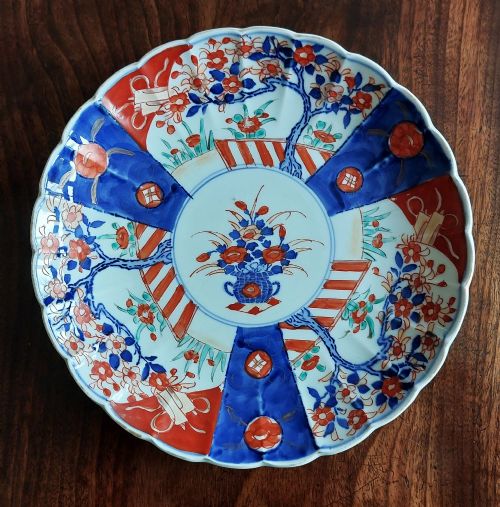
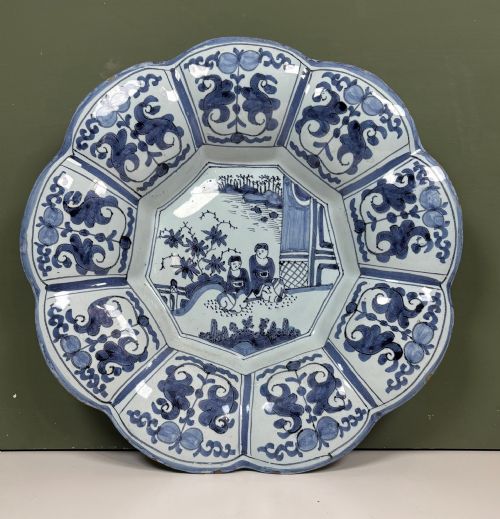
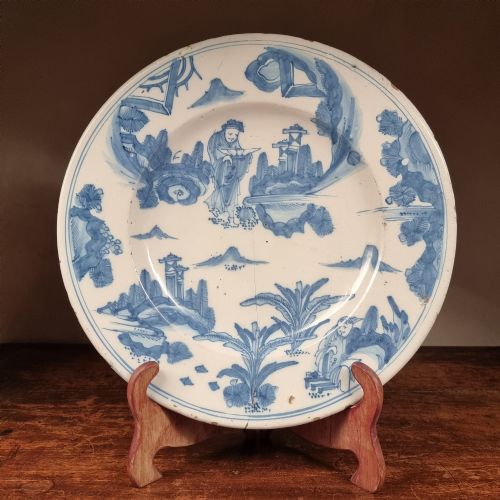
The selection here draws heavily upon East Asian export porcelain, particularly Japanese Imari wares from the Meiji period alongside Chinese Qing dynasty pieces. European traditions also contribute substantially, ranging from Dutch Baroque and English Delft tin-glazed earthenwares to Victorian ironstone and painted porcelain plates.
How they were made
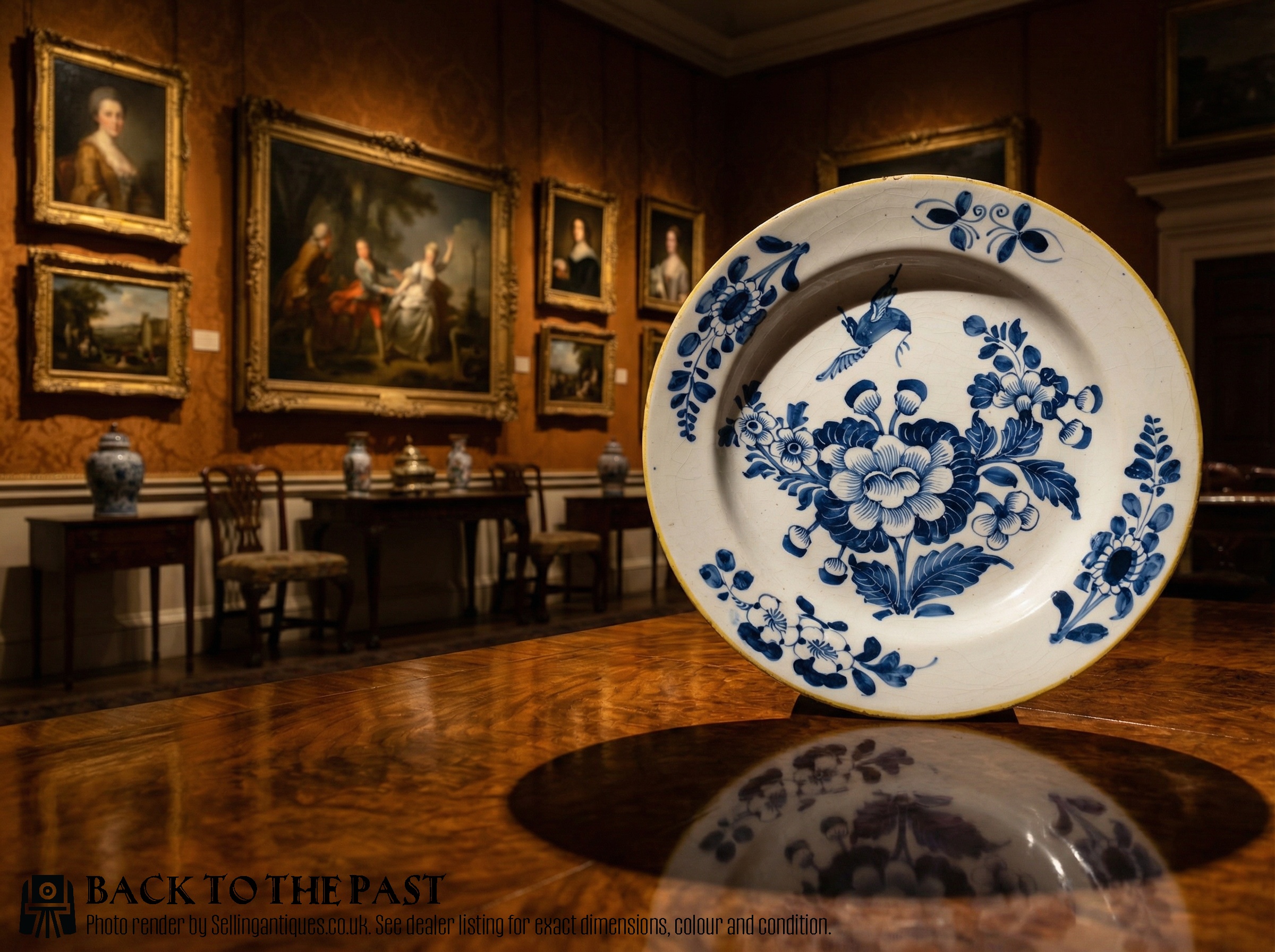
Potters relied upon cobalt pigment applied directly to the unglazed clay body beneath a transparent glaze to achieve the iconic deep blue underglaze decoration seen on Chinese and Japanese pieces. Tin glaze provided an opaque white surface on European earthenware chargers, allowing cobalt designs to be painted before a final firing.
Makers occasionally enhanced finished surfaces with additional details, incorporating gold leaf or enamel highlights over the primary glaze. High-temperature kilns fused these mineral colours permanently into the ceramic body, resulting in durable finishes that survived centuries of display.
Cobalt Blue Ceramic Charger Retail Price Guide 2026
Typical asking prices for cobalt blue ceramic charger among the pieces listed under this phrase on Sellingantiques today, from the lower quarter to the upper quarter. They describe what is for sale here now, not the wider market.
Listings incorporate tin-glazed earthenware, ironstone and porcelain spanning multiple centuries of European and Asian production.
What varies in quality
Quality rests significantly upon the crispness of the cobalt brushwork and the complexity of the painted composition, where confident lines distinguish master works from routine production. The regularity of the ceramic body and the smoothness of the glaze also indicate the skill involved in forming and firing large plates without warping.
Provenance and specific stylistic attribution elevate certain pieces, particularly when signed by notable makers or associated with distinct historical periods such as the Kangxi reign. The preservation of delicate gilt highlights and unblemished surfaces further separates ordinary utility wares from exceptional cabinet display items.

John Davenport of Longport·Royal Crown Derby·Royal Worcester
The Cobalt Blue Ceramic Charger Glossary
- Charger
- A large decorative plate or platter traditionally used for display on sideboards or walls rather than for serving food at table. These substantial dishes measure well beyond standard dining plates.
- Cobalt Underglaze
- A method where cobalt blue pigment is applied to the raw ceramic body before glazing and firing at high temperatures. This technique protects the decoration beneath a glassy surface.
- Tin Glaze
- An opaque white enamel containing tin oxide applied to earthenware bodies, typical of European Delft and faience production. It creates a smooth white canvas for blue painted designs.
- Imari
- A Japanese export porcelain style originating in Arita, characterised by vibrant blue underglaze and iron red overglaze, often enriched with gold. Eighteenth-century Dutch workshops frequently imitated these distinctive patterns.
Cobalt Blue Ceramic Charger: Frequently Asked Questions
How were these chargers displayed historically?
Large chargers were traditionally arranged on buffets, dressers or hung directly on walls to showcase wealth and taste.
Their generous diameters provided ideal canvases for complex pictorial scenes that functioned as interior decoration within formal rooms.
What distinguishes Delftware from porcelain?
Delftware uses a porous earthenware body covered in an opaque tin glaze, resulting in a heavier structure with softer edges.
Porcelain utilises dense, vitrified clay fired at much higher temperatures, producing a resonant ring and a completely impermeable white body.
Can these plates be hung safely on walls?
Many antique chargers feature sturdy construction suitable for mounting with appropriate spring clips designed for heavy ceramics.
Careful measurement of the rim depth ensures the secure distribution of weight across the display fixture.
How do I identify a Meiji period Imari piece?
Meiji period Imari chargers typically exhibit dense cobalt blue designs paired with rich iron red and gilt detailing across scalloped or lobed rims.
The porcelain body from this era tends to be crisply potted with refined base glazes reflecting late nineteenth-century Japanese export standards.