


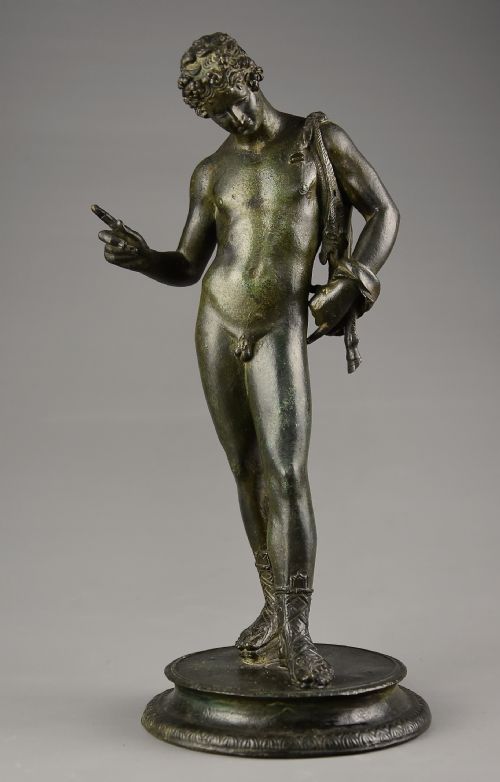


Classical Nude Bronze Statue
A classical nude bronze statue captures the timeless appeal of the human form through enduring metal.
Classical Nude Bronze Statue
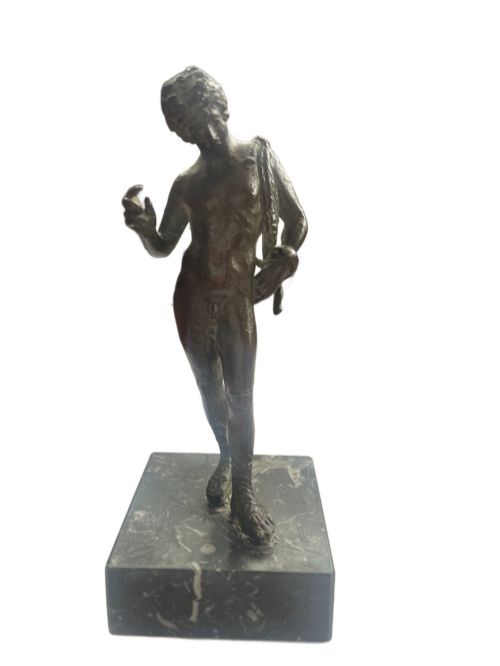
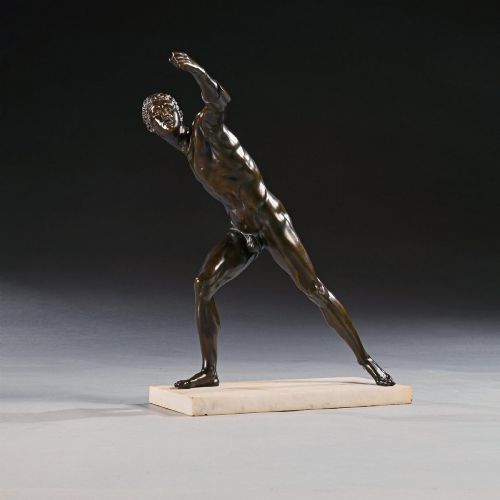
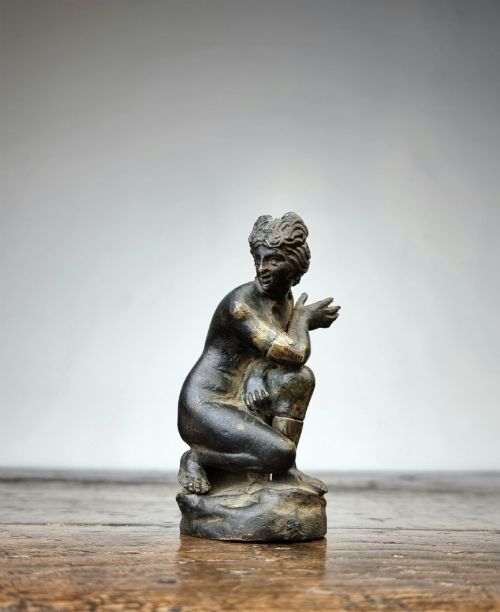
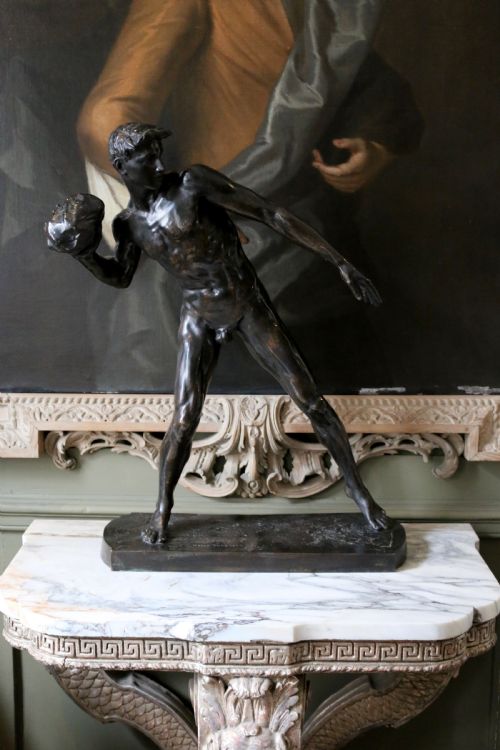
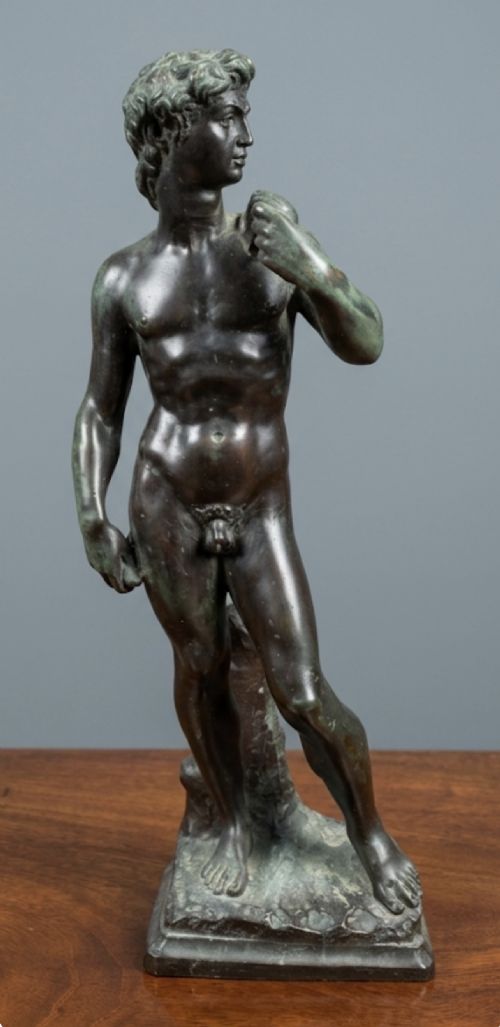
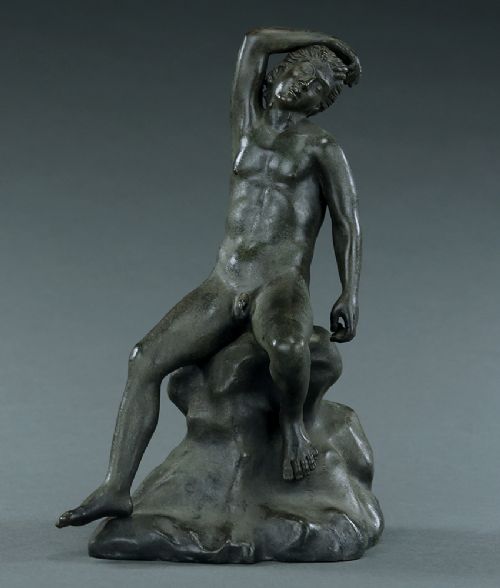
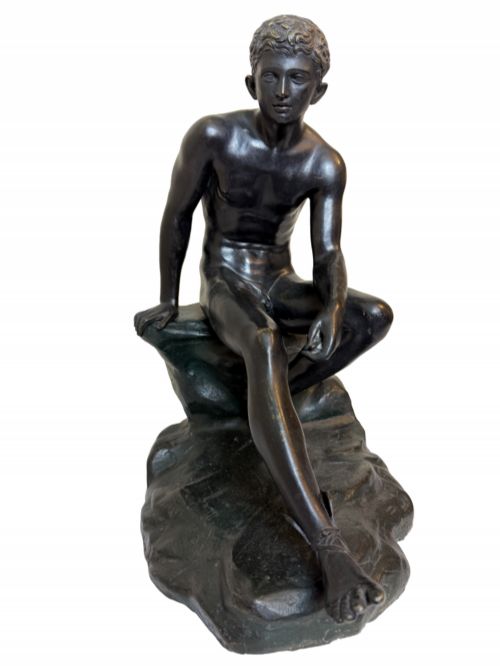
When you examine a classical nude bronze statue on this page, you are looking at figurative works spanning from the nineteenth century to the early twentieth century. These pieces draw heavily on antique models, mythological subjects, and historical figures.
The most common versions met here are Grand Tour souvenirs originating from Italy and France, alongside French salon sculptures. They range from small statuettes and bookends designed for domestic display to much larger scale exhibition castings.
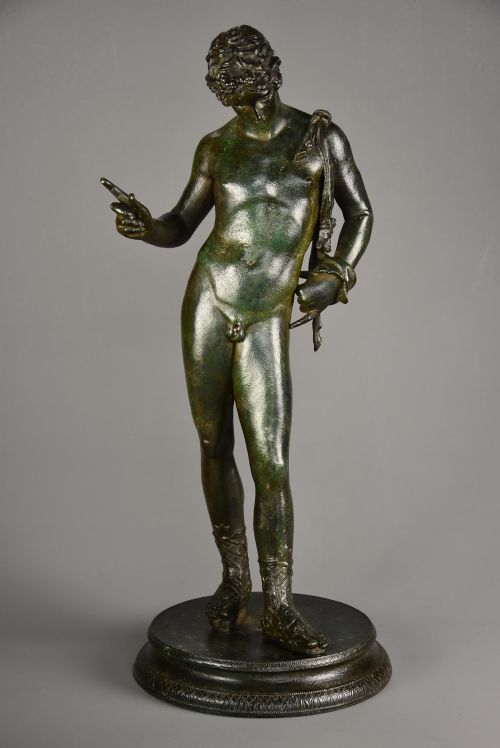
Makers and foundries adapted classical ideals into distinct periods including Neoclassical, Art Nouveau, and Art Deco. Figures such as Narcissus, Venus, and various athletes appear frequently across these styles.
How They Were Made
Foundries utilised traditional casting techniques to shape molten bronze into intricate anatomical forms. Many casts received patination treatments, ranging from dark green and verdigris to parcel-gilt highlights that accentuated musculature and drapery.
Finished bronzes were frequently mounted on heavy supportive bases made of marble, fossil marble, slate, or stone. These plinths provided stability and added a formal architectural element to the display of the figures.
Materials paired with bronze across these pieces include fossil marble, slate, stone, and parcel-gilt accents.
What Varies in Quality
The depth and consistency of the patination layer contribute significantly to the visual weight of the sculpture. Superior patinas show rich tonal variation and age naturally, whereas lesser castings often display flat or uniform colouration.
Ferdinand Barbedienne·Hamo Thornycroft·Hector Lemaire·Eugene Barillot·S. Kinsburger·Aristide Maillol·Edmond Leveque·Eugène Désiré Piron·Albert Hussmann·James Pradier·Delafontaine·Jean Jacques Pradier·Ferdinando de Luca·Devaulx
The Classical Nude Bronze Statue Glossary
- Patina
- The chemical surface coloration applied to bronze or developed naturally through oxidation. It protects the metal and provides the characteristic hues seen on older sculptures.
- Grand Tour
- A traditional trip through Europe undertaken by upper-class travellers in the eighteenth and nineteenth centuries. Souvenirs collected included reduced-scale bronze copies of famous antiquities.
- Neoclassical
- A Western cultural movement drawing inspiration from the classical art and culture of ancient Greece and Rome. This aesthetic prioritises restraint, proportion, and mythological themes.
- Reduction
- A smaller copy of a larger sculpture produced using a reducing machine. This technique allowed famous monumental antiquities to be replicated as table-sized domestic bronzes.
Classical Nude Bronze Statue: Frequently Asked Questions
What is a Grand Tour bronze?
A Grand Tour bronze is a miniature or reduced-scale replica of a classical statue, purchased by travellers visiting Italy and Greece during the nineteenth century. These souvenirs allowed collectors to bring museum-quality antiquities into private domestic spaces.
Foundries in Naples, Rome, and Paris specialised in casting these detailed figures, often mounting them on decorative stone or marble bases to enhance their display value.
How do I care for a antique bronze?
Maintaining an antique bronze requires minimal intervention, primarily dusting with a soft, dry cloth to prevent particulate accumulation. Avoid using chemical cleaners, polishes, or abrasive cloths that can strip the original patina.
Occasional light waxing with a museum-grade microcrystalline wax can help protect the surface from moisture and handling oils, provided the application is done sparingly.
How do I identify the period of a bronze?
Dating a bronze involves examining the casting technique, the style of the base, and any foundry marks or signatures inscribed on the metal. Nineteenth-century casts often exhibit hand-finished chasing and specific patination styles tied to European foundries.
Stylistic cues such as Art Nouveau fluidity or Neoclassical rigidity also help narrow the timeframe of production, alongside the materials used for the integral or separate plinths.
Why are some bronzes mounted on marble?
Mounting a bronze statue on a marble, slate, or fossil marble base provides structural stability for figures with narrow balance points. It also follows the historical convention of displaying classical sculptures on architectural plinths.
The contrasting textures and colours of polished stone elevate the visual presentation of the metalwork, distinguishing domestic art objects from industrial castings.