



Neapolitan Grand Tour Bronze
A neapolitan grand tour bronze brings classical antiquity home, offering tactile connections to ancient Naples through patinated metal and marble.
Neapolitan Grand Tour Bronze
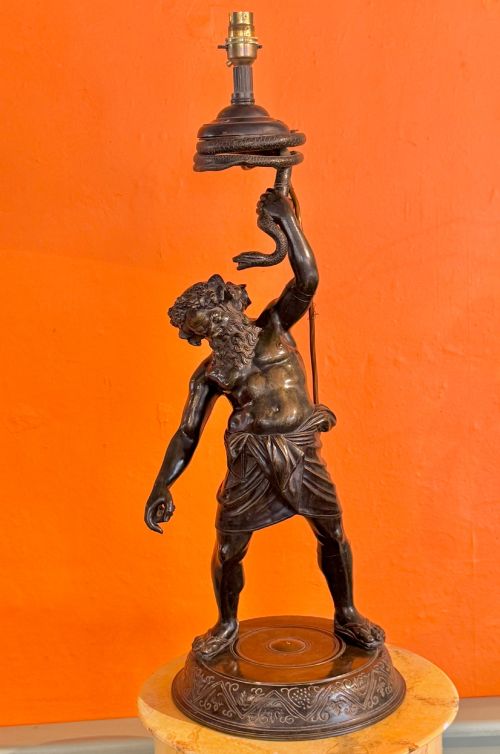
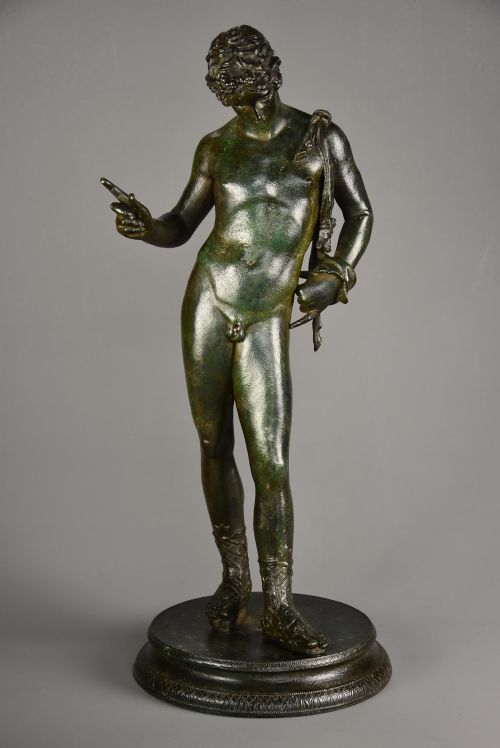
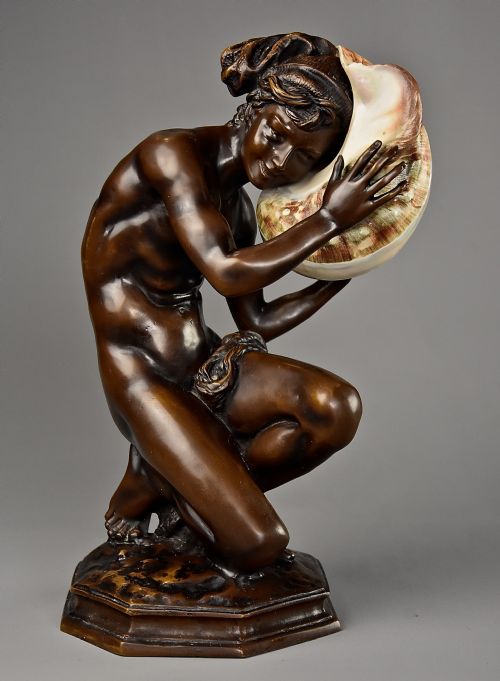
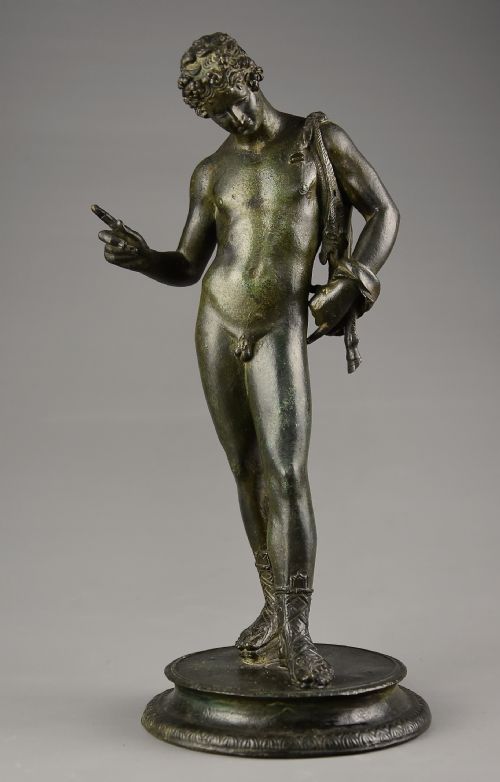
A neapolitan grand tour bronze represents souvenir sculptures and figures collected by travellers on the Grand Tour during the nineteenth century. These works frequently reproduce famous archaeological discoveries from Pompeii and Herculaneum, translating ancient marble statues into portable metal reductions. Buyers encountering these pieces will typically find subjects like Narcissus, dancing fauns, and local figures such as the neapolitan fisherboy.
The objects take diverse forms ranging from standalone statues and sculptural groups to fitted table lamps and decorative athenienne tables. Most examples date from the nineteenth century, including specific dates like 1880, while occasional pieces extend into the early twentieth century around 1930. The materials combine cast metal with various types of marble bases, particularly fossil marble.
Figures often arrive after the antique, styled in French academic or nineteenth-century Italian and French realism. The scale varies from small cabinet figures to large exhibition-sized pieces reaching substantial heights, such as sixty-five centimetres. Collectors seek these pieces to capture the scholarly aesthetic and romanticism of nineteenth-century travel.
Materials and Technique
Workshops employed specialised casting and chiselling techniques to replicate the fine details of hair, musculature, and drapery seen on the original archaeological treasures. Patination was carefully applied using chemical treatments to simulate the aged surface of buried antiquity or to create rich, dark tones. Finally, the bronzes were secured to their stone plinths using threaded pins or adhesives.
Travellers frequently returned home carrying miniature dancing fauns and drunken satyrs in their luggage.
Assessing Quality
The mounting of the bronze to its marble or fossil marble base indicates the level of care taken during construction. Finer pieces feature carefully fitted stone plinths with harmonious proportions that complement the sculpture above. The reputation of the maker or foundry inscribed on the base further distinguishes exceptional artistic output from anonymous workshop production.
G Amodio Naples·Vincenzo Gemito·Francisque Joseph Duret·Michele Amodio
The Neapolitan Grand Tour Bronze Glossary
- Patination
- The surface coloration of metal achieved through chemical application or natural ageing. This finish protects the bronze while creating rich green, brown, or dark tones.
- Grand Tour
- A traditional trip of Europe undertaken by upper-class European young men of sufficient means. Travellers collected antiquities and bronze souvenirs in Naples to document their journey.
- Athenienne
- A decorative tripod table modelled after classical Greek and Roman tripods. These forms were adapted during the nineteenth century to serve as stands or tables in fashionable interiors.
- Reduction
- A small-scale copy of a larger monumental statue. Foundries created these to allow collectors to display famous antiquities in domestic spaces.
Neapolitan Grand Tour Bronze: Frequently Asked Questions
What is a Grand Tour bronze?
A Grand Tour bronze is a nineteenth-century souvenir sculpture cast in Italy to replicate famous classical antiquities discovered at Pompeii and Herculaneum. Travellers purchased these metal reductions to commemorate their cultural journeys through Europe.
These pieces served as portable representations of museum masterpieces, allowing collectors to display ancient art within private studies and libraries. They encapsulate the nineteenth-century fascination with classical archaeology and sculpture.
How do I care for patinated bronze?
Caring for patinated bronze requires minimal intervention, primarily involving gentle dusting with a soft, dry cloth. Avoid using commercial metal polishes, abrasive cleaners, or water, as these substances can strip away the historical patination.
Keep the sculpture away from direct sunlight and areas of high humidity to protect both the metal surface and the underlying marble base. Applying a microcrystalline wax very sparingly can help protect the finish if performed by a professional.
How were these sculptures displayed originally?
Nineteenth-century collectors typically displayed these bronzes on desks, mantelpieces, bookcases, or specialised architectural tables such as atheniennes. They functioned as focal points for scholarly conversation and aesthetic appreciation in formal reception rooms.
Their substantial marble bases allowed them to stand securely on furniture without needing permanent installation. Today, they suit similar placement in studies, libraries, and living spaces alongside other decorative antiques.
How can I distinguish period pieces from later copies?
Period pieces display the casting methods, patination techniques, and material wear consistent with nineteenth-century foundry practices. Examine the quality of the chasing, the weight of the bronze, and the authenticity of any maker signatures or foundry marks.
Additionally, the mounting hardware, such as threaded posts and aged marble bases, provides strong physical evidence of nineteenth-century manufacture. Consulting records of known Neapolitan workshops helps confirm the origin of specific figures.