

Classical Gilt Mirror
A classical gilt mirror brings formal symmetry and reflected light to a room through carved wood, gesso, and gold leaf.
Classical Gilt Mirror
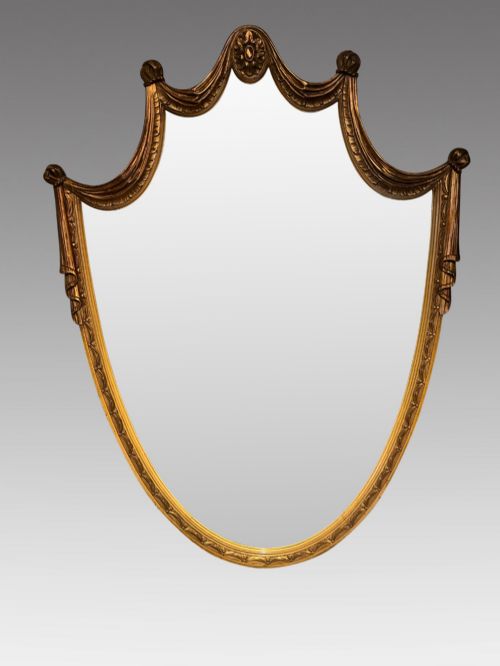
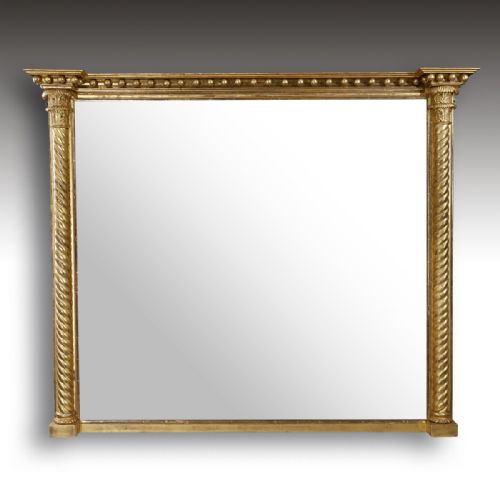
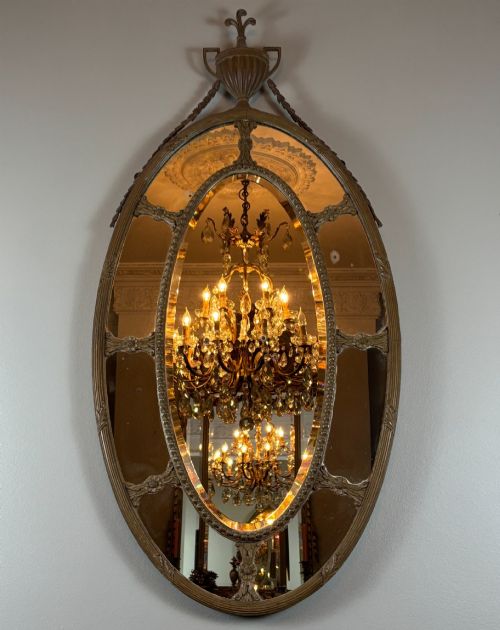
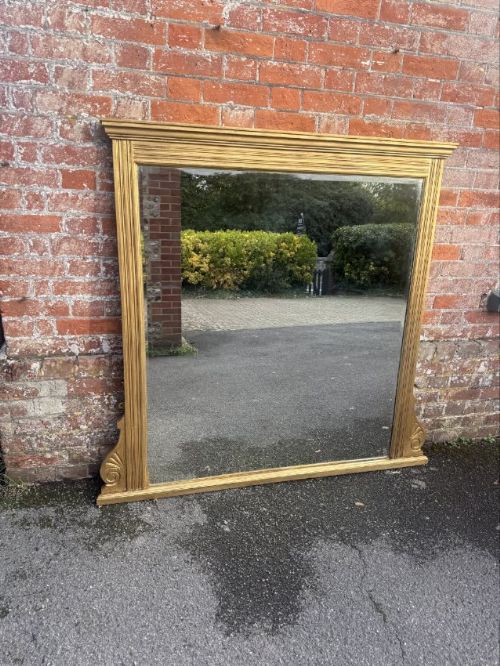
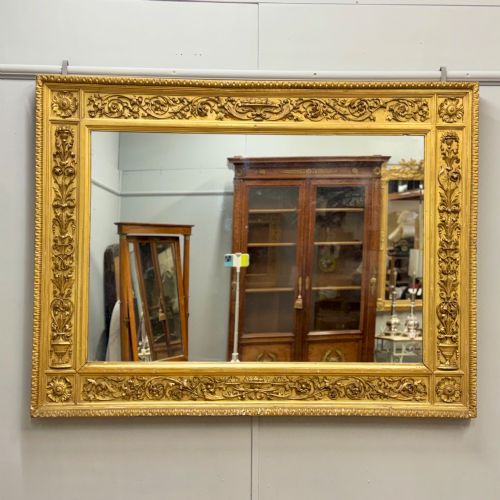
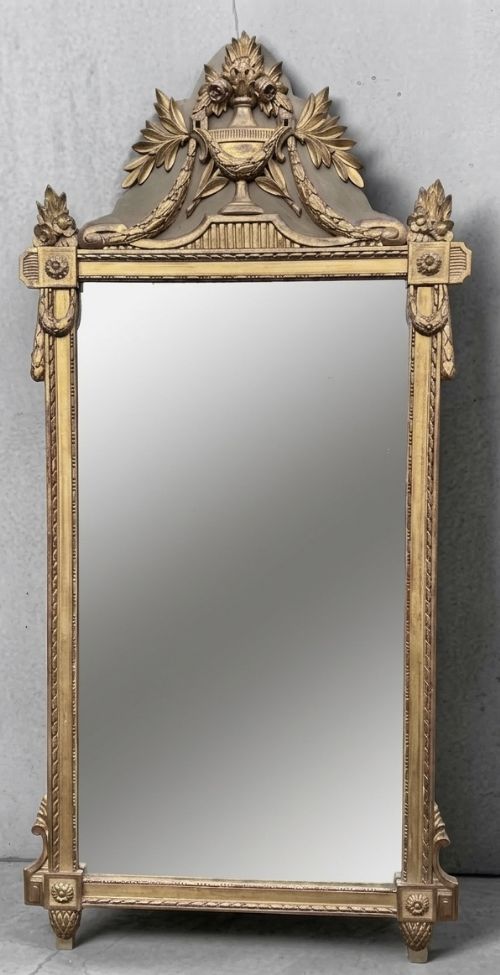
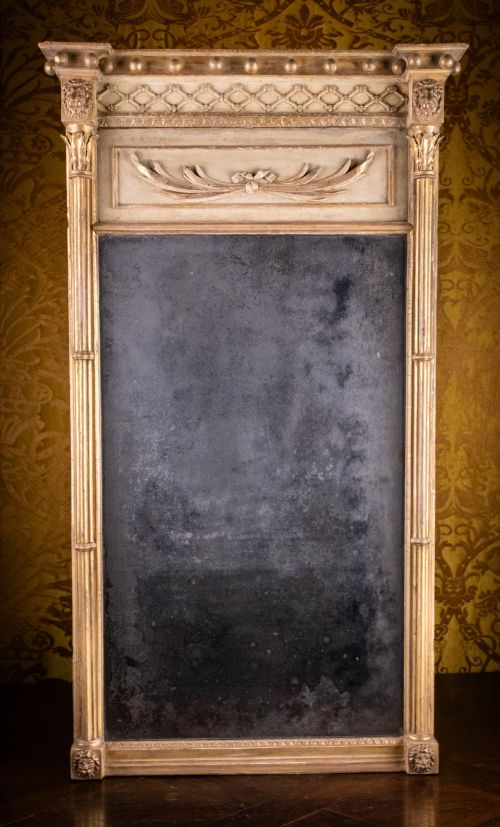
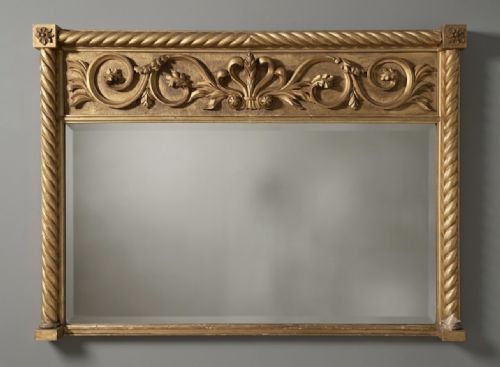
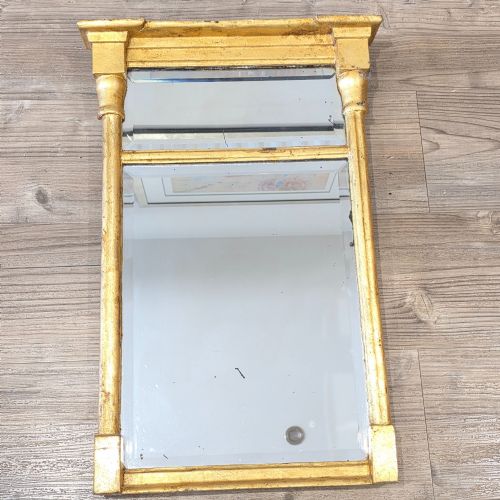
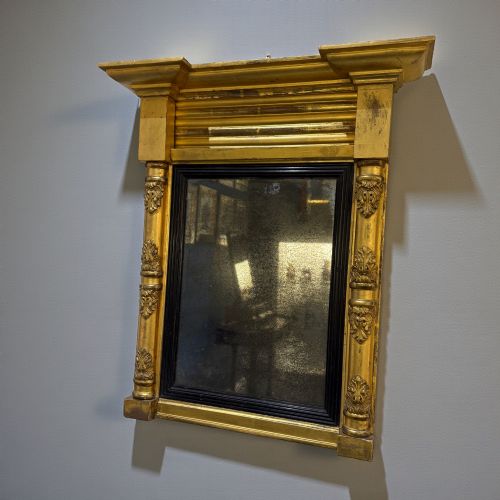
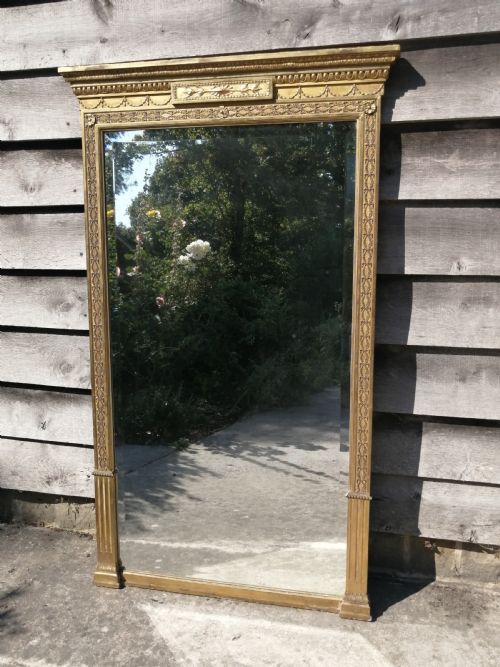
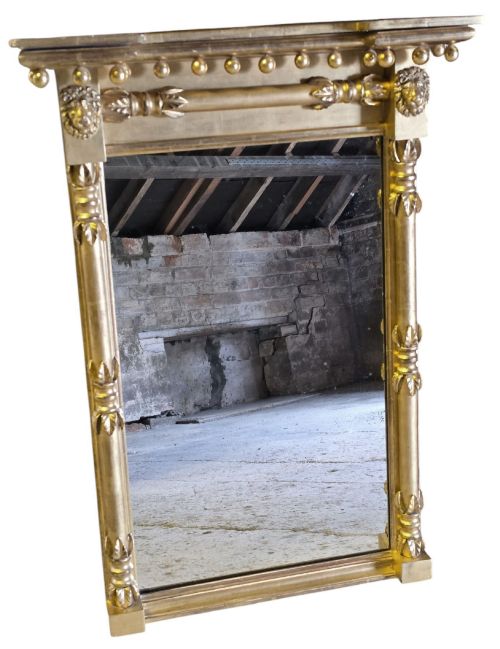
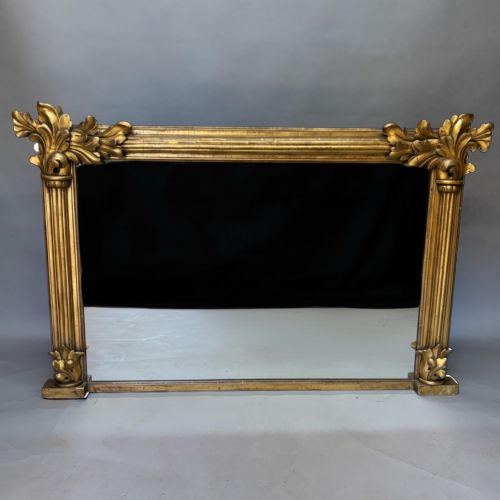
A classical gilt mirror takes several distinct shapes, from large overmantel frames designed to sit above a fireplace to tall pier mirrors hung between windows. These pieces emerge primarily from Georgian, Regency, and Victorian periods, often following Neoclassical, Louis XVI, or Adam revival designs.
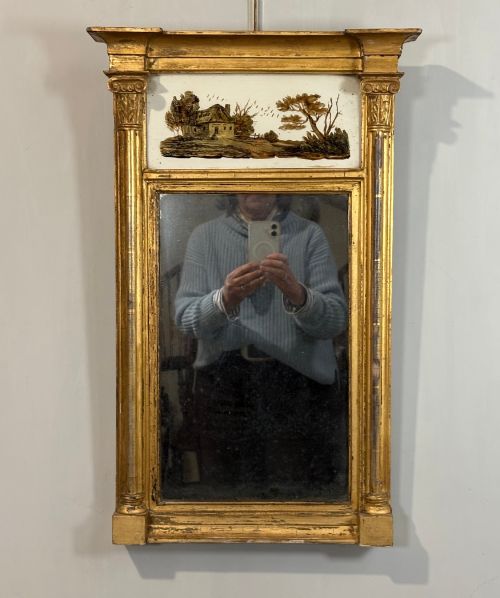
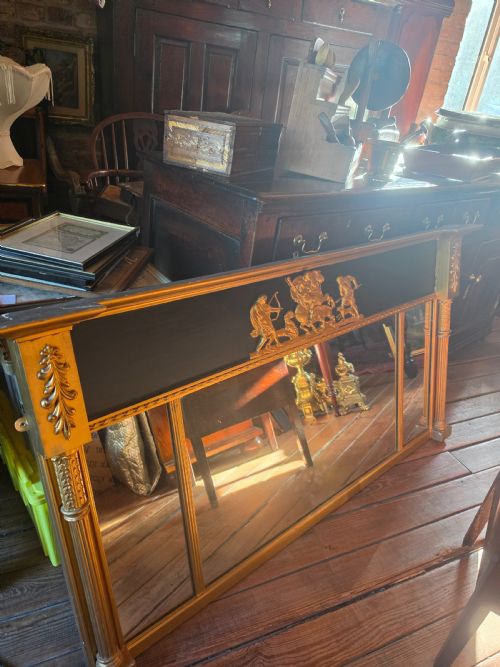
The version most frequently encountered on this page is the 19th-century overmantel mirror, often spanning a generous width with triple plates or decorative columns. Pier mirrors also appear regularly, sometimes accompanied by console tables or retaining original verre eglomise panels in the upper section.
Origins stretch across English workshops, French makers, and Irish country houses, reflecting a shared design vocabulary of urns, swags, and classical motifs. Buyers find formats ranging from intimate table mirrors to grand architectural wall pieces.
Materials and Construction
Frames rely on a carved wood or composition base coated in layers of gesso before receiving the application of gold leaf or parcel-gilt paint. This traditional preparation creates the smooth, receptive surface necessary for burnished metal finishes.
Mirror glass panels, occasionally original to the piece, sit within the rebated frame alongside specialised elements like reverse-painted glass panels known as verre eglomise. Structural support comes from solid timber backboards held together with period fixings.
Classical Gilt Mirror Retail Price Guide 2026
Typical asking prices for classical gilt mirror among the pieces listed under this phrase on Sellingantiques today, from the lower quarter to the upper quarter. They describe what is for sale here now, not the wider market.
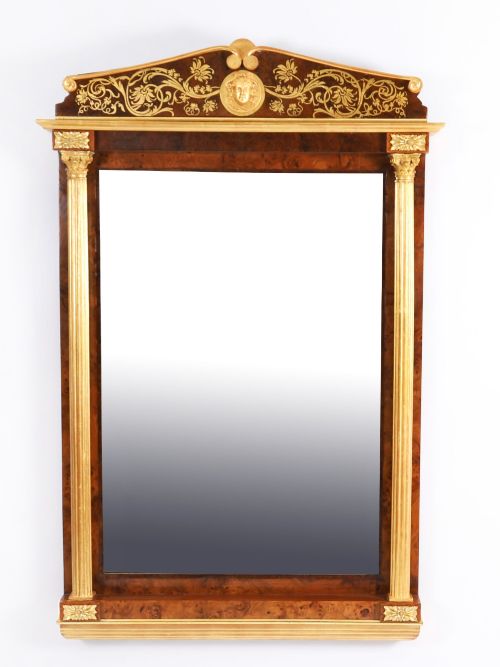
Several mirrors include mythological carvings that appear to supervise the room with stern, gilded expressions.
Assessing Craftsmanship and Condition
The crispness of the carved wood and gesso ornamentation dictates the visual weight and refinement of the frame. Superior examples retain deeply undercut foliage, sharp classical motifs, and cleanly rendered columns without the softened details found in later, mass-produced casts.
Originality of the glass plate and the intact nature of the gilding elevate a piece considerably. Surviving mercury or early silvered plates show characteristic light oxidation that distinguishes them from modern replacements.
Thiebaut Freres
The Classical Gilt Mirror Glossary
- Gesso
- A plaster-like mixture applied to wood frames to provide a smooth ground for gilding. This material is built up in layers before being carved or moulded with classical motifs.
- Verre Eglomise
- A technique involving cold painting and gilding on the reverse of glass. It frequently appears as a decorated upper panel in Regency pier mirrors.
- Overmantel
- A large mirror specifically proportioned to hang on the wall directly above a mantelpiece. These pieces often feature landscape formats or tripartite glass plates.
- Pier Mirror
- A tall, narrow mirror designed to hang on the pier of wall space between two windows. They are frequently paired with console tables situated directly beneath them.
- Parcel-Gilt
- A finish where only specific portions of a wooden or painted frame are highlighted with gold leaf. The remaining areas show exposed mahogany, ebonised wood, or painted surfaces.
Classical Gilt Mirror: Frequently Asked Questions
Where should I hang an overmantel mirror?
These large horizontal frames belong directly above a fireplace mantel, where their proportions reflect the hearth below and bounce light across the room.
Ensure the wall fixings match the substantial weight of the timber and gesso construction to support the piece securely.
What is a verre eglomise panel?
This decorative element involves applying gold leaf and pigment to the reverse side of a glass section, usually positioned above the main mirror plate.
It adds a contrasting band of dark detail and classical imagery characteristic of Regency pier glasses.
How do I identify a Regency period mirror?
Regency frames often incorporate architectural elements like columns, ebonised details, and classical motifs derived from Greek and Roman design.
Look for construction methods and backboards consistent with early nineteenth-century cabinetmaking.
Can these mirrors stand on furniture?
While most wall and overmantel formats require secure wall mounting, specific smaller variations function as table mirrors or rest upon matching console tables.
Check the base construction to confirm whether the piece was built to bear weight or hang independently.