




Classical Bust Figurine
A classical bust figurine brings the quiet dignity of antiquity and the grand tour into a room through carved stone and cast metal.
Classical Bust Figurine
A classical bust figurine represents historical figures, allegories, or idealized youths in marble, bronze, alabaster, and porcelain. These pieces draw heavily on neoclassical tastes and Grand Tour souvenirs from the nineteenth century onward.
Buyers frequently encounter French and Italian works alongside British and Swedish studies, spanning from the Victorian era into the early twentieth century. Forms range from library library-scale marble carvings to patinated bronze and mixed media desk ornaments.
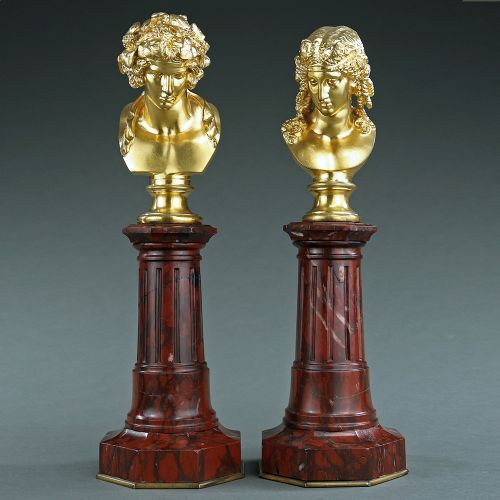
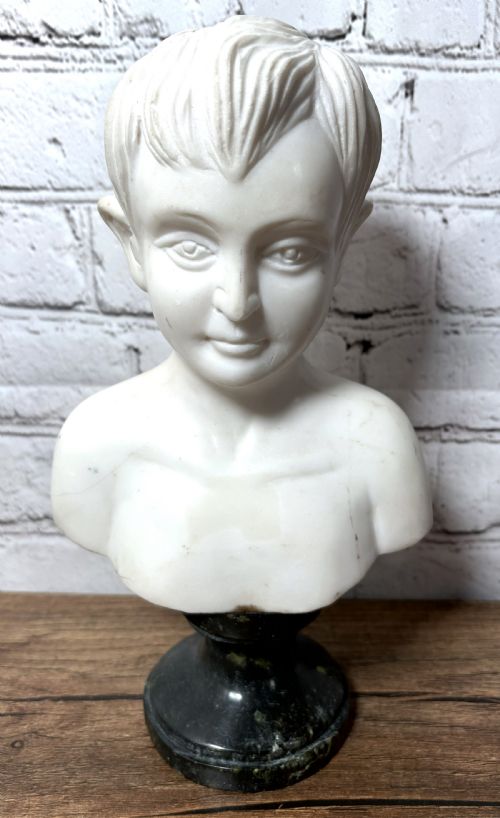
Subjects include mythological figures, literary heroes, and portrait studies of children or ladies, often mounted on contrasting red or white marble stands.
Materials and Working Methods
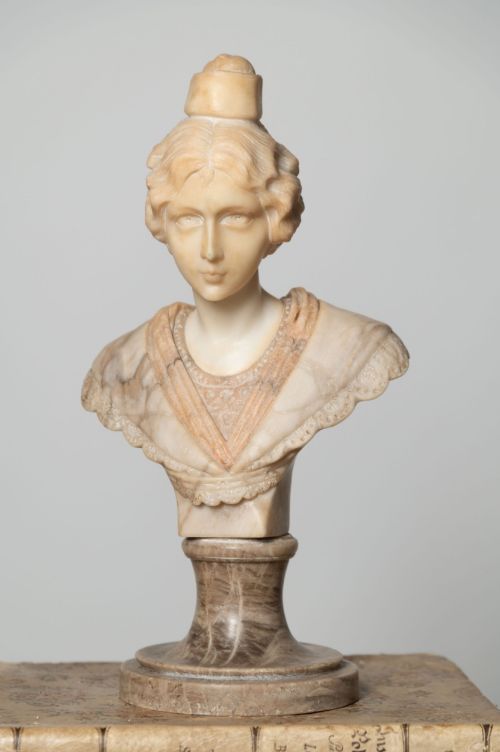
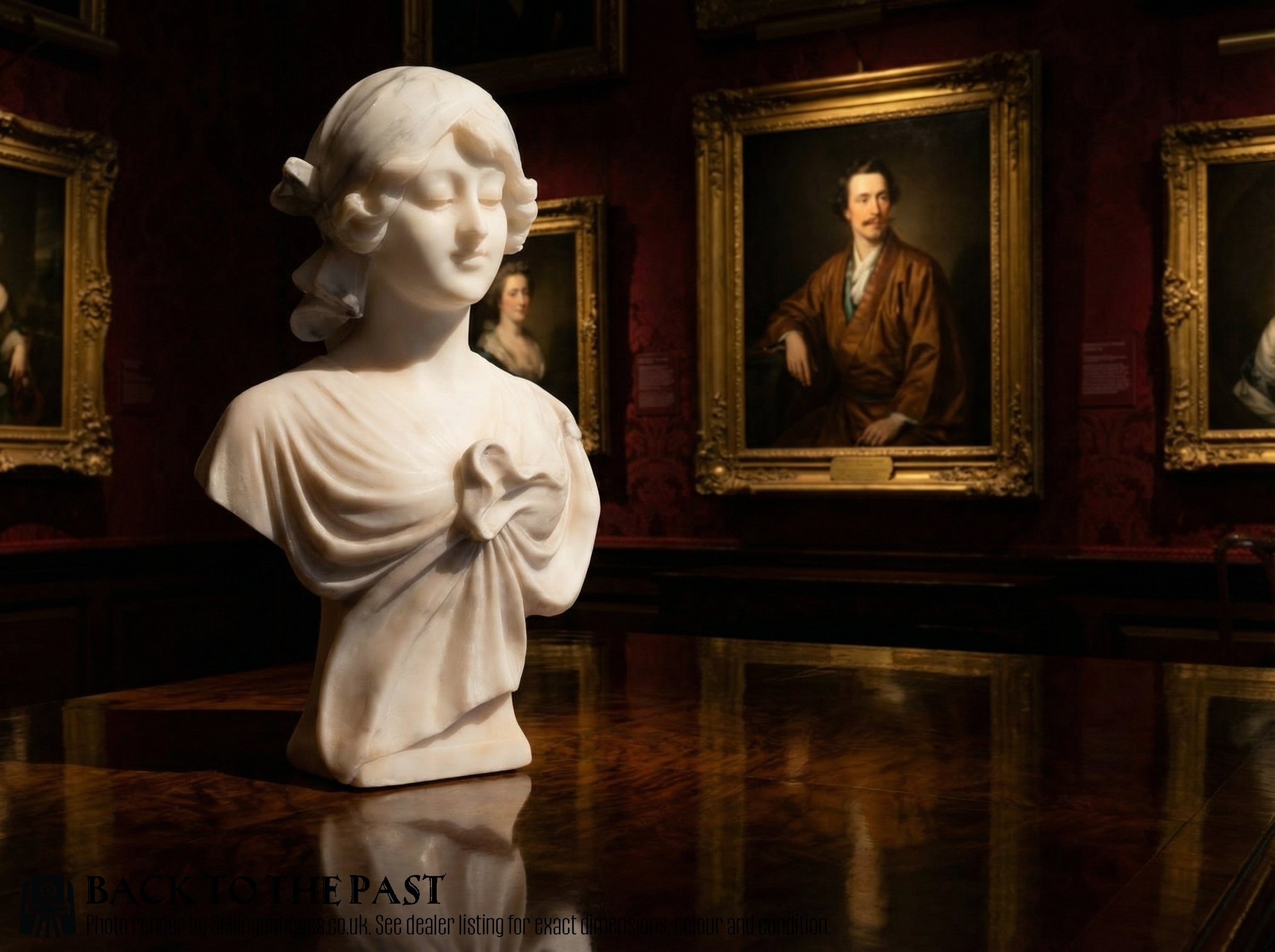
Carved pieces utilise Carrara marble and translucent alabaster, shaped with chisels and polished to capture the soft drape of fabric and the texture of skin. Alabaster requires delicate handling, which limits carving to smaller domestic scales.
Metal versions employ bronze, patinated bronze, and gilt bronze, often cast using the lost-wax method before receiving hand-chased surface details. Porcelain examples utilise parian and bisque clay bodies fired in kilns to achieve a matte, marble-like finish without glaze.
Several young boys and loyal pets share shelf space with serious historical poets and fierce Egyptian queens.
Defining Quality in Sculpture
The distinction between standard commercial work and superior examples lies in the crispness of the chiselling and the depth of the casting. Finer marble carvings show subtle expression in the eyes and precise undercut details in hair and drapery.
Bronze quality depends upon the finesse of the post-casting chase work and the richness of the patination. Maker signatures and foundry marks often indicate higher workshop standards.
E.Villanis·Sir Thomas Brock·Hans Müller·Achille Mollica·Ernest-Eugène Hiolle·E. Laurent
The Classical Bust Figurine Glossary
- Parian porcelain
- A fine-grained, unglazed porcelain developed in the nineteenth century to imitate carved marble. It takes its name from Paros, the Greek island famed for its white marble.
- Patinated bronze
- Metal treated with chemical solutions to produce a controlled surface colour ranging from warm brown to deep green. This process protects the metal and highlights sculptural contours.
- Bisque porcelain
- Un-glazed white porcelain fired once to vitrification, yielding a matte surface resembling marble. It is frequently used for portrait medallions and small-scale figures.
- Grand Tour
- A cultural journey of Europe undertaken by wealthy young men in the eighteenth and nineteenth centuries. Travellers collected small sculptures and classical bust figurines as mementos.
- Neoclassical
- A Western cultural movement drawing inspiration from the art and culture of classical antiquity. It prioritises restraint, symmetry, and heroic subject matter.
Classical Bust Figurine: Frequently Asked Questions
How do I date a classical bust figurine?
Dating relies on stylistic clues, material choices, and foundry signatures recorded in the base or reverse. Nineteenth-century pieces often reflect revival movements like Egyptian Revival or Art Nouveau.
Examining the underside for mounting screws, tool marks, and the ageing of the stone or metal helps confirm the period of manufacture.
Where should I display a marble bust?
These sculptures suit stable, level surfaces away from direct sunlight and fluctuating heat sources. Heavy marble and bronze pieces require sturdy console tables or dedicated pedestals.
Placing them at eye level allows the viewer to appreciate the carved details and facial expressions fully.
How do I clean antique alabaster and marble?
Dusting requires only a soft, dry microfibre cloth or a gentle brush to reach carved crevices. Liquids and household cleaning products damage porous stones like alabaster.
Professional restoration is recommended for stubborn marks to avoid scratching the surface patina.