

Antique Alabaster Carving
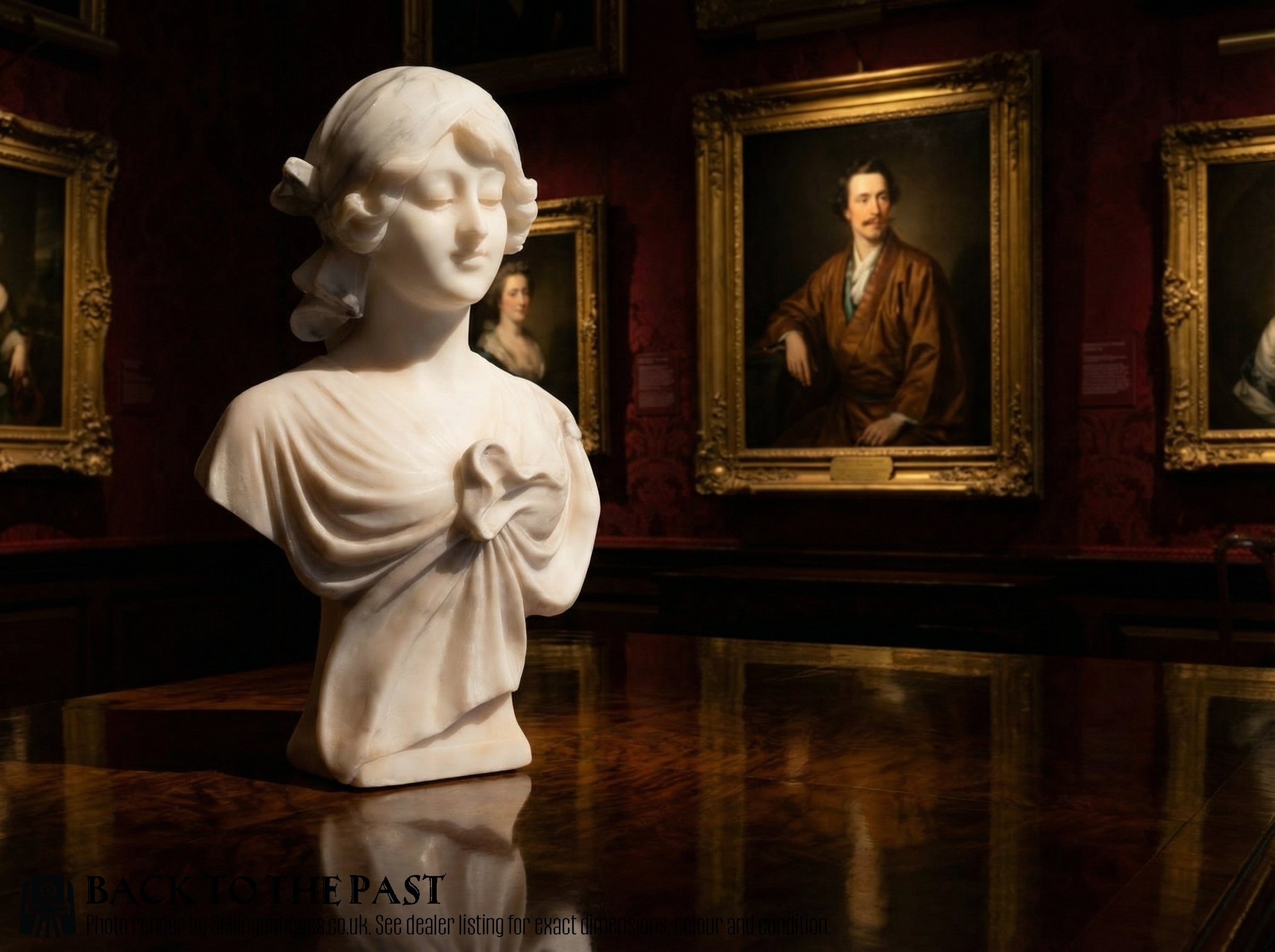
Antique alabaster carving offers tactile mineral depth and soft translucency that catches the light in any room.
What antique alabaster carving is
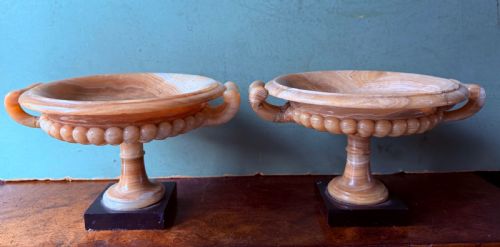
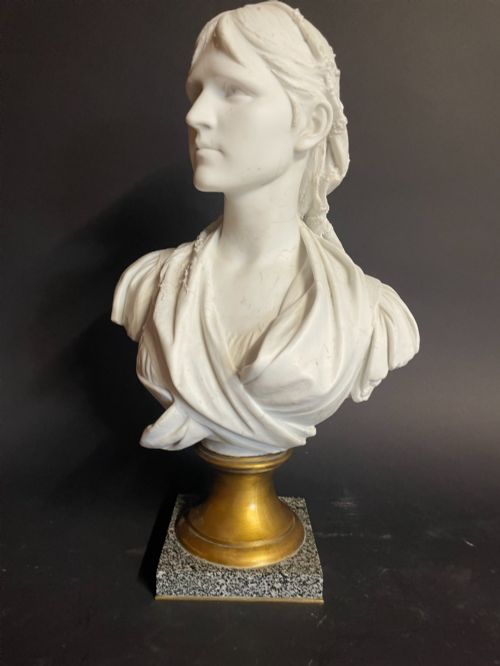
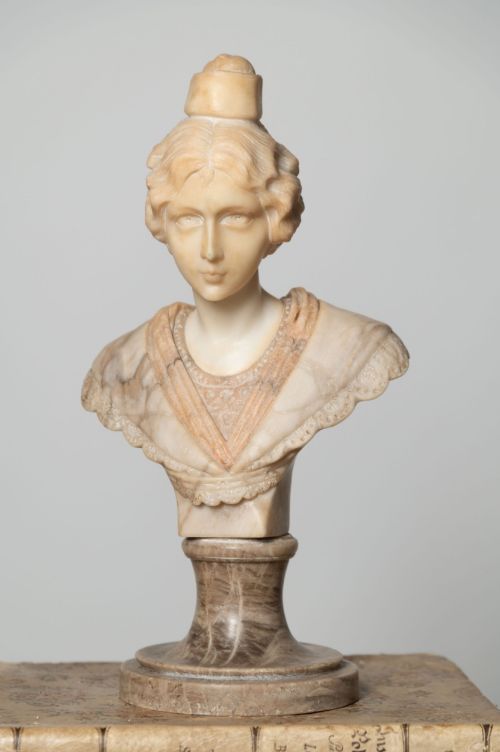
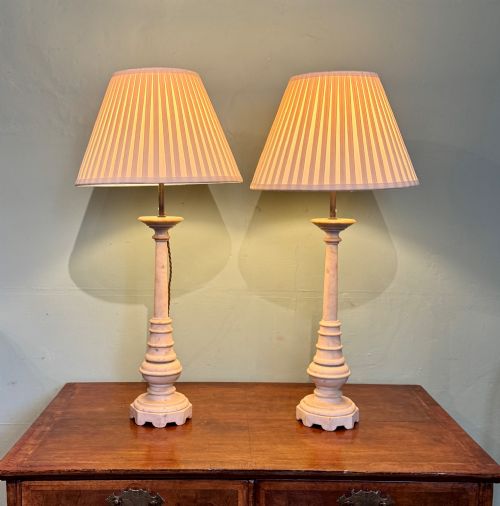
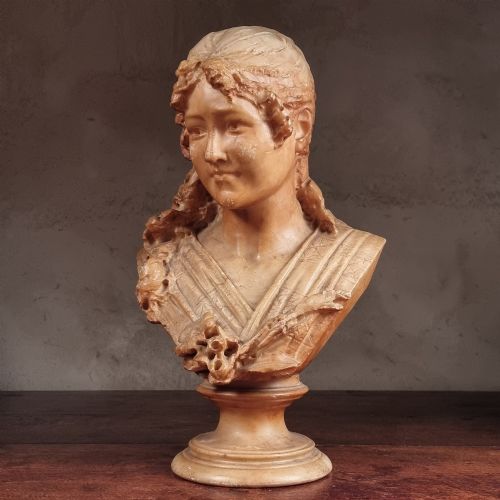
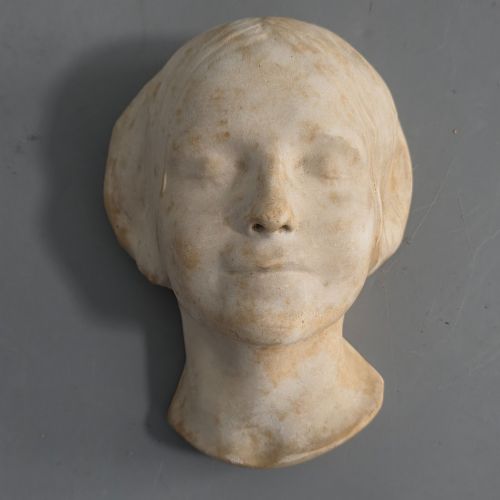
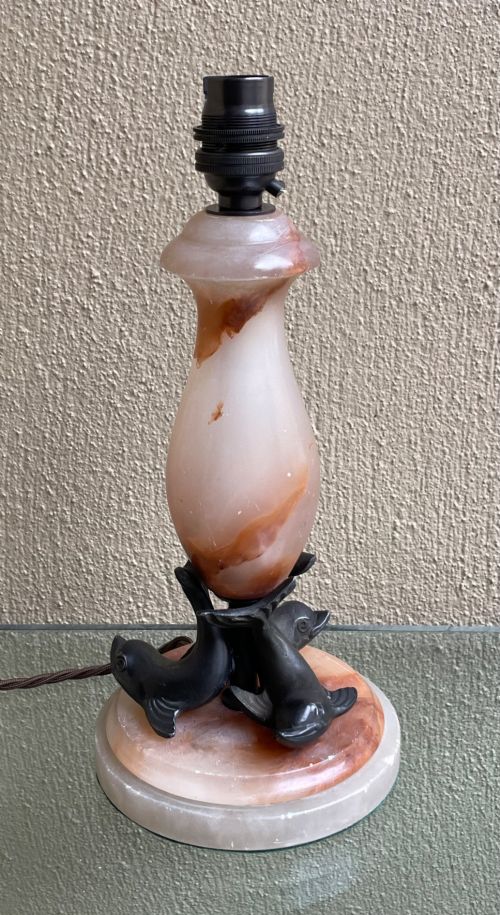
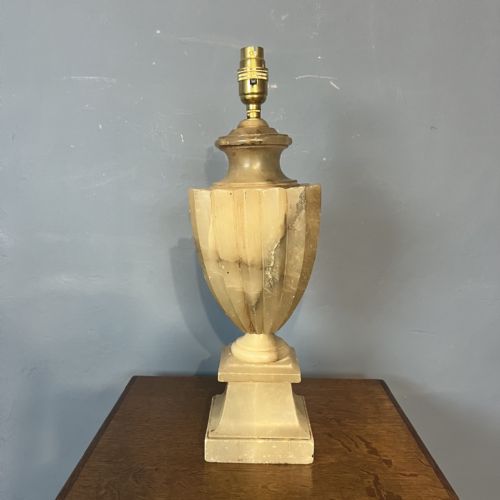
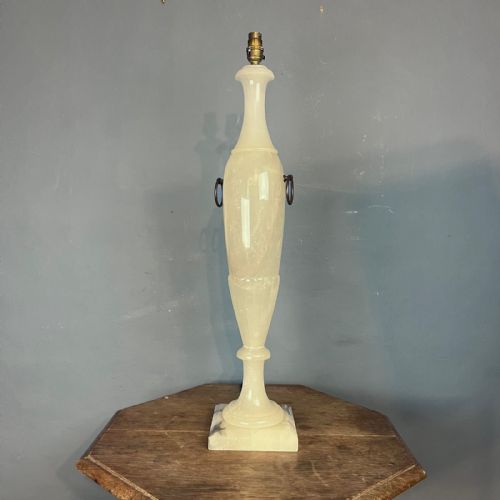
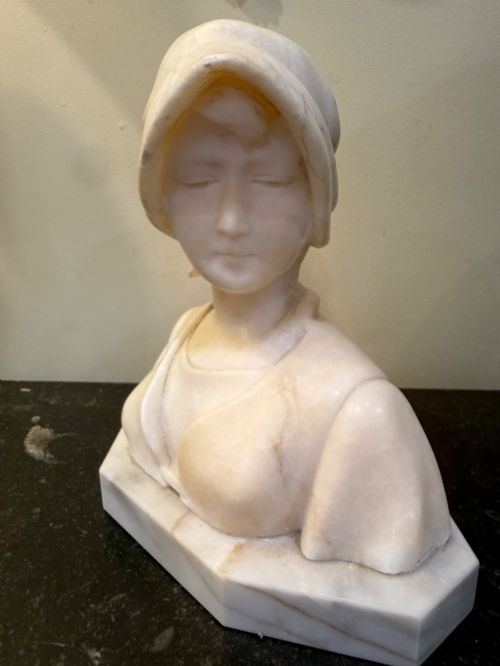
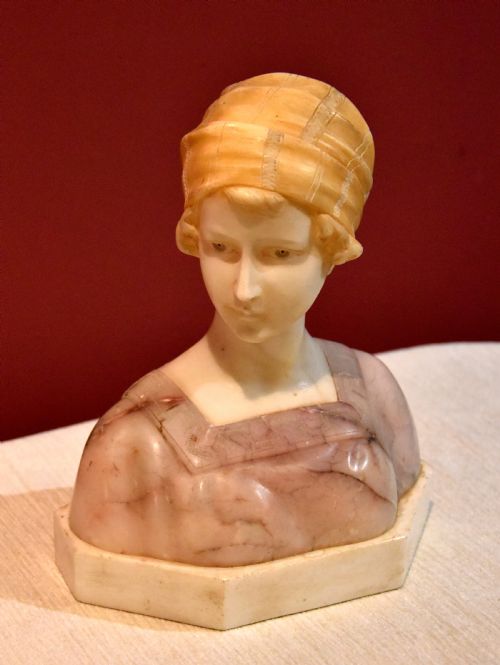
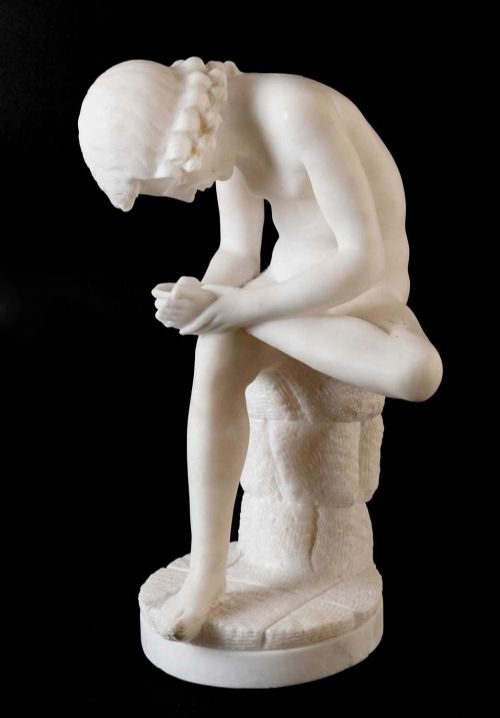
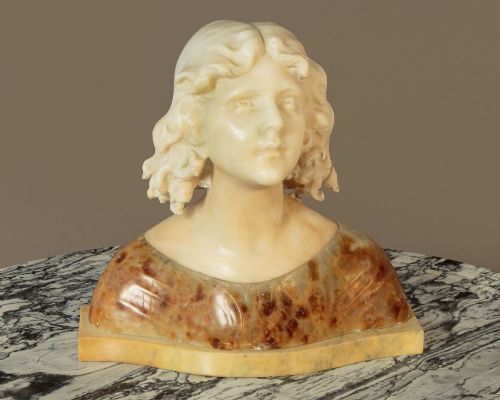
An antique alabaster carving brings figurative sculpture and decorative lamps into domestic interiors across various distinct periods. These pieces include French death masks, reclining figures, and animal studies.
The selections span the nineteenth century, the turn of the century, and the nineteen twenties. Buyers most frequently meet Italian realism, Art Deco, and Belle Epoque styles on this page.
How they were made
Artisans carved these sculptures from alabaster, often pairing the stone with marble or metal elements. The raw material yields a smooth, matte finish that responds well to detailed chiselling.
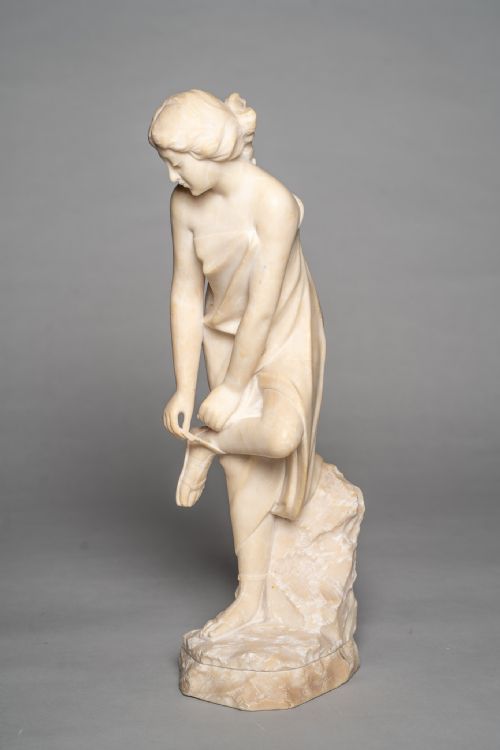
Works from this tradition rely on skilful hand-carving to capture organic forms, drapery, and facial expressions. Ornate carvings appear on larger domestic lighting pieces as well as standalone figurative works.
Retail Price Guide 2026
Typical UK retail prices for alabaster carving, calculated from the Sellingantiques database of over a million retail prices indexed since 2003. This retail price guide relies exclusively on Sellingantiques data; no external sources or auction records are used, so the figures do not describe the wider market.
At least one lioness prefers sitting carved in stone over roaming the savannah.
What varies in quality
The finesse of the carving determines the distinction between standard items and superior works. Sculptures bearing artist signatures demonstrate individual mastery over the mineral medium.
Artisanal precision in rendering anatomical details or decorative motifs elevates a piece. The integration of mixed materials like marble and metal also distinguishes more ambitious sculptures.
Cipriani
The Antique Alabaster Carving Glossary
- Alabaster
- A soft mineral stone known for its fine grain and translucency. It allows carvers to achieve subtle gradients of light across a finished sculpture.
- Art Deco
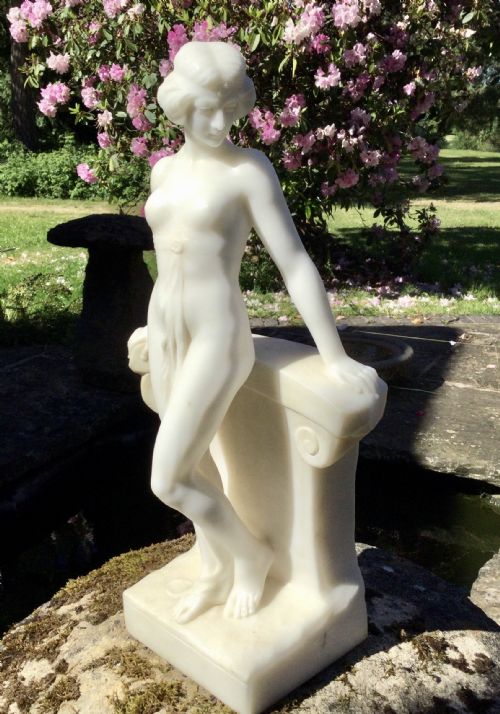
- A design style prominent around nineteen twenty characterised by stylised geometric forms and sleek lines. It appears frequently in modernist figurative carvings.
- Belle Epoque
- A period of French cultural elegance lasting from the late nineteenth century until the First World War. Works from this time often embrace romanticism and realism.
- Italian Realism
- An artistic approach focused on lifelike depiction of subjects without romantic idealisation. Italian workshops produced highly naturalistic animal and human figures in stone.
- Death mask
- A cast or carved likeness of a deceased person's face. The nineteenth century example translates this sombre tradition directly into stone.
Frequently Asked Questions
How do I clean antique alabaster?
Dust the surface gently with a soft, dry cloth to prevent accumulation. Avoid water and chemical solvents entirely, as moisture damages the porous stone.
Keep pieces away from direct sunlight and damp environments. Careful placement preserves the delicate matte texture of the carved mineral.
What styles are common in these carvings?
Art Deco and nineteenth century French aesthetics dominate the selection. Italian realism also appears across several figurative sculptures.
These varied styles reflect shifting European artistic tastes from the eighteen hundreds through the nineteen twenties. Each movement brought distinct handling of human and animal forms.
Are these sculptures signed by artists?
Certain pieces feature artist signatures carved directly into the stone. Makers such as Cipriani marked their figurative works.
Signed sculptures often indicate higher workshop provenance. Unsigned carvings remain common among anonymous nineteenth century decorative items.
How were alabaster lamps used?
Grand scale lamps served as decorative illumination in period interiors. The translucent stone allowed light to diffuse softly through ornate carvings.
These functional objects combined sculptural artistry with domestic utility. They provided ambient lighting while acting as sculptural centrepieces.