

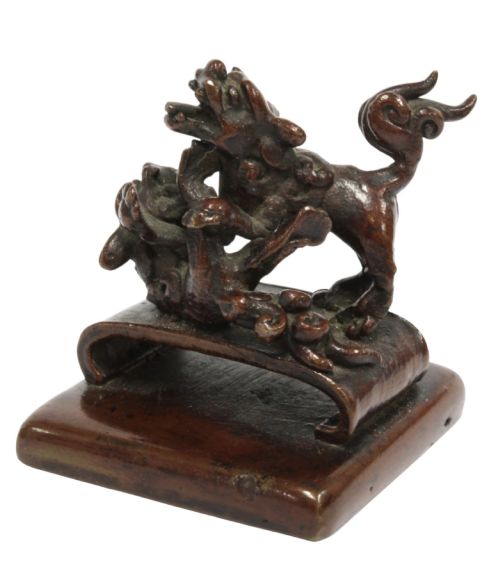
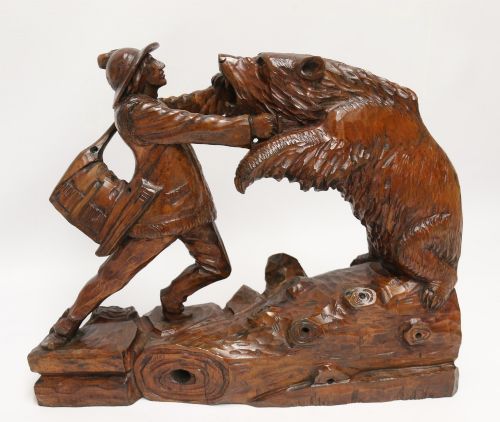
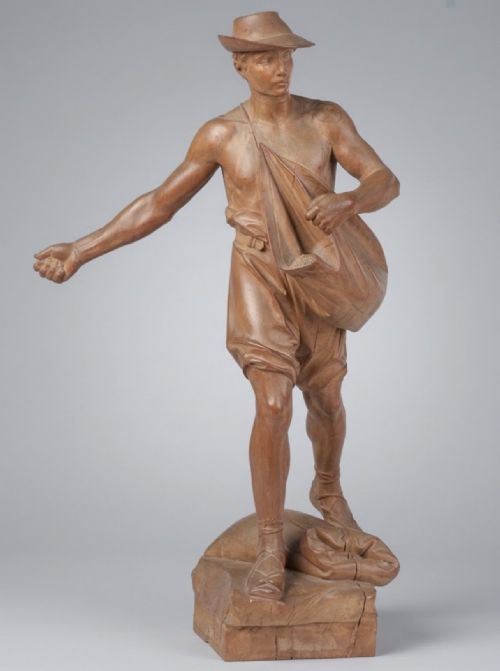
Antique Carved Sculpture
Antique carved sculpture brings together centuries of hand-chiseled figures, animals, and architectural fragments in wood, stone, and jade.
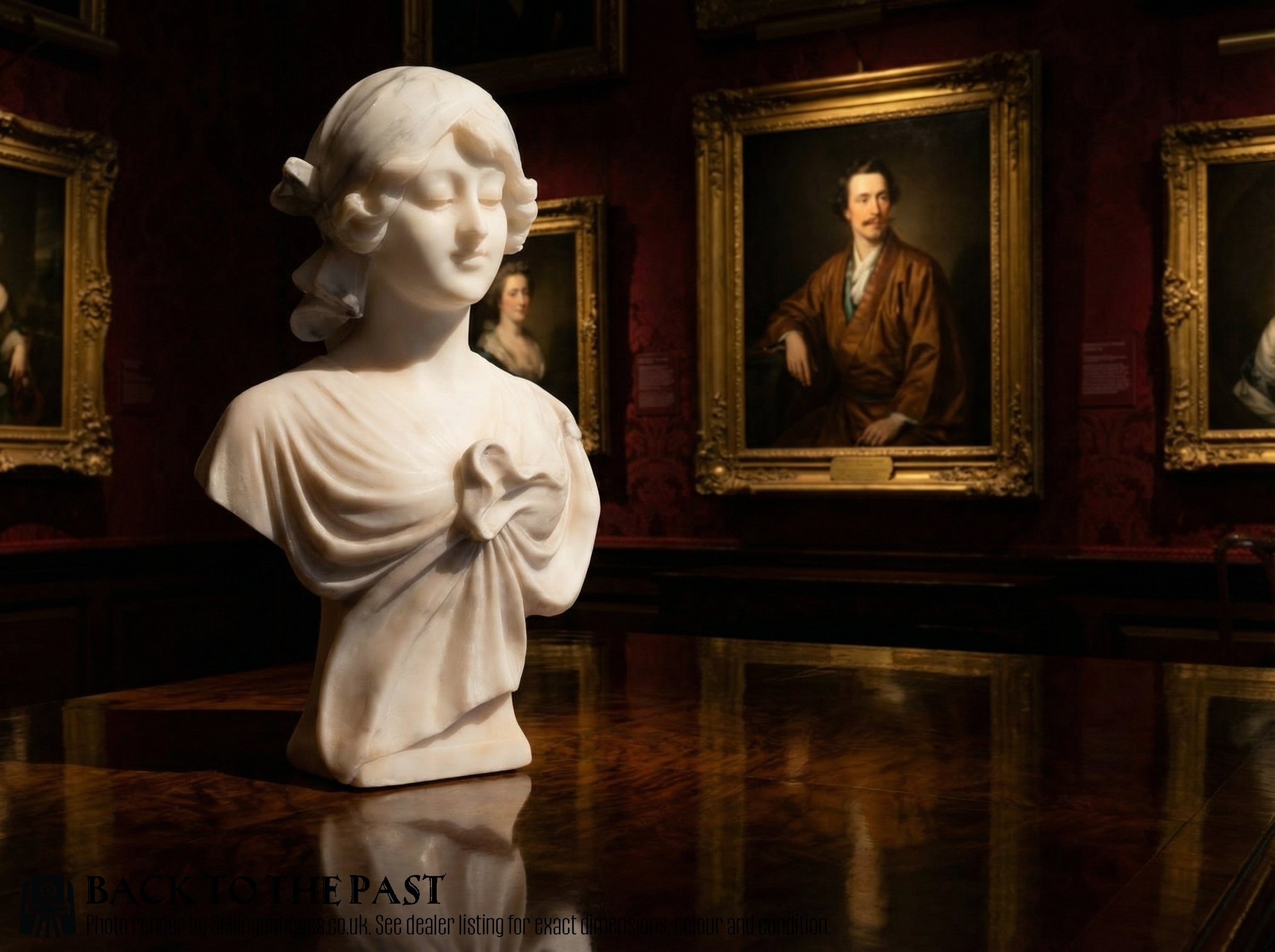
Antique Carved Sculpture
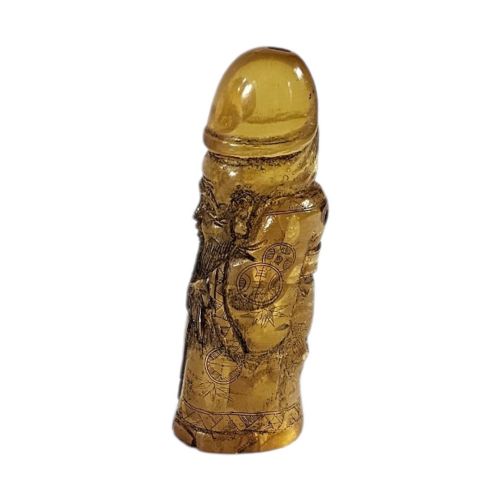
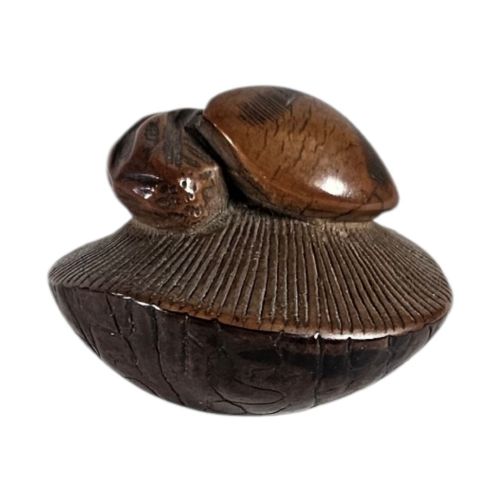
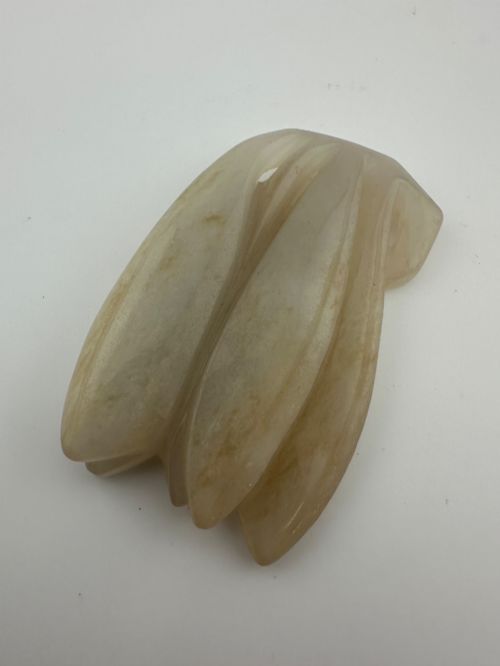
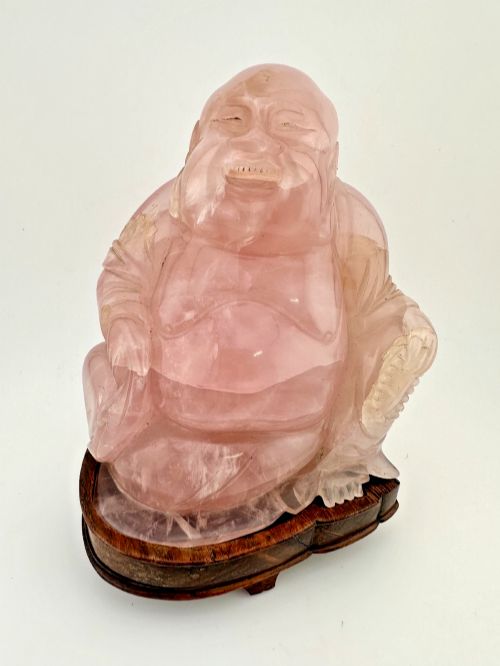
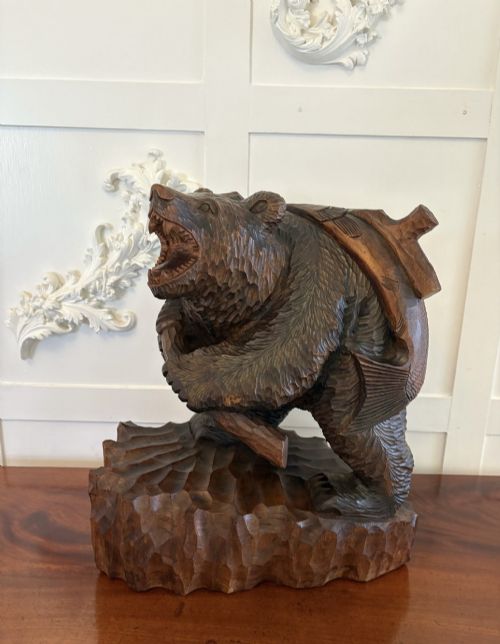
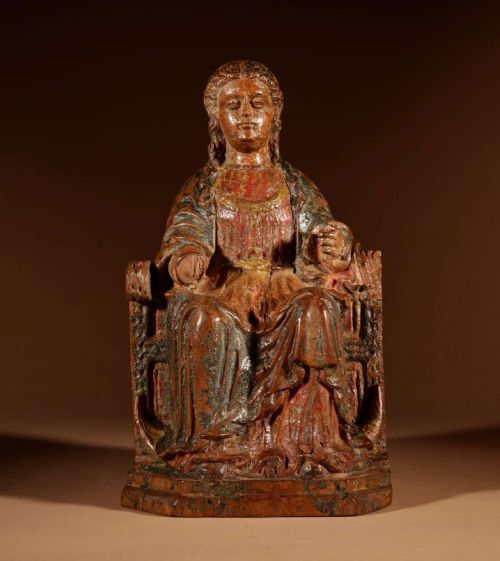
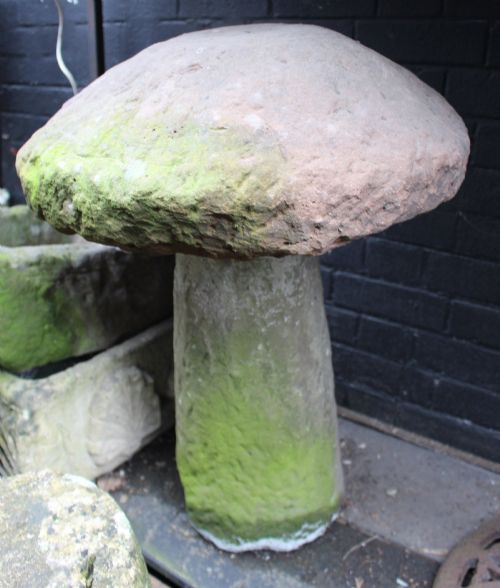
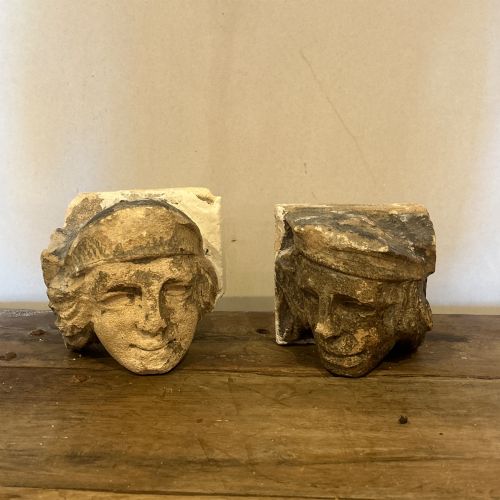
When browsing antique carved sculpture, you encounter diverse forms ranging from medieval limestone corbels and religious devotional panels to Black Forest wood animals and Italian Grand Tour marble figures. The selections span multiple centuries, touching upon Qing Dynasty jades, Japanese boxwood netsuke, and European architectural elements.
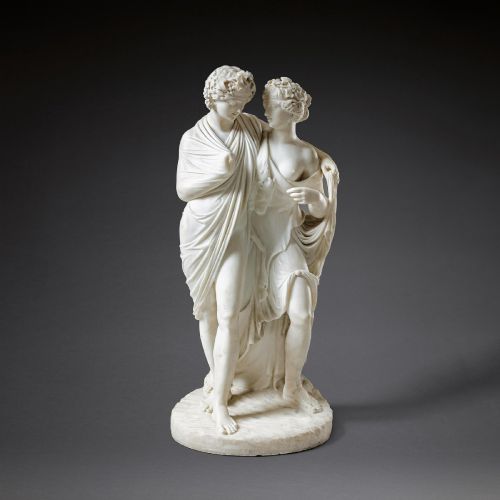
You are most likely to meet 19th-century works, particularly Italian alabaster and serpentine marble reductions after the antique, alongside continental woodcarvings and Asian scholarly figures. These pieces represent both domestic folk art traditions and grand academic sculpture originating from various international workshops.
Materials and techniques
The makers utilised traditional subtractive methods, chiselling and gouging directly from dense natural materials such as oak, walnut, fruitwood, boxwood, and linden wood. Surface finishes range from natural polished grain to polychrome paint, gesso preparation, and delicate applications of gold leaf.
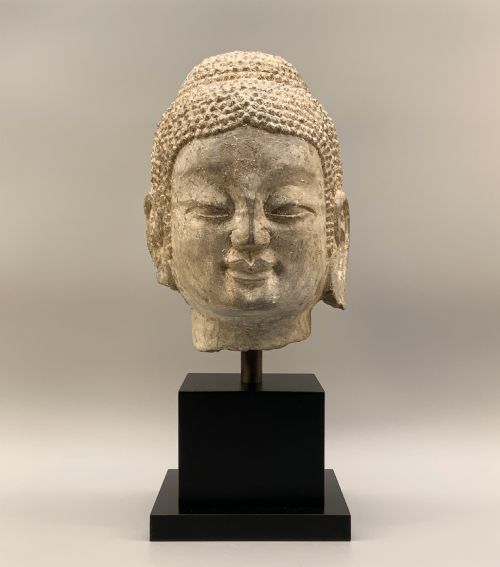
Stone and mineral carvers worked similarly with limestone, marble, alabaster, soapstone, jade, and amber. Master artisans employed specialised hand tools to achieve fine facial expressions, drapery folds, and realistic animal textures across both European academic pieces and Asian scholarly objects.
The inventory spans multiple centuries of carving traditions, from pre-16th-century ecclesiastical fragments to 1920s folk art decoys.
Judging quality and execution
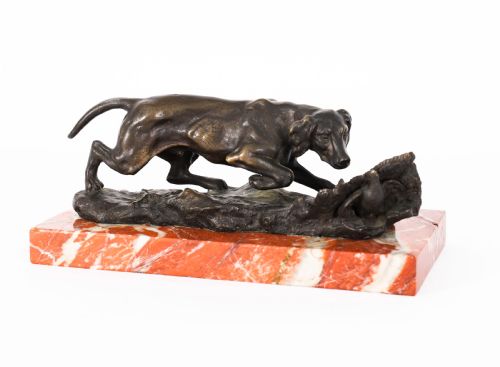
Quality rests upon the anatomical proportion, depth of undercut, and expressive vitality achieved by the carver. Superior pieces display confident handling of muscle, fabric, or feather texture without relying on excessive surface smoothing to mask weak underlying form.
The choice and stability of the raw material also dictate standard, where flawless hardstones or well-seasoned timbers command greater appreciation. Maker signatures, historical provenance, and the crispness of surviving detail further distinguish workshop masterworks from standard decorative output.
Carl Kauba·Carlo Albacini·Jules Buste Labatut·Barranti Florence
The Antique Carved Sculpture Glossary
- Grand tour
- A 19th-century souvenir sculpture, usually carved in Italian alabaster or serpentine marble after classical antiquities.
- Corbel
- A structural stone bracket projecting from a wall to support a weight, frequently carved with figurative or foliate designs.
- Solomonic
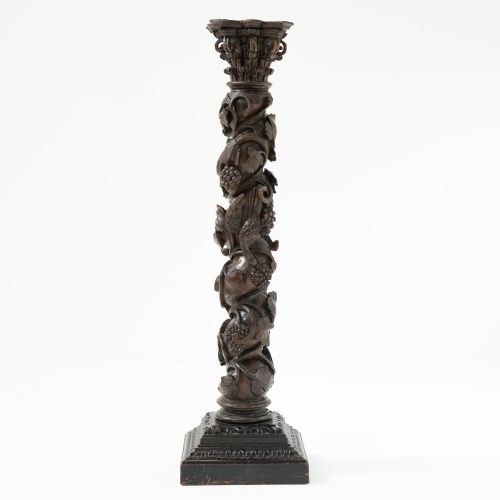
- A type of column characterised by a helical twisting shaft, popular in Baroque architecture and furniture supports.
- Torchiere
- A tall ornamental stand or floor candelabrum base, often featuring carved figurative supports such as putti.
Antique Carved Sculpture: Frequently Asked Questions
How do I clean antique wooden carvings safely?
Dust wooden sculptures gently with a dry, soft-bristled brush to remove surface particulate without disturbing the grain or patina.
Avoid liquid cleaners, water, and commercial polishes, which can soften old gesso or penetrate unsealed wood surfaces.
What caused the popularity of grand tour marbles?
Wealthy travellers touring cultural centres in Italy during the 19th century commissioned or purchased these carved alabaster and serpentine reductions.
These sculptures served as tangible proof of classical education and sophisticated taste upon returning to northern Europe.
How can I distinguish jade from soapstone?
Jade possesses a high density and extreme hardness that resists scratching from steel blades, accompanied by a cool, greasy lustre.
Soapstone is significantly softer, easily marked by a fingernail or metal point, and has a soapy or matte texture.
Where should I display marble sculptures at home?
Place heavy stone and marble figures on sturdy pedestals, columns, or low architectural surfaces capable of supporting substantial weight.
Keep them away from direct heat sources and sudden temperature fluctuations to prevent micro-fracturing in veined or altered stones.