



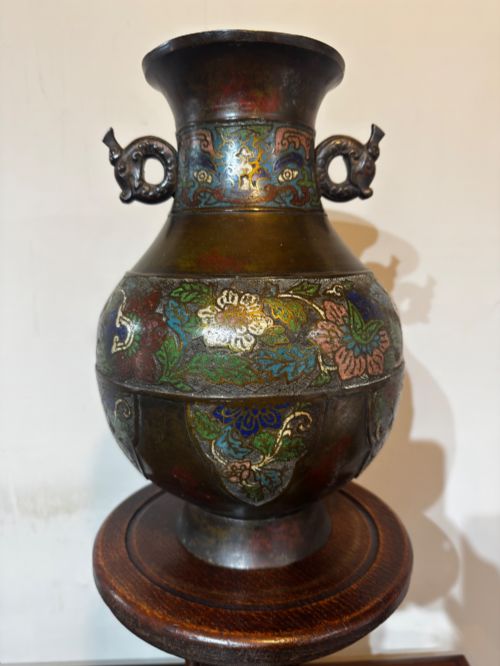

Chinese Decorative Urns
Chinese decorative urns bring centuries of metalwork, lacquer and porcelain artistry into a room, offering striking forms from ginger jars to temple vases.
Chinese Decorative Urns
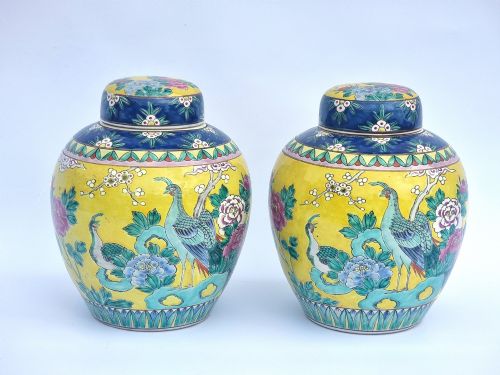
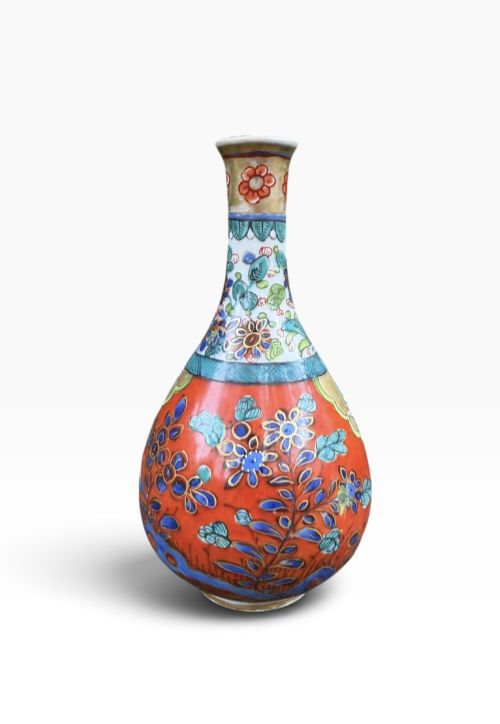
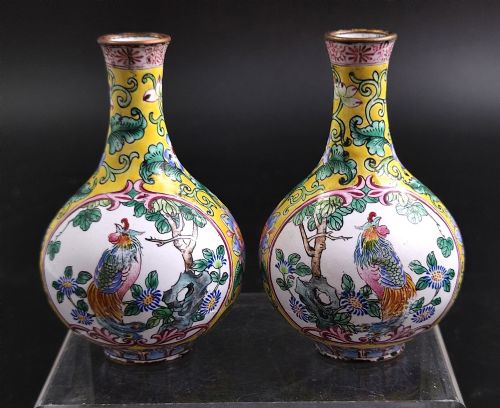
When you search for Chinese decorative urns, you encounter a varied selection of vessels spanning multiple dynasties and centuries, including pieces from the Qing period, the Republic era and the Victorian age. The objects themselves take many forms, appearing as ginger jars, baluster vases, moon flasks, temple vases and heavy bronze altar vessels.
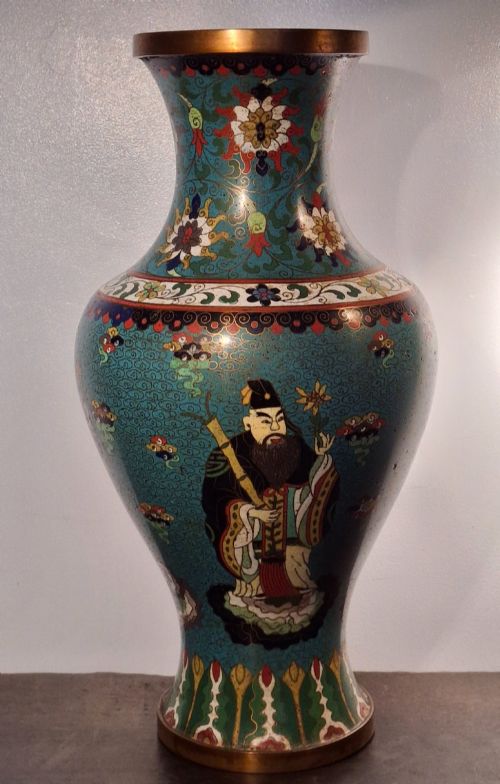
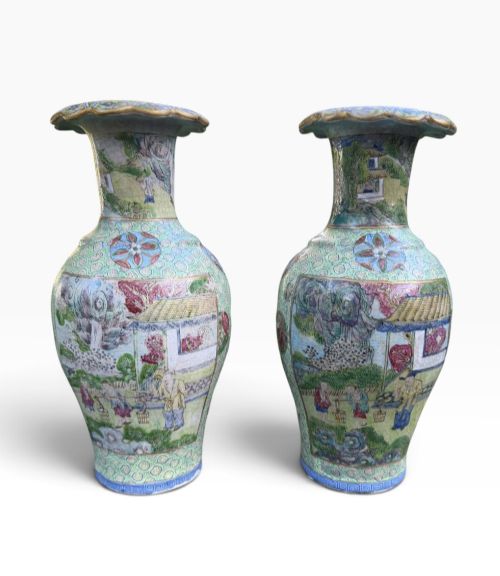
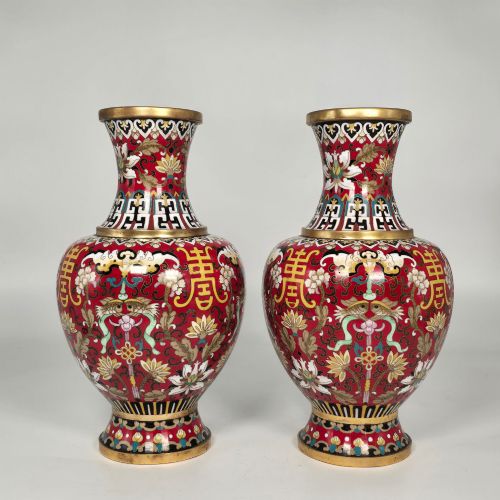
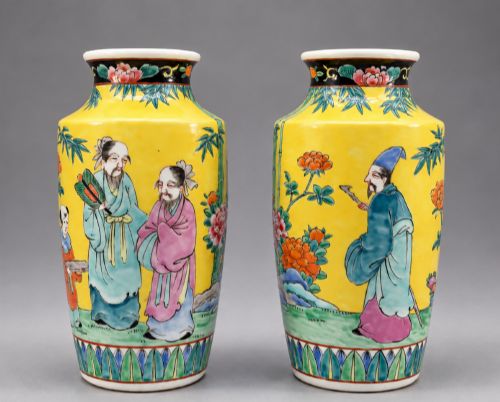
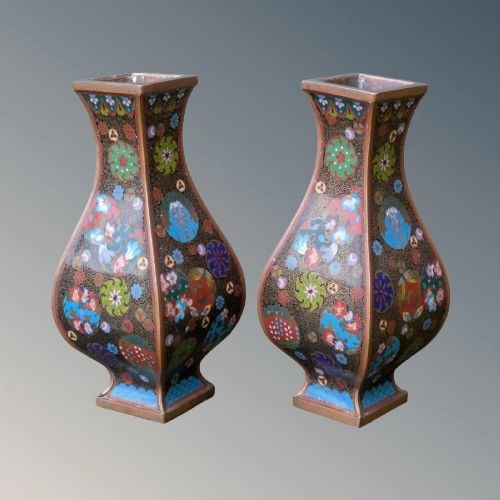
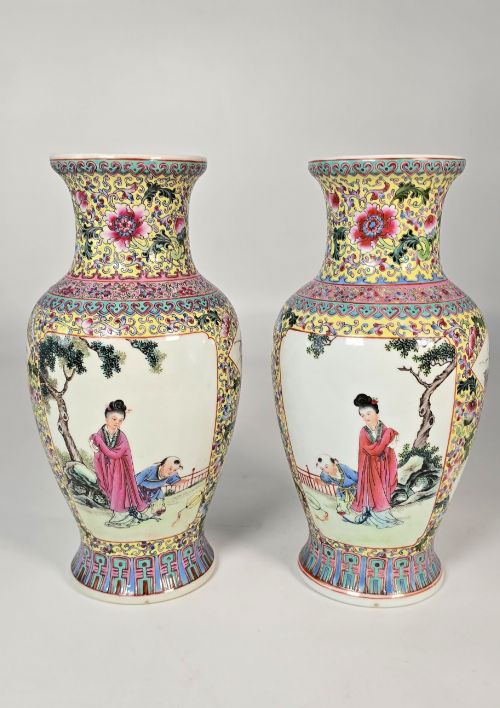
You are most likely to meet nineteenth-century examples on this page, particularly cloisonne enamel vases and famille rose porcelain pieces produced for export and domestic use. These vessels range from modest cabinet jars to monumental floor-standing temple pieces reaching significant heights.
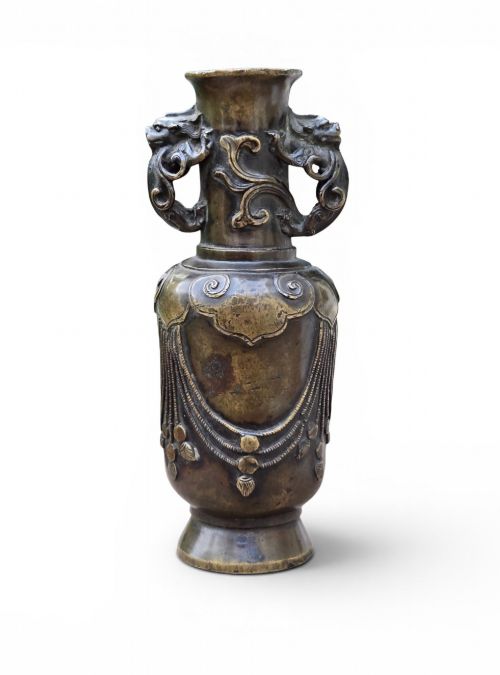
Earlier periods also surface, represented by seventeenth-century bronze vessels and occasional pots bearing Ming dynasty associations. Alongside these, Edwardian and early twentieth-century brass pieces and champleve bronzes demonstrate the enduring British appetite for oriental metalwork.
Materials and methods
Makers shaped these vessels from bronze, copper-alloy, brass and porcelain, applying intricate surface decoration through enamelling, carving and hand-painting. Cloisonne works required soldering delicate metal wires to a metal base to form cells, which artisans then filled with coloured enamel pastes before firing and polishing.
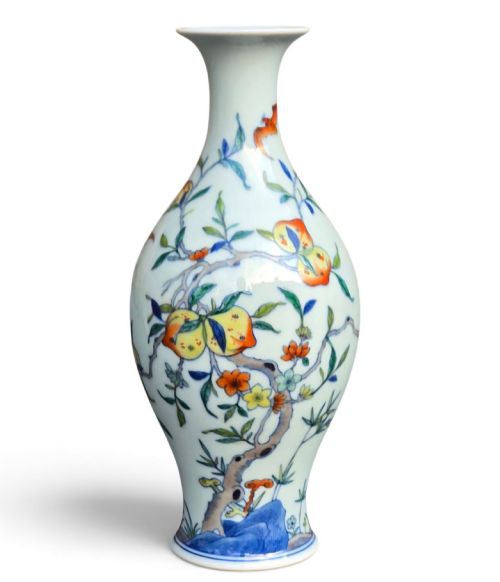
Lacquer pieces involved building up numerous layers of red cinnabar lacquer over a core before carvers cut deep, detailed motifs into the hardened surface. Porcelain vessels received cobalt blue underglazes or polychrome enamels in famille rose and famille verte palettes, often finished with high-temperature glazes.
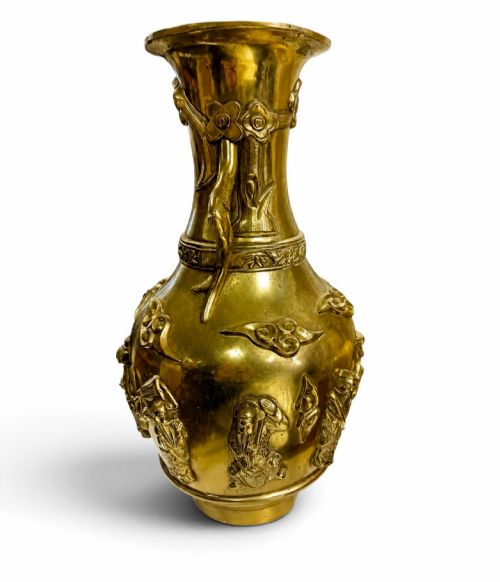
Cast bronze and copper-alloy vessels utilised traditional lost-wax or sectional mould techniques, sometimes incorporating high-relief Daoist figures, dragon handles or champleve enamel inlays within recessed compartments.
Chinese Decorative Urns Retail Price Guide 2026
Typical asking prices for chinese decorative urns among the pieces listed under this phrase on Sellingantiques today, from the lower quarter to the upper quarter. They describe what is for sale here now, not the wider market.
Listings feature vessels spanning the 17th century to the Edwardian period, utilising materials from bronze and porcelain to cinnabar lacquer and wood.
Evaluating craftsmanship
The division between standard production and superior work lies in the crispness of the casting, the depth of the lacquer carving and the precision of the enamel work. Finer metal vessels display sharply defined relief details and securely seated wire cells without pitting or irregular solder lines.
On porcelain and lacquer pieces, superior examples exhibit confident, fluid hand-painting and substantial depth in carved cinnabar layers rather than shallow, mechanical pressing. The weight and balance of the vessel, alongside the integrity of any base marks, also signal the level of workshop care invested in the piece.
Surface preservation heavily influences the standing of a piece, separating well-maintained examples with intact enamels and stable lacquers from those showing heavy structural loss or crude later repairs.
The Chinese Decorative Urns Glossary
- Cloisonne
- Enamelling technique where metal wire creates cells on a base to hold coloured pastes. These cells form intricate patterns across vases and jars.
- Famille Rose
- Palette of opaque pink and pastel enamels introduced during the Qing dynasty. This palette defines many eighteenth and nineteenth-century export porcelains.
- Ginger jar
- Storage jar with a wide shoulders and a domed cover, originally made for spices. They appear frequently in blue and white porcelain.
- Cinnabar lacquer
- Material created by applying dozens of layers of red resin before carving deep designs. It requires immense patience to produce.
- Baluster vase
- Vessel featuring a rounded lower body that tapers towards a narrow neck. This classic silhouette provides a stable base for detailed figural scenes.
Chinese Decorative Urns: Frequently Asked Questions
What is a Chinese ginger jar?
A Chinese ginger jar is a high-shouldered ceramic vessel originally designed to store spices, salt or oil. Over time, these lidded jars became valued purely as decorative display pieces.
Today they appear in blue and white porcelain as well as famille rose palettes, often paired for symmetrical placement on mantelpieces or side tables.
How do I identify Qing dynasty pieces?
Qing dynasty vessels are identified through specific stylistic markers, material quality and reign marks found on the base. They often feature elaborate enamel work, famille rose palettes or high-relief copper-alloy casting.
Because later pieces frequently imitated earlier styles, examining the wear on the base and the crispness of the detailing helps determine the true age.
Where should I display large temple vases?
Large temple vases and monumental lacquer urns require stable floor space or sturdy low tables to support their significant weight and height. Placing them in hallways, entrance porches or spacious reception rooms allows their scale to be fully appreciated.
Keeping them away from direct sunlight protects delicate enamels and red cinnabar lacquer surfaces from fading over time.
What distinguishes cloisonne from champleve?
Cloisonne involves soldering flat metal wires onto the surface of a bronze or brass body to create raised outlines for enamel colours. The resulting surface is then ground down and polished smooth.
Champleve carves or recesses the design directly into the thick metal body itself to form troughs, which are then filled with enamel before final finishing.