
Charles X Furniture
Charles X furniture brings together refined French commodes and armchairs alongside robust English oak pieces from earlier centuries.
Charles X Furniture
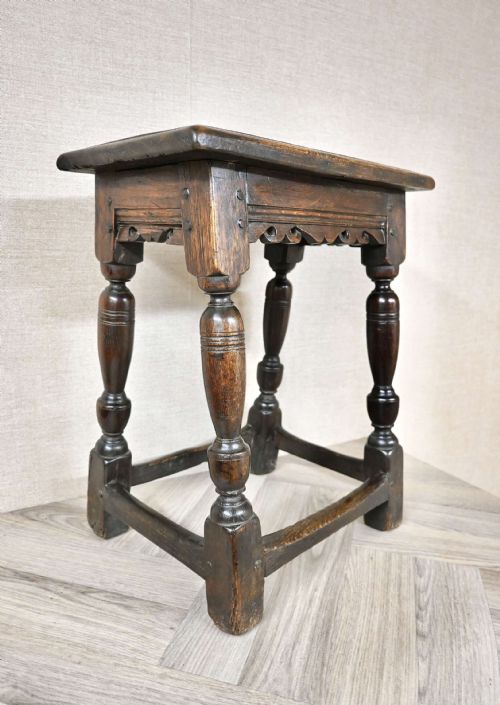
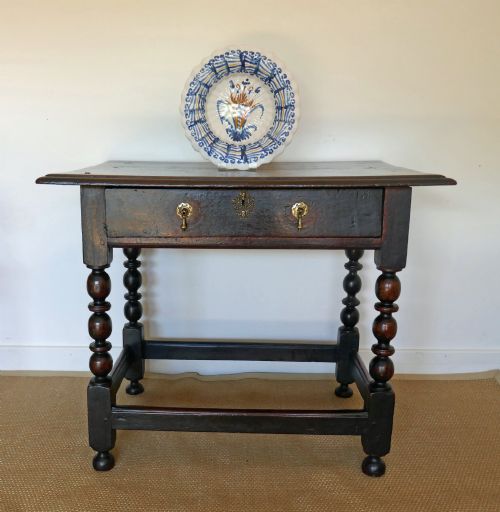
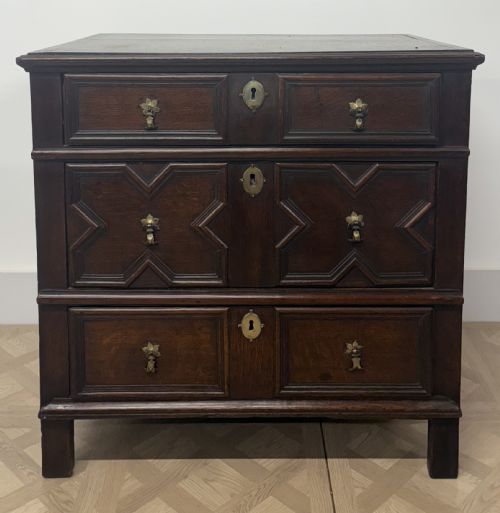
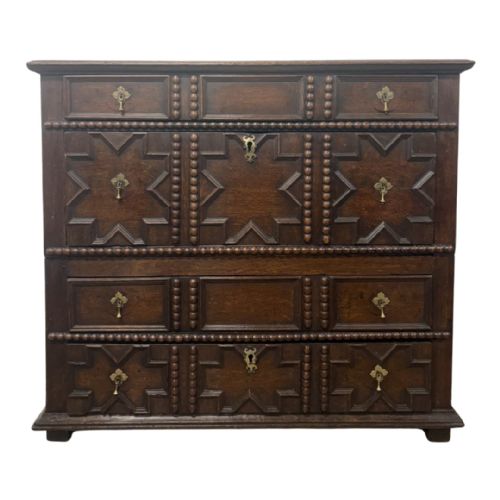
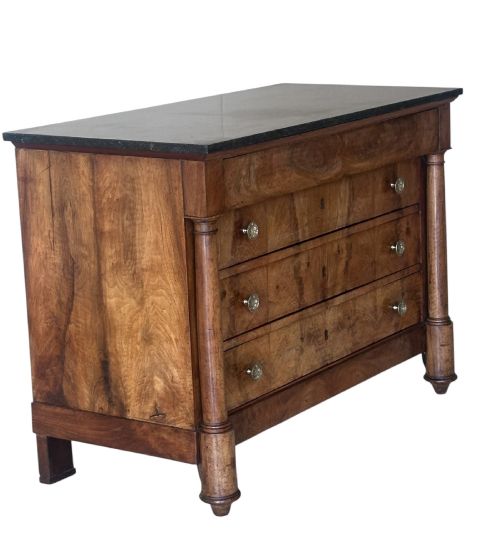
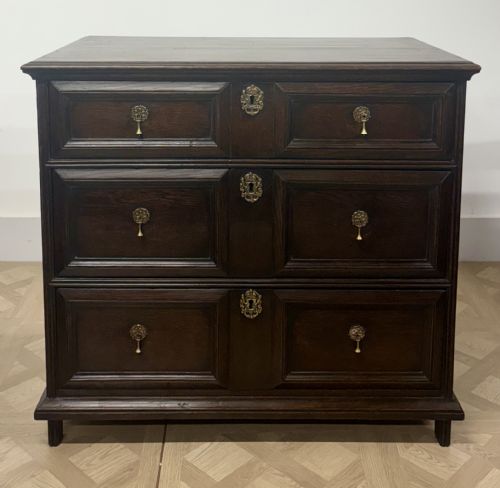
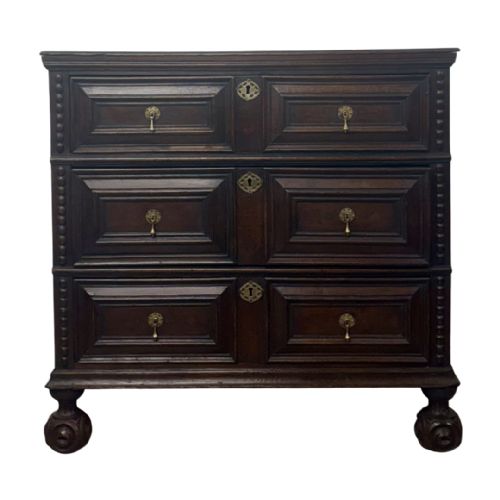
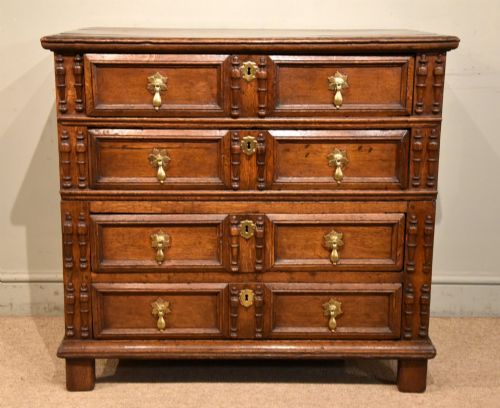
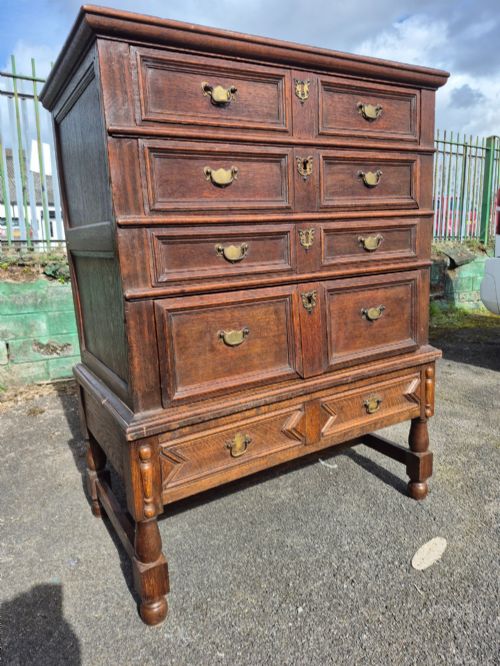
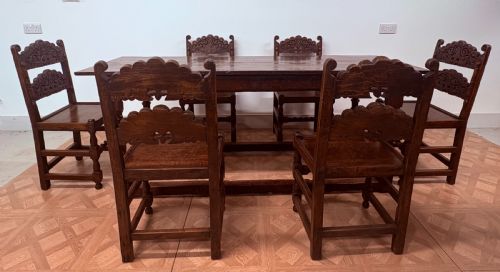
When you search for charles x furniture, you encounter a mix of continental pieces from the nineteenth century alongside substantial English woodwork spanning the seventeenth century. The selection ranges from French walnut and mahogany commodes to heavy oak chests of drawers, joint stools, and wainscot chairs.
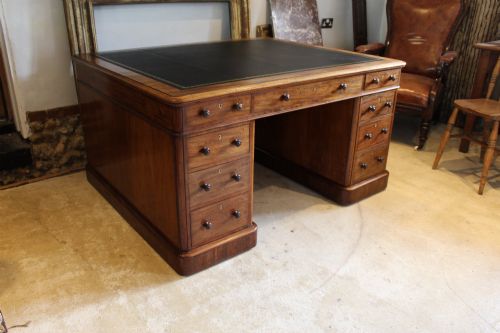
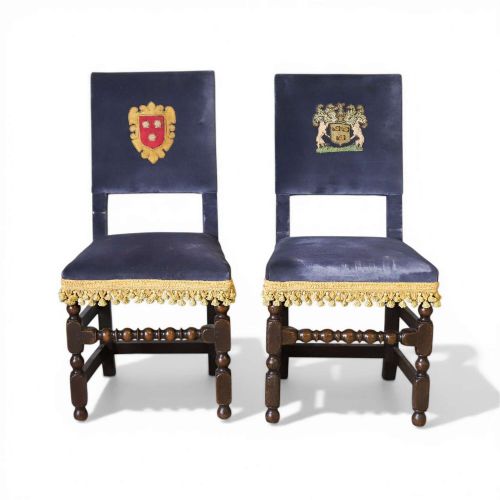
The assortment includes domestic utility items such as writing tables, desks, refectory tables, and armchairs upholstered in velvet. Pieces originate from various British regions including Lancashire, Cheshire, and Wales, alongside French workshops.
Materials and construction
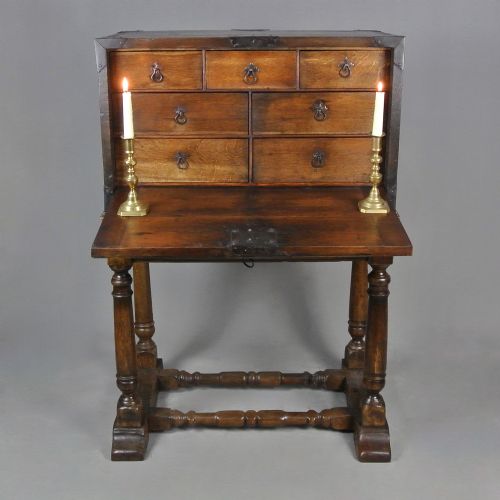
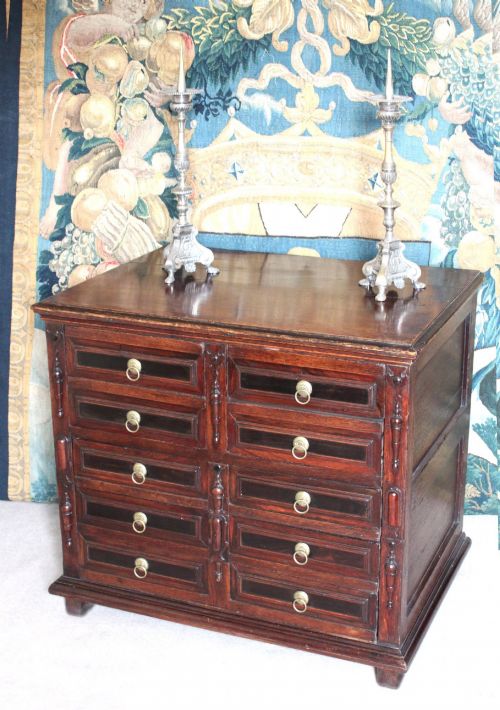
Craftsmen utilised solid timber including oak, walnut, fruitwood, and mahogany, often combining contrasting woods to create geometric mouldings on drawer fronts. Iron hardware and brass fittings secure structural elements like strong boxes and drop-front desks.
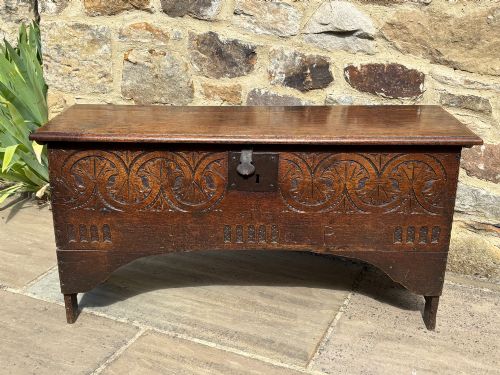
Joinery techniques rely on traditional pegging and framing, visible in joint stools, gateleg tables, and panelled coffers. Upholstered seating incorporates textile coverings secured with decorative studs.
An unusual seventeenth-century oak and fruitwood cradle shares space with grand partners desks and armorial clan chairs.
Judging quality and condition
Quality rests upon the integrity of the timber surfaces and the sharpness of geometric mouldings carved into drawer fronts. Untouched patination on fruitwood and oak separates finer survivor pieces from heavily altered examples.
Proportion and structural balance define the finer items, such as boldly proportioned side tables and clean-lined French commodes. Original mounts and intact hardware contribute to the coherence of each piece.
Charles Andrea Nosotti
The Charles X Furniture Glossary
- Commode
- A low French chest of drawers standing on legs, typically veneered in mahogany or walnut. This form dates to the nineteenth century in the current selection.
- Joint Stool
- A sturdy wooden seat constructed with mortise and tenon joints rather than turned legs alone. These low seats date to the seventeenth century.
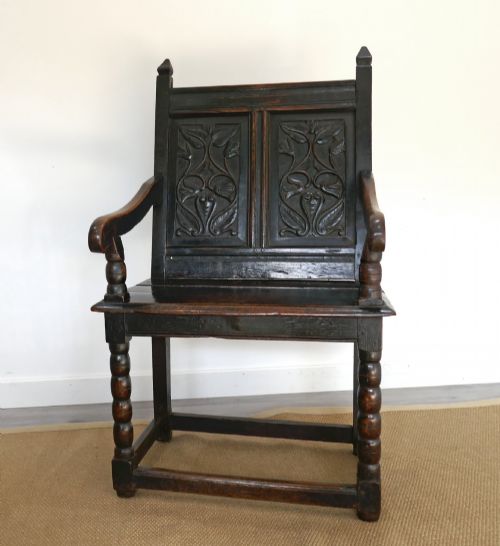
- Wainscot Chair
- An early wooden armchair featuring a solid panelled back and heavy armrests. Examples originate from regional English workshops in Lancashire and Cheshire.
- Cartonnier
- A specialised piece of furniture designed for holding papers and documents. These French items incorporate multiple internal drawers.
- Refectory Table
- A long dining table supported by thick legs connected by floor stretchers. These heavy boards provide stable dining surfaces.
Charles X Furniture: Frequently Asked Questions
What defines Charles X furniture?
Charles X pieces typically encompass French nineteenth-century decorative items like mahogany commodes and rosewood armchairs.
Search results also draw in earlier seventeenth-century English oak furniture bearing similar stylistic naming conventions.
How were these pieces used?
Chests of drawers and coffers provided primary household storage for clothing and valuables in early domestic settings.
Tables and desks served dining and writing functions, while joint stools and wainscot chairs provided seating around the home.
Where do these items originate?
French cabinetmakers produced the nineteenth-century walnut and mahogany commodes and seating.
English regional workshops across Wales, Cheshire, Lancashire, and the West Country built the earlier oak furniture.
How do I care for antique wood?
Keep wooden items away from direct heat sources and sudden humidity shifts to prevent timber splitting.
Apply traditional wax sparingly and polish gently with a soft cloth to maintain the surface finish.