


Antique Collectors Chests
Antique collectors chests gather small treasures in fitted drawers, offering compact storage with deep historical character.
Antique Collectors Chests
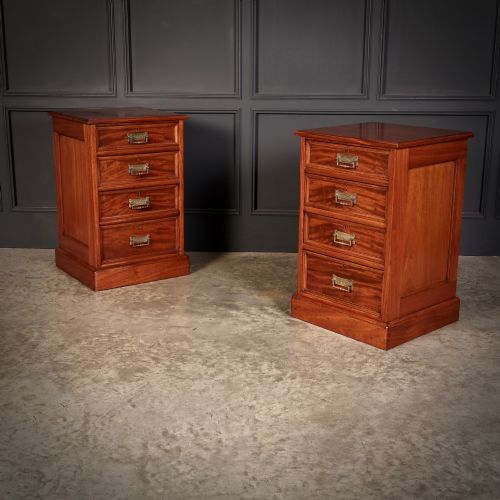
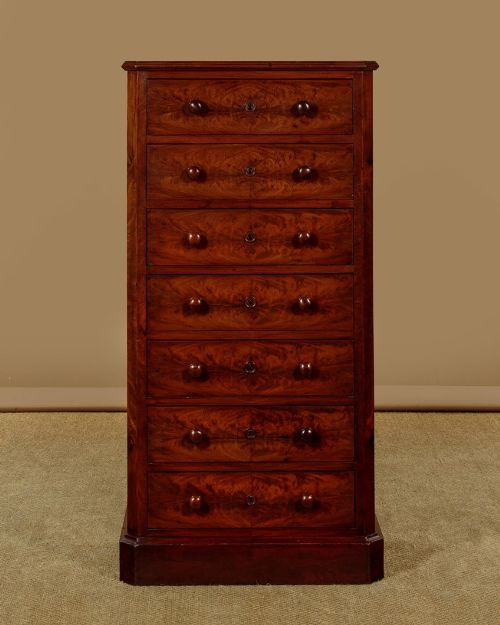
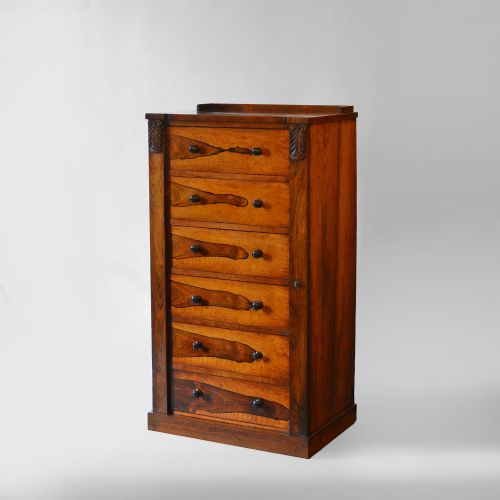
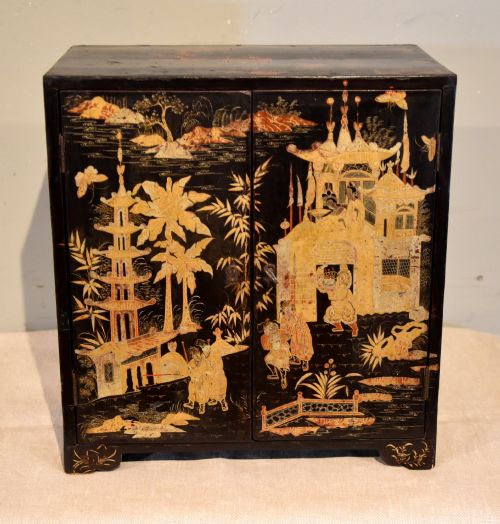
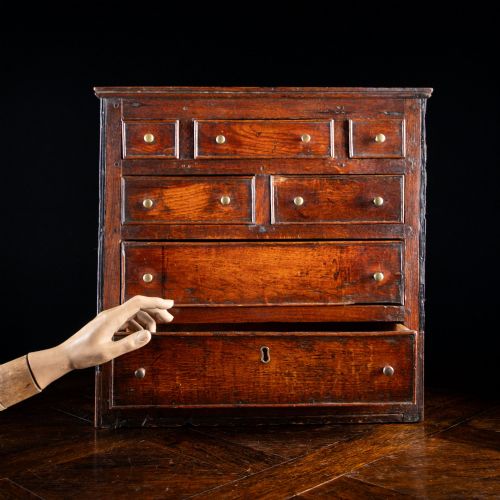
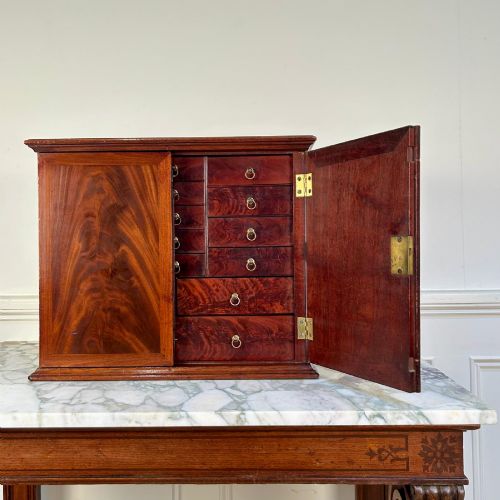
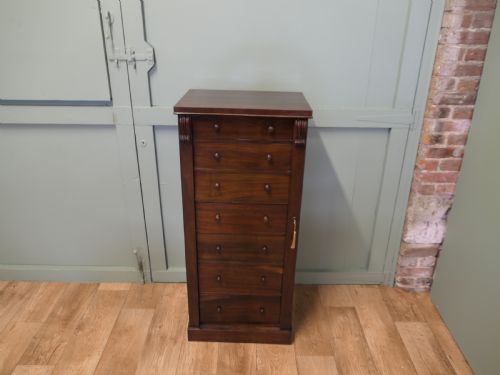
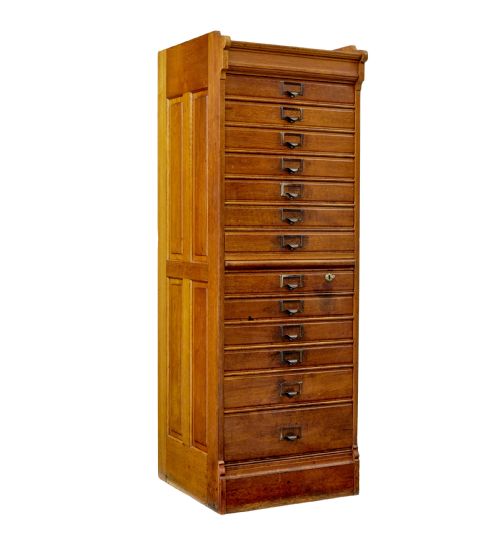
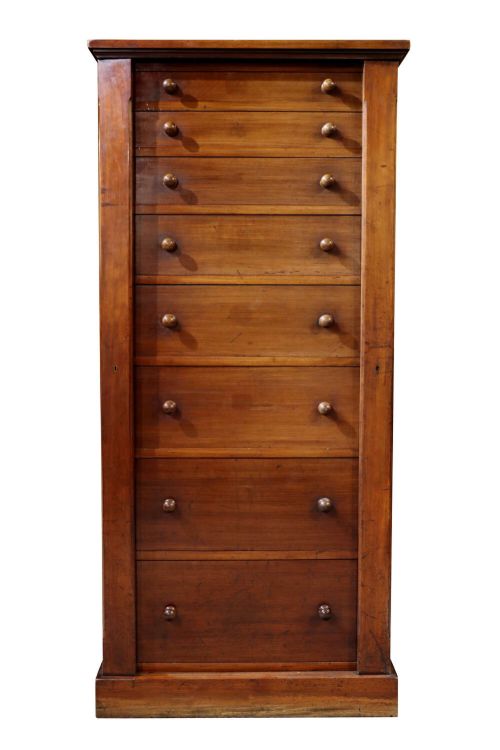
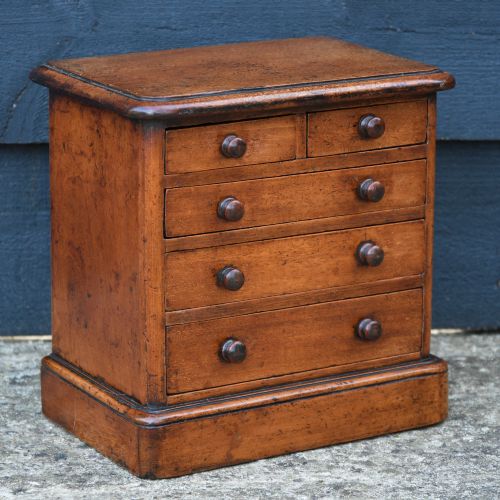
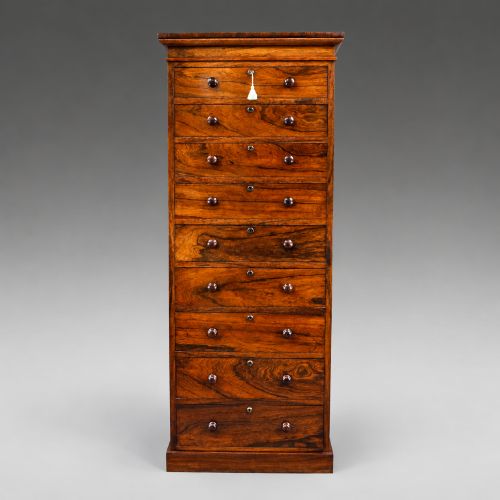
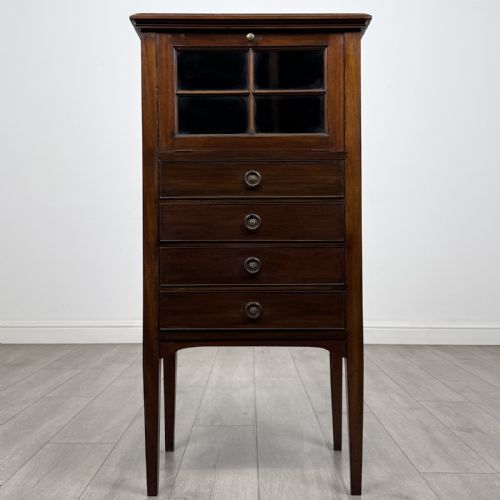
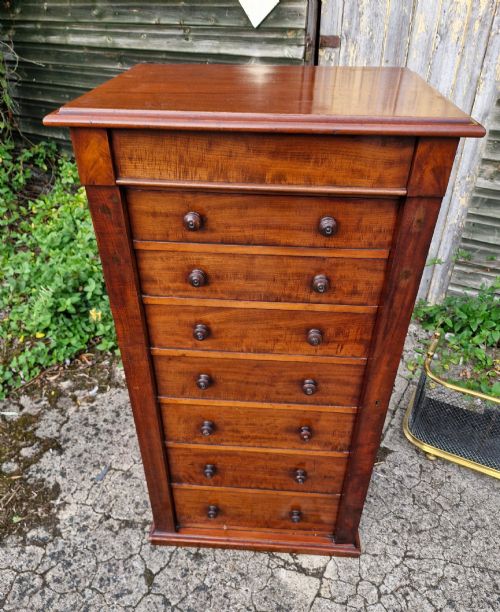
These antique collectors chests span several centuries, with particular emphasis on the nineteenth and early twentieth centuries alongside earlier eighteenth-century examples. Buyers encounter diverse formats, from miniature apprentice chests and tabletop cabinets to tall Wellington chests and banks of drawers.
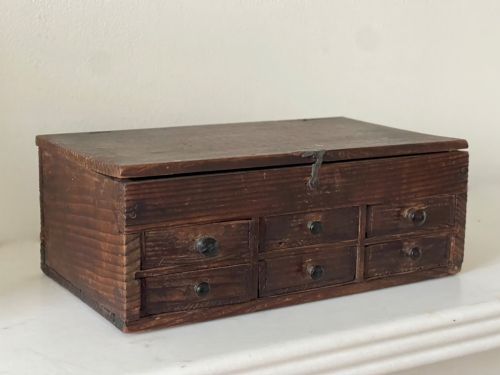
The materials reflect domestic and workshop needs of past eras, drawing on mahogany, oak, rosewood, and walnut. Many pieces served specialised trades, functioning as watchmakers boxes, apothecary boxes, or clock repairers chests.
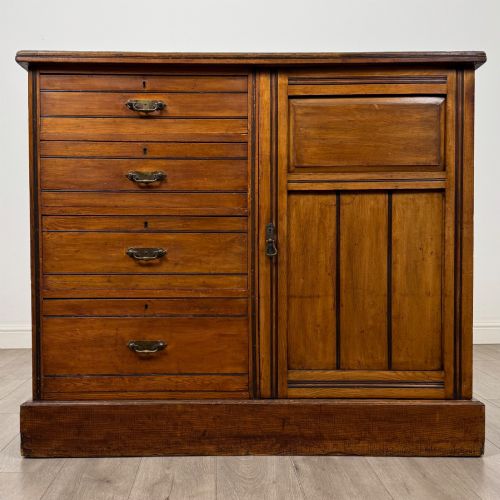
Origins range from formal country house pieces to utilitarian office storage and filing cabinets. This variety ensures that tables and desks hold compact storage units tailored to specific historical trades.
Materials and construction
Cabinet makers utilised dense hardwoods like mahogany, walnut, and rosewood for formal pieces, often pairing them with oak drawer linings. Pine and solid oak appear frequently in utilitarian filing chests and workshop boxes.
Fine construction details involve dovetailed drawer joints, brass locking mechanisms, and fitted internal partitions designed to secure delicate items. Surface finishes rely on traditional wax polishes that highlight the natural grain of the timber.
Antique Collectors Chests Retail Price Guide 2026
Typical asking prices for collectors chests among the pieces listed under this phrase on Sellingantiques today, from the lower quarter to the upper quarter. They describe what is for sale here now, not the wider market.
Railway ticket dispensing boxes and watch repairer chests appear alongside polite miniature apprentice cabinets, revealing the messy reality of past trades.
Standards of craftsmanship
Quality rests in the precision of the internal drawer layout and the integrity of the timber framing. Superior pieces retain original brass hardware, working locks, and fitted compartments that show no signs of later alteration.
Finer items exhibit well-figured wood veneers and tightly fitted joints that maintain structural stability over centuries of use. Lesser examples often display replaced hardware or utilitarian pine carcasses lacking secondary hardwood facings.
G. Bartholomew & Co·Luxmore's of Ilfracombe
The Antique Collectors Chests Glossary
- Wellington chest
- A tall, slender vertical chest featuring a locking stile on one side that secures all drawers simultaneously. This form originated in the nineteenth century and typically contains six to eight shallow drawers.
- Table top cabinet
- A compact storage unit designed to sit on a desk, table, or sideboard rather than rest upon the floor. These pieces often contain numerous small drawers for letters, specimens, or jewellery.
- Fitted interior
- An arrangement of internal compartments, dividers, or secret drawers hidden behind the main external doors. Such detailing indicates a high status piece intended for valuable possessions.
- Raised gallery
- A low decorative railing positioned around the top surface of a cabinet or chest. This feature prevents small objects placed on top from rolling off.
Antique Collectors Chests: Frequently Asked Questions
What were antique collectors chests used for?
These chests stored precious items, natural history specimens, coins, or documents in dedicated small drawers. Tradespeople also used them to organise delicate tools and components.
Specialised compartments kept contents separated and protected from dust and handling. Over time, domestic owners adopted them for general tabletop storage and jewellery organisation.
Where should I place a tabletop chest?
Tabletop chests suit desks, sideboards, and large console tables where their detailed drawer fronts remain visible. They provide practical storage for stationery, trinkets, or small collections.
Positioning them away from direct sunlight and heat sources protects the polished wood surfaces and internal linings from drying out.
Are apprentice pieces genuine antiques?
Apprentice pieces are authentic historical items created by young craftspeople learning cabinet making during the eighteenth and nineteenth centuries. They are prized for their meticulous scale and fine joinery.
Collectors value them as genuine expressions of historical woodworking skill rather than modern reproductions.