
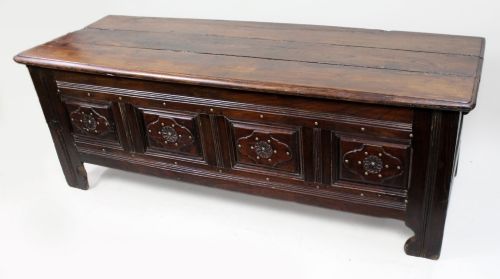
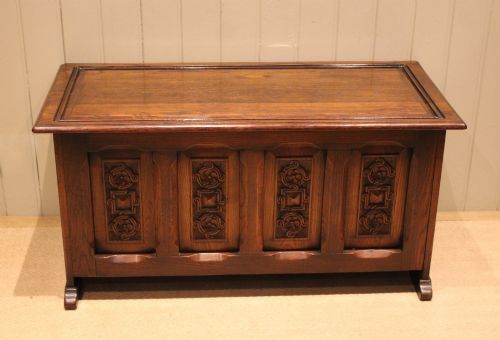
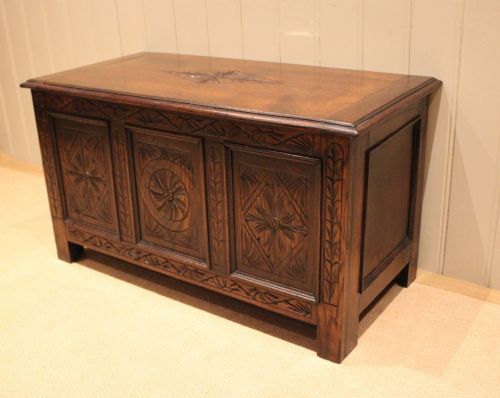
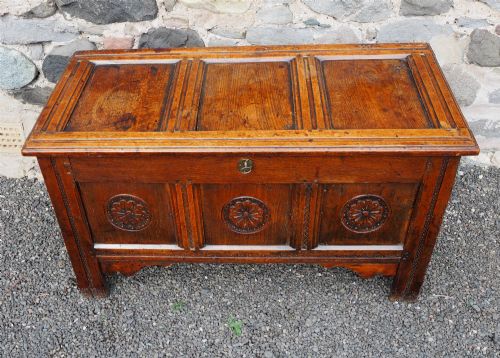


Carved Wooden Blanket Chest
A carved wooden blanket chest brings centuries of storage history into a room, offering robust utility wrapped in historic craftsmanship.
Carved Wooden Blanket Chest
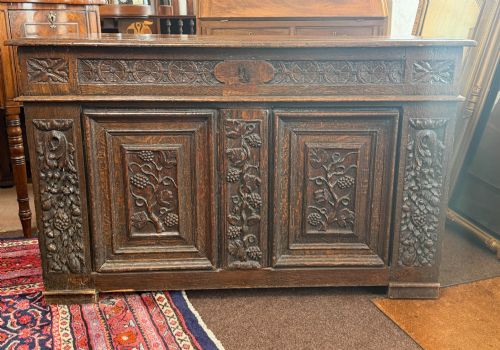
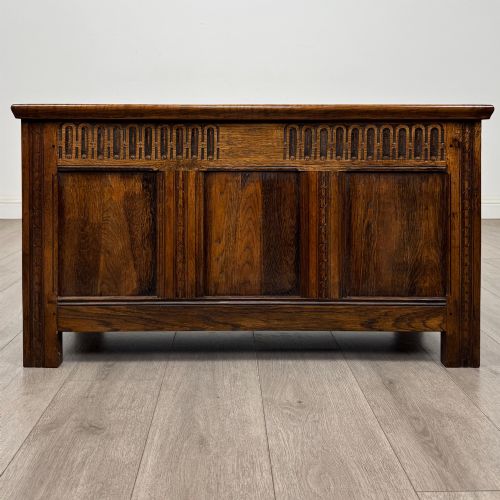
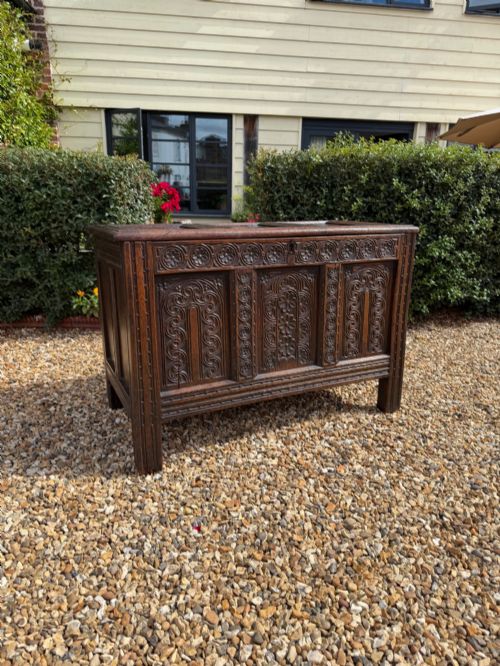
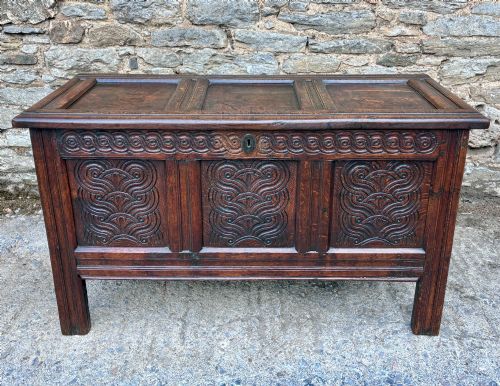
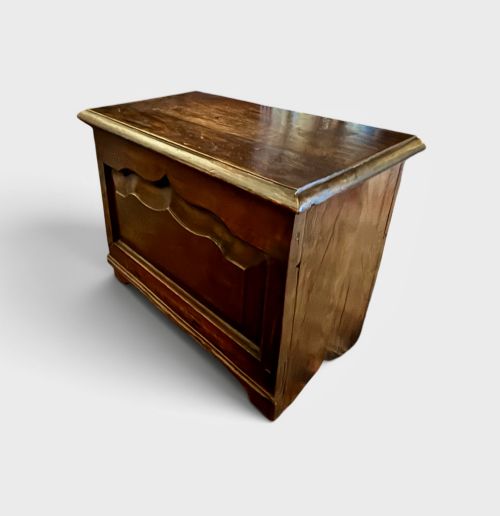
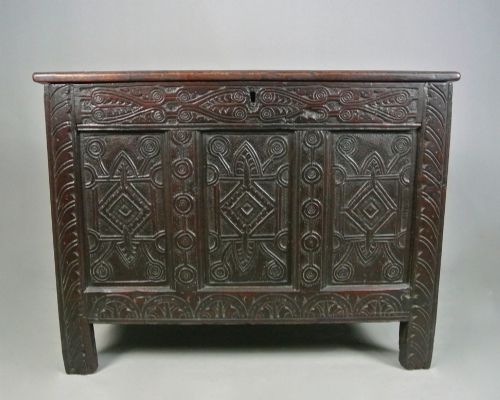
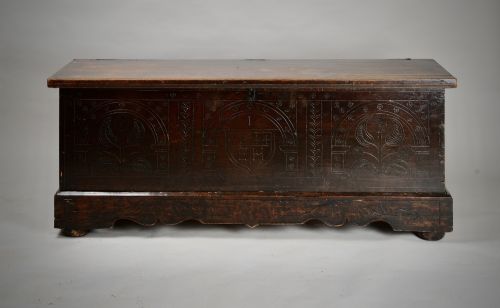
A carved wooden blanket chest serves as a traditional storage receptacle, encompassing various forms such as coffers, mule chests, and dowry trunks. When searching this phrase, you will most frequently encounter sturdy oak examples originating from the sixteenth, seventeenth, and eighteenth centuries, alongside later revival pieces.
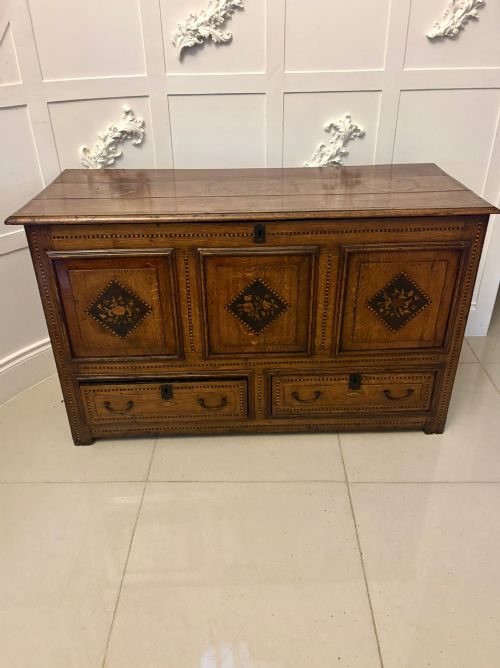
The inventory on this page spans distinct geographic and stylistic lineages, ranging from regional British pieces like Welsh Gower examples to continental French provincial coffers and Portuguese colonial chests. Forms alternate between simple panelled storage boxes and complex mule chests featuring lower drawers for expanded utility.
Makers and craftsmen of past centuries utilised heavy timber construction to create items intended to secure household linens, documents, and garments. These pieces function today as both practical furniture and significant historical artefacts within domestic interiors.
Assessing quality and authenticity
Quality rests upon the integrity of the original timber, the crispness of the hand-carved ornamentation, and the survival of primary structural components like stile feet and lid hinges. Pieces retaining unblemished original surface patination command greater regard from collectors than those subjected to excessive modern stripping or re-polishing.
Construction details differentiate standard utility boxes from superior workshop commissions, specifically the precision of pegged tenon joints and hand-planed interior boards. The depth and complexity of the relief carving further distinguish provincial items from master-carved metropolitan pieces.
Listings feature solid oak, teak, and cypress woods spanning from the sixteenth century through the Edwardian era.
The Carved Wooden Blanket Chest Glossary
- Coffer
- A heavy wooden box with a hinged lid, traditionally used for storing valuables or linens. These form the primary ancestor of the modern chest of drawers.
- Mule chest
- A storage chest featuring one or more drawers built into the base beneath the main compartment. This hybrid form emerged when makers sought easier access to stored garments.
- Marquetry inlay
- Decorative patterns formed by fitting contrasting veneers or solid wood pieces into prepared recesses on the furniture surface. This technique creates complex pictorial or geometric designs.
- Panel construction
- A method where a central wooden board floats within a surrounding frame to prevent splitting during humidity shifts. This technique defines traditional seventeenth-century cabinet making.
- Patina
- The surface sheen and colour developed by wood and metal over decades of handling, exposure, and waxing. It serves as a visual indicator of genuine age.
Carved Wooden Blanket Chest: Frequently Asked Questions
What is a carved wooden blanket chest used for today?
These receptacles serve effectively as living room coffee tables, bedroom storage for bulky blankets, or hallway seating while concealing everyday clutter.
Their sturdy flat lids and deep interiors accommodate household textiles while anchoring a room with historic character.
How do I tell an older chest from a later revival piece?
Examination of the timber joints, tool marks, and hardware reveals the age of manufacture. Hand-pegged frame construction and irregular hand-sawn boards indicate seventeenth or eighteenth-century origin.
Revival pieces from the twentieth century often display uniform machine milling and standardised modern screw fittings upon close inspection.
How should I care for antique oak furniture?
Maintain stable indoor humidity and temperature to prevent the historic timber from drying out or splitting. Apply natural beeswax sparingly and buff gently with a soft cloth to nourish the surface patination.
Avoid placing these items near direct heat sources or in strong sunlight that could fade the aged wood.
What distinguishes a coffer from a mule chest?
A coffer consists solely of a top-opening storage box compartment resting on frame legs or stiles. A mule chest adds one or more drawers beneath the main chest cavity for improved organisation.
This evolutionary step bridged the gap between basic storage trunks and modern drawer chests.