
Carved Wood Hallway Table
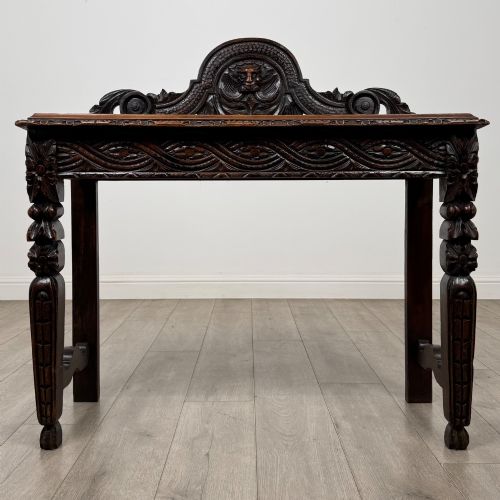
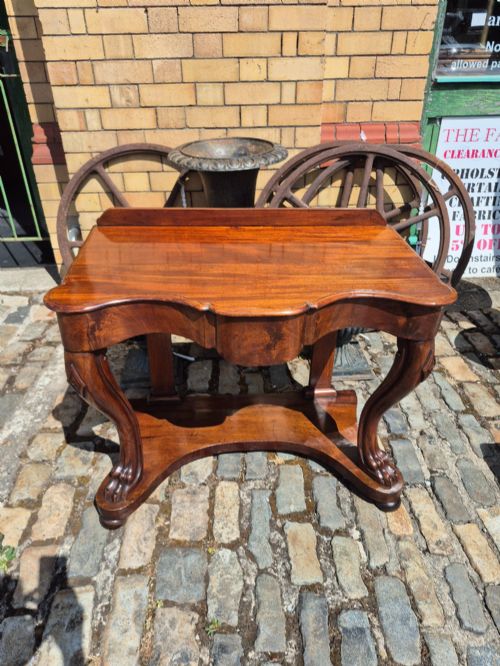
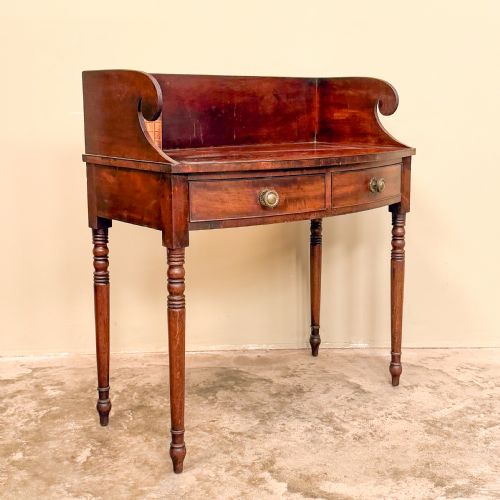
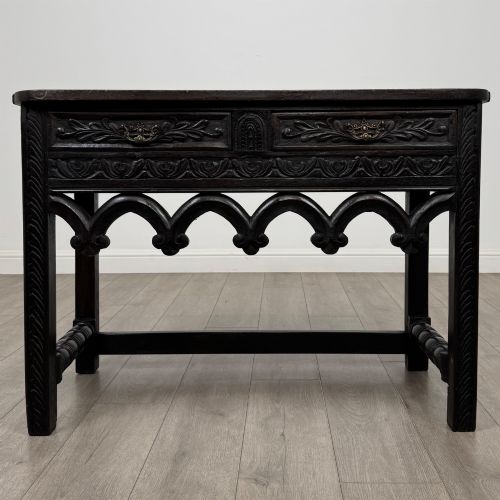
A carved wood hallway table brings sculptural presence and surface utility to an entrance, spanning periods from the eighteenth century to the twentieth.
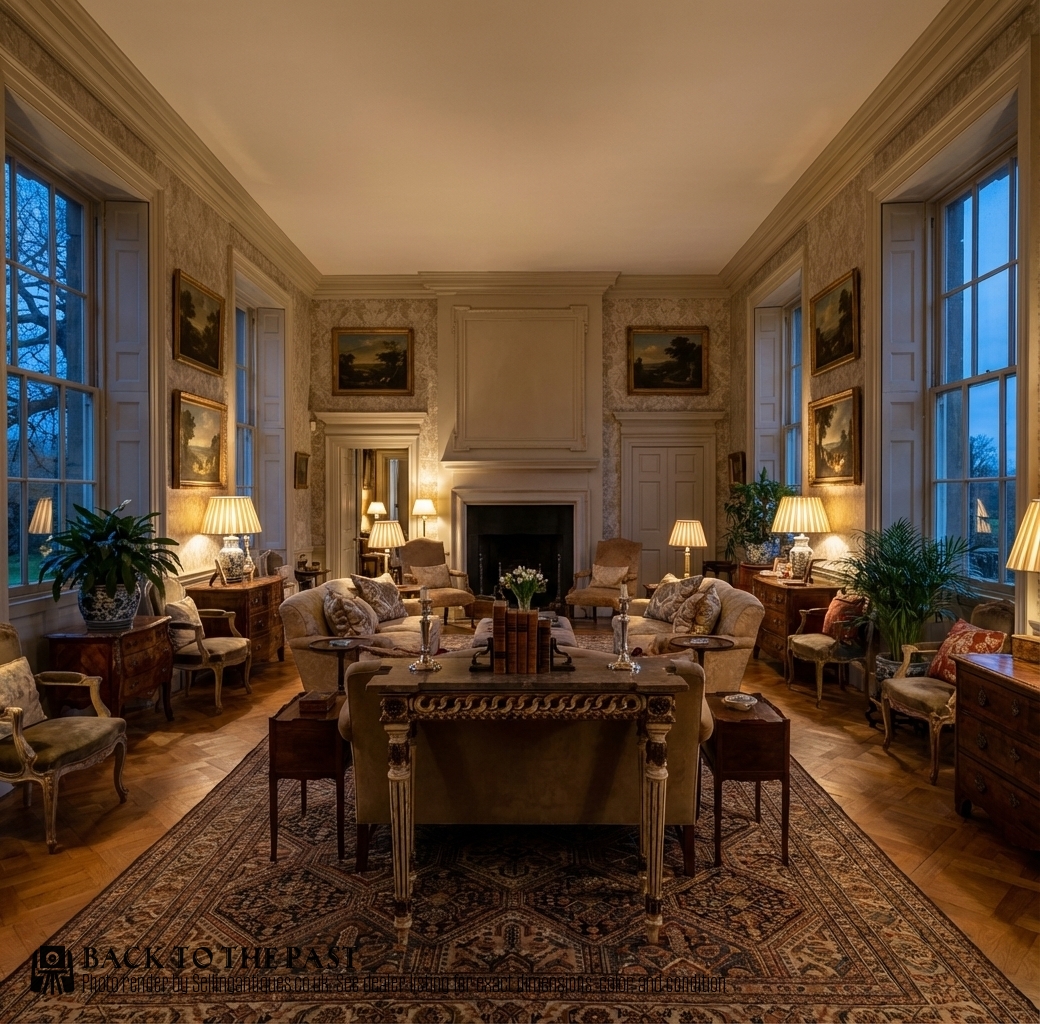
Carved Wood Hallway Table
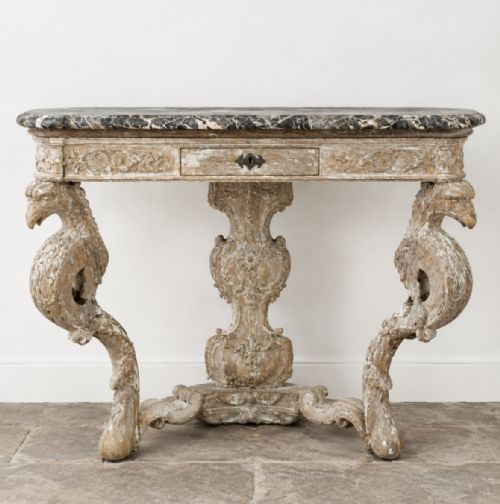
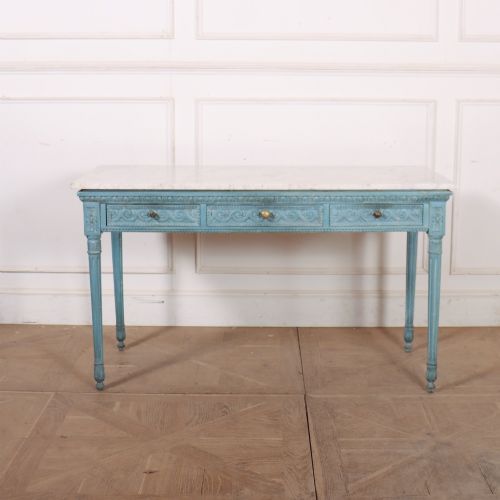
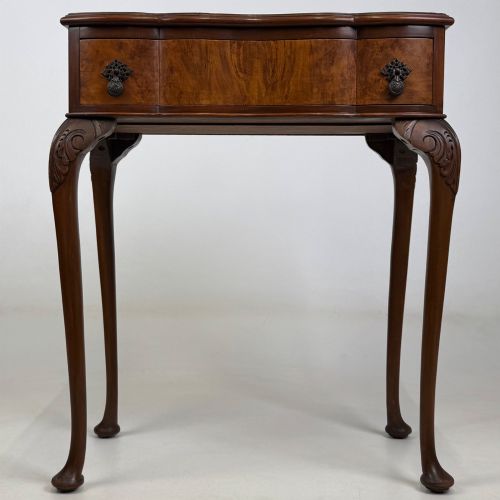
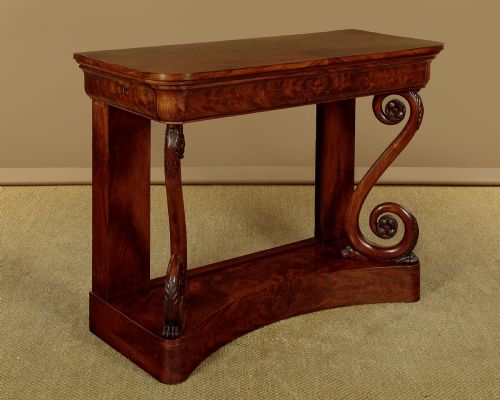
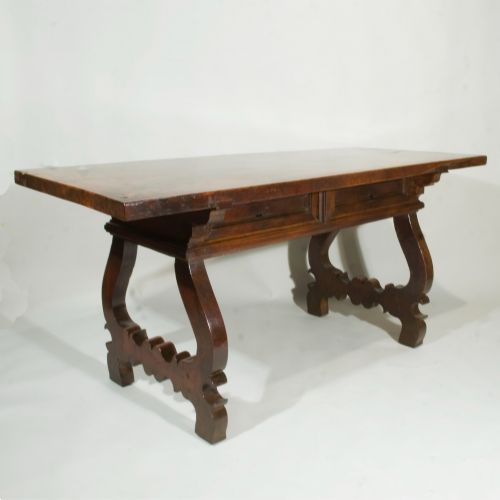
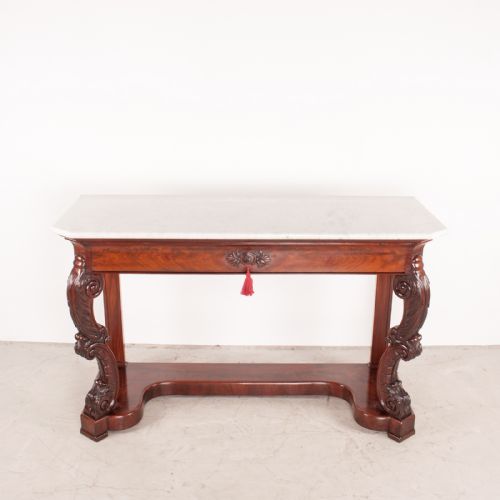
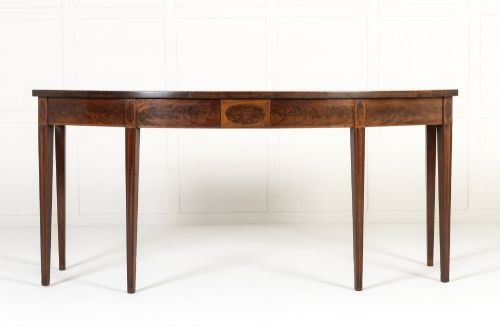
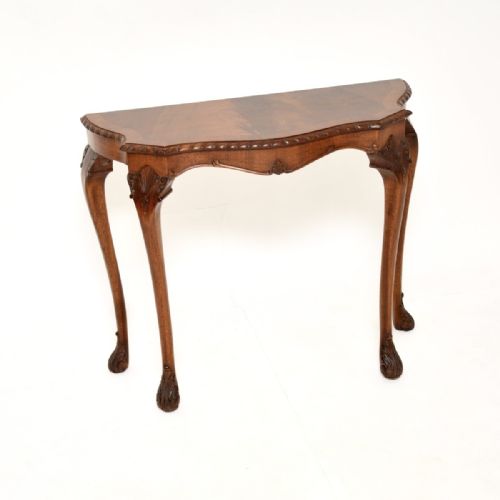
A carved wood hallway table appears most frequently in forms such as console tables, side tables, serving tables, and hall stands. These items emerge from periods including the eighteenth century, the Victorian era, and the early twentieth century.
Makers shaped these pieces in diverse regional expressions, ranging from French and Italian designs to English mahogany and walnut examples, alongside Chinese hongmu and Burmese padauk wood. The selection prioritises practical surface area and carved detail suitable for domestic entryways and reception spaces.
The objects serve as functional furniture designed to stand against walls, combining timber construction with decorative carving. Buyers encounter both restrained Georgian proportions and heavily ornamented nineteenth-century revival styles.
How they were made
Craftsmen built these tables using dense timbers such as mahogany, oak, walnut, rosewood, and exotic woods like hongmu and padauk. Flame mahogany veneer frequently added figured grain pattern to primary surfaces.
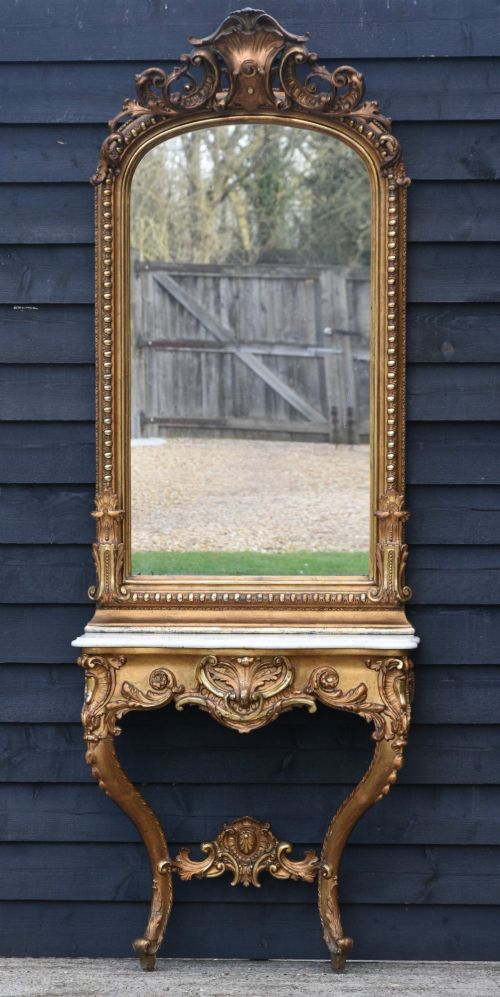
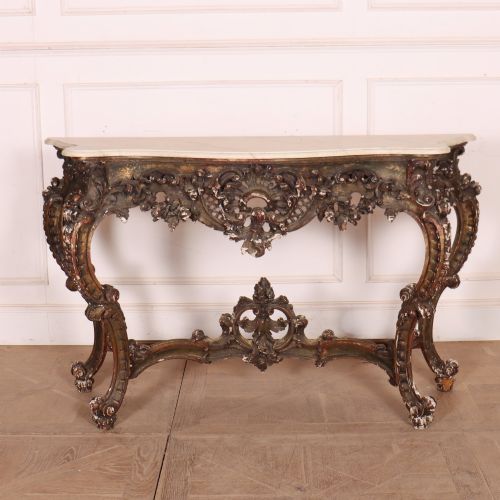
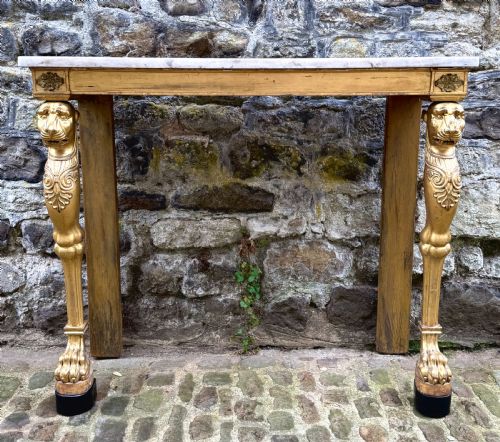
Construction involved manual carving of the timber, supplemented by brass hardware and occasionally marble or glass inserts. Giltwood surfaces and painted finishes appear on specific continental and neoclassical examples.
Listings feature woods including oak, walnut, mahogany, rosewood, hongmu, and padauk across the eighteenth, nineteenth, and twentieth centuries.
What varies in quality
Quality reveals itself in the depth and crispness of the hand carving, where skilled execution produces sharp relief rather than soft, mechanical repetition. The choice of timber also defines the tier of the piece, with figured veneers and solid tropical hardwoods marking higher grades.
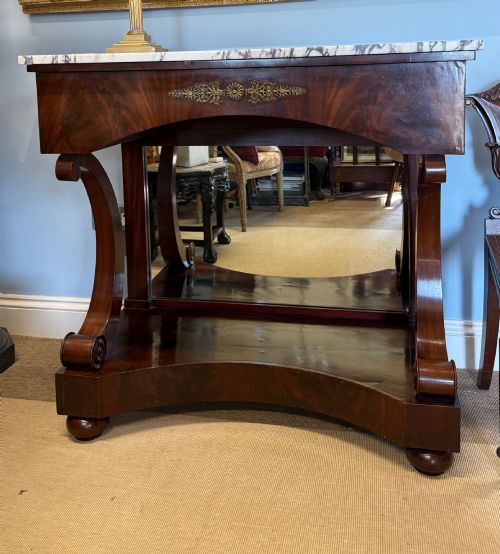
Structural integrity depends on the joinery and the preservation of the original timber surfaces over centuries of use. Secondary elements such as integrated marble tops or mirror backs elevate the ambition of the design.
The Carved Wood Hallway Table Glossary
- Console table
- A table designed to stand against a wall, frequently supported by brackets or console legs rather than four independent posts.
- Serving table
- A large side table historically utilised in dining spaces for food preparation and display, sharing similar proportions with hallway furniture.
- Flame mahogany veneer
- A thin slice of mahogany timber displaying a distinctive flame-like grain pattern, applied to primary surfaces for decorative effect.
- Giltwood
- Timber that has been coated with a thin layer of gold leaf or gilt pigment to create a metallic sheen.
- Serpentine front
- A furniture front curving outward in the centre and inward at the sides in a continuous undulating line.
Carved Wood Hallway Table: Frequently Asked Questions
Where should I place a console table?
These tables suit narrow circulation spaces, entrance halls, and reception rooms where surface space is required without obstructing pathways. Their shallow depth allows them to sit flush against walls.
Pairing a table with a mirror back or hanging artwork above creates a balanced focal point upon entering a home.
How do I care for antique wood?
Maintain timber surfaces by dusting with a dry, soft cloth and avoiding direct exposure to strong sunlight or moisture. Natural waxes help nourish older finishes without building up residue.
Keep tables away from direct heat sources to prevent the wood or veneer from splitting over time.
What is the difference between a console and a side table?
Console tables traditionally rely on wall support or specific scroll-shaped brackets, whereas standard side tables stand independently on four legs. Both forms function similarly within a hallway setting.
Victorian and Georgian examples often blur these distinctions depending on whether the piece was intended for a formal parlour or a dining room.
Are marble tops original to these tables?
Many nineteenth-century console and serving tables incorporated fitted marble slabs to provide a durable, heat-resistant surface. These inserts were integrated during initial construction, particularly on French and Italian pieces.
Inspect the seating rebate beneath the stone to confirm it matches the period construction of the wooden base.