

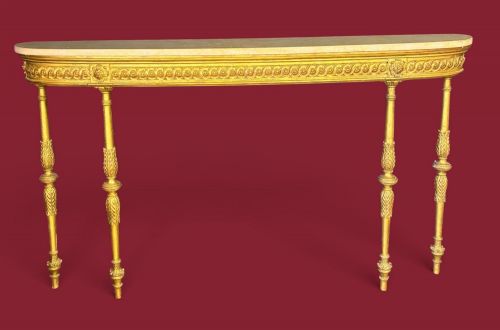
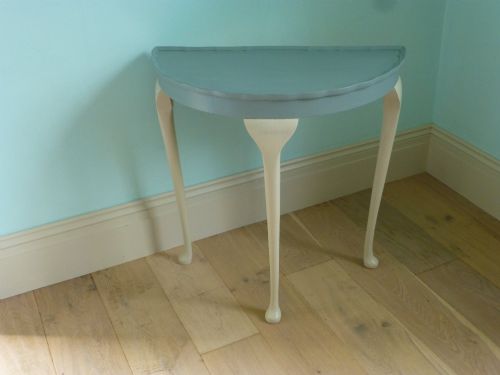
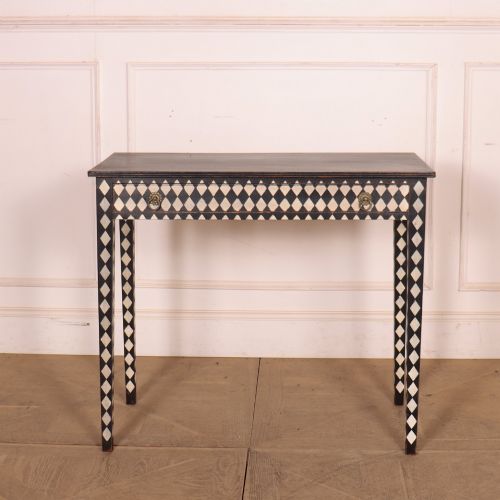
Cream Console Table
A cream console table brings lightness and architectural form to an entrance hall, combining painted surfaces with classical proportions.
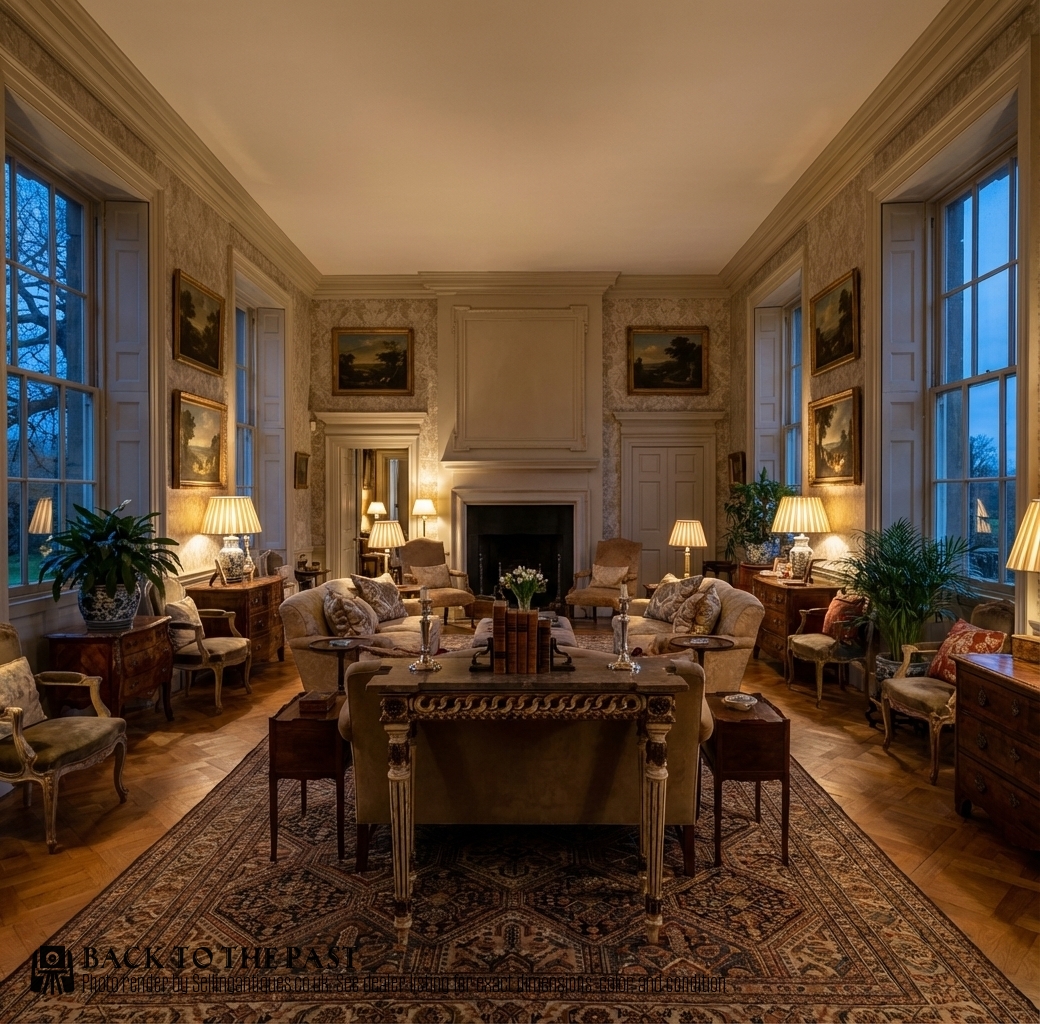
Cream Console Table
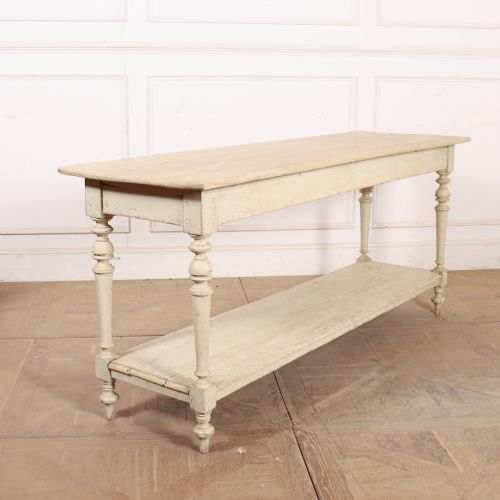
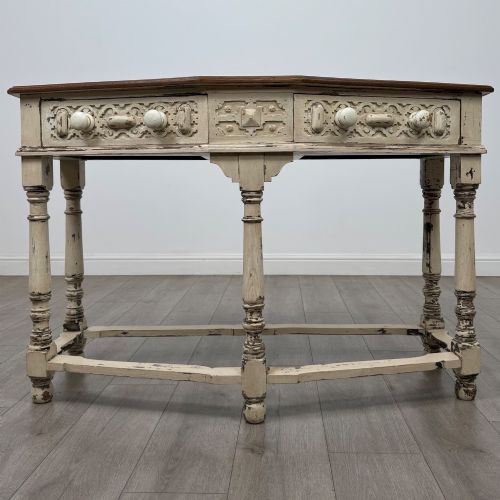
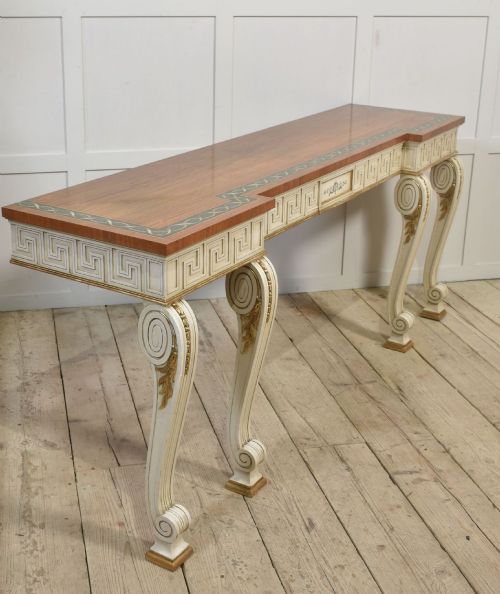
A cream console table provides a slender surface for display and support against a wall, drawing on forms developed across centuries in various European traditions. When searching for a cream console table, buyers encounter formats ranging from provincial pine drapers tables to ornate gilt-accented French and Italian examples.
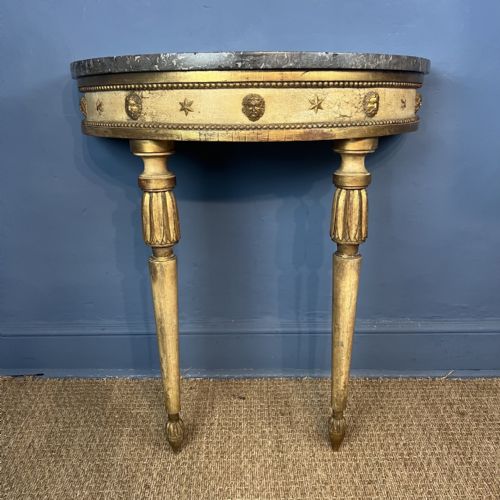
The selection includes demi-lune shapes, rectangular side tables, and wall-mounted console pieces originating from periods spanning the eighteenth, nineteenth, and early twentieth centuries. These tables frequently appear alongside related forms like dresser bases, serving tables, and lamp tables sharing painted or parcel-gilt finishes.
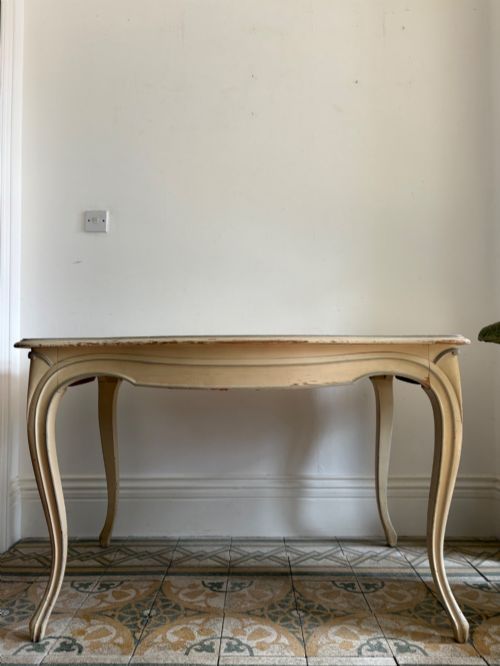
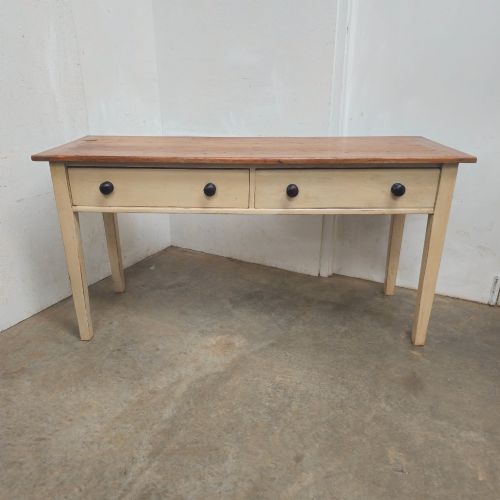
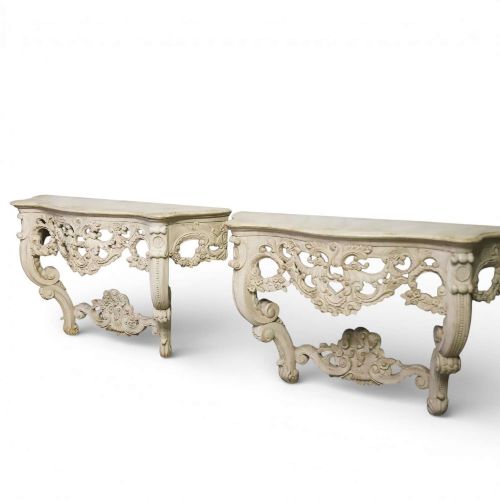
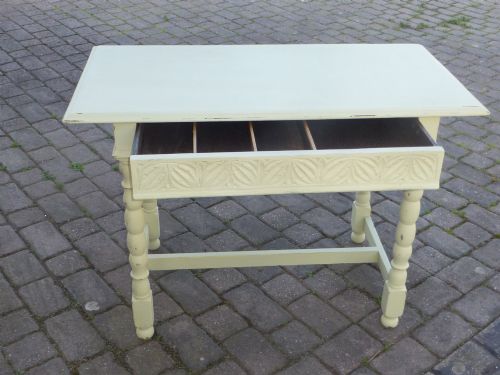
Continental workshops, particularly in France, Italy, and Sweden, dominate the historic output of these pieces, often utilising curved cabriole legs and serpentine fronts. English country houses contribute simpler pine and oak variations, including dairy tables and drawer-fitted hall tables.
How they were made
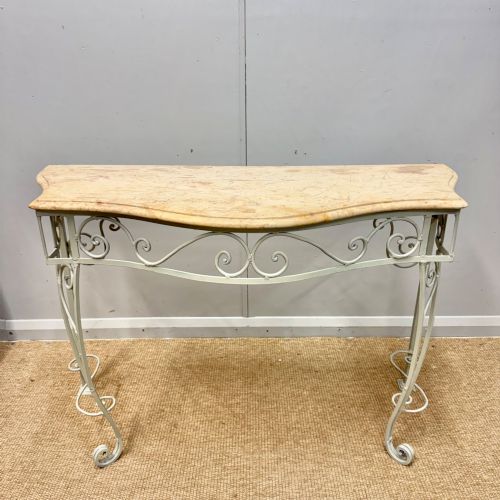
Makers constructed the structural frames primarily using solid timbers such as pine, oak, and carved hardwoods, applying gesso layers to prepare surfaces for painting or gilding. Many examples incorporate heavy marble slabs inset into the wooden framework, providing a cool and durable top surface.
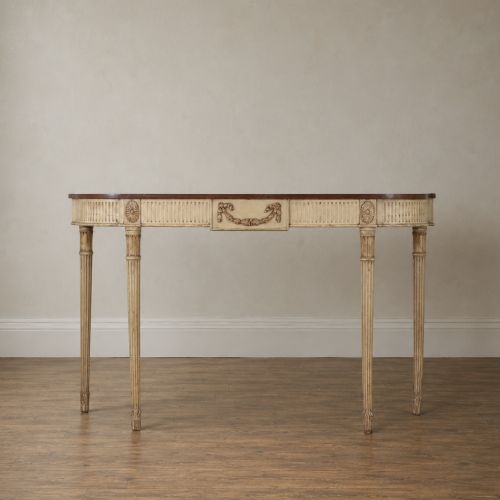
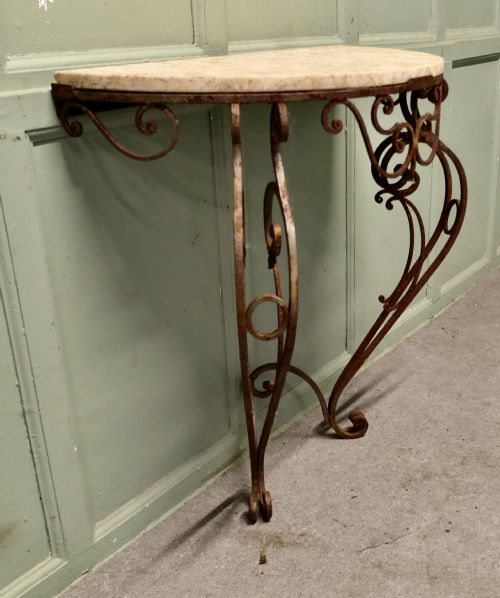
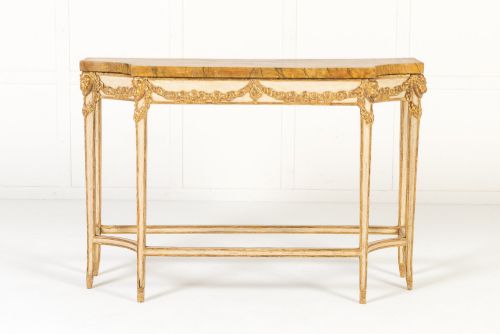
Decorative detailing relies on hand-carved motifs, parcel-gilt highlights over cream painted grounds, and occasionally wrought iron supports. Historic surfaces show layered paint finishes applied over decades, ranging from simple white and antique cream to distressed patinas.
Cream Console Table Retail Price Guide 2026
Typical asking prices for cream console table among the pieces listed under this phrase on Sellingantiques today, from the lower quarter to the upper quarter. They describe what is for sale here now, not the wider market.
The listings feature pieces spanning the eighteenth to the twentieth centuries, utilising painted wood, marble, wrought iron, and giltwood.
What varies in quality
Quality rests in the harmony of the proportions, the crispness of the hand-carved woodwork, and the integrity of the original painted surface rather than a uniform finish. Superior examples display balanced carving on cabriole legs or skirts and retain genuine historic paint rather than modern repainting.
The selection of materials marks a clear distinction between utilitarian provincial pieces and formal salon furniture, with integrated marble tops and parcel-gilt detailing elevating the status of the piece. Fine joinery in drawer construction and well-preserved structural stability separate workshop-made furniture from simpler vernacular builds.
The Cream Console Table Glossary
- Demi-lune
- A half-moon shape used for console tables designed to sit flat against a wall. This profile saves floor space in narrow hallways and passages.
- Parcel-gilt
- A decorative technique where specific carved details or mouldings are partially covered in gold leaf while the main body remains painted. This method accentuates the relief work on the timber.
- Gesso
- A plaster-like mixture applied to wood surfaces to create a smooth base for painting or gilding. Historic applications provide the foundation for crackled patinas over time.
- Cabriole leg
- A furniture leg featuring a double curve, typically arching outward and then inward. This shape emulates animal limbs and appears frequently on eighteenth-century and revival console designs.
- Pier table
- A table designed to stand against the wall between two windows, often placed beneath a matching mirror. These pieces prioritize decorative presence over heavy storage.
Cream Console Table: Frequently Asked Questions
Where should I place a console table?
These narrow tables suit entrance halls, corridors, and living spaces where floor space is limited. They provide a surface for lamps, mirrors, or decorative objects without obstructing movement.
In dining rooms or bedrooms, similar proportions work well as serving surfaces or small writing desks against plain walls.
How do I care for a painted wooden surface?
Dust regularly with a dry, soft cloth to prevent particle buildup on historic paint and gesso layers. Avoid chemical cleaning agents that can strip or soften aged finishes.
Keep wooden tables away from direct heat sources and strong sunlight to prevent the timber from warping and the paint from cracking further.
What is the difference between a console and a side table?
Console tables traditionally attach to the wall or stand flat against it with decorative front legs, often built specifically for display. Side tables are generally freestanding pieces designed to be accessed from multiple sides.
In modern usage, the terms overlap considerably, particularly when applied to antique painted hall tables.
How can I tell an older painted finish from a modern one?
Older painted surfaces show natural wear patterns, minor losses, and a stable craquelure developed over decades of exposure to light and air. Modern reproductions often use artificial distressing that lacks the depth and variation of historic layers.
Examining the underlying wood and construction joints helps confirm the age of the piece beneath the paint.